How to Check a VIN Before Buying a Car in Canada (Complete Checklist)
How to Check a VIN Before Buying a Car in Canada (Complete Checklist)
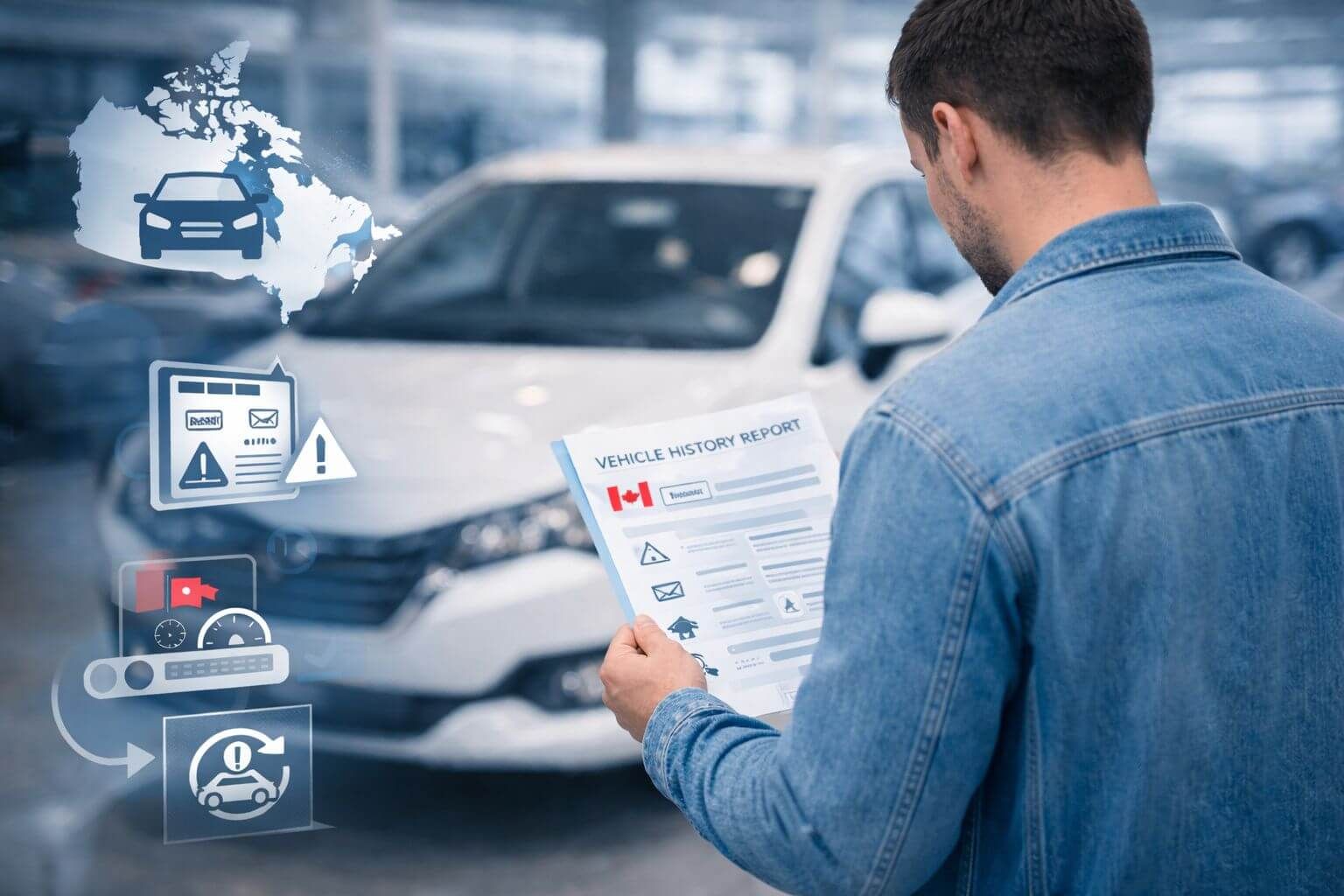
Checking the Vehicle Identification Number (VIN) is the single most important step before buying a used car in Canada. A VIN check exposes risks that aren’t visible during a test drive—hidden accidents, outstanding liens, theft records, recalls, mileage issues, and mismatched vehicle details.
This complete VIN check checklist shows exactly how to verify a VIN before buying a car in Canada, what to look for at each step, and how to combine VIN findings with inspections and paperwork review for a safer purchase.
Why a VIN Check Should Always Come First
A VIN is the vehicle’s permanent identity. Unlike licence plates or ownership papers, it links the car to historical records held by insurers, provincial registries, lenders, manufacturers, and industry databases.
Starting with the VIN helps you:
- Confirm the vehicle’s true identity (year, make, model, trim)
- Spot accident, damage, or insurance loss indicators
- Detect outstanding liens or financing claims
- Screen for theft and VIN cloning risks
- Check recalls that apply to specific VIN ranges
- Verify specs so you don’t overpay for a misrepresented listing
If you want a broader view of what a VIN check can reveal, start with How to Check Vehicle History in Canada.
Step 1: Get the VIN and Verify It’s the Same Everywhere
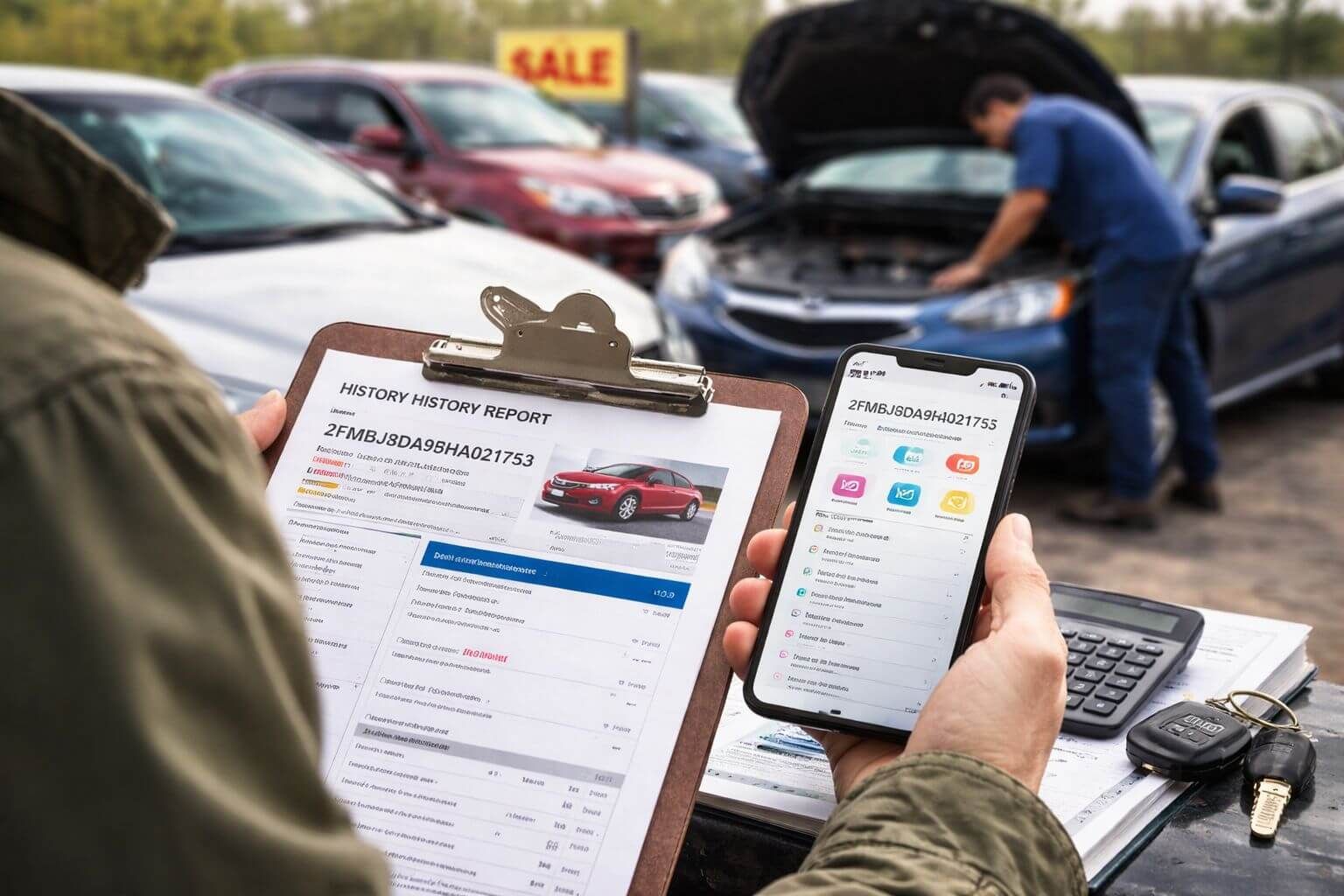
Before you run anything online, make sure the VIN you’re using is the vehicle’s real VIN.
Where to find the VIN
Check the VIN in multiple physical locations:
- Dashboard (driver’s side, visible through the windshield)
- Driver-side door frame/pillar label
- Engine bay or frame stamp (varies by vehicle)
Then compare it against the VIN shown on the registration and insurance documents.
If you’re unsure where VIN plates and labels should be located, use Vehicle Identification Number Locations Explained.
Red flags at this step
Walk away or pause the deal if you see:
- A VIN mismatch (even one character)
- Signs the VIN plate was tampered with (scratches, fresh rivets, unusual spacing)
- The seller refuses to provide the VIN before you meet
Step 2: Run a VIN Check (Step-by-Step)
This is your first screening step. It’s designed to catch major issues early before you pay for inspections or commit to a purchase.
How to check a VIN number in Canada
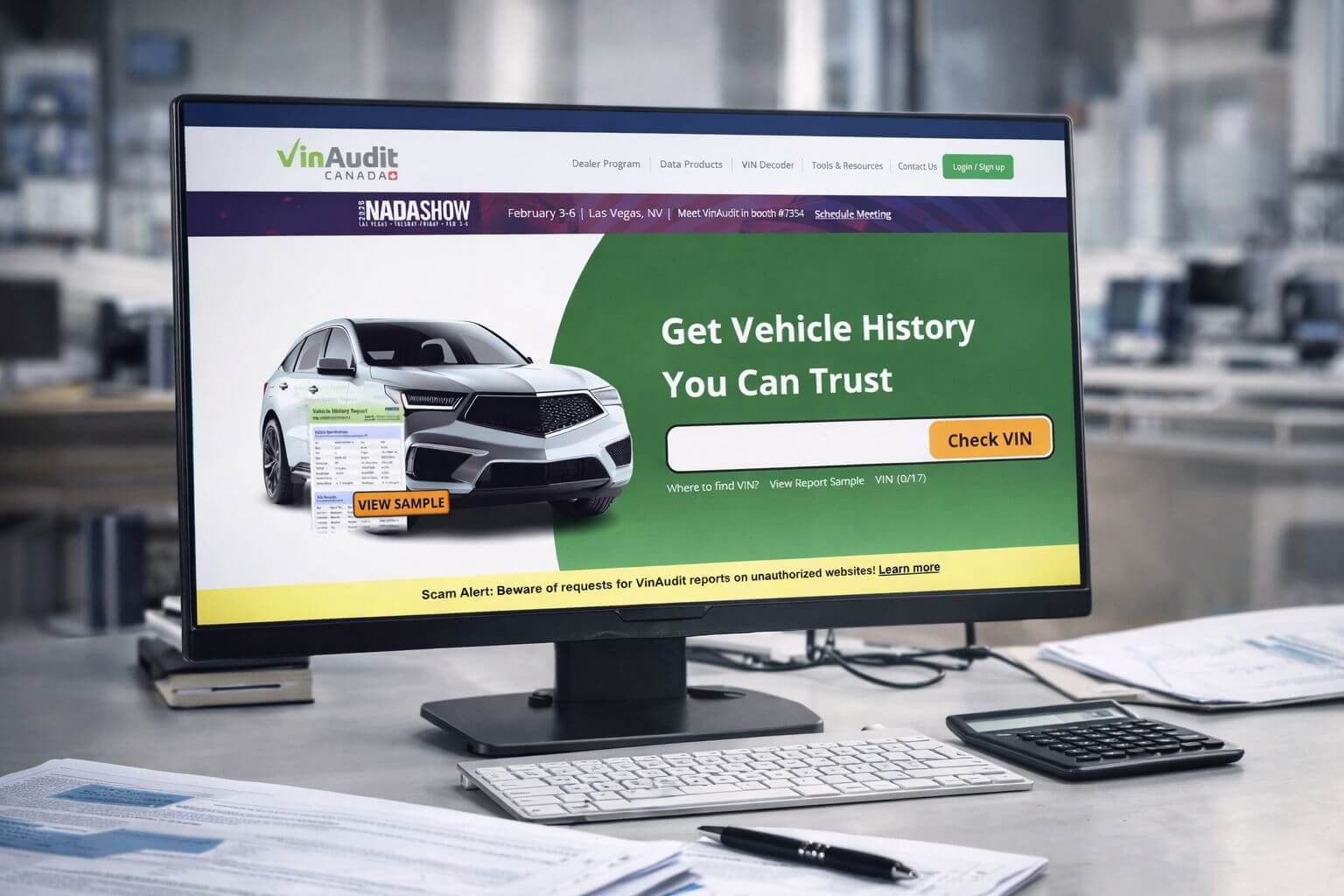
- Enter the VIN into a Canadian VIN tool
- Confirm the decoded vehicle identity matches the listing
- Review alerts related to accidents, title branding, theft, liens, recalls, and inconsistencies
You can start here: VIN Check Canada.
What to confirm immediately
When results load, verify:
- Year / make / model match the listing
- Trim / engine / drivetrain make sense (e.g., AWD vs FWD, turbo vs non-turbo)
- The vehicle isn’t showing obvious conflicts (like a different body style)
If there’s a mismatch between the VIN decoding and the seller’s description, treat it as a negotiation stopper until clarified.
Step 3: Review Accident and Damage Indicators
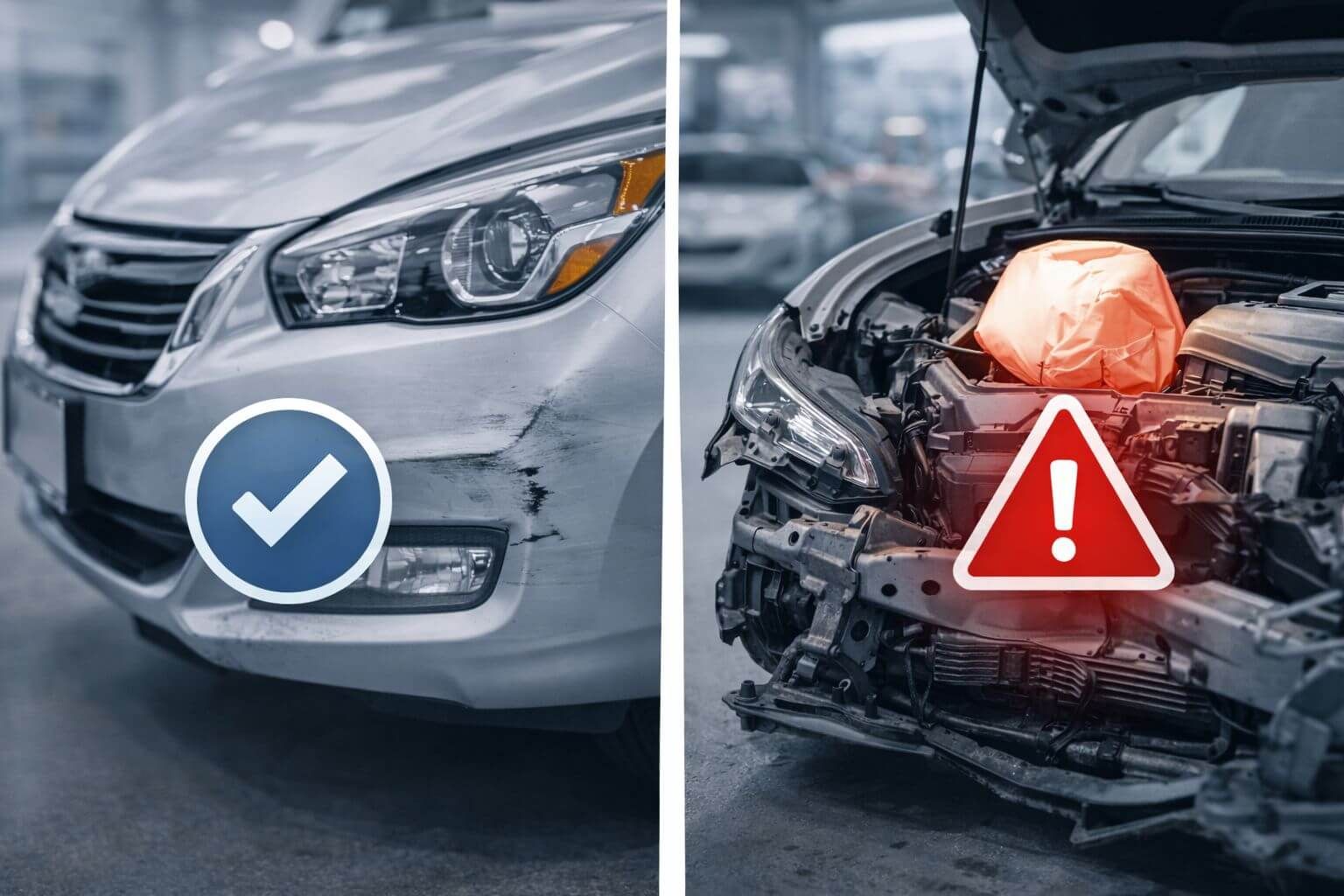
Accident history affects safety, reliability, resale value, and insurance. In Canada, accident data can be fragmented across provinces and insurers, so visual inspection alone is not enough.
What to look for
Use VIN-based history to identify:
- Accident and damage indicators
- Insurance loss records or total loss flags (when available)
- Possible structural or airbag deployment signals
Then confirm in the real world:
- Inspect paint consistency and panel gaps
- Ask for repair invoices (not just verbal reassurance)
- Get a pre-purchase inspection if the vehicle is still a contender
For a deeper breakdown, see How to Find Out If a Car Has Been in an Accident in Canada.
Step 4: Check for Outstanding Liens
A lien allows a lender to repossess a vehicle if a prior loan wasn’t paid—even after the vehicle is sold to a new owner. This is one of the most costly mistakes buyers make in private sales.
What buyers often get wrong
- A “clean” ownership paper does not automatically mean “no lien.”
- Liens can remain active after resale if not properly discharged.
- A seller can be honest about paying their loan but still fail to complete the formal lien release process.
How to check liens properly
Use the VIN and check province-specific guidance when relevant:
What to ask the seller
If any lien concerns appear:
- Ask for written proof of lien discharge or release
- Confirm the lender’s name and request documentation
- Do not hand over payment until lien release is clear
Step 5: Screen for Stolen Vehicle and VIN Cloning Risks
A vehicle can look legitimate and still be stolen—or worse, have a cloned VIN. Either scenario can lead to seizure, registration issues, or loss of money.
What to look for
- Theft or recovery indicators
- Registration inconsistencies
- Signs the vehicle identity doesn’t “fit” the VIN decoding
Start with Stolen Vehicle VIN Check in Canada and review additional fraud signals in VIN Cloning Explained.
Step 6: Check Vehicle Recalls by VIN
Recalls are issued for specific VIN ranges, not just models. An unresolved recall can affect safety and may impact your decision to buy.
What to do
- Check recall status by VIN
- Ask the seller for proof of completed recall repairs
- If a recall is outstanding, confirm whether the repair can be done immediately after purchase
You can verify recalls here: Vehicle Recall Check by VIN.
Step 7: Confirm Specs and Build Details
VIN decoding protects you from misrepresentation—especially with trim packages, engines, and drivetrains.
Verify:
- Trim level and factory options (as available)
- Engine size and configuration
- Drivetrain type (FWD/RWD/AWD)
- Body style and market configuration
Use: Vehicle Specs by VIN.
If you need a quick engine cross-check, see Engine Size by VIN Number.
Step 8: Check Mileage and Odometer Risk
Odometer inconsistencies can dramatically change a vehicle’s value and reliability expectations.
What to do:
- Compare the mileage on the dash to service records and inspection notes
- Watch for sudden drops or inconsistencies across records
- Use a mileage tool when available
Helpful pages:
Step 9: Combine VIN Findings With Inspection and Paperwork
VIN checks identify risk signals. Inspections confirm actual condition.
Always pair VIN results with:
- A professional mechanical inspection
- Structural and frame evaluation
- A real-world test drive under varied conditions
Use this as your inspection baseline: Vehicle Inspection Guide.
Also review your documents:
- Registration/ownership details
- Bill of sale completeness
- Any lien release paperwork (if applicable)
If you need a template: Bill of Sale Template.
VIN Check Checklist (Quick Reference)
| Check Item | Why It Matters |
|---|---|
| VIN matches documents | Confirms vehicle identity |
| Decoded specs match listing | Prevents misrepresentation |
| Accident indicators | Safety and value risk |
| Lien status | Financial ownership risk |
| Theft screening | Legal ownership risk |
| Recall status | Manufacturer safety issues |
| Mileage consistency | Detects rollback risk |
| Inspection completed | Confirms real condition |
When You Should Walk Away
Walking away early is often the smartest decision.
Strong reasons to walk include:
- VIN mismatches or altered VIN plates
- Active or unresolved liens (or no proof of release)
- Theft indicators or major identity inconsistencies
- Title branding concerns you’re not prepared to accept
- Seller refuses to provide VIN, paperwork, or time for inspection
No deal is worth inheriting legal or financial problems.
Using VIN Reports Responsibly
VIN-based reports are decision-support tools, not guarantees. They work best when combined with:
- Physical inspection
- Documentation review
- Clear communication with the seller
For a complete overview of report depth and expectations, see How to Get a Vehicle History Report in Canada.
You can also compare report options here: Canadian VIN Report Overview.
Frequently Asked Questions
Can I do a VIN check in Canada for free?
Yes, you can usually start with a basic VIN lookup to confirm the vehicle identity and screen for obvious red flags. A basic check is best used for early filtering before you pay for inspections or travel.
Start here: VIN Check Canada.
Does a “clean” ownership paper mean there’s no lien?
Not always. Liens can still exist even if the seller shows ownership documents. The safest approach is to run a VIN-based lien check and require written lien release documentation if anything looks unclear.
What should I do if the VIN on the car doesn’t match the paperwork?
Stop the transaction immediately. A VIN mismatch can indicate clerical errors, fraud, or VIN cloning. Do not proceed until the VIN is verified and the discrepancy is resolved with supporting documents.
Can a car be seized later if it was stolen before I bought it?
Yes. That is why theft screening matters. Always check the VIN for theft indicators and verify that the vehicle identity makes sense across all documents and VIN decoding.
Use: Stolen Vehicle VIN Check in Canada.
Are recalls tied to the model or the VIN?
Recalls apply to specific VIN ranges. Two identical-looking vehicles can have different recall status depending on production batches.
Check here: Vehicle Recall Check by VIN.
Should I still get an inspection if the VIN check looks clean?
Yes. VIN checks highlight record-based risks, while inspections verify real-world condition (mechanical wear, leaks, suspension, frame, and safety systems).
Start with: Vehicle Inspection Guide.
What’s the most common mistake buyers make when running a VIN check?
Relying on the seller’s story instead of verifying documents and completing the full process: VIN verification, lien screening, theft screening, recall check, mileage consistency review, and inspection.
How do I confirm the car’s trim and engine so I don’t overpay?
Use VIN decoding to validate factory specs such as trim, engine, and drivetrain. This is especially useful when listings are vague or misleading.
Final Thoughts
Knowing how to check a VIN before buying a car in Canada puts you in control of the buying process. A structured VIN checklist helps uncover risks early, ask better questions, and avoid costly surprises.
Start with the VIN, follow each step carefully, and confirm findings with a professional inspection. This approach gives you the clearest, safest picture possible before committing to a purchase.