Unlocking Complete Vehicle History with VIN Decoders
Understanding the VIN and Its Importance
Every used car has a unique history—even when two vehicles are the same make and model. That’s why the VIN (Vehicle Identification Number) matters. The VIN is a 17-character code that identifies a specific vehicle and is tied to key details such as where it was built, its specifications, and the records associated with it.
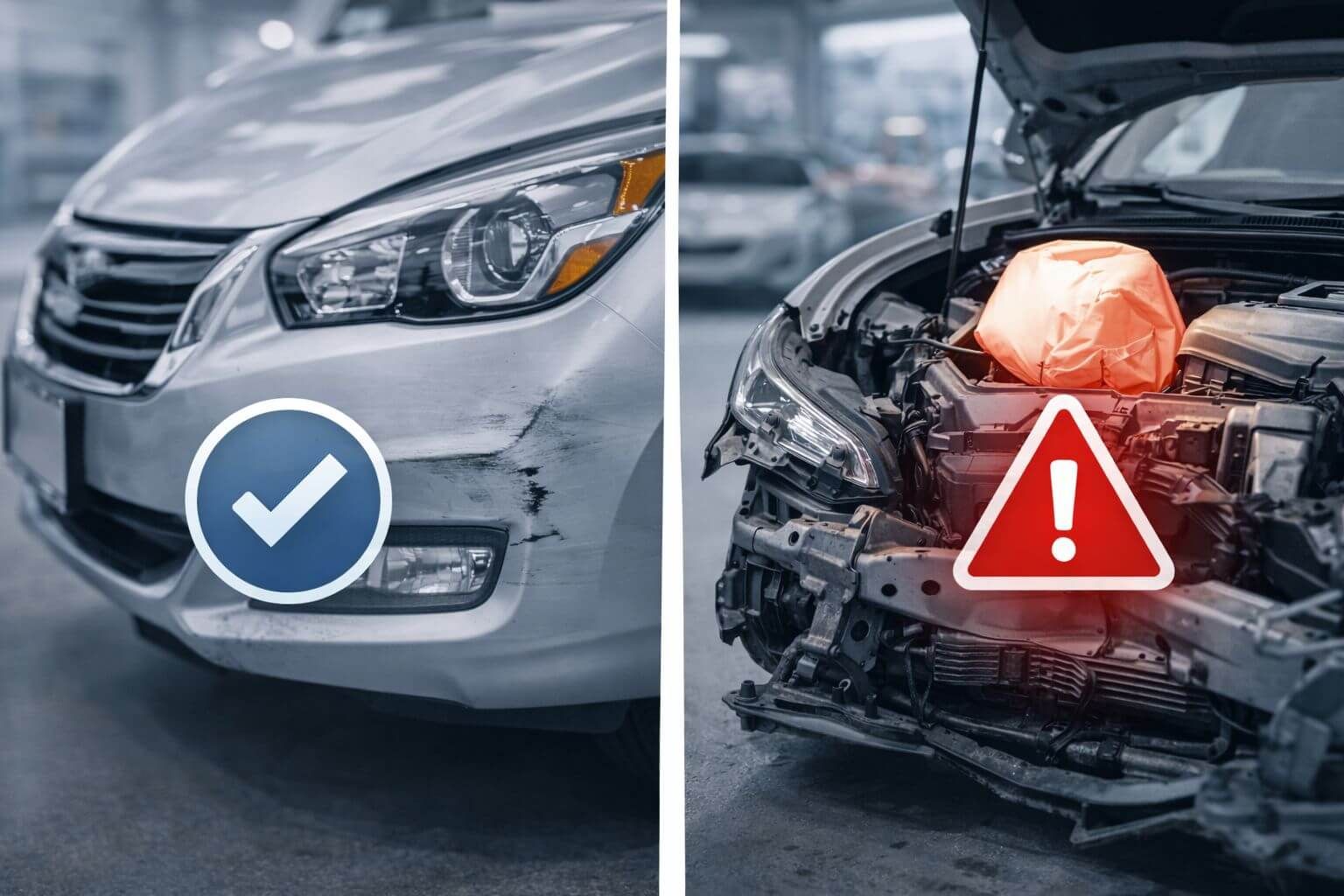
Think of the VIN as the car’s identity card. It connects the vehicle to information that can affect safety, ownership, and value—such as reported accidents, branding, open recalls, and other records that may surface during a history check. To learn more about what a VIN is, see this guide to the Vehicle Identification Number.
Finding and Verifying a Vehicle’s VIN
You can usually find the VIN in a few common places:
- Dashboard near the windshield (driver’s side)
- Driver’s-side door jamb (on the sticker/plate)
If you don’t have access to the vehicle, ask the seller to provide the VIN.
Before you rely on it, verify the VIN carefully:
- Compare VINs across locations on the vehicle and make sure they match.
- Check for tampering, such as scratched characters, loose rivets, mismatched fasteners, or plates that look reattached.
- Match the VIN against the vehicle’s title, registration, and insurance documents.
If anything doesn’t line up, treat it as a major red flag and pause the transaction until it’s resolved.
How VIN Decoders Work
Each character in a VIN has meaning. Together, they can indicate information such as:
- Manufacturer and country of origin
- Model and body style
- Model year
- Engine type and key equipment
- Assembly plant
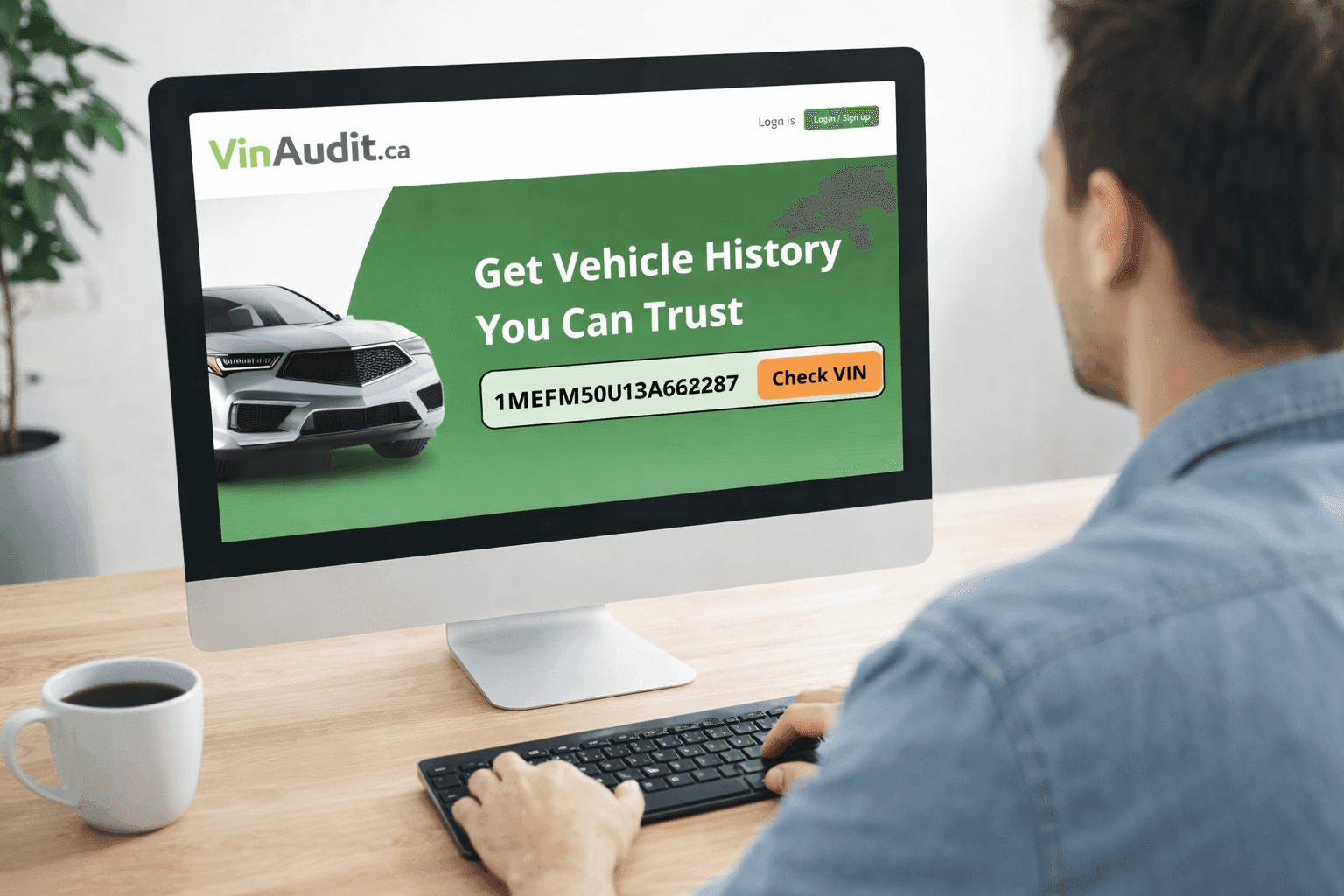
A VIN decoder reads that 17-character code and translates it into readable vehicle specifications. This helps buyers, sellers, dealers, and auto businesses confirm that the vehicle is what it’s being advertised as—and catch inconsistencies early (for example, a listing claiming a trim/engine that doesn’t match the VIN).
Comprehensive Vehicle History Reports in Canada
For Canadian buyers, VIN decoding is often the starting point—not the finish line.
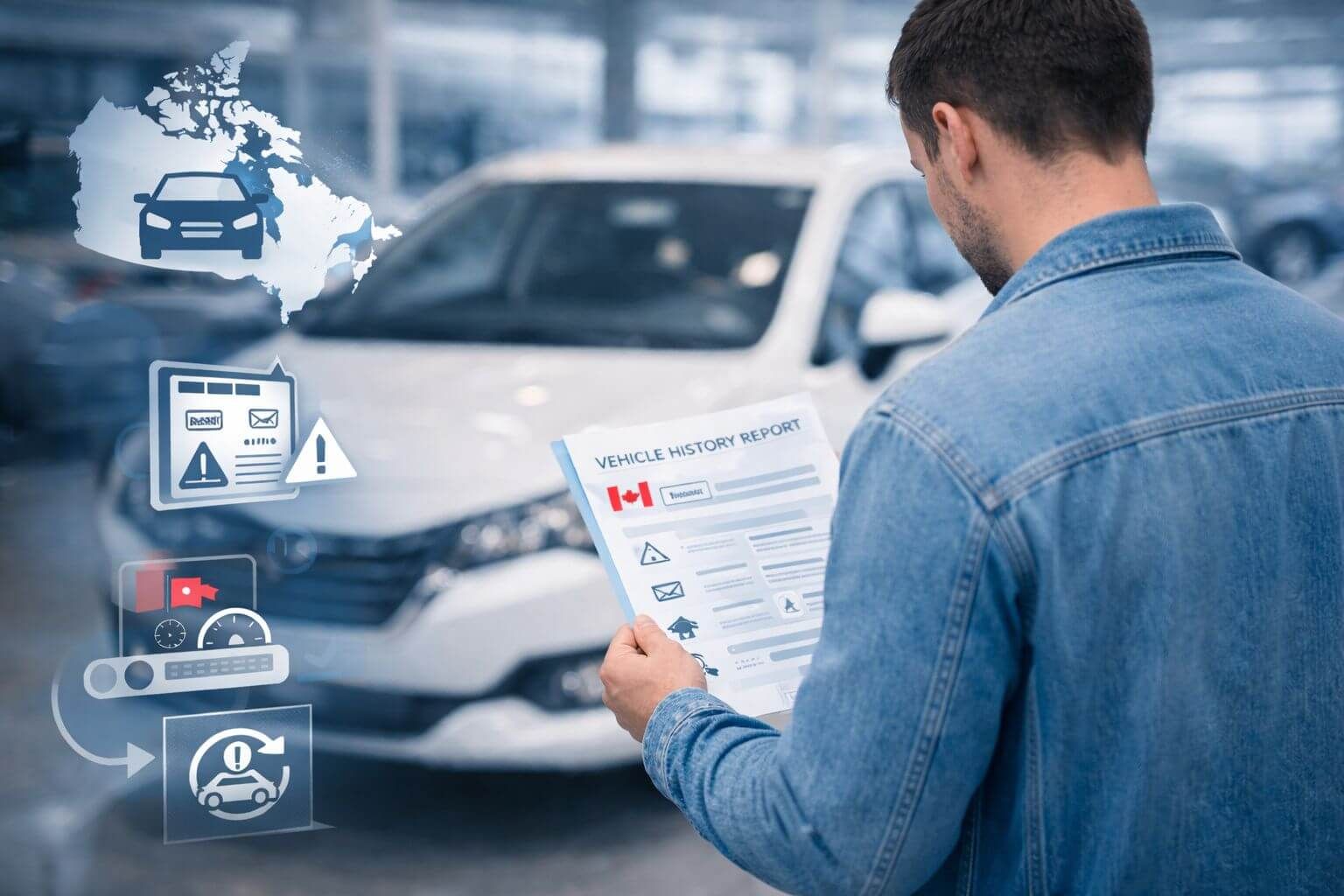
Some providers don’t just decode the VIN; they also generate vehicle history reports using records associated with that VIN. This can help you evaluate a vehicle beyond its specs by revealing details that may affect pricing and risk—such as reported accidents, title status, and odometer-related records.
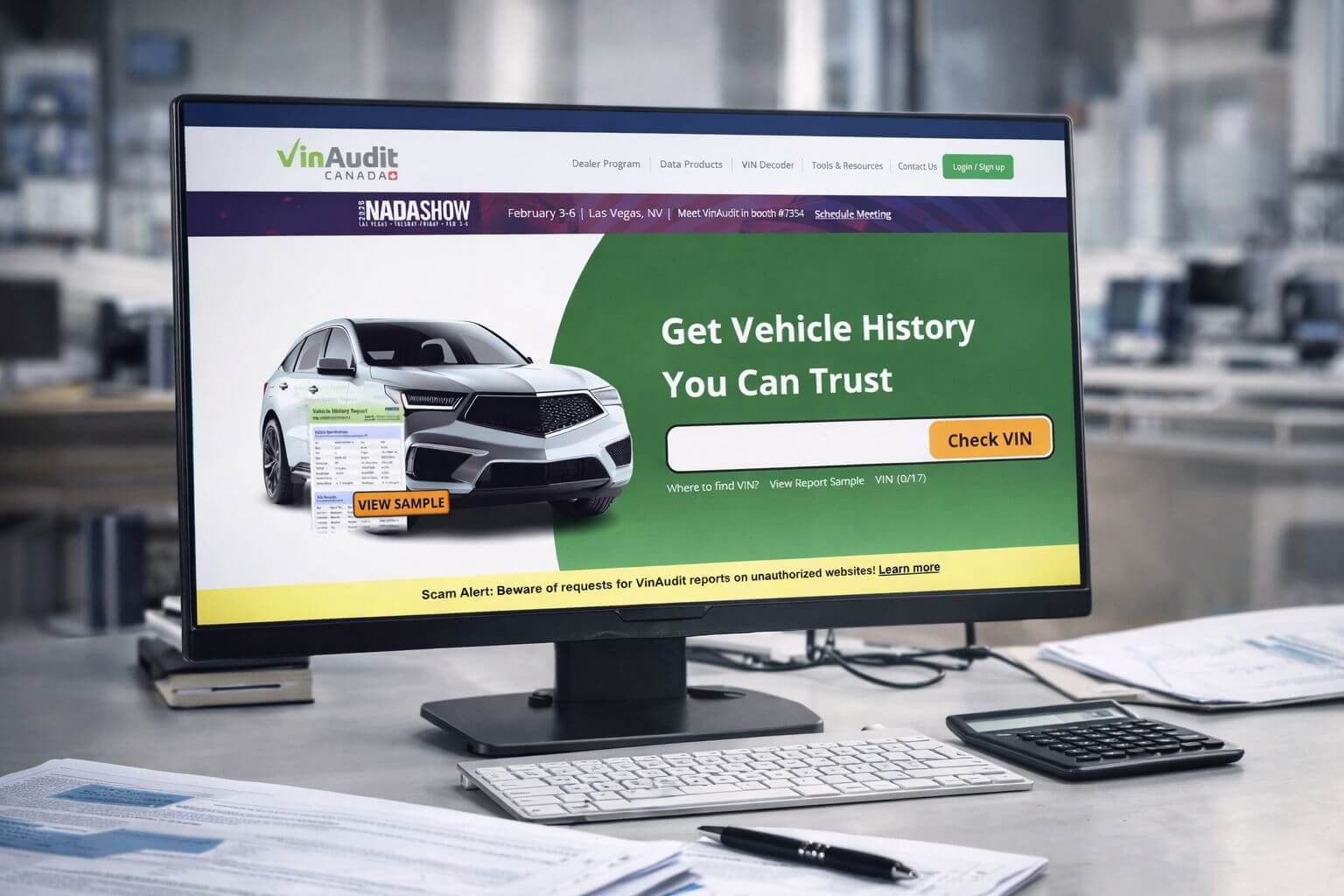
When you’re comparing options, the practical goal is the same: use the VIN to verify the car’s identity and reduce surprises before you commit to a purchase.