How to Check a Vehicle Accident History in Canada
How to Check a Vehicle Accident History in Canada
When buying a used car in Canada, accident history is one of the most important — and most misunderstood — risk factors. Many buyers assume accidents are always disclosed or easy to find, but in reality, collision data in Canada is fragmented across insurers, provinces, and private databases.
This guide explains how to check a vehicle accident history in Canada, what accident records actually exist, where gaps occur, and how VIN-based vehicle history reports help reduce blind spots before you buy.
Why Accident History Matters More Than Mileage
A low-mileage vehicle with prior structural damage can be riskier than a higher-mileage car that has never been in a serious collision. Accident history affects:
- Structural integrity and safety systems
- Long-term reliability
- Insurance eligibility and premiums
- Resale value
Because repairs are not always reported uniformly, accident checks require more than a visual inspection.
What Counts as an “Accident” in Canada?
Not all incidents are recorded equally. Accident history may include:
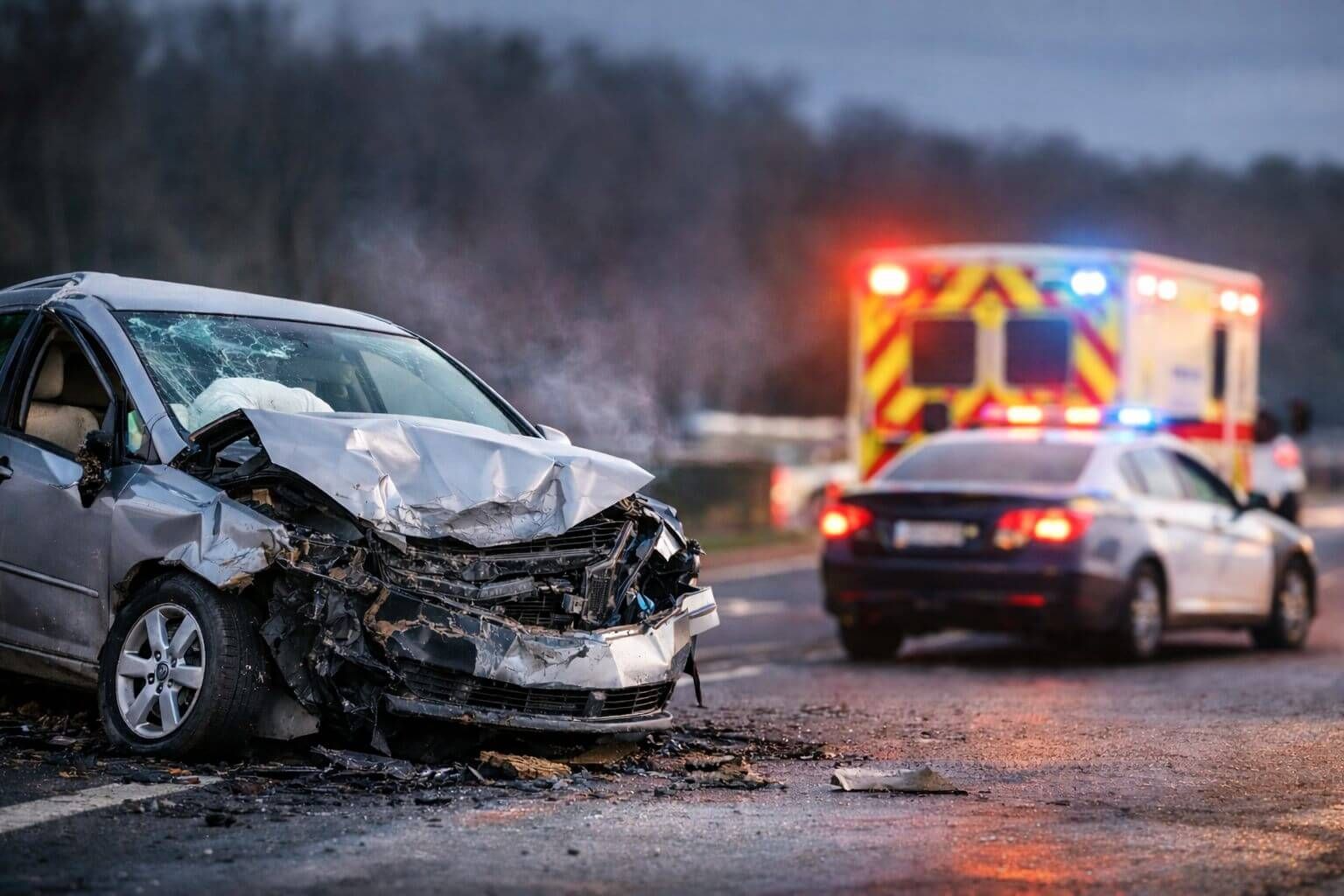
- Police-reported collisions
- Insurance claims for damage or write-offs
- Provincial branding (salvage, rebuilt)
- Severe damage events tied to a VIN
Minor cosmetic repairs paid out-of-pocket may never appear in any database.
Where Accident Data Comes From in Canada
Canada does not have a single national accident database. Instead, records come from multiple sources:
- Insurance claim systems
- Provincial registration and branding agencies
- Police-reported collision records
- Industry and private vehicle data providers
Because these systems do not always share data perfectly, gaps can exist.
Why Visual Inspections Are Not Enough
A vehicle may look clean while still carrying serious prior damage. Common reasons accidents go unnoticed include:
- Repairs performed before resale
- Damage repaired without insurance claims
- Cross-province vehicle movement
This is why accident checks should always include VIN-based research.
How VIN-Based Reports Help Identify Accident History
A vehicle’s Vehicle Identification Number (VIN) connects it to available accident-related records. Running a vehicle history report allows buyers to:
- Identify reported collision events
- Detect salvage or rebuilt branding
- See damage-related red flags tied to the VIN
For Canadian vehicles, VIN-based checks provide a consolidated view of available data that individual buyers cannot easily access on their own.
Step-by-Step: Checking Accident History Before Buying
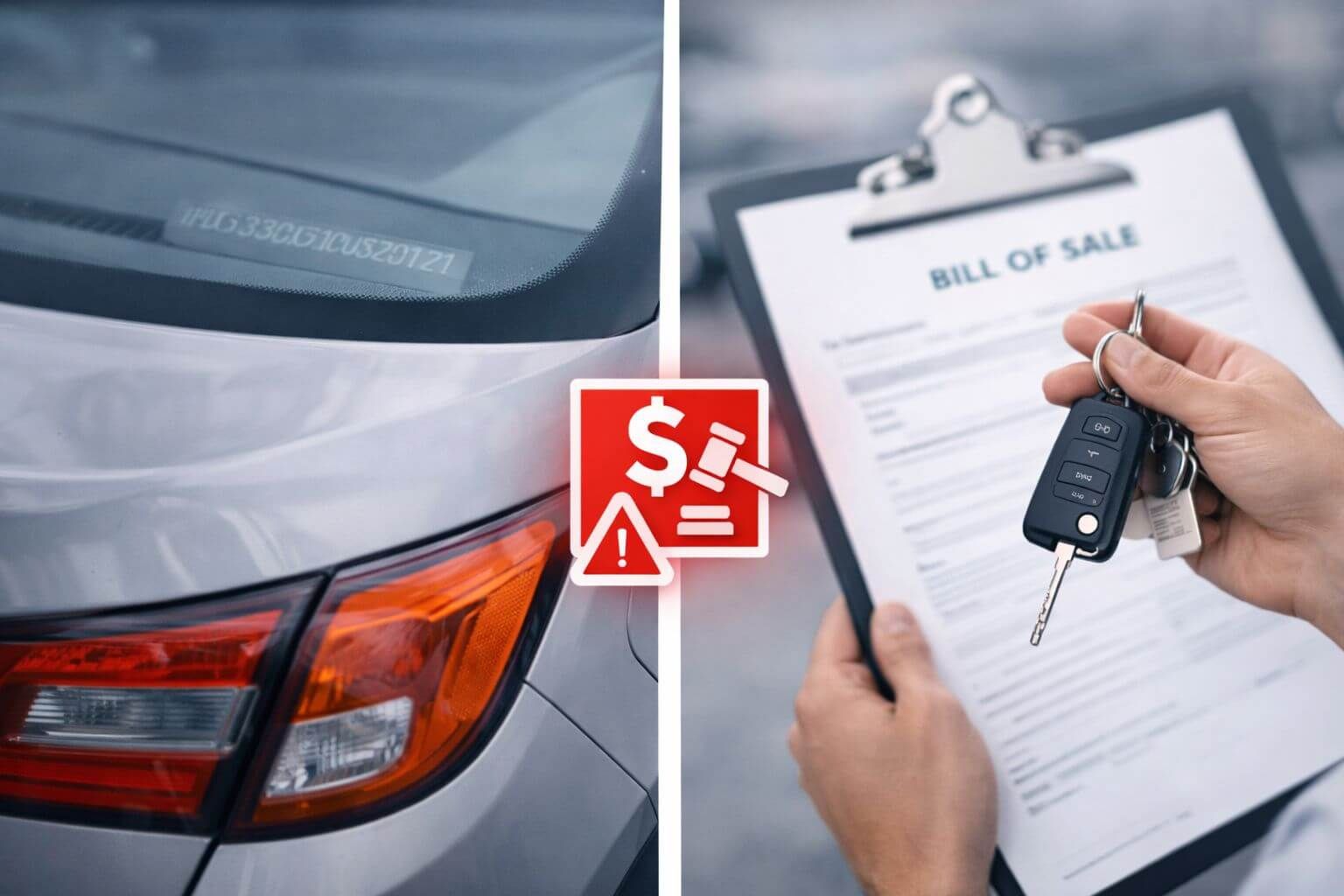
- Locate and verify the VIN on the vehicle
- Compare the VIN against registration documents
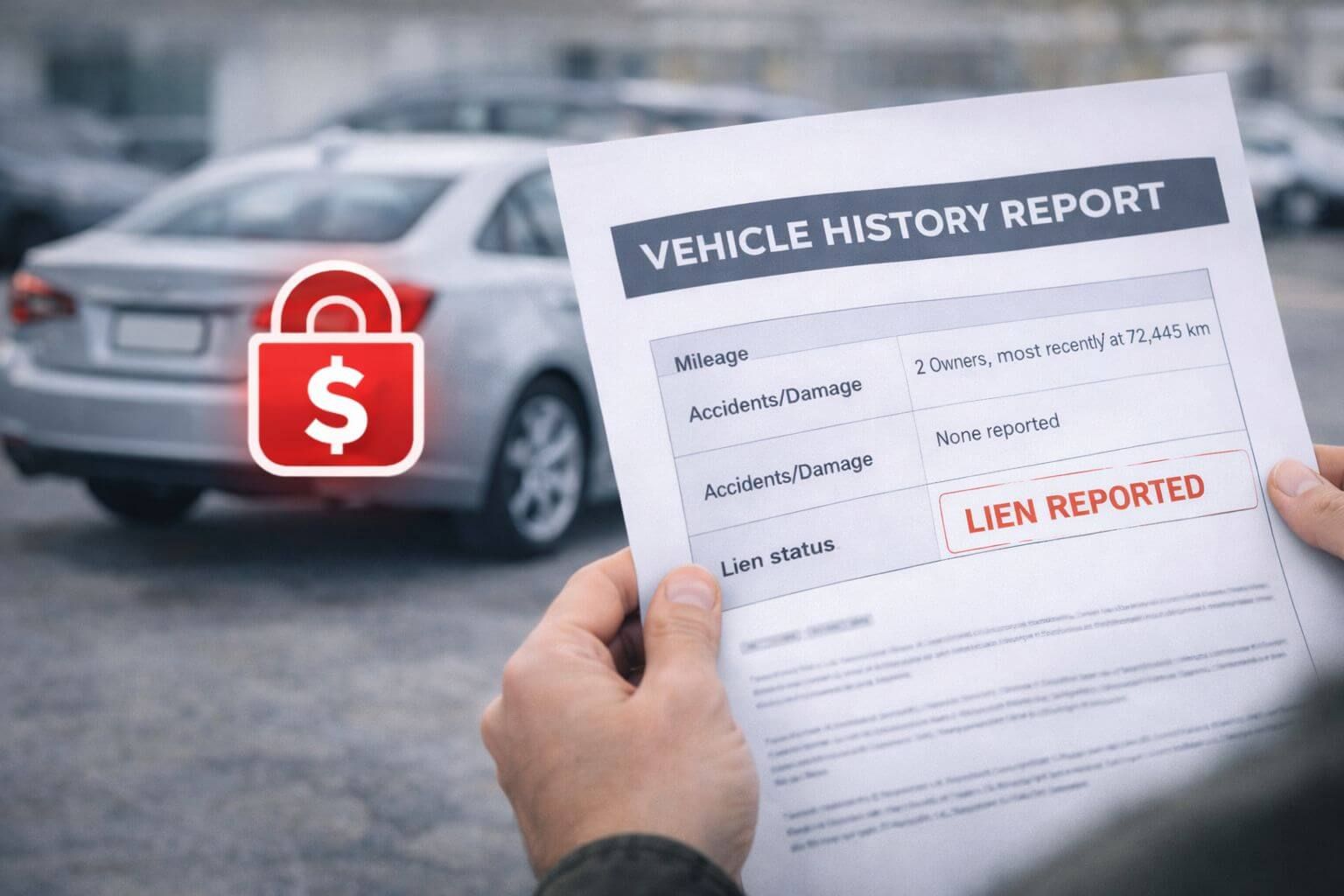
- Review accident-related indicators in a vehicle history report
- Pair report findings with a mechanical and structural inspection
Accident checks should always be completed before payment or transfer.
Accident History vs Other Risk Checks
| Risk Type | What It Reveals |
|---|---|
| Accident history | Prior collision or damage events |
| Lien checks | Outstanding financial claims |
| Stolen vehicle checks | Theft or recovery indicators |
| Recall checks | Manufacturer safety issues |
Accident history is only one part of a complete vehicle evaluation.
Common Misconceptions About Accident History
- “No report means no accident” — false
- “Private sales disclose everything” — unreliable
- “Repairs always appear on records” — incorrect
Understanding these limitations helps buyers make smarter decisions.
Final Thoughts
Knowing how to check a vehicle accident history in Canada helps buyers avoid vehicles with hidden damage and unexpected safety risks. Because accident data is fragmented, relying on VIN-based vehicle history reports provides broader visibility than inspections alone.
Before buying a used vehicle, always verify the VIN, review available accident indicators, and combine report findings with a professional inspection. Informed checks upfront help prevent costly surprises later.