RV VIN Red Flags That Signal Expensive Repairs
RV VIN Red Flags That Signal Expensive Repairs
When shopping for a used RV or motorhome, cosmetic issues often get the most attention. However, some of the most expensive problems are linked to subtle VIN-related red flags that many buyers overlook.
This guide explains RV VIN red flags that signal expensive repairs, how to spot them early, and why VIN verification is a critical step before buying an RV or camper in Canada.
Why VIN Red Flags Matter for RV Buyers
RVs are complex vehicles built on commercial chassis. When VIN-related issues appear, they often point to deeper mechanical, structural, or legal problems that can be extremely costly to fix.
Ignoring VIN warning signs may lead to:
- Major drivetrain or engine repairs
- Safety recall complications
- Registration or insurance problems
- Significant loss in resale value
Red Flag 1: VIN Does Not Match Registration or Insurance Documents
A mismatch between the VIN on the RV and the VIN on paperwork is one of the most serious warning signs.
Possible causes include:
- Clerical errors from previous transfers
- Misidentified chassis VIN vs coach serial number
- Attempts to hide the RV’s true identity
VIN mismatches should always be resolved before proceeding.
Red Flag 2: Conflicting Model Year Claims
RVs often have two “years” associated with them:
- Chassis model year (VIN-based)
- Coach or marketing year
If sellers advertise a newer year than the VIN confirms, buyers may be overpaying and exposing themselves to outdated recalls or emissions standards.
Red Flag 3: Altered or Tampered VIN Plates
VIN tampering is rare but extremely serious. Be cautious if you notice:
- Grinding or sanding marks around the VIN
- Uneven or misaligned characters
- Fresh paint or welds near the VIN plate
These signs often indicate theft or major frame work.
Red Flag 4: VIN Reveals a Different Chassis Than Advertised
VIN decoding may reveal that the RV is built on a different chassis platform than claimed.
| Seller Claim | VIN-Based Finding |
|---|---|
| Heavy-duty commercial chassis | Light-duty platform |
| Diesel engine | Gasoline engine |
| High towing capacity | Lower-rated chassis |
Chassis mismatches can dramatically affect performance and repair costs.
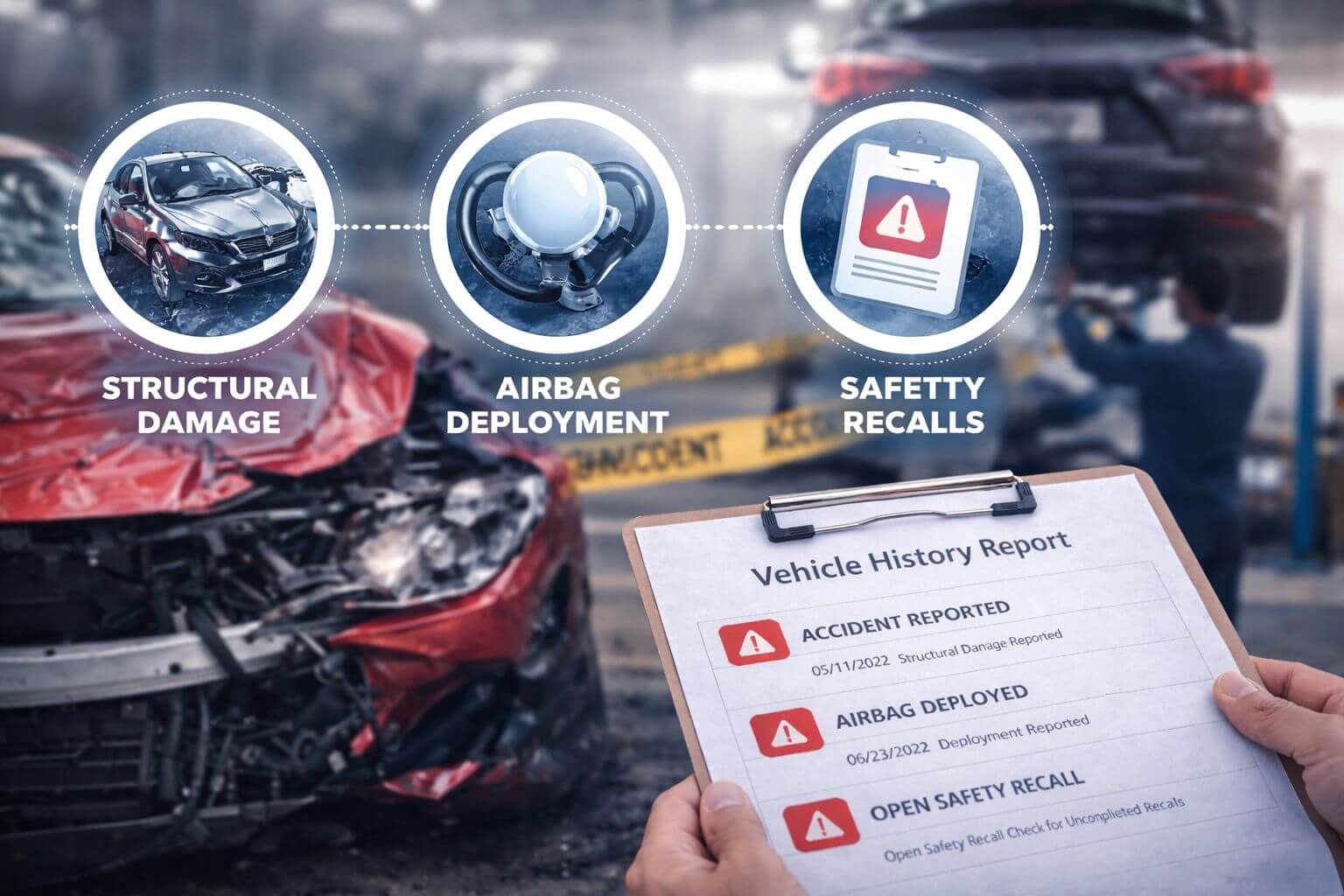
Red Flag 5: Open or Unresolved Safety Recalls
Many safety recalls apply specifically to certain VIN ranges. An RV with unresolved recalls may:
- Require immediate repairs
- Be unsafe to operate
- Face registration or insurance delays
Running an RV VIN check helps identify VIN-based recall concerns.
Red Flag 6: Missing or Unreadable VIN
An RV with a missing or unreadable VIN can be extremely difficult to insure or register.
Common causes include:
- Corrosion or damage to VIN plates
- Frame modifications
- Intentional VIN removal
In most cases, walking away is the safest choice.
VIN Red Flags vs Acceptable Wear
| VIN Issue | Risk Level |
|---|---|
| Minor corrosion, readable VIN | Low with verification |
| VIN mismatch | Very high |
| Altered VIN | Extremely high |
| Missing VIN | Extremely high |
Understanding the difference helps buyers avoid unnecessary risk.
Final Thoughts
Understanding RV VIN red flags that signal expensive repairs helps buyers identify serious risks before committing to a purchase. VIN-related issues are rarely minor and often point to deeper mechanical or legal problems.
Before buying a used RV or camper, inspect the VIN carefully and verify it using an RV-specific VIN check. Identifying red flags early can prevent costly surprises later.