Theft-Recovered Vehicles: What Buyers Should Know Before Paying
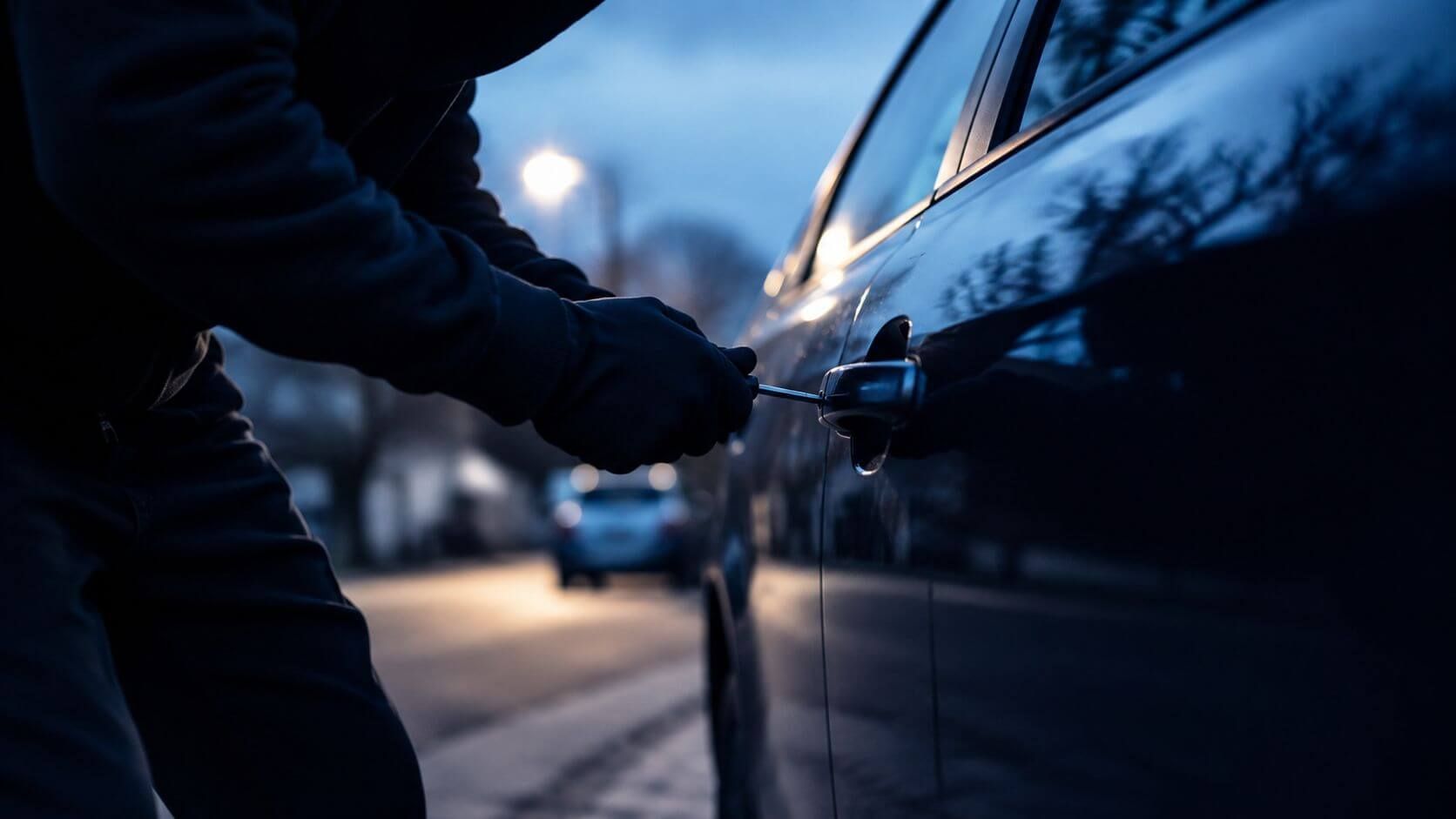
A theft-recovered vehicle is a car, truck, SUV, motorcycle, trailer, or other vehicle that was reported stolen and later found. It may be returned in good condition, damaged, stripped, vandalized, re-keyed, repaired, written off by an insurer, or sold through an auction or dealer. For buyers in Canada, the important question is not only “Was it recovered?” but “What happened between the theft and the recovery?”
A recovered stolen vehicle can sometimes be a reasonable purchase if the history is fully disclosed, the title status is clear, the repairs are documented, the vehicle passes inspection, and the price reflects the risk. But it can also become a costly mistake if the theft history is hidden, the VIN has problems, the vehicle was damaged during the theft, or the paperwork does not clearly show that it can be legally registered and insured.
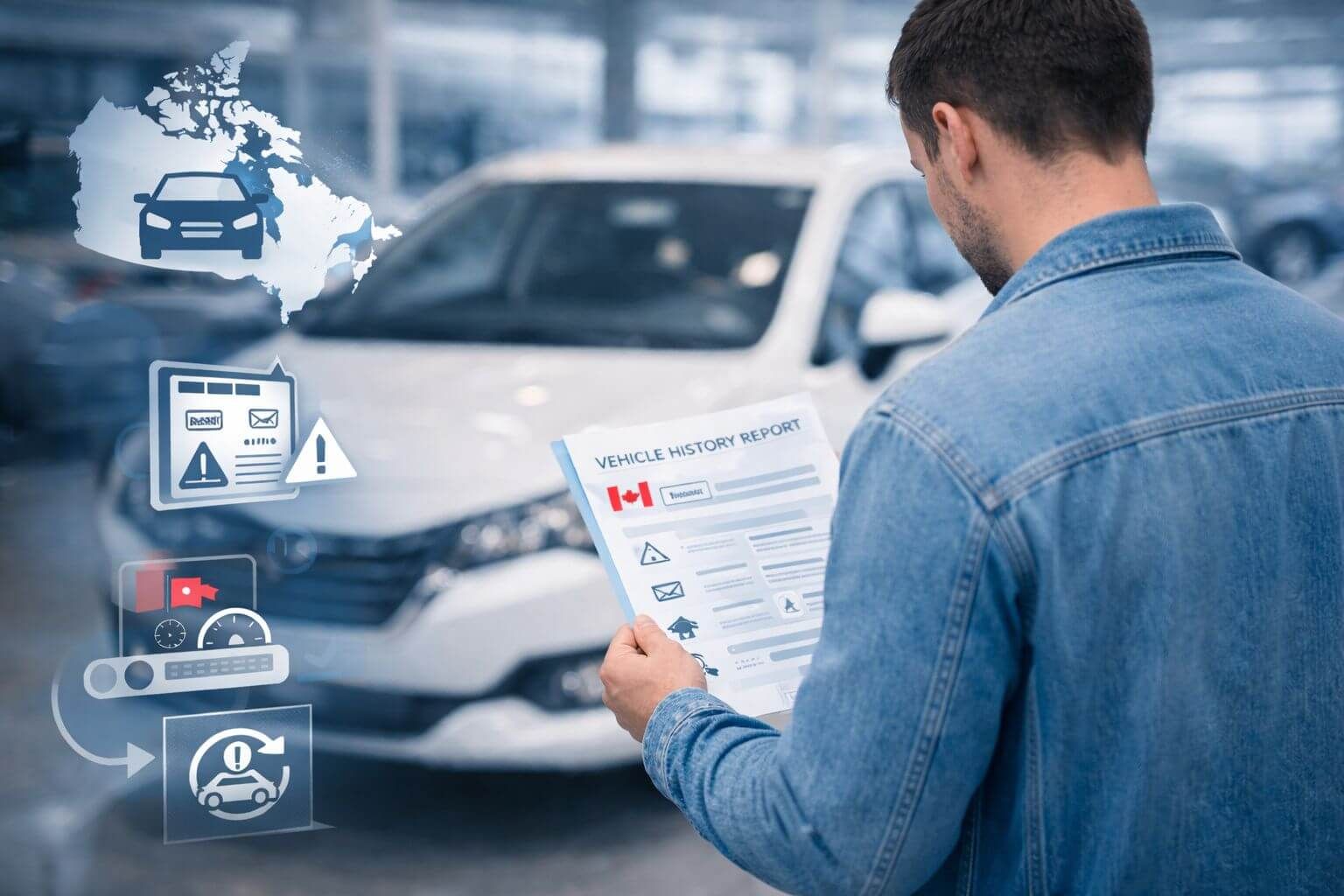
Before paying, review the vehicle history, run a stolen vehicle VIN check, compare the VIN on the car with the paperwork, and inspect the vehicle carefully for theft-related damage.
What does “theft-recovered” mean?
A theft-recovered vehicle is a vehicle that was reported stolen and later recovered by police, an insurer, a towing company, a storage yard, or another party. The recovery does not automatically tell you the condition of the vehicle.
A recovered vehicle may have:
- No major visible damage
- Broken windows or damaged locks
- Missing keys
- Replaced ignition components
- Damaged steering column
- Missing wheels, catalytic converter, airbags, or electronics
- Interior damage
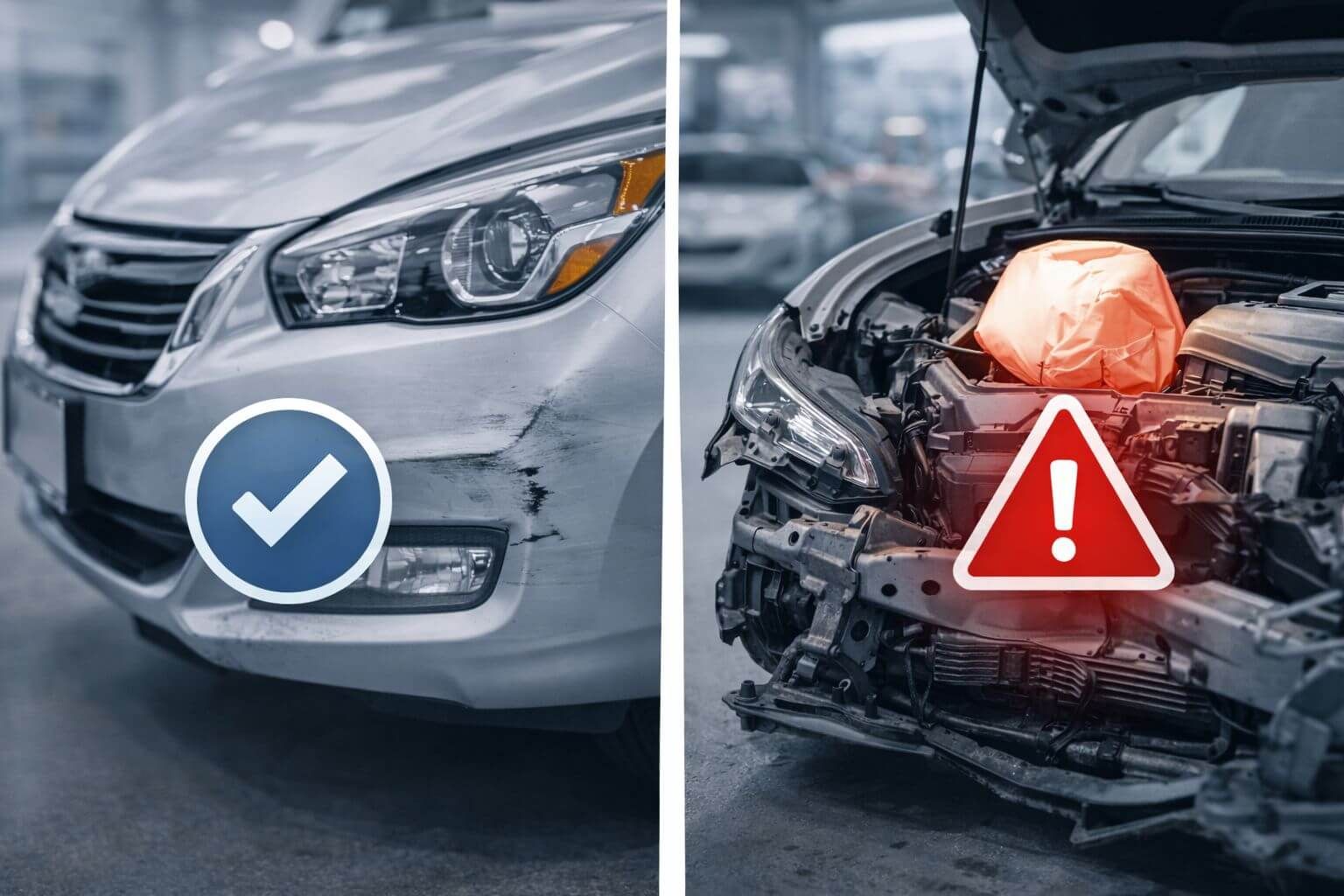
- Body damage from joyriding or collision
- Flood or weather exposure after abandonment
- Tampered VIN labels
- Insurance write-off history
- Salvage or rebuilt branding
- Unresolved police or ownership issues
The word “recovered” can sound reassuring, but recovery is only one part of the story. Buyers need to know what was damaged, what was repaired, who owned it after recovery, and whether the vehicle’s legal status is clean.
Why theft recovery matters to used car buyers
Theft history can affect value, safety, registration, insurance, warranty, resale, and buyer confidence. Even if the vehicle looks clean, the theft event may have caused damage that is easy to overlook during a short test drive.
Theft-recovered vehicles can carry risk because thieves may damage systems that are expensive to repair, including keys, immobilizers, ignition components, wiring, electronics, airbag systems, locks, windows, sensors, wheels, tires, and catalytic converters.
A buyer should also consider stigma. Some future buyers may be cautious if the vehicle history shows theft recovery, even if repairs were completed properly. That can affect resale value later.
Theft-recovered does not always mean stolen now
A vehicle can have a past theft record and still be legally available for sale today. The key is whether the stolen status has been cleared, the rightful owner or insurer has legal title, and the vehicle can be transferred properly.
Do not panic just because a vehicle history report shows a theft record. Instead, ask:
- Was the vehicle recovered?
- When was it recovered?
- Who owned it after recovery?
- Was an insurance claim paid?
- Was it declared a total loss?
- Was it branded salvage, rebuilt, or irreparable?
- Were repairs completed?
- Can it be registered and insured?
- Does the seller have proper ownership documents?
A theft-recovered vehicle can be legitimate, but the records should explain the timeline clearly.
Start with the VIN
The VIN is the most important identifier in a theft-recovered vehicle review. Before inspecting the car, ask for the VIN and check it against available records. During the inspection, compare the VIN in multiple places.
Check the VIN on:
- Dashboard VIN plate
- Driver-side door label
- Registration or ownership documents
- Bill of sale
- Insurance or auction documents
- Service records
- Vehicle history report
- Other manufacturer labels where visible
Every digit should match. If the VIN is missing, altered, scratched, covered, mismatched, or hard to read, stop the transaction.
Ontario’s official used-vehicle guidance warns buyers to physically inspect the VIN to ensure the paperwork matches and has not been altered. It also warns that stolen vehicles may show discrepancies in vehicle history, such as wrong colour or wrong odometer readings. Buyers can review Ontario’s official guide to buying or selling a used vehicle.
Use official stolen vehicle resources
The Canadian Police Information Centre allows the public to search motor vehicles that have been reported stolen, including autos, trucks, vans, SUVs, motorcycles, snowmobiles, farm vehicles, heavy equipment, trailers, and ATVs. CPIC states that if a search returns a positive result, the user should contact local police to confirm the information and ask for assistance.
Before buying, search the VIN through the official Canadian Police Information Centre vehicle search. This should not be your only check, but it is an important step when theft history is a concern.
If a seller pushes you to ignore a stolen-vehicle result, do not proceed. Contact local police and verify the information first.
Review the vehicle history timeline
A theft-recovered vehicle should be reviewed as a timeline. Do not look only for one label or one record. You want to understand the sequence of events.
Look for:
- Date of theft report
- Date of recovery
- Registration history before and after theft
- Insurance claim or total loss record
- Title branding
- Auction or salvage sale
- Repair history
- Odometer readings
- Province or jurisdiction changes
- Ownership transfers
- Any gaps or inconsistencies
If you are unsure where to start, review the guide to vehicle report sections so you can check title, theft, accident, odometer, registration, and other sections in the right order.
The timeline should make sense. For example, a vehicle reported stolen, recovered, repaired, inspected, and then sold with proper paperwork is very different from a vehicle with an active stolen record, unclear ownership, and mismatched VIN details.
Check whether the theft record is active or historical
This distinction is critical. An active stolen record means the vehicle may still be reported stolen. A historical theft record means the theft was previously reported and later resolved or recovered.
A buyer should not buy, transport, register, or attempt to insure a vehicle with an unresolved stolen status. If any source suggests the vehicle may still be stolen, contact local police before taking further steps.
Ask the seller:
- Was the vehicle ever reported stolen?
- Was it recovered?
- Is the stolen status cleared?
- Can you provide proof of recovery or ownership?
- Was an insurer involved?
- Was a police report filed?
- Was the vehicle branded after recovery?
- Can the vehicle be registered today?
A legitimate seller should be able to explain the theft history clearly.
Theft recovery and title branding
Theft recovery may or may not lead to title branding. If the vehicle was recovered quickly with little damage, it may remain unbranded. If it was damaged, stripped, written off, or sold through an insurer, it may receive a salvage, rebuilt, or other brand depending on the province and situation.
Title branding matters because it can affect registration, insurance, warranty, financing, and resale value.
Check for:
- Clean title
- Salvage brand
- Rebuilt brand
- Irreparable or non-repairable status
- Previous total loss
- Structural damage
- Flood or fire damage
- Out-of-province branding differences
Do not assume that “theft recovery” is the only issue. A stolen vehicle may also have accident, vandalism, flood, or salvage history.
Theft-related damage buyers often miss
Theft damage is not always obvious. Some stolen vehicles are damaged in ways that are easy to hide temporarily.
Inspect carefully for:
Ignition and steering column damage
Older theft methods often involve ignition damage or steering column tampering. Look for loose trim, broken plastic, non-factory parts, unusual key behaviour, or signs that components were replaced.
Key and immobilizer issues
Ask how many keys come with the vehicle. Missing keys may not be unusual, but in a theft recovery, key programming and immobilizer history matter. Make sure the key fobs, remote start, locks, alarm, and immobilizer work correctly.
Lock and window damage
Check door locks, trunk locks, window seals, glass replacement marks, and weather stripping. A broken window may have been replaced, but water, glass fragments, and interior damage may remain.
Wiring and electronic damage
Thieves may damage wiring when stealing or stripping the vehicle. Test all electrical systems and ask a mechanic to scan for diagnostic trouble codes.
Missing parts
Look for missing catalytic converters, airbags, wheels, sensors, cameras, infotainment components, trim pieces, tools, spare tire, or charging equipment in EVs and plug-in hybrids.
Interior damage
Check seat belts, dashboard, console, steering wheel, carpets, trunk, and rear seats. Theft recovery can involve vandalism, smoking, spills, odours, or rough use.
Check for collision damage after theft
Some stolen vehicles are recovered after joyriding, police pursuit, off-road use, collision, or abandonment. Do not focus only on locks and keys. Check the entire vehicle for impact damage.
Look for:
- Paint mismatch
- Uneven panel gaps
- Replaced bumpers
- Damaged wheels
- Bent suspension components
- Pulling during test drive
- Airbag warning lights
- New headlights or taillights
- Undercarriage damage
- Frame or structural repairs
A theft-recovered vehicle with collision damage needs a more detailed inspection and stronger documentation.
Confirm the seller has legal ownership
A theft-recovered vehicle can pass through several hands: original owner, insurer, auction, rebuilder, dealer, and final seller. That chain should be documented.
Before paying, confirm:
- Seller’s name matches ownership documents
- VIN matches ownership documents
- Bill of sale is complete
- Any salvage or rebuilt paperwork is available
- Lien status is clear
- Insurance or auction documents support the history
- Transfer requirements can be completed in your province
Do not buy from a seller who says the paperwork will be “fixed later.” Theft recovery already adds complexity. The documents should be clear before payment.
Insurance concerns
Insurance can be more complicated for theft-recovered vehicles, especially if the vehicle was branded, rebuilt, or repaired after major damage. Some insurers may require inspection. Some may limit coverage. Some may treat theft-recovered history as a risk factor.
Before buying, call your insurer with the VIN and ask:
- Can this vehicle be insured?
- Does theft-recovered history affect coverage?
- Does title branding affect coverage?
- Is a safety or structural inspection required?
- Will comprehensive coverage be available?
- Will the premium be affected?
- Are there restrictions if the vehicle was rebuilt?
- Is anti-theft equipment required?
Do not wait until after purchase to discover that insurance is difficult or expensive.
Warranty and financing concerns
Theft recovery can also affect warranty and financing. A factory warranty may remain valid if the vehicle was not branded and repairs were proper, but coverage may be limited if damage, salvage branding, improper repairs, or tampering caused the failure.
Financing may also be harder if the vehicle has branded title history or unclear value.
Before buying, check:
- Warranty status
- Whether theft damage affects warranty coverage
- Whether branded title affects warranty
- Whether lender will finance the vehicle
- Whether the vehicle’s appraised value reflects theft history
- Whether repairs were done by qualified shops
- Whether OEM parts were used
A theft-recovered vehicle may be cheaper upfront, but warranty and financing limitations can reduce its real value.
Ask for repair documentation
A seller should provide documentation for theft-related repairs. If the vehicle was recovered with damage, ask who repaired it, what parts were replaced, and whether the repairs were inspected.
Request:
- Repair invoices
- Insurance estimate
- Police or recovery documentation, if available
- Auction disclosure, if applicable
- Parts receipts
- Key and immobilizer programming records
- Glass replacement records
- Airbag or safety-system records
- Inspection certificates
- Photos before repair, if available
Repair documents help you understand whether the theft recovery was minor or serious.
Have the vehicle inspected before paying
A theft-recovered vehicle deserves an independent inspection. Ask the mechanic to look beyond normal wear.
The inspection should check:
- VIN labels and signs of tampering
- Steering column
- Ignition or push-button start system
- Key fobs and immobilizer
- Door locks and trunk locks
- Alarm system
- Diagnostic trouble codes
- Airbag system
- Electrical systems
- Collision repair signs
- Undercarriage damage
- Missing parts
- Water intrusion
- Rust or structural concerns
- Tire and wheel damage
- Suspension and alignment
If the seller refuses inspection, walk away.
Questions to ask before buying
Ask the seller these questions and get important answers in writing:
- Was the vehicle ever reported stolen?
- When was it recovered?
- Is the stolen status fully cleared?
- Was there an insurance claim?
- Was the vehicle declared a total loss?
- Does it have any title brand?
- What damage occurred during the theft?
- What parts were replaced?
- Are repair invoices available?
- Were keys, locks, or immobilizer components replaced?
- Are all keys included?
- Can I check the VIN through official resources?
- Can I have the vehicle inspected by my mechanic?
- Can it be registered and insured in my province?
A clear history should be easy to explain. A seller who avoids these questions may be hiding risk.
Red flags that should make you pause
Be careful if:
- The stolen status appears active.
- The seller says not to check with police.
- The VIN does not match documents.
- VIN labels look altered.
- Ownership documents are incomplete.
- The seller cannot explain the theft timeline.
- There are missing keys or lock problems.
- Warning lights are present.
- Repair records are missing.
- The vehicle was branded salvage or rebuilt but priced like a clean-title car.
- The seller refuses an inspection.
- The price is far below market with no clear explanation.
- Insurance cannot be confirmed.
One red flag may be explainable. Several together should stop the purchase.
When a theft-recovered vehicle can make sense
A theft-recovered vehicle may be worth considering if:
- The theft history is fully disclosed.
- The stolen status is cleared.
- The VIN and documents match.
- The title status is clear.
- Repairs are documented.
- Inspection results are good.
- Insurance is available.
- Warranty issues are understood.
- The price reflects the history.
- You are comfortable with possible resale impact.
The best theft-recovered purchase is one where the story, records, condition, and price all line up.
When to walk away
Walk away if:
- The vehicle may still be reported stolen.
- The seller cannot prove ownership.
- The VIN has been altered or does not match.
- The vehicle has unclear title branding.
- Theft damage was repaired with no records.
- The car has electrical, airbag, or immobilizer problems.
- Insurance is unavailable or unclear.
- The seller pressures you to pay before verification.
- The deal depends on trusting a vague explanation.
A theft-recovered vehicle is already a higher-diligence purchase. If the seller makes verification difficult, the risk is too high.
Theft-recovered vehicle buyer checklist
Before paying, confirm:
- VIN has been checked.
- VIN matches all documents and vehicle labels.
- CPIC or official stolen-vehicle search has been reviewed.
- Stolen status is not active.
- Theft recovery timeline makes sense.
- Ownership documents are clear.
- Title branding is understood.
- Repair records are available.
- Key, lock, and immobilizer systems work.
- Electrical systems have been tested.
- Accident or damage history has been reviewed.
- Insurance availability is confirmed.
- Warranty and financing concerns are checked.
- Independent inspection is complete.
- Price reflects theft-recovered history.
- All seller statements are written into the sale documents where relevant.
If any item is unclear, pause the transaction.
Final thoughts
A theft-recovered vehicle in Canada is not automatically a bad buy, but it should never be treated like a normal clean-history vehicle without verification. Theft recovery can involve hidden damage, missing parts, title branding, insurance issues, VIN concerns, and resale stigma.
Before paying, check the VIN, review the vehicle history, use official stolen-vehicle resources, confirm the stolen status is cleared, inspect the car carefully, and verify that the seller can legally transfer ownership.
The safest theft-recovered vehicle is one with a clear timeline, complete documents, proper repairs, clean registration status, and a price that reflects the history. If the vehicle, seller, and records do not tell the same story, walk away.