Buying a Former Rental, Taxi, or Fleet Vehicle: What Prior Use Means

Buying a former rental, taxi, or fleet vehicle in Canada can be a good deal when the vehicle was maintained properly, priced fairly, and fully disclosed. But prior use matters. A car used by many rental customers, driven daily as a taxi, or operated as part of a business fleet may have a very different wear pattern than a privately owned commuter vehicle with similar mileage.
The key is not to reject every former rental or fleet vehicle automatically. The smarter approach is to understand how the vehicle was used, compare that use against mileage and condition, review the vehicle history, inspect the car carefully, and make sure the price reflects the added risk.
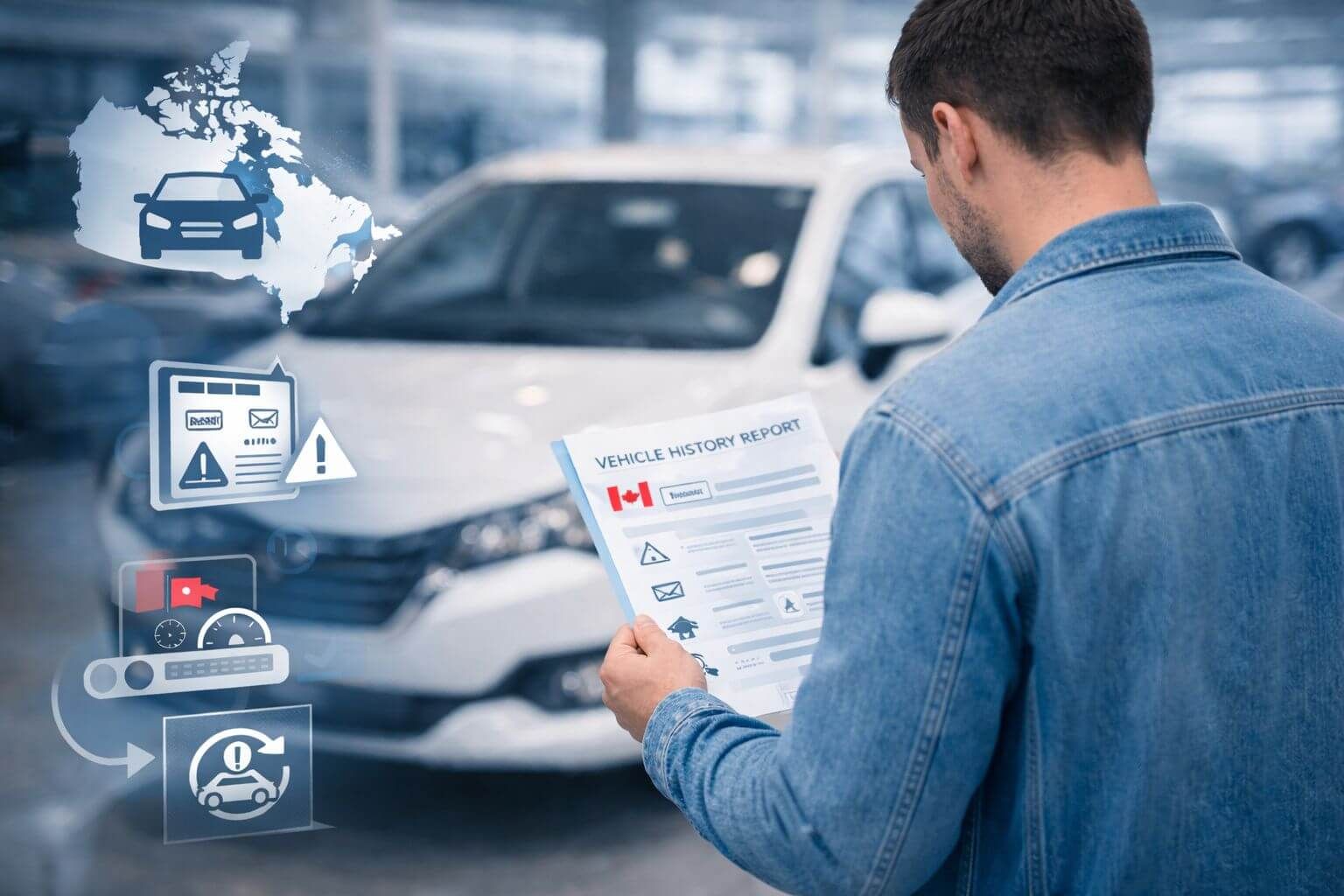
A vehicle’s previous use can affect brakes, suspension, interior wear, engine hours, idling time, accident risk, resale value, warranty coverage, and long-term maintenance costs. Before buying, review the available records in a Canadian VIN report and pay close attention to the sections that show ownership, registration, title, odometer, accident, and use-related records.
Why prior use matters
Two vehicles can have the same mileage but very different histories. A privately owned car with 90,000 kilometres may have been driven mostly on highways by one owner. A former taxi with 90,000 kilometres may have spent far more time idling, braking, accelerating, loading passengers, and operating in stop-and-go city traffic. A former rental may have had many short-term drivers. A fleet vehicle may have been maintained on a strict schedule, but also used hard for work.
Prior use helps buyers estimate:
- How the car was driven
- How often it was maintained
- Whether wear matches the odometer
- Whether the price is fair
- Whether resale value may be affected
- Whether there are disclosure concerns
- Whether extra inspection is needed
- Whether the vehicle fits the buyer’s risk tolerance
A prior-use label should not be ignored. It should guide your inspection.
Is a former rental car a bad buy?
A former rental car is not automatically bad. Rental companies often maintain vehicles on regular schedules because downtime costs money. Many rental vehicles are also sold after only a few years. That can make them attractive to buyers looking for newer cars at lower prices.
The risk is that rental cars may have had many drivers with different habits. Some drivers treat rentals carefully. Others accelerate hard, brake aggressively, ignore warning lights, drive on poor roads, or treat the vehicle as temporary transportation. Rental vehicles may also have more cosmetic wear, curb rash, interior stains, windshield chips, or minor repairs.
When checking a former rental, focus on whether the condition and records support the price.
Look closely at:
- Tire wear
- Brake condition
- Wheel damage
- Interior wear
- Paint and bumper repairs
- Service records
- Accident history
- Odometer timeline
- Warranty status
- Whether the vehicle was later privately owned
In Ontario, OMVIC’s mandatory disclosure guidance states that dealers must disclose if a used vehicle was previously rented or leased on a daily basis, unless it was later owned by someone who was not a registered dealer. Buyers can review OMVIC’s official mandatory disclosure guidance for details.
What about former taxi or limousine vehicles?
A former taxi or limousine deserves extra scrutiny because the vehicle may have been used commercially for long hours, heavy passenger loading, city traffic, and frequent stop-start driving. Even when the odometer looks reasonable, total operating time may be high because taxis can spend many hours idling.
Taxi or limousine use can affect:
- Engine wear from extended idling
- Transmission wear from city driving
- Brake wear
- Suspension wear
- Door and seat wear
- Interior trim and upholstery
- Air conditioning and heating systems
- Electrical systems
- Resale value
- Perceived reliability
A former taxi may be priced lower than a comparable private-use vehicle, but the discount should be meaningful. If the seller wants private-owner pricing for a commercial-use vehicle, negotiate carefully or walk away.
Former fleet vehicles: risk or opportunity?
Fleet vehicles can be a mixed category. Some fleet vehicles are well maintained because companies track service intervals and repair costs carefully. Others are work vehicles that carry loads, idle often, operate in harsh conditions, or are driven by multiple employees who do not personally own the vehicle.
A fleet vehicle could include:
- Company cars
- Delivery vehicles
- Government vehicles
- Utility vehicles
- Sales-representative vehicles
- Service vans
- Security vehicles
- Municipal vehicles
- Former police or emergency vehicles
- Rental or lease fleet units
A fleet history is not automatically negative. In some cases, a former corporate or government fleet vehicle may have strong maintenance records. But buyers should ask what kind of fleet it was. A lightly used executive fleet sedan is different from a former delivery vehicle or service van.
Former police or emergency vehicles
Former police, fire, ambulance, or emergency-service vehicles may have unique risks. They can have heavy idle time, hard acceleration, hard braking, specialized equipment installation, electrical modifications, holes from removed equipment, interior wear, and suspension stress.
Some may have been maintained very carefully. But the use case is demanding, so the inspection should be more detailed.
Check for:
- Evidence of removed equipment
- Extra wiring
- Holes in dashboard, roof, trunk, or console
- Heavy seat wear
- High idle hours, if available
- Brake and suspension condition
- Cooling system condition
- Electrical issues
- Unusual switches or blank panels
- Signs of hard use
OMVIC guidance includes prior police or emergency service use among disclosures that dealers must make where applicable. The Vehicle Sales Authority of British Columbia also states that dealers must disclose previous use, including taxi, emergency, rental, or lease use. Buyers in B.C. can review the VSA’s consumer guidance on vehicle-buying rights.
Prior use and disclosure rules
Disclosure rules vary by province and by seller type. A registered dealer may have legal disclosure duties that do not apply the same way to a private seller. That distinction matters.
In a dealer sale, prior use such as taxi, limousine, police, emergency, daily rental, rental, or lease use may need to be disclosed depending on the province and circumstances. In a private sale, buyers may have fewer formal protections and must do more verification themselves.
Do not rely only on verbal disclosure. If prior use matters to your decision, ask for it in writing on the bill of sale or purchase agreement.
Ask the seller:
- Was the vehicle ever used as a rental?
- Was it ever used as a taxi, limousine, or rideshare vehicle?
- Was it ever part of a fleet?
- Was it ever used by police, emergency services, delivery, security, or government?
- Was it ever used commercially?
- Are there service records from the fleet operator?
- Has the vehicle been modified or returned to stock?
- Is the prior use reflected in the history report or registration records?
A seller who gives vague answers should not be treated as a reliable source.
How prior use may appear in a vehicle history report
A vehicle history report may help identify ownership, registration, title, odometer, accident, and use-related clues. Prior use may not always appear clearly, but the report can still help you spot patterns.
When reviewing the report, check:
- Number of owners
- Registration locations
- Commercial registration indicators
- Rental or fleet records, if available
- Odometer readings
- Accident or damage records
- Title branding
- Auction or sale events
- Service or inspection records
- Gaps in registration history
- Rapid ownership changes
If you are unsure where to look, review the guide to vehicle report sections before interpreting the report. Prior-use clues often become clearer when you read the report as a timeline rather than as isolated sections.
Odometer readings may not tell the whole story
Mileage is important, but it may understate wear on a former taxi, fleet, police, or delivery vehicle. That is because commercial vehicles can spend a lot of time idling or operating at low speeds. The odometer may show distance, but it does not always show engine hours, stop-start cycles, passenger loading, or hard use.
For commercial-use vehicles, ask whether engine hours are available. Some vehicles show idle hours or engine hours in the vehicle information display or diagnostic system. A mechanic may also be able to check certain data depending on the model.
A vehicle with moderate kilometres but very high idle hours may have more wear than the odometer suggests.
Inspect wear patterns carefully
Prior use often shows up in physical condition. Compare the vehicle’s age and mileage against what you see.
Check:
- Driver’s seat bolster wear
- Rear seat wear
- Door handles
- Seat belts
- Steering wheel
- Gear selector
- Pedals
- Floor mats
- Trunk or cargo area
- Headliner
- Dashboard holes or marks
- Wheel damage
- Brake wear
- Tire condition
- Suspension noise
- Interior rattles
Rental and fleet vehicles may have more cosmetic wear than privately owned cars. Former taxi or rideshare vehicles may show more rear-seat and door wear. Former work vehicles may show cargo-area damage, scratches, stains, and worn suspension components.
Watch for signs of removed commercial equipment
A former fleet, police, taxi, or service vehicle may have had equipment installed and later removed. Poor removal can leave electrical problems, leaks, holes, or interior damage.
Look for:
- Extra screw holes
- Cut wires
- Aftermarket switches
- Missing trim pieces
- Roof holes
- Antenna marks
- Trunk wiring
- Dashboard patches
- Console modifications
- Non-factory lighting
- Unusual battery drain
- Warning lights
A clean removal with proper repairs may be acceptable. A sloppy removal should lower your confidence.
Maintenance history is critical
Maintenance records can make or break a former rental, taxi, or fleet purchase. A prior-use vehicle with complete service records is much easier to evaluate than one with no paper trail.
Ask for:
- Oil change records
- Brake service
- Tire replacement history
- Transmission service
- Coolant service
- Suspension repairs
- Inspection records
- Fleet maintenance logs
- Warranty repair records
- Recall completion records
- Major repair invoices
Fleet vehicles may have detailed maintenance logs. If the seller cannot provide them, the vehicle may still be worth considering, but uncertainty should affect the price.
Accident and cosmetic repair risk
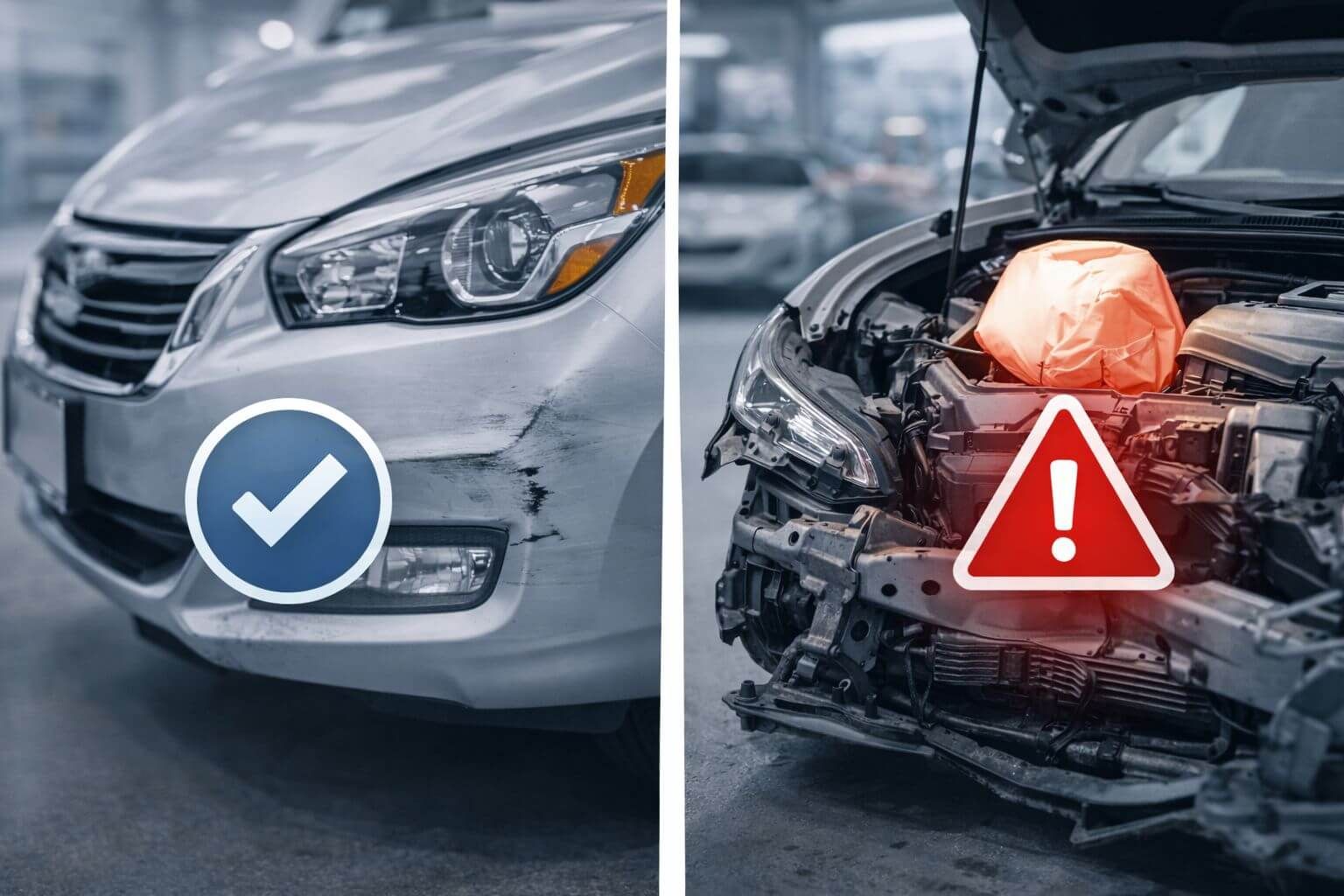
Rental and fleet vehicles may be repaired quickly to return them to service. Some repairs may be minor, but buyers should look for signs of bodywork, repainting, bumper repairs, windshield replacements, or structural damage.
Check for:
- Paint mismatch
- Overspray
- Uneven panel gaps
- Replaced headlights
- New bumper covers
- Windshield chips or replacements
- Door alignment issues
- Rust around repaired areas
- Prior airbag deployment
- Frame or structural repair concerns
Accident history does not automatically make a car a bad purchase, but the repair quality matters. If the vehicle has prior commercial use and accident history together, inspect more carefully.
Does prior use affect price?
Yes, prior use can affect value. Many buyers prefer privately owned vehicles, so former rental, taxi, fleet, police, or emergency vehicles may sell at a discount. The size of the discount depends on the vehicle type, age, mileage, condition, maintenance history, prior-use type, and market demand.
A former rental with low mileage and strong service records may deserve only a modest discount. A former taxi with high idle hours, heavy interior wear, and incomplete records should be priced much lower than a comparable private-use vehicle.
Before negotiating, compare the vehicle against similar listings and adjust for:
- Prior use
- Mileage
- Condition
- Service history
- Warranty status
- Accident history
- Tire and brake condition
- Interior wear
- Resale difficulty
- Inspection findings
Prior use should not be hidden in the price. It should be part of the negotiation.
Does prior use affect insurance or warranty?
It can. Some warranties, extended service contracts, or insurance policies may treat commercial use differently. A vehicle previously used as a taxi, rental, delivery, rideshare, fleet, or emergency vehicle may have exclusions, limitations, or different risk assumptions depending on the provider.
Before buying, confirm:
- Factory warranty status
- Extended warranty transferability
- Whether commercial use affects coverage
- Whether prior modifications affect coverage
- Whether title branding affects coverage
- Insurance availability
- Insurance cost
- Whether the vehicle’s registration history creates questions
Do not assume coverage. Confirm it by VIN before purchase.
Questions to ask before buying
Ask the seller these questions:
- Was the vehicle ever used as a rental?
- Was it ever used as a taxi, limousine, or rideshare vehicle?
- Was it ever part of a business, corporate, government, or municipal fleet?
- Was it ever used by police, fire, ambulance, security, delivery, or utility services?
- Are there fleet maintenance records?
- Are engine hours or idle hours available?
- Was any commercial equipment installed or removed?
- Has the vehicle had bodywork or repainting?
- Has it been in an accident?
- Are there complete service records?
- Is the warranty still valid?
- Can I have it inspected by my own mechanic?
Clear answers are good. Written answers are better.
Red flags that should make you pause
Be careful if:
- The seller avoids questions about prior use.
- The history report suggests commercial use but the seller denies it.
- The car has excessive interior wear for the mileage.
- The rear seats, doors, or trunk look heavily used.
- There are signs of removed equipment.
- The vehicle has high idle hours.
- Maintenance records are missing.
- The vehicle has accident history and poor repair signs.
- The price does not reflect prior use.
- The seller refuses an inspection.
- The VIN, registration, and report do not line up.
- The seller says “it was only a rental” as if that ends the discussion.
Prior use is not always a deal-breaker. Hidden prior use often is.
Inspection checklist for former rental, taxi, or fleet vehicles
Before buying, check:
- VIN and ownership records.
- Vehicle history report.
- Prior-use indicators.
- Registration history.
- Odometer timeline.
- Engine or idle hours, if available.
- Service records.
- Brake condition.
- Tire condition.
- Suspension wear.
- Interior wear.
- Rear seat and door wear.
- Cargo-area condition.
- Evidence of removed equipment.
- Accident and repair history.
- Warranty and insurance implications.
- Price compared with similar private-use vehicles.
- Independent inspection results.
If the vehicle was used commercially, inspection should be more detailed, not less.
When a former rental, taxi, or fleet vehicle can make sense
A prior-use vehicle may still be a good purchase when:
- The use is clearly disclosed.
- The price reflects the history.
- Maintenance records are strong.
- The inspection is clean.
- The odometer timeline is consistent.
- There are no major title or accident concerns.
- The vehicle fits your needs.
- Warranty and insurance are confirmed.
- You plan to keep it long enough that resale stigma matters less.
A former rental or fleet vehicle with transparent history and proper pricing can be a practical choice. The problem is not prior use by itself. The problem is undisclosed prior use, poor records, heavy wear, or a price that ignores risk.
When you should walk away
Walk away if:
- Prior use was hidden or misrepresented.
- The seller refuses to answer in writing.
- The vehicle history conflicts with the seller’s story.
- The vehicle shows heavy wear but is priced like a private-owner car.
- The inspection finds major drivetrain, structural, or electrical issues.
- There are signs of odometer inconsistency.
- Maintenance records are missing for a high-use vehicle.
- The vehicle has unresolved title, branding, lien, or registration concerns.
A risky vehicle can still look attractive if the price is low, but hidden history often costs more later.
Final thoughts
Buying a former rental, taxi, or fleet vehicle in Canada is not automatically a mistake. Some are well maintained, fairly priced, and perfectly usable. Others have hidden wear, commercial-use stress, incomplete records, or prior-use history that should have been disclosed more clearly.
The safest approach is to treat prior use as a signal for deeper due diligence. Review the vehicle history, check the report sections carefully, inspect wear patterns, ask for maintenance records, verify warranty and insurance, and get an independent inspection before paying.
A former rental, taxi, or fleet vehicle can be worth buying when the history is transparent and the price reflects the risk. If the story is unclear, the records are missing, or the seller avoids direct questions, the better decision may be to keep looking.