What a Trailer VIN Number Can Tell You
What a Trailer VIN Number Can Tell You
When buying a used trailer, sellers often describe size, capacity, and condition in broad terms. However, trailers can look similar while having very different specifications and legal requirements. The most reliable way to verify what a trailer actually is starts with its Vehicle Identification Number (VIN).
This guide explains what a trailer VIN number can tell you, how VIN decoding works for trailers, and why this information matters before buying.
What Is a Trailer VIN?
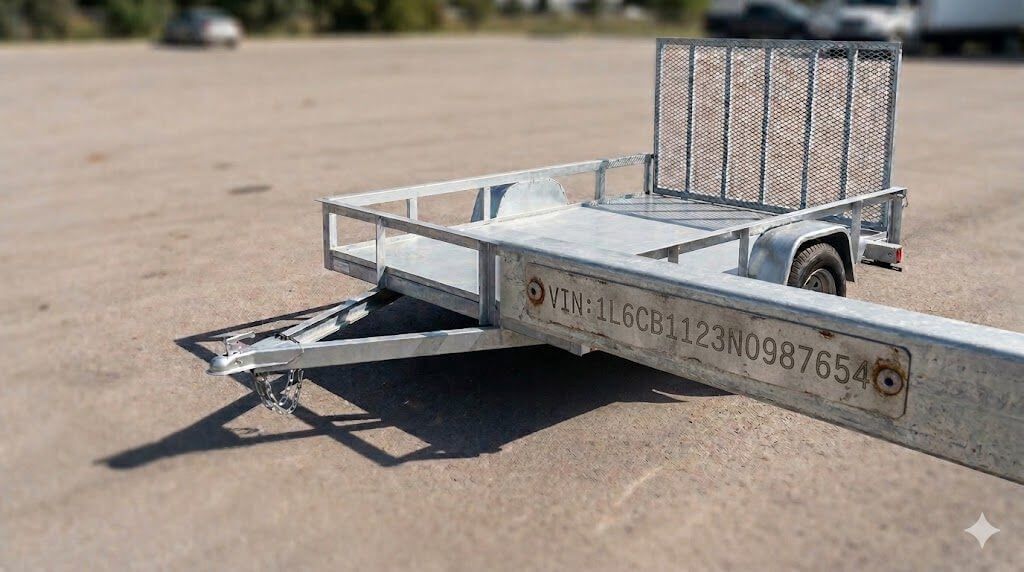
A trailer VIN is a unique identifier assigned by the manufacturer. For most modern trailers, the VIN contains 17 characters that encode information about how the trailer was built.
Unlike decals or aftermarket modifications, VIN data reflects the trailer’s original factory configuration.
Manufacturer and Origin Information
Decoding a trailer VIN can reveal:
- Trailer manufacturer
- Country of manufacture
- Production facility
This helps buyers confirm that the trailer matches the brand and origin claimed by the seller.
Model Year and Production Details
Trailer VINs encode the model year, which is important because:
- Registration requirements can depend on year
- Parts compatibility may vary by production year
- Market value is closely tied to age
VIN-based year verification helps buyers avoid paying for a newer model than they are actually getting.
Trailer Type and Intended Use
Depending on the manufacturer, a trailer VIN may indicate:
- Utility, cargo, boat, or equipment trailer
- Open vs enclosed design
- Intended load classification
This is especially important when trailers are advertised for heavier use than they are designed for.
Weight Ratings and Capacity Clues
While not all VINs display full specifications, VIN decoding may help confirm:
- Gross Vehicle Weight Rating (GVWR) range
- Axle configuration
- Intended towing category
Misunderstanding weight limits can lead to safety and legal issues.
Using VIN Data to Spot Listing Mismatches
VIN decoding helps identify discrepancies between seller claims and factory information.
| Seller Claim | VIN-Based Insight |
|---|---|
| Heavy-duty trailer | Light-duty classification |
| Newer model year | Older production year |
| Branded manufacturer | Different manufacturer |
When mismatches appear, buyers should pause and reassess the purchase.
VIN Checks and Theft Risk
Trailers are commonly stolen and resold due to their mobility and limited documentation. VIN-based screening helps reduce theft risk.
Running a trailer VIN check helps confirm whether the VIN is valid and whether the trailer may be associated with theft indicators.
What a Trailer VIN Cannot Tell You
While VIN data provides valuable verification, it does not replace:
- Physical inspection of the frame and welds
- Assessment of rust, corrosion, or damage
- Evaluation of tires, brakes, and lights
VIN checks work best when combined with hands-on inspection.
How VIN Information Fits Into the Buying Process
Trailer VIN decoding should be used alongside:
- VIN location verification
- Ownership and registration review
- Physical inspection
Together, these steps help buyers make informed decisions.
Final Thoughts
Understanding what a trailer VIN number can tell you gives buyers a factual foundation for evaluating used trailers. VIN decoding helps verify manufacturer details, model year, trailer type, and capacity—information that listings alone cannot guarantee.
Before buying, locate the VIN, decode it carefully, and verify the results using a trailer-specific VIN check. Accurate information upfront helps prevent costly mistakes later.