Flood-Damaged Used Cars in Canada: Signs Buyers Should Check Before Purchase
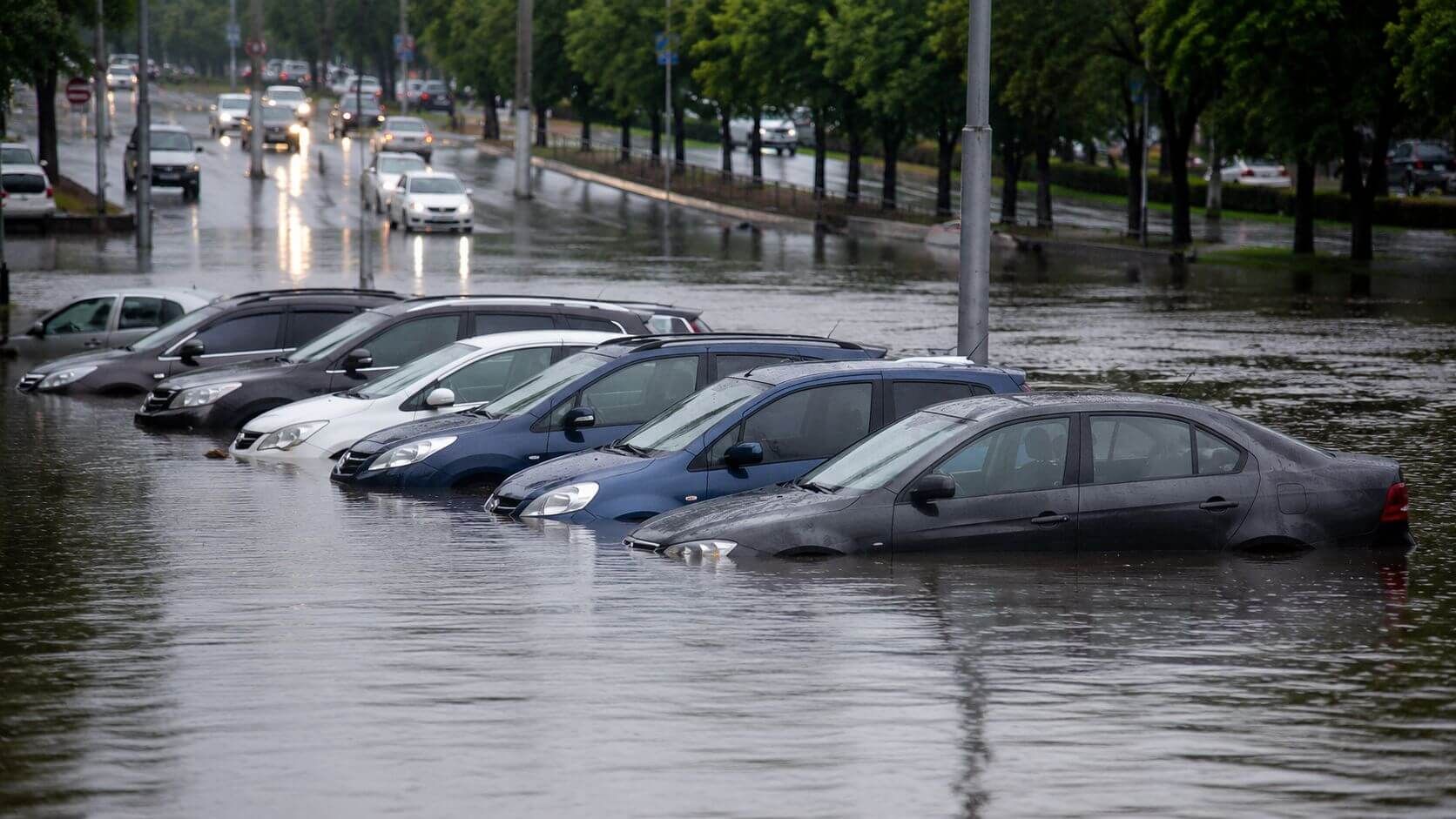
A flood-damaged used car can look clean on the outside while hiding serious problems underneath the carpets, behind trim panels, inside wiring connectors, and deep in the electronic systems. That is what makes flood damage so dangerous for buyers. The vehicle may start, drive, and look freshly detailed during a short inspection, but moisture and contamination can continue damaging the car long after the sale.
In Canada, flood risk is not limited to coastal areas or vehicles imported from the United States. Heavy rain, river flooding, storm surges, basement-garage flooding, and low-lying parking areas can all expose vehicles to water. A car may also move across provinces or enter the resale market after being cleaned up, making the damage harder to detect.
Before buying, inspect carefully, ask direct questions, review the vehicle’s history, and get a professional inspection if anything feels off. A flood-damaged car can become expensive quickly, especially when electrical faults, corrosion, mould, safety-system issues, or registration problems appear after purchase.
How can you tell if a used car has flood damage?
Common signs of flood damage include musty odours, damp carpets, rust under seats, mud in hidden areas, water stains, discoloured upholstery, electrical glitches, foggy lights, corrosion on connectors, and inconsistent vehicle history. Buyers should also ask the seller directly about water damage and get the answer in writing.
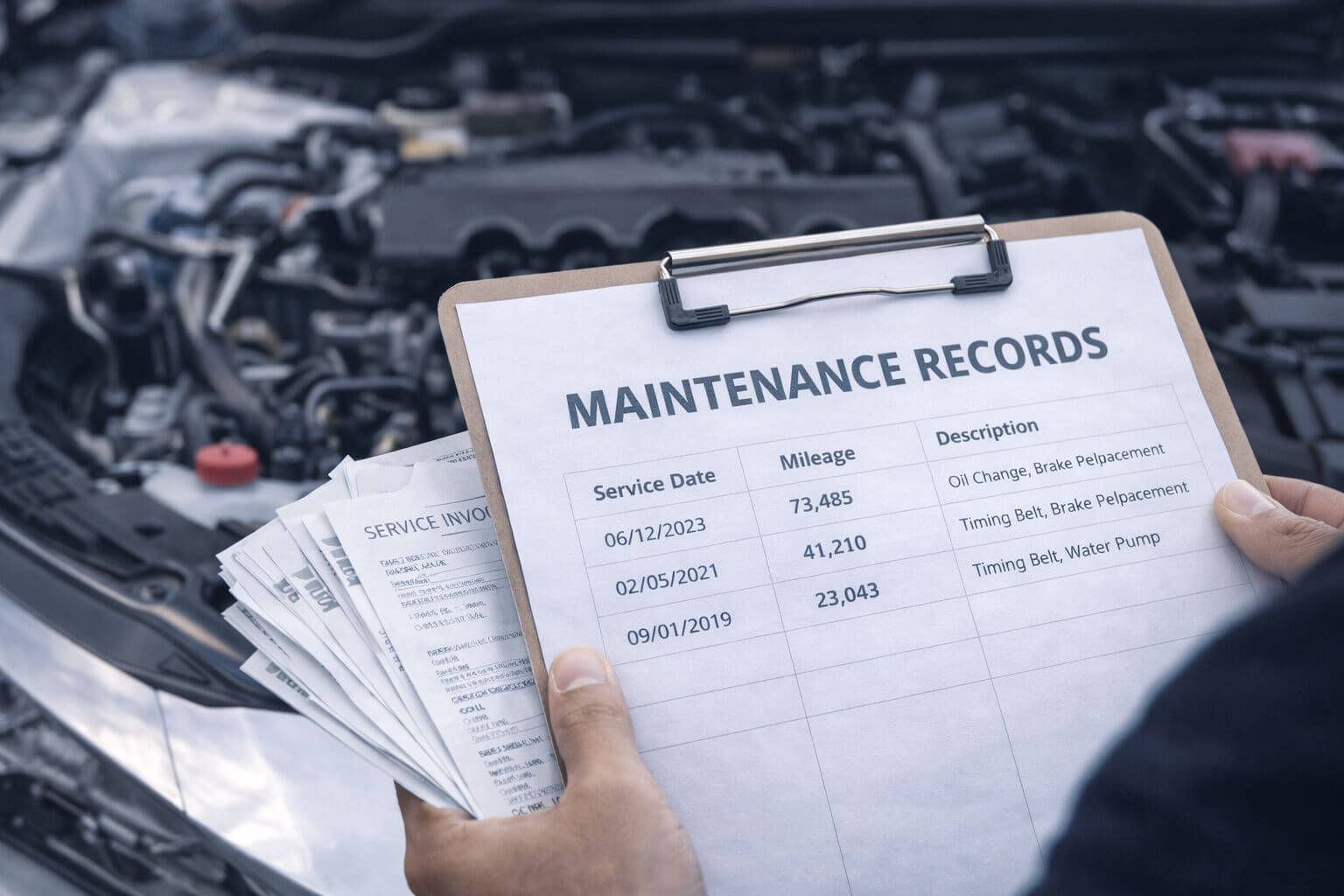
A used car should be checked physically and historically. Physical signs reveal what cleaning may have missed. A history report can help identify branding, accident records, insurance events, or other entries connected to prior damage. Start with the available vehicle accident report Canada details and review the relevant report sections before making a decision.
Why flood damage is different from ordinary wear
Every used car has some wear. Flood damage is different because water can reach systems that were never designed to be submerged. Even after drying, the vehicle may continue to deteriorate.
Flood water may contain dirt, road salt, sewage, fuel, chemicals, or other contaminants. These materials can remain in carpets, insulation, wiring, seat tracks, air ducts, and electronic modules. Over time, they can cause corrosion, odour, mould, warning lights, intermittent electrical faults, and safety concerns.
The biggest problem is unpredictability. A flood-damaged car may work normally during a test drive, then develop problems weeks or months later. A window switch may fail first. Then the airbag light appears. Then the infotainment system glitches. Then the transmission control module or body control module begins showing errors.
That delayed failure pattern is why buyers should treat water damage as a major risk, not a small cosmetic issue.
Flood damage can be hidden by cleaning
Some sellers clean flood-damaged vehicles aggressively before listing them. They may shampoo the carpets, replace floor mats, deodorize the cabin, wipe down visible areas, and polish the exterior. On a sunny day, the vehicle can look normal.
But cleaning does not always remove the evidence.
A careful buyer should look beyond the obvious surfaces. Check under the seats, behind the pedals, inside the trunk, under the spare tire, around seat rails, inside vents, along door seals, and under removable carpet edges where possible. Water leaves clues in places sellers often forget to clean.
Signs of flood damage inside the cabin
The interior usually tells the strongest story. Spend time inside the vehicle before the test drive.
Musty or damp smell
A musty smell is one of the most common flood-damage clues. It may smell like mildew, wet carpet, old basement, or damp cloth. Be cautious if the car has an unusually strong air freshener smell, especially if the seller recently detailed it. Heavy fragrance may be used to cover odours.
Close the doors and windows for a few minutes, then open the car and smell the cabin again. Also smell the trunk, carpet, and floor mats.
Damp or mismatched carpet
Press your hand into the carpet, especially near the footwells, under the seats, and around the trunk floor. Feel for dampness, stiffness, or uneven texture. Check whether the carpet looks newer than the rest of the interior.
A replaced carpet is not always suspicious, but it should come with an explanation.
Rust under the seats
Seat rails, brackets, bolts, and springs are easy to overlook. Surface rust in these areas can suggest water exposure, especially if the vehicle is newer or the rest of the interior looks unusually clean.
Bring a flashlight and look under both front seats. Rusty brackets under the seats or carpets are among the signs ICBC tells buyers to check when looking for flood damage.
Water lines or stains
Look for stains on upholstery, door panels, lower trim, seat belts, and trunk lining. Pull the seat belts out fully and check for dampness, stains, grit, or mildew. If the lower parts of the seat belt are dirty while the upper parts are clean, investigate further.
Mud or grit in hidden areas
Flood water often leaves dirt behind. Look in small crevices such as seat tracks, glove box corners, trunk wells, speaker grilles, air vents, and around the spare tire. Mud in places that normal cleaning does not reach is a serious warning sign.
Signs of flood damage outside the cabin
Flood damage is not only an interior issue. The exterior, lights, underbody, and engine bay can also show clues.
Foggy or water-stained lights
Check headlights, taillights, fog lights, and turn signals. Moisture inside light housings may suggest water exposure or poor repairs. One foggy lamp may be a simple seal issue, but several affected lights should raise concern.
Corrosion in unusual areas
Canadian vehicles can develop rust from winter road salt, so rust alone does not prove flood damage. The question is where the rust appears and whether it matches the vehicle’s age.
Look for unusual corrosion on:
- Seat rails
- Interior brackets
- Wiring connectors
- Fuse boxes
- Battery terminals
- Under-dash metal parts
- Spare tire well
- Door hinges
- Trunk seams
- Engine bay fasteners
Rust inside the cabin or electrical areas deserves more concern than normal exterior surface rust.
Signs of recent deep cleaning
A spotless engine bay on an older used car may look appealing, but it can also hide leaks or previous contamination. Look for inconsistent cleaning: an engine bay that is shiny on top but still has dirt or corrosion in hidden corners.
A recent detail is not proof of flood damage. It is simply a reason to inspect more carefully.
Electrical warning signs buyers should test
Electrical systems are often where flood damage becomes expensive. Modern vehicles rely on sensors, control modules, wiring harnesses, cameras, infotainment systems, safety systems, and driver-assistance features. Water can cause intermittent faults that are difficult to diagnose.
Before buying, test as many electrical features as possible:
- Headlights and high beams
- Brake lights
- Turn signals
- Hazard lights
- Interior lights
- Power windows
- Power locks
- Power mirrors
- Seat controls
- Heated seats
- Air conditioning
- Heater
- Defroster
- Windshield wipers
- Washer pump
- Radio and touchscreen
- Backup camera
- Parking sensors
- USB ports
- Horn
- Key fob functions
- Dashboard warning lights
ICBC specifically advises buyers to test items such as lights, wipers, turn signals, radio, heater, and air conditioner when checking for flood damage. If several electrical features behave strangely, do not assume they are minor issues.
Dashboard warning lights matter
When you start the vehicle, warning lights should illuminate briefly and then go out as expected. Pay attention to lights for airbags, ABS, traction control, check engine, battery, power steering, and stability control.
A seller may say, “It is just a sensor.” That may be true, but sensors cost money and can also indicate deeper electrical or safety problems. Do not accept a vague explanation. Ask for diagnostic proof or have the car scanned by a mechanic.
Ask the seller directly about water damage
Do not be shy about asking. Ask clearly:
“Has this vehicle ever had flood damage, water damage, storm damage, or water inside the cabin, trunk, engine bay, or electrical system?”
Then ask for the answer in writing. ICBC recommends asking the seller directly whether the vehicle has been damaged by water or anything else and getting the answer in writing.
A trustworthy seller should answer directly. A vague answer such as “not that I know of” or “it was fine when I bought it” does not give you much protection.
Review the vehicle history carefully
A vehicle history report can help identify records connected to accident damage, title branding, salvage history, insurance events, odometer records, registration movement, and other data points. It may also show whether the vehicle was registered in areas affected by flooding.
However, a history report is not perfect. ICBC notes that registration will only indicate flood damage if the seller’s insurance company officially declared the car salvaged. That means a vehicle could have water exposure that does not appear clearly in registration records.
This is why history and physical inspection must work together. If the report is clean but the vehicle smells musty, has rusty seat rails, and shows electrical glitches, trust the inspection clues.
Watch for cross-border and interprovincial movement
Flood-damaged vehicles may move from one market to another. A vehicle affected by flooding in one province, state, or region may later appear for sale somewhere else where buyers are less aware of the event.
Be cautious if:
- The car was recently imported.
- The vehicle moved provinces soon after a major storm or flood.
- The seller cannot explain the registration history.
- The title or branding history is unclear.
- The price is significantly below market.
- The car has unusually new carpet, lights, or interior trim.
Transport Canada also warns generally that inadmissible imported vehicles can be denied entry into Canada and detained, with storage and disposal costs falling on the importer. For buyers considering imported vehicles, this is a reminder to verify admissibility, branding, and history before purchase.
Have the vehicle inspected by the right technician
A general inspection is helpful, but suspected flood damage needs special attention. Water damage often affects electronics and hidden components, so ask for an inspection by a technician who can check electrical systems, scan modules, inspect connectors, and look beneath interior trim where appropriate.
Ask the mechanic to check:
- Diagnostic trouble codes
- Airbag system
- ABS and traction control systems
- Body control module
- Wiring connectors
- Fuse boxes
- Seat wiring
- Carpet and underlay
- Trunk and spare tire area
- Corrosion under seats
- Signs of waterline staining
- HVAC system odour
- Engine bay contamination
If the seller refuses an independent inspection, walk away.
Does flood damage make a car unsafe?
It can. Not every water-exposed vehicle is equally damaged, but flood damage can affect systems that matter for safety: airbags, brakes, steering assistance, lighting, seatbelt sensors, crash sensors, stability control, and electrical communication between modules.
The difficult part is that some problems are intermittent. A vehicle may pass a quick test drive but fail later. If safety-related warning lights appear, do not buy the vehicle without a professional diagnosis.
A cheap price does not compensate for unknown safety risk.
Should you buy a flood-damaged used car?
For most buyers, the safest answer is no — especially if the flood damage is confirmed, undocumented, or connected to electrical systems. Even if the car is offered at a discount, the long-term repair risk can erase the savings.
A flood-damaged vehicle may make sense only in very limited situations, such as a parts-only purchase by someone who understands the risk and does not plan to use the vehicle on public roads. For normal buyers who need reliable transportation, flood damage is usually a reason to walk away.
Red flags that should stop the purchase
Do not proceed if you see several of these signs:
- Musty odour inside the cabin or trunk
- Damp carpets or wet underlay
- Rust under seats or interior brackets
- Mud in vents, trunk, glove box, or under the dashboard
- Discoloured or mismatched carpet
- Foggy lights
- Electrical features that do not work
- Dashboard warning lights
- Seller refuses written disclosure
- Seller refuses inspection
- Vehicle history shows salvage, branding, or unusual movement
- Price is far below market
- Seller pushes for quick payment
One clue may have an innocent explanation. A pattern is different.
Buyer checklist: How to inspect for flood damage
Use this checklist before paying:
- Ask the seller about water damage in writing.
- Smell the cabin and trunk for musty odours.
- Press carpets and floor mats for dampness.
- Check under seats for rust.
- Inspect the spare tire well.
- Look for mud in vents, glove box, trunk, and under the dash.
- Pull seat belts out fully and check for stains.
- Test all electrical features.
- Check dashboard warning lights.
- Look for foggy headlights or taillights.
- Review vehicle history and report sections.
- Confirm title or branding status.
- Check registration movement.
- Get an independent inspection.
- Walk away if the story does not make sense.
Final thoughts
Flood-damaged used cars in Canada can be difficult to spot because the most serious damage is often hidden. A freshly cleaned car, a low price, and a smooth test drive do not prove the vehicle is safe or reliable.
Buyers should inspect slowly, ask direct questions, review the vehicle history, test every electrical feature, and use a qualified mechanic when flood damage is suspected. Pay close attention to musty smells, rust under seats, mud in hidden areas, damp carpets, electrical glitches, and unexplained registration history.
If the vehicle, seller, and records do not tell the same story, do not force the deal. With flood-damaged cars, the best decision is often to walk away before the hidden problems become your responsibility.