Trailer VIN Issues: Missing, Altered, or Invalid VINs
Trailer VIN Issues: Missing, Altered, or Invalid VINs
When buying a used trailer, one of the most serious warning signs is a problem with the Vehicle Identification Number (VIN). Unlike cosmetic issues, VIN-related problems can prevent registration, invalidate ownership claims, and expose buyers to theft risk.
This guide explains trailer VIN issues involving missing, altered, or invalid VINs, why they occur, and how buyers in Canada should respond.
Why Trailer VIN Issues Are a Serious Risk
The VIN is the trailer’s legal identity. Without a valid VIN, buyers may face:
- Inability to register the trailer
- Problems transferring ownership
- Insurance denial
- Risk of seizure if the trailer is stolen
Because trailers often have fewer records than cars, VIN problems are more common—and more dangerous to ignore.
Issue 1: Missing VIN
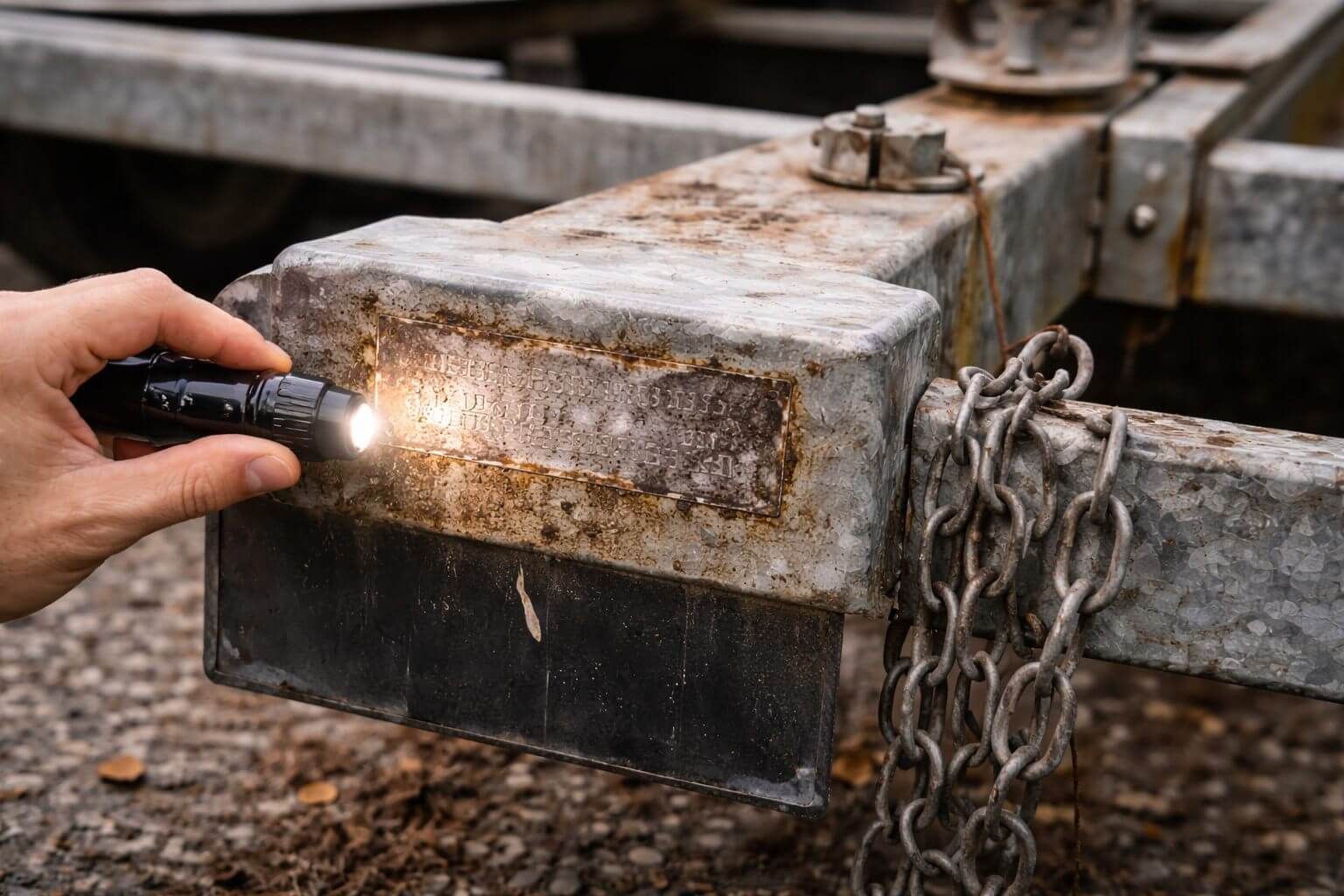
A missing VIN is one of the biggest red flags when evaluating a trailer.
Common reasons VINs go missing
- Age and corrosion from weather exposure
- Frame replacement or major repairs
- Theft or intentional VIN removal
If a trailer has no readable VIN, verifying its origin and legality becomes extremely difficult.
Issue 2: Altered or Tampered VIN
VIN tampering often leaves visible clues. Be cautious if you see:
- Grinding or sanding marks around the VIN area
- Uneven or misaligned characters
- Fresh paint or welds near the VIN plate
Altered VINs are frequently associated with stolen trailers or attempts to disguise identity.
Issue 3: Invalid or Non-Standard VIN Format
Most modern trailers use a 17-character VIN. An invalid VIN may:
- Be too short or too long
- Contain disallowed characters
- Fail basic VIN validation checks
Invalid VINs may indicate older trailers, improper stamping, or non-compliant manufacturing.
How to Verify a Trailer VIN
Before proceeding with a purchase:
- Locate and inspect the VIN carefully
- Compare it against any available documents
- Run a trailer VIN check to confirm validity and alignment with seller claims
VIN verification should happen before payment or transfer.
What to Do If You Encounter a VIN Problem
If you discover a VIN issue:
- Ask the seller for a clear explanation and documentation
- Verify whether provincial authorities can assign a replacement VIN
- Consider walking away if verification is not possible
In many cases, the safest decision is to avoid trailers with unresolved VIN issues.
VIN Issues vs Acceptable Wear
| VIN Issue | Buyer Risk |
|---|---|
| Minor corrosion but readable | Low, with verification |
| Missing VIN | High risk |
| Altered VIN | Very high risk |
| Invalid VIN format | Moderate to high risk |
Understanding the difference helps buyers make informed decisions.
Final Thoughts
Understanding trailer VIN issues involving missing, altered, or invalid VINs helps buyers avoid serious legal and financial trouble. VIN problems are rarely accidental and often indicate deeper risks.
Before buying a used trailer, inspect the VIN carefully and verify it using a trailer-specific VIN check. If the VIN cannot be confirmed, walking away is often the safest choice.