Accident Records and Vehicle Safety: What Buyers Should Watch For
Accident Records and Vehicle Safety: What Buyers Should Watch For
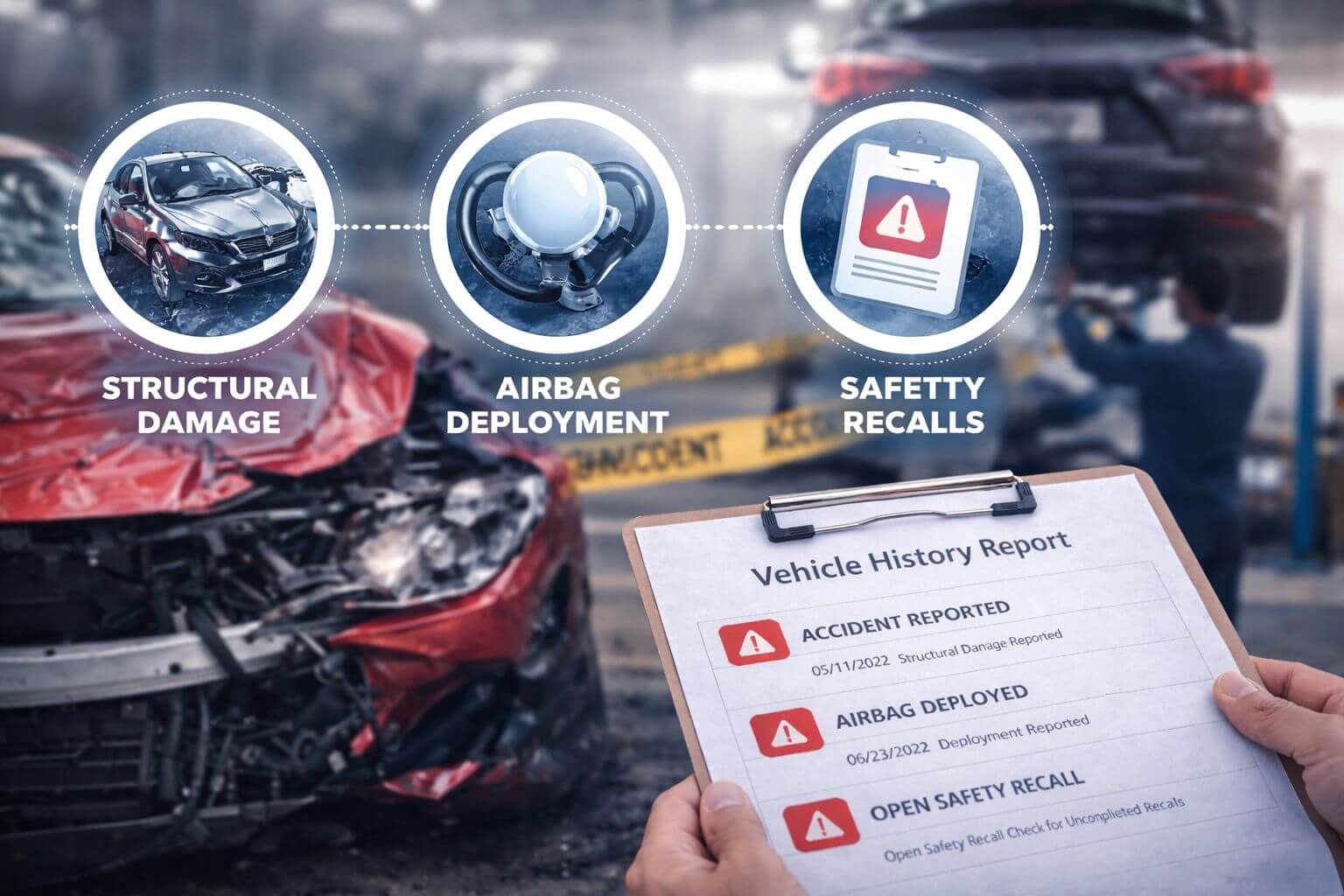
Buying a used car can be a smart financial move, but it comes with a core responsibility: verifying the vehicle’s safety. Accident records are a crucial starting point, yet the real decision-making hinges on what those records imply. Three areas deserve special attention: structural damage, airbag deployment, and safety recalls. Here is how to read between the lines and make a safer, more confident purchase.
How to Read Accident Records the Right Way
Accident records can appear in vehicle history reports, insurance data, police reports, repair invoices, and sometimes seller statements. These entries vary widely in detail and accuracy. Keep in mind:
- Not every collision is reported. A clean report does not guarantee a car has never been damaged.
- Wording matters. Phrases like damage reported, minor damage, or accident reported are not equal and may reflect anything from cosmetic repairs to structural work.
- Timing and repetition are clues. Multiple incidents, closely spaced repairs, or frequent body shop entries can signal a pattern of hard use or incomplete fixes.
Always match the VIN across the title, door jamb label, dashboard plate, and service records to ensure the history belongs to the exact car you are inspecting.
Structural Damage: The Line Between Cosmetic and Critical
Structural damage affects the skeleton of the vehicle: frame rails, unibody components, pillars, floor pan, radiator support, rocker panels, and suspension mounting points. While a bumper or bolt-on fender can be replaced with little long-term consequence, structural damage changes how the car manages crash energy, alignment, and even how its advanced driver-assistance systems (ADAS) operate.
Why structural damage matters
- Crash safety can be compromised if energy paths were altered or repairs were not completed to factory specifications.
- Handling and tire wear often degrade when the chassis is slightly out of square, even if a simple alignment seems to correct it temporarily.
- ADAS sensors, including radar and cameras, rely on precise mounting points. A bent or misaligned structure can lead to miscalibrated systems.
Signs of past structural work
On reports:
- Structural damage or frame damage noted
- Unibody or frame repaired or straightened
- Airbags deployed (often correlates with higher-impact events)
- Salvage, rebuilt, or reconstructed title
On the vehicle:
- Uneven panel gaps, especially around doors, hood, and trunk
- Fresh undercoating or overspray near frame rails, inner aprons, or floor pan
- Weld spatter, non-factory seam sealer patterns, or ripples in the engine bay metal
- Misaligned bumper covers or headlight mounts; headlights that cannot be aimed correctly
- Steering wheel off-center on a straight road, or a vehicle that pulls under acceleration or braking
- Unusual tire wear patterns or repeated alignment needs
What to ask and what to verify
- Request body shop invoices. Look for frame machine measurements and documentation that the car was restored to manufacturer specs.
- Ask for a recent alignment printout and any ADAS calibration certificates.
- Consider a paint thickness reading. Wide variation across structural areas can indicate replaced or heavily repaired panels.
- Hire an independent pre-purchase inspection. A seasoned technician can spot repaired welds, subframe shifts, and hidden corrosion.
When to walk away: If structural work lacks documentation, or if measurements and calibrations are missing, the risk typically outweighs any savings.
Airbag Deployment: What It Signals and What to Check
Airbag deployment indicates a crash force significant enough to trigger the restraint system. That does not automatically mean the car is unsafe if properly repaired, but it does raise the bar for documentation.
What proper repair should include
- Correct replacement of deployed airbags (driver, passenger, side curtains) with genuine or equivalent, certified parts
- New seat belt pretensioners and possibly seat belt assemblies
- Replacement of impact sensors and a reprogrammed or replaced airbag control module
- Inspection and replacement of dashboards or steering wheels where applicable
- Post-repair diagnostics with no stored SRS fault codes
Red flags and quick checks
- SRS light behavior: At startup, the airbag light should illuminate briefly, run a self-check, then turn off. A light that stays on or never illuminates could indicate tampering or unresolved faults.
- Airbag covers: Misaligned seams, mismatched textures, or sloppy stitching can hint at counterfeit or improperly installed bags.
- Seat belts: Webbing with burn marks or fraying, or belts that do not retract smoothly, can suggest pretensioner issues.
- Diagnostic scan: Have an independent shop scan for active or history SRS codes. Some issues will not show on a simple OBD-II reader.
Airbag deployments often reduce resale value, and some lenders and insurers are cautious with such vehicles. If airbag work is claimed, insist on parts receipts and shop certifications before proceeding.
Safety Recalls: Free Repairs You Must Not Ignore
Unlike optional service campaigns or technical service bulletins (TSBs), safety recalls address defects that can increase the risk of injury or fire. Automakers must fix safety recalls free of charge at franchised dealers.
How to check for open recalls
- Use the NHTSA VIN Lookup tool in the United States, or your country’s official regulator site.
- Check the manufacturer’s own VIN portal for brand-specific details and recall status.
- Verify completion dates on recall letters or service invoices.
Pay attention to urgent instructions:
- Stop-drive recalls advise against driving the vehicle until repaired.
- Park-outside recalls signal a potential fire risk even when the vehicle is off.
If a recall fix is not available yet, ask the dealer about interim guidance, parts timelines, and whether loaners or towing are offered.
A Safe-Buy Process You Can Follow
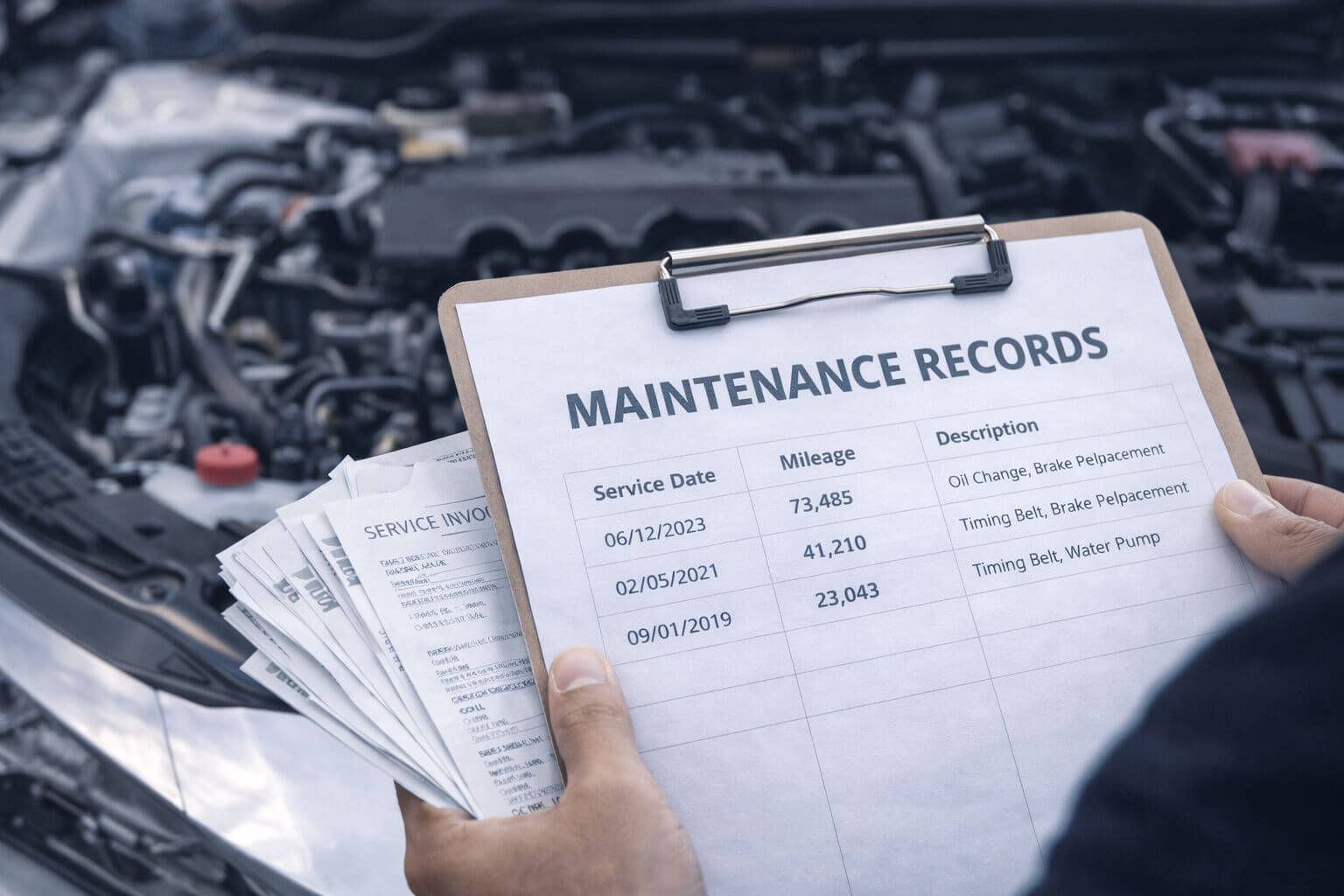
- Run multiple history checks. Compare at least two sources for accident entries, mileage continuity, and title events. No single database is perfect.
- Decode the language. Minor damage can still be costly; structural damage is critical; airbag deployment demands full documentation.
- Verify recalls by VIN. Confirm there are no open safety recalls, or schedule repairs before purchase.
- Inspect in daylight and on a lift. Look for underbody welding, fresh seam sealer, bent brackets, or rubbing tires.
- Test drive with intent. Check straight-line tracking, braking stability, steering wheel centering, wind noise, and any vibration at highway speeds.
- Scan the car. Ask for a comprehensive diagnostic scan, including SRS and ADAS systems. Review alignment specs and calibration reports.
- Evaluate the paperwork. Favor vehicles repaired by certified collision centers with measurement sheets, parts receipts, and lifetime workmanship warranties.
- Price the risk. Factor in potential diminished value and future repair needs. If the seller resists transparency, walk away.
Quick Checklist Before You Buy
- VIN matches across the car, title, and reports
- No open safety recalls, or a booked appointment to complete them
- No unresolved SRS warnings; airbag light cycles correctly
- Alignment printout within spec; no unusual tire wear
- ADAS calibration documented if any sensors, windshield, or structural parts were replaced
- Independent pre-purchase inspection completed
- Repair invoices confirm structural measurements and genuine airbag components
Final Thoughts
The best used cars are not just priced right; they are safe, predictable, and well-documented. Accident records provide clues, but the real story emerges when you examine structural integrity, airbag repair quality, and recall status. With a careful process and a willingness to walk away from questionable vehicles, you can protect your budget, your safety, and your peace of mind.