How to Check Vehicle History in British Columbia (ICBC Records & VIN Checks)
How to Check Vehicle History in British Columbia (ICBC Records & VIN Checks)
British Columbia has one of the most structured vehicle insurance systems in Canada, yet many buyers still misunderstand what ICBC records do—and do not—show. Relying solely on paperwork or seller explanations can leave important gaps, especially for vehicles that moved in or out of the province.
This guide explains how to check vehicle history in British Columbia, what information ICBC provides, where limitations exist, and how VIN-based vehicle history reports help buyers make safer decisions.
Why Vehicle History Checks in BC Are Different
British Columbia operates under a public auto insurance model administered by ICBC. As a result:
- Insurance-related claims are centralized
- Accident reporting is more structured than in some provinces
- Vehicles frequently move between BC, Alberta, and the U.S.
Despite this structure, ICBC records alone do not provide a complete vehicle history.
What Vehicle History Information ICBC Provides
ICBC-related records may include:
- Insurance claims tied to reported collisions
- Total loss determinations
- Salvage or rebuilt branding under BC rules
These records are valuable—but they primarily reflect insurance events within British Columbia.
What ICBC Records Do Not Show
ICBC documentation may not reveal:
- Accidents repaired privately without claims
- Damage or branding originating in another province
- Outstanding liens registered outside BC
- Prior commercial or fleet usage
This is why VIN-based aggregation remains essential.
Accident and Damage History in British Columbia
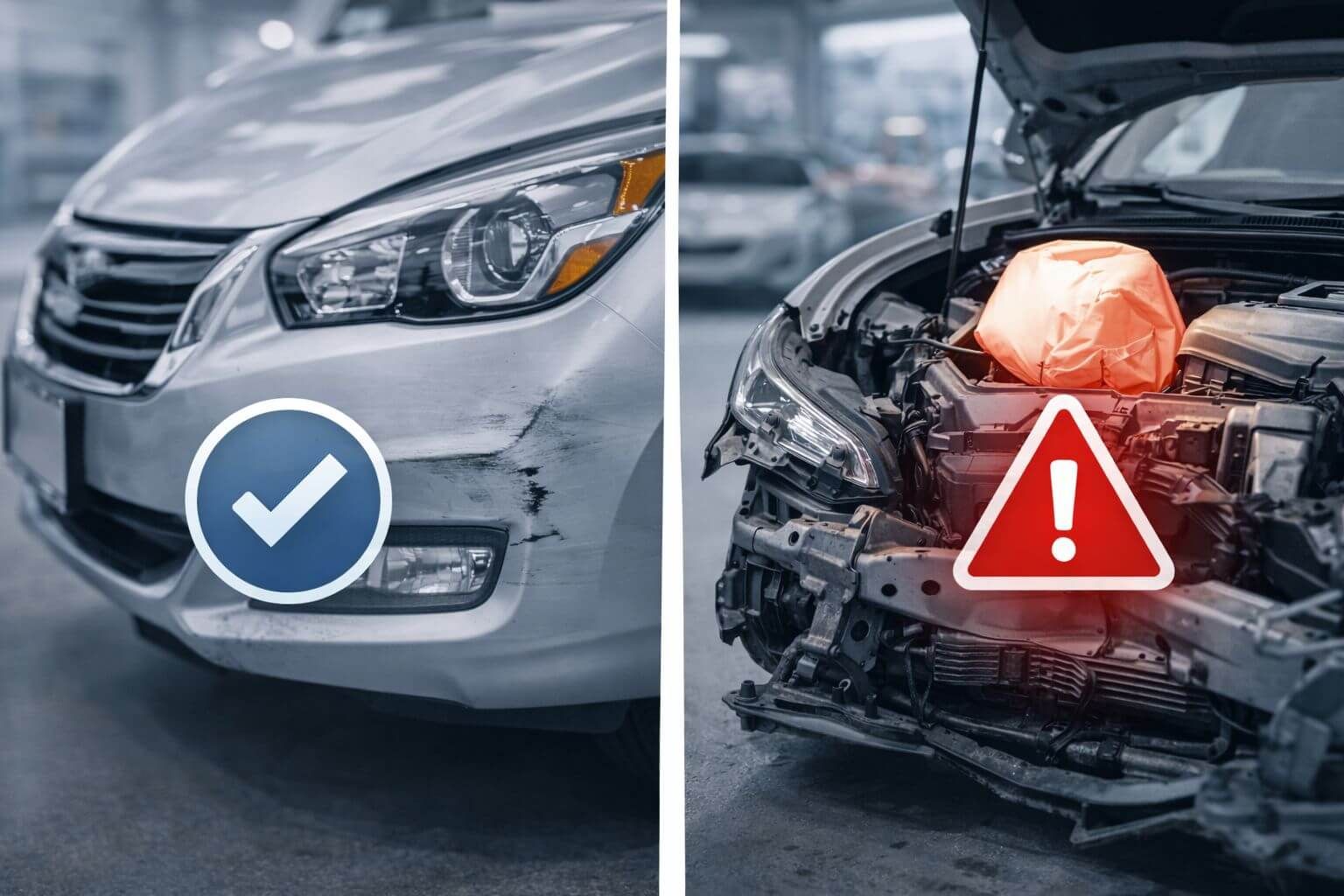
While BC has strong insurance reporting, accident data can still be incomplete if:
- Damage occurred before the vehicle entered BC
- Repairs were paid out-of-pocket
- The incident did not meet reporting thresholds
VIN-based vehicle history reports help surface accident indicators beyond ICBC-only records.
Lien and Ownership Risk in BC
Liens are not handled by ICBC. A vehicle registered in BC may still carry:
- Liens from another province
- Financing claims from private lenders
Before purchasing, buyers should always follow best practices for checking if a car has a lien in Canada, even when ICBC paperwork appears clean.
Stolen Vehicle and Title Risk
Vehicles stolen in BC or elsewhere may still appear legitimate at sale. VIN-based theft screening helps identify stolen or recovered vehicle indicators tied to the VIN.
This step is critical before transferring ownership.
Recalls and Safety Issues
Vehicle recalls affecting BC vehicles are issued at the manufacturer and federal level. Because recalls apply to specific VIN ranges, buyers should always verify recall status by VIN and confirm repair completion when required.
How to Check Vehicle History in BC (Step-by-Step)
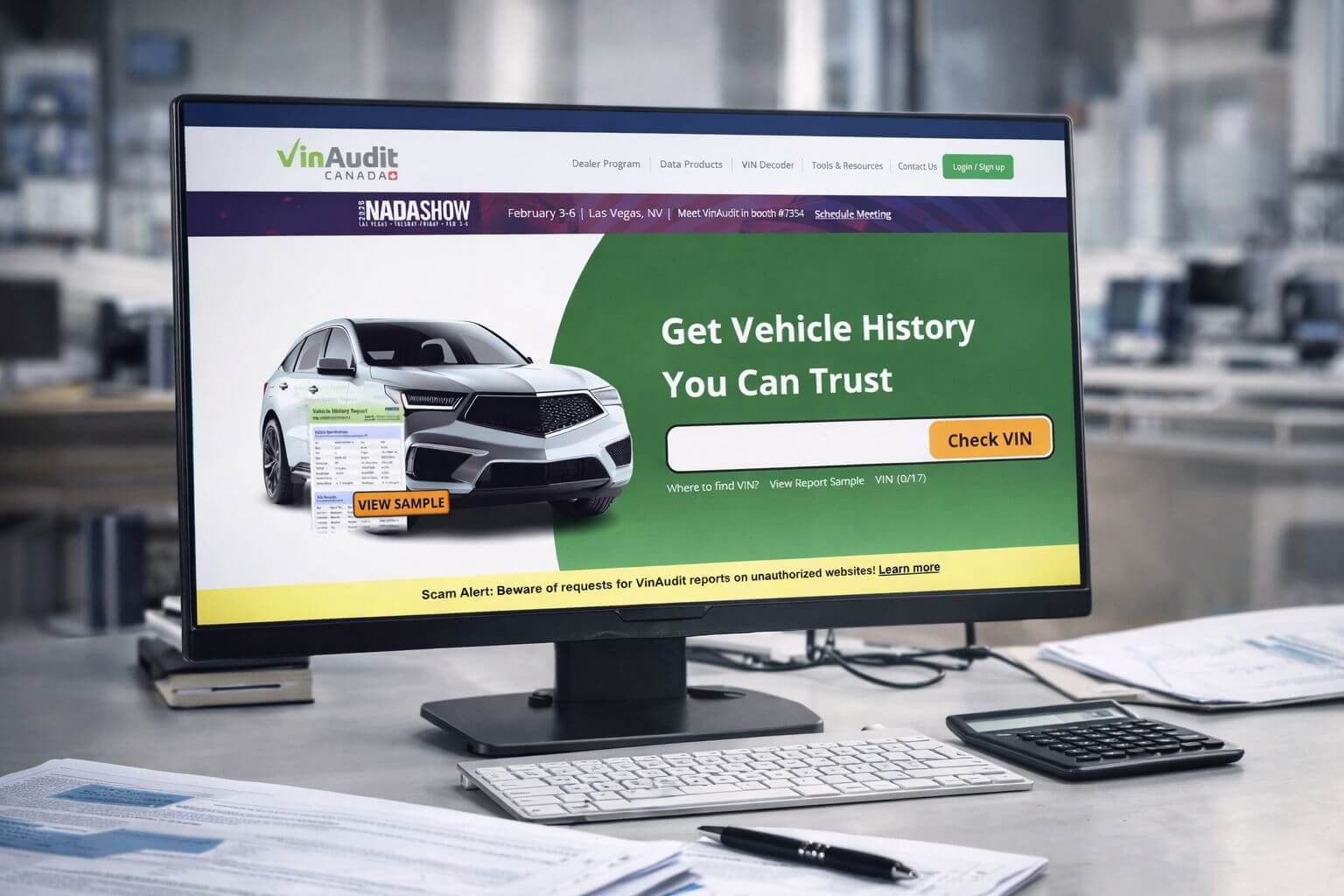
- Locate and verify the VIN on the vehicle
- Confirm the VIN matches ICBC and registration documents
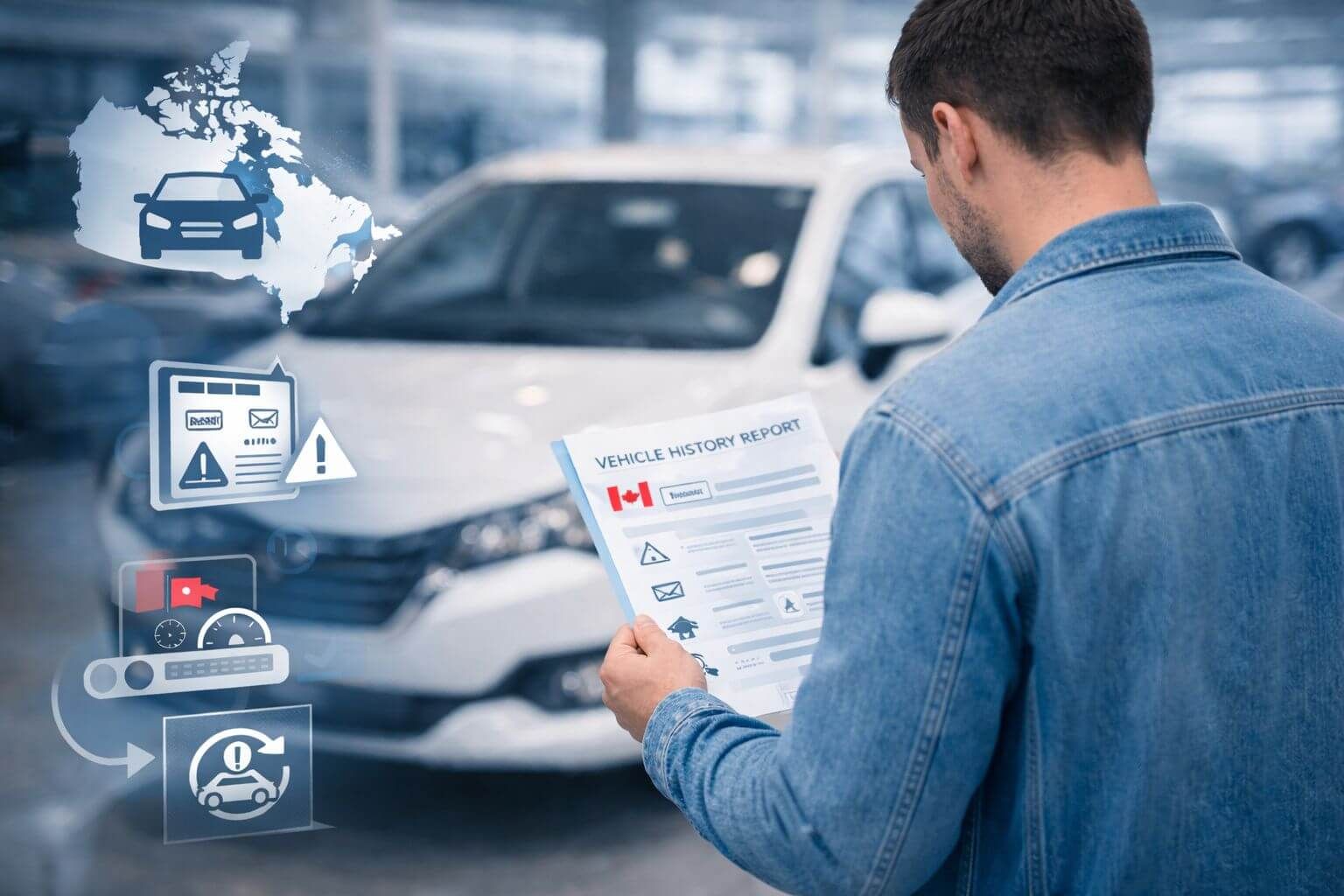
- Review accident, lien, theft, recall, and branding indicators in a vehicle history report
- Combine findings with a professional inspection
These steps should be completed before payment or ownership transfer.
British Columbia vs Other Provinces
| Factor | British Columbia |
|---|---|
| Insurance system | Public (ICBC) |
| Accident reporting | Strong but limited |
| Lien visibility | Not included |
| Cross-province vehicles | Common |
VIN-based checks provide cross-jurisdiction visibility that ICBC records alone cannot.
Final Thoughts
Knowing how to check vehicle history in British Columbia helps buyers avoid false confidence based on ICBC paperwork alone. While BC offers strong insurance transparency, important risks can still originate outside the province.
Before buying any used vehicle in BC, always verify the VIN, review comprehensive vehicle history indicators, and pair findings with inspection and documentation review. VIN-based checks provide the broader context buyers need to make confident decisions.