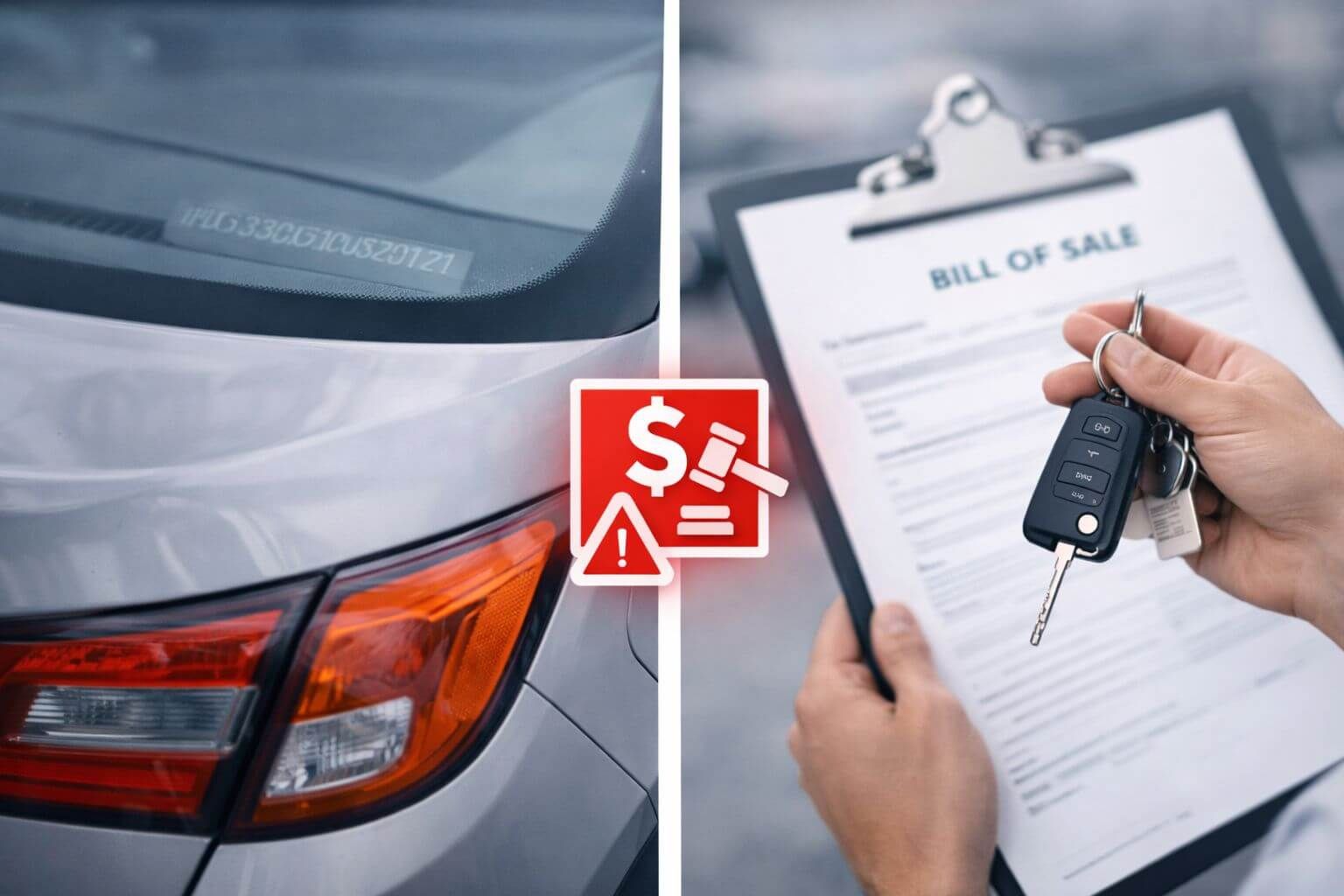
Why Lien Check Matters and How to Resolve a Used Car Lien
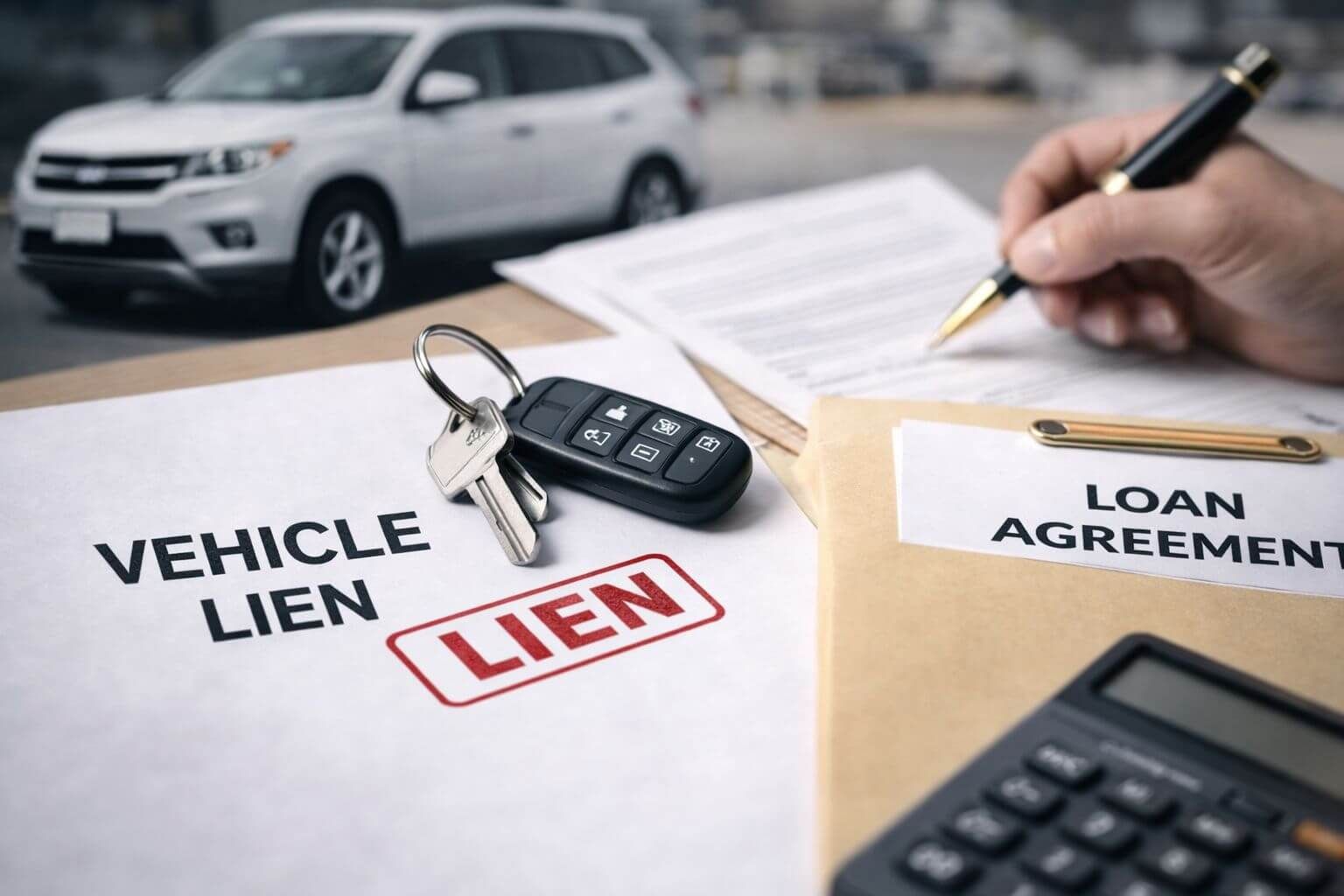
When you’re shopping for a used vehicle in Canada, there’s one detail you should never skip: checking for a lien. A car can look perfect and still come with an unpaid debt attached to it. If that happens, you may face delays at registration, unexpected legal issues, or even the risk of repossession.
Car liens can sound complicated, but the idea is simple: a lien is a legal claim against the vehicle tied to an unpaid obligation. Understanding how liens work—and how to check and clear them—helps you buy (or sell) with confidence.
Understanding Car Liens
In Canada, a car lien is a legal claim registered against a vehicle. The vehicle acts as collateral for a debt. This gives the lienholder (usually a lender) the right to take action—up to and including repossession—if the debt isn’t paid under the agreed terms.
Most liens come from:
- Auto loans or financing (the most common)
- Leases
- Unpaid repair bills (mechanic’s liens)
- Unpaid storage or impound fees
A lien remains on record until the debt is settled and the lienholder issues a release. Until then, the owner does not have a fully “clear” title.
Why Run a Car Lien Check?
A lien check protects you from buying someone else’s problem. Here’s why it matters:
- Financial responsibility: If you buy a vehicle with an unpaid lien, you could end up dealing with the outstanding debt and the paperwork mess that comes with it.
- Risk of repossession: A lienholder can still pursue its claim on the vehicle—even after it’s sold—if the lien wasn’t properly cleared.
- Peace of mind: A clean lien status removes uncertainty and reduces the risk of future disputes.
- Negotiation power: If a lien appears, you can require the seller to clear it before the sale or adjust the price to reflect the payoff amount.
- Smoother ownership transfer: Lien issues can delay registration and title transfer, especially when the buyer discovers the lien after the sale.
In short, running a lien check helps you avoid costly surprises and confirms whether a vehicle can be transferred cleanly.
Tips for Removing a Lien on a Used Car
If you discover a lien, don’t proceed until you understand exactly what it means and how it will be cleared. In many cases, the fix is straightforward—but it must be done properly.
Here are practical steps to resolve a lien safely:
- Clarify the lien status: Confirm what the lien is for, who the lienholder is, and whether it’s active or already satisfied.
- Contact the lienholder: Ask for the exact payoff amount and what documentation they provide once paid.
- Pay off the lien (the right way): Ideally, the payoff should be made directly to the lienholder—not handed to the seller with a promise.
- Get a lien release letter: After payoff, request a written lien release (sometimes called a discharge or satisfaction letter).
- Update the title/registry record: Submit the lien release to the appropriate registry so the public record reflects the cleared status.
- Verify the title transfer: Make sure the vehicle can be transferred and registered without restrictions.
- Document everything: Save proof of payoff, the lien release, and any email or written confirmations.
Best practice for buyers: If possible, meet the seller at the lender or registry office so the lien payoff and confirmation can happen in a controlled, verifiable way.
How Can I Check for Liens?
The safest approach is to check lien status before any money changes hands. You’ll typically need the VIN (Vehicle Identification Number) to run a lien search.
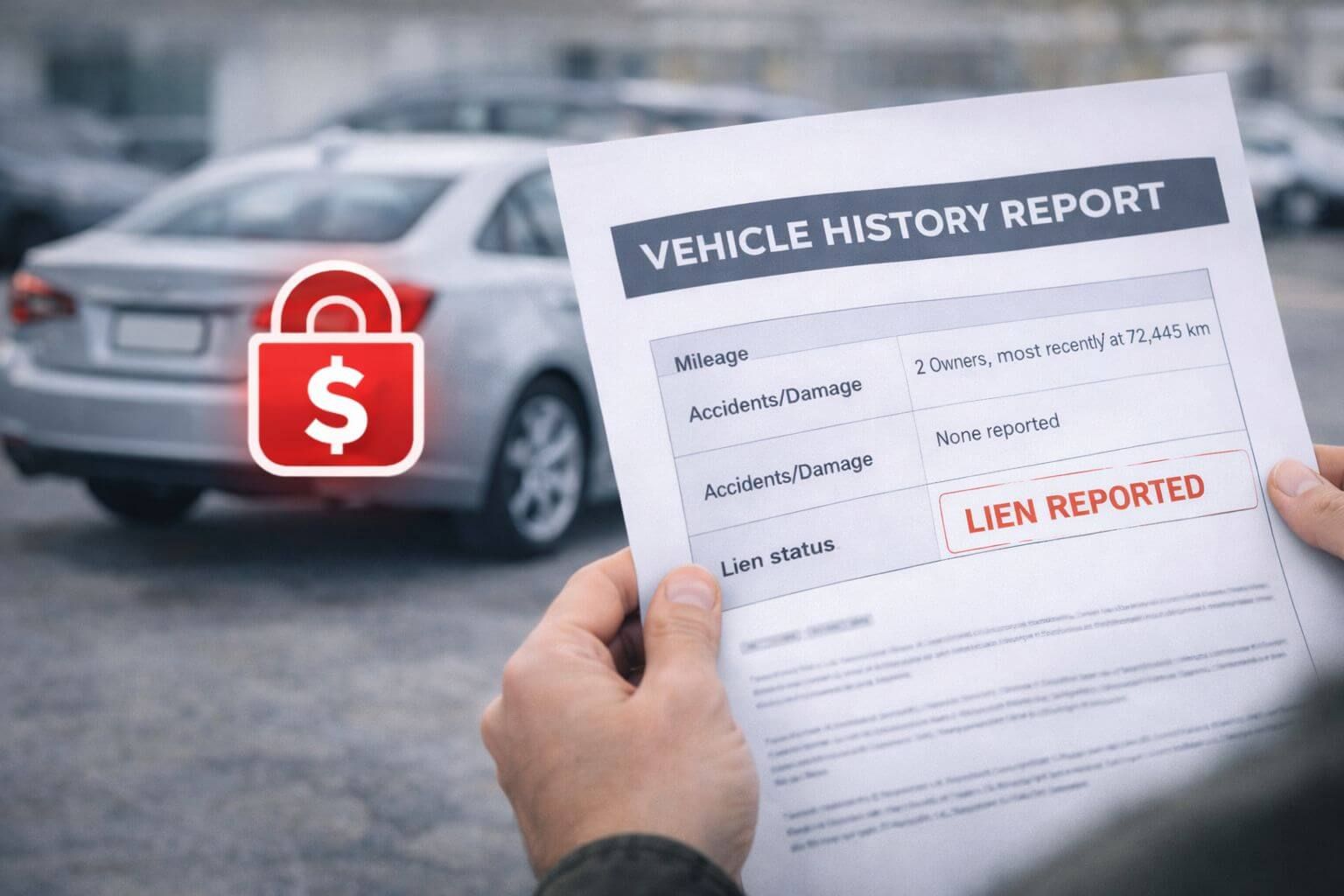
To get started quickly, you can run a vehicle history report using the VIN. This helps confirm whether the vehicle has liens (and can also reveal other issues like title branding or accident records).
If the seller refuses to provide the VIN or discourages you from checking—treat that as a major red flag.