
Buying A Used Car: Pre-Purchase Inspection Guide
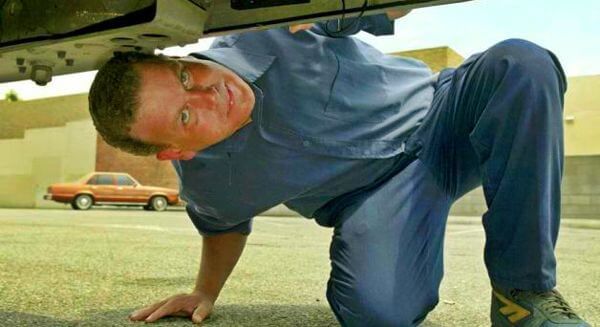
Inspecting a used car thoroughly helps you understand its true condition today and spot potential problems down the road. A careful inspection can either confirm that you’re making a smart investment—or reveal hidden issues that give you leverage during negotiations.
Below is a practical, step-by-step checklist of what you should inspect before sealing the deal.
Check the Documents

Start by reviewing all paperwork provided by the seller. Confirm that the vehicle specifications match what’s written on the documents.
Pay close attention to the VIN (Vehicle Identification Number). It should match across all locations, including:
- The engine bay
- The front frame
- The driver-side dashboard (visible through the windshield)
- The trunk
Matching VINs help ensure you’re not buying a “cloned” or illegally rebuilt vehicle. Just as important, observe the seller’s behavior—someone who hesitates or resists reasonable scrutiny is often a red flag.
Check for Dents and Scratches

Look carefully for dents, uneven panels, or repainting. Even well-repaired accident vehicles often leave subtle signs behind.
- Inspect body seams and joints—factory seams should look uniform
- Check body lines and panel gaps for symmetry
- Uneven gaps may allow water intrusion and indicate prior major bodywork
Scratches, dings, and wear patterns also tell a story about how the car was used. Minor cosmetic issues can often be used to negotiate a better price.
Check the Tires

Tires reveal a lot about a vehicle’s condition and maintenance history.
- Make sure all tires match in brand and size
- Uneven wear may indicate alignment or suspension issues
- Inspect tread depth—very shallow tread means replacement is imminent
- Watch for steel belts showing through, a clear sign of serious wear
Understanding Tire Date Codes
Tires have a 4-digit DOT code indicating manufacture date:
- 1206 → 12th week of 2006
- 0114 → 1st week of 2014
Brand-new tires on an older car can sometimes signal that a seller is trying to mask another issue. Also, confirm the presence of a roadworthy spare tire.
Check the Mileage

Odometer rollback is a common form of fraud. Removing just 35,000–40,000 miles can artificially inflate a car’s value by $2,500–$3,000.
Signs of Possible Odometer Tampering
- Compare displayed mileage with average annual mileage
- Check wear on pedals, seats, and steering wheel
- Review service records and title history
- Verify mileage using a vehicle history report
- Original tires are expected on cars under ~20,000 miles
- Odometer numbers should align evenly and not jiggle
Any mismatch between wear and mileage should prompt further investigation.
Check the Fluids

Fluid condition provides insight into how well the car was maintained.
- Engine oil: Brown or yellow tint indicates good maintenance
- Brake fluid: Yellow is ideal; reddish tint from condensation is usually acceptable
- Coolant: Lime green in the reservoir suggests proper upkeep
- Transmission fluid: Reddish is good; creamy residue signals internal issues
- Power steering fluid: Red or clear is normal
- Battery: Check for corrosion around terminals
Also inspect hoses and belts—feel them for brittleness or softness, which may indicate imminent failure.
Check the Engine

Look under the car for oil or fluid leaks. Any dripping is a warning sign.
When starting the vehicle:
- The check engine light should turn on briefly, then go off
- If it stays on, the engine likely has stored fault codes
Quick Engine Stress Test
- Press the accelerator and brake simultaneously
- Shift into drive
- Press the gas pedal fully while holding the brake
A healthy engine should not stall. Stalling or hesitation indicates mechanical issues.
Check the Interior

Test every button and feature inside the car:
- Windows, door locks, air conditioning, audio system
- Mirror controls, turn signals, wipers, cruise control
Remove the rear seat cushion and inspect the foam underneath. Look for:
- Water lines
- Mold or mildew
Flood damage is often hidden externally but leaves evidence inside. Any malfunctioning feature should either be repaired by the seller or reflected in the final price.
Check the Electrical Circuit

If possible, inspect visible wiring for wear, damage, or missing insulation. Electrical problems can be costly and difficult to trace later.
Quick Grounding Test (Using a Voltmeter)
- Connect the meter to the battery (positive to positive, negative to negative)
- Record the voltage reading
- Move the negative lead to the engine block
- Compare readings with engine off and running
- Voltage difference of 0.4V or more indicates a grounding issue
Dealerships typically have testing tools available if you don’t bring your own.
These inspection steps can help you identify hidden problems during a viewing. Take your time, be thorough, and don’t hesitate to walk away if something feels off. A careful inspection can save you thousands—and ensure the car is truly worth the asking price.