How to Check a Commercial Vehicle VIN in Canada

How to Check a Commercial Vehicle VIN in Canada
Buying a used commercial vehicle—such as a delivery van, box truck, pickup for work, or fleet vehicle—comes with higher stakes than a private car purchase. Commercial vehicles are often driven harder, maintained on different schedules, and may carry regulatory or usage history that affects value and legality.
This guide explains how to check a commercial vehicle VIN in Canada, what information the VIN can reveal, and how VIN verification helps reduce business risk.
Why VIN Checks Matter for Commercial Vehicles
Commercial vehicles are commonly used for:
- Delivery and logistics
- Construction and trades
- Service fleets and rentals
Without proper VIN verification, buyers risk:
- Purchasing vehicles with undisclosed fleet or commercial use
- Buying units with incorrect specifications or ratings
- Facing registration, insurance, or compliance issues
- Overpaying for vehicles with heavier prior use
The Vehicle Identification Number (VIN) is the most reliable starting point for verification.
Step 1: Locate the VIN on the Commercial Vehicle
Commercial vehicles use standard VIN placement similar to passenger vehicles. Common locations include:
- Driver-side dashboard near the windshield
- Inside the driver-side door frame or pillar
- On the vehicle frame or chassis (for trucks)
The VIN should match all documents provided by the seller.
Step 2: Confirm Vehicle Classification
VIN decoding helps determine whether a vehicle was manufactured as:
- Light-duty or heavy-duty
- Passenger vs commercial classification
This matters for:
- Insurance eligibility
- Licensing requirements
- Towing and payload limits
Misclassification can lead to compliance problems.
Step 3: Run a Commercial VIN Check
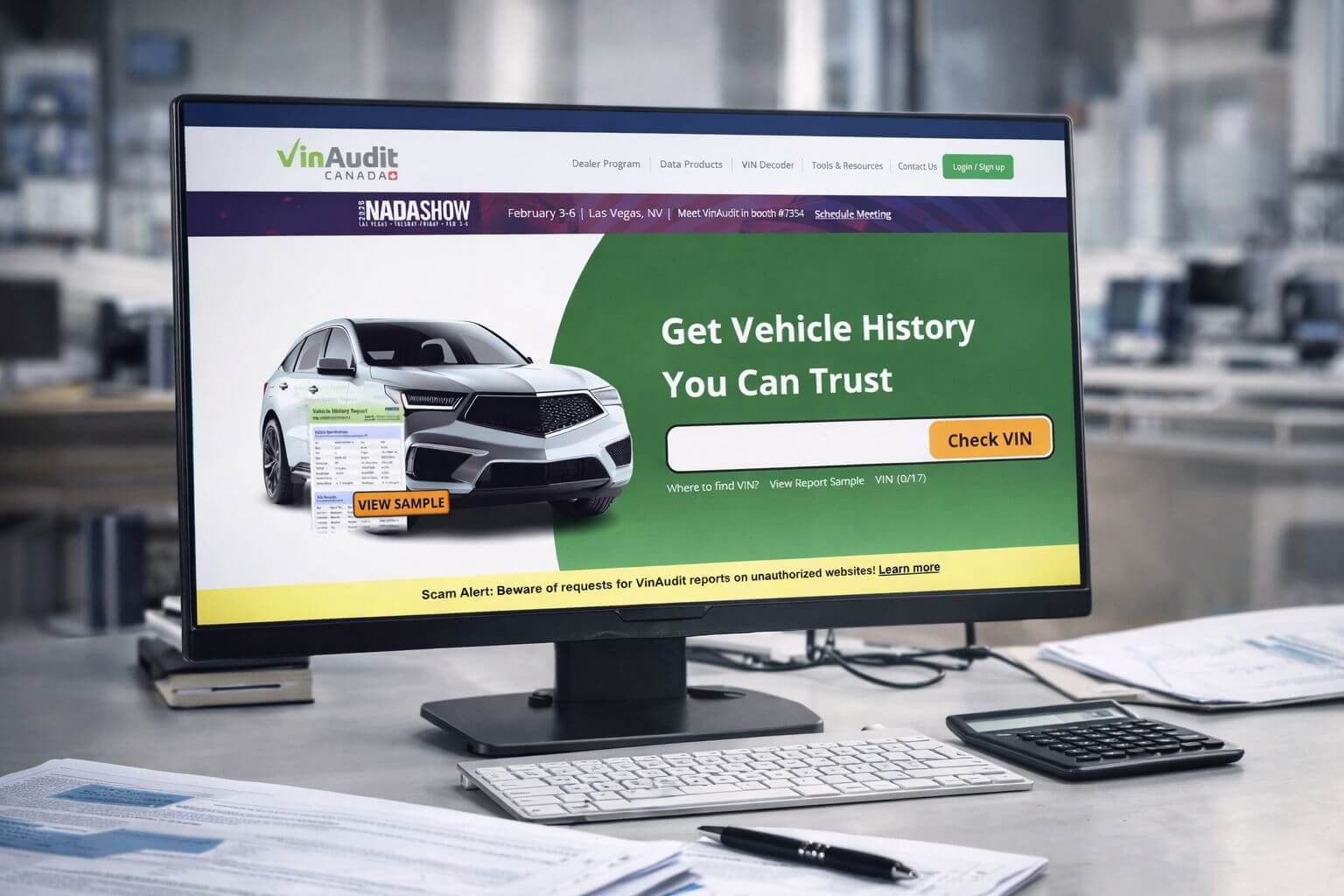
Once verified visually, run a commercial vehicle VIN check to confirm whether the VIN is valid and whether the vehicle aligns with the seller’s description.
VIN verification is especially important when vehicles are advertised as:
- Lightly used work trucks
- Former fleet vehicles
- Recently decommissioned commercial units
Step 4: Verify Specifications and Capabilities
A commercial vehicle VIN can help confirm:
- Engine type and configuration
- Chassis and drivetrain platform
- Payload and towing class
Accurate specs are essential for business use and safety compliance.
Step 5: Watch for Common Commercial VIN Red Flags
Be cautious if you notice:
- VIN mismatches between vehicle and paperwork
- Inconsistent claims about usage history
- Missing or altered VIN plates
These red flags often indicate deeper problems.
Commercial VIN Checks vs Physical Inspection
| VIN Check Helps With | Physical Inspection Helps With |
|---|---|
| Confirming classification | Evaluating wear from heavy use |
| Verifying specs | Checking suspension and brakes |
| Identifying VIN issues | Assessing interior condition |
Both steps are critical when buying commercial vehicles.
Final Thoughts
Understanding how to check a commercial vehicle VIN in Canada helps buyers verify classification, specifications, and identity before committing capital. Commercial VIN verification reduces the risk of buying vehicles with undisclosed usage or compliance issues.
Before purchasing a used commercial vehicle, locate the VIN, inspect it carefully, and verify it using a commercial vehicle VIN check. Accurate VIN information upfront supports safer and more informed buying decisions.