How to Check Vehicle History Before a Private Sale in Canada
How to Check Vehicle History Before a Private Sale in Canada
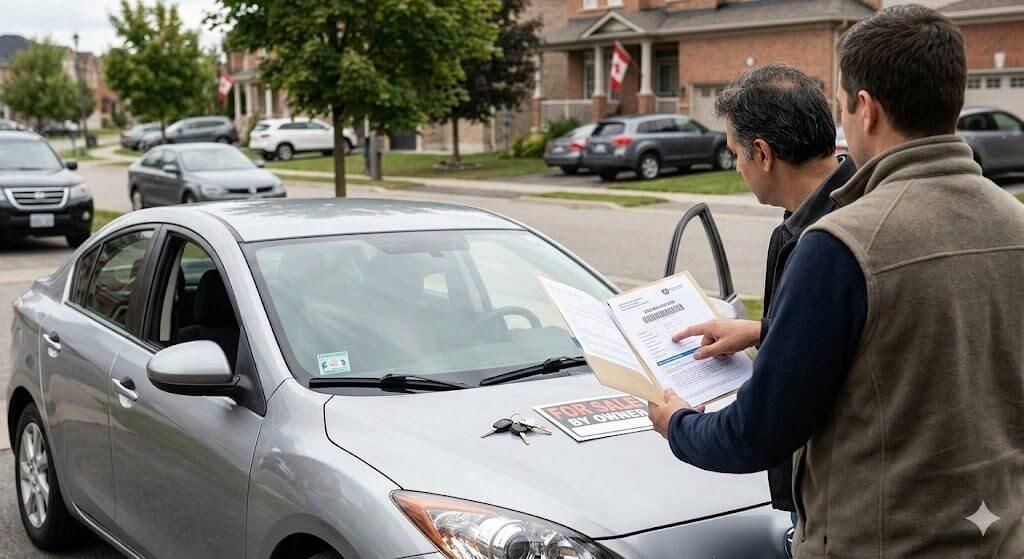
Private vehicle sales are common across Canada—and they often come with higher risk than dealer purchases. Without standardized disclosures or dealer protections, buyers must take extra steps to verify a vehicle’s background before money changes hands.
This guide explains how to check vehicle history before a private sale in Canada, what risks are most common, and how VIN-based vehicle history reports help buyers protect themselves.
Why Private Sales Carry Higher Risk
In a private sale, buyers typically:
- Rely on seller statements
- Receive limited documentation
- Have no dealer warranties or return options
Common private-sale risks include undisclosed accidents, outstanding liens, theft history, and unresolved recalls.
What Sellers Are (and Aren’t) Required to Disclose
Disclosure requirements vary by province. In many cases:
- Sellers must disclose known material facts
- There is no obligation to volunteer full history
- Buyers are responsible for due diligence
This makes independent verification essential.
Step 1: Verify the VIN on the Vehicle
Before any discussion of price:
- Locate the VIN on the dashboard and door frame
- Confirm the VIN matches registration documents
- Watch for altered plates, mismatched fonts, or tampering
VIN verification is the foundation of all further checks.
Step 2: Review Accident and Damage Indicators
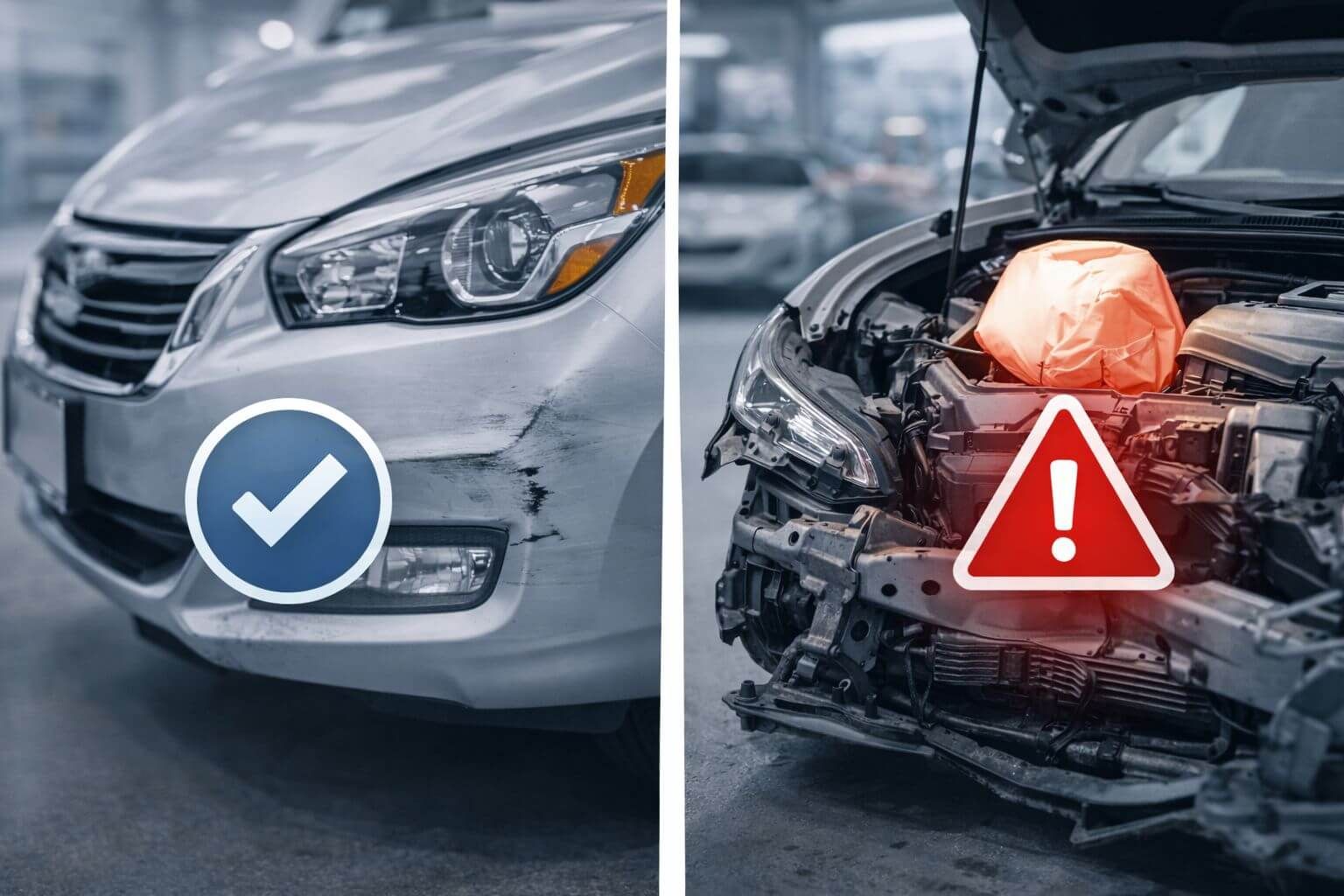
Private sellers may minimize or omit past damage. Accident history can affect safety and value—even if repairs look cosmetic.
Use VIN-based guidance on checking vehicle accident history in Canada and pair findings with a professional inspection.
Step 3: Check for Outstanding Liens
Liens are one of the most common private-sale problems. A lien allows a lender to seize the vehicle—even after purchase.
Buyers should follow best practices for checking if a car has a lien in Canada, especially in provinces where private sales dominate.
Step 4: Screen for Stolen Vehicle Risk
A stolen vehicle may carry paperwork and still be subject to seizure later. VIN-based theft screening helps identify stolen or recovered vehicle indicators tied to the VIN.
This step should never be skipped in a private transaction.
Step 5: Check Recalls and Safety Issues
Recalls apply to specific VIN ranges. An unresolved recall may affect safety and registration.
Before buying, review how to check vehicle recalls by VIN in Canada and ask for proof of completed repairs if applicable.
Step 6: Confirm Vehicle Specs and Value
Misrepresented trims or engines are common in private listings. VIN-based specs help confirm:
- Engine and drivetrain
- Trim level and factory features
- Whether the asking price reflects verified configuration
Understanding how to check car value using a VIN number in Canada helps buyers negotiate fairly.
Private Sale VIN Checklist
| Check Item | Why It Matters |
|---|---|
| VIN matches documents | Confirms vehicle identity |
| Accident indicators | Safety and value risk |
| Lien status | Financial ownership risk |
| Theft screening | Legal ownership risk |
| Recall status | Manufacturer safety issues |
| Specs verification | Prevents misrepresentation |
When to Walk Away From a Private Sale
Consider walking away if:
- The seller refuses to provide the VIN
- History checks reveal unresolved liens or theft indicators
- VIN mismatches cannot be explained
Walking away is often the safest decision.
Using Vehicle History Reports Responsibly
VIN-based vehicle history reports are decision-support tools. They work best when combined with:
- Inspection by a qualified mechanic
- Document review
- Informed questioning of the seller
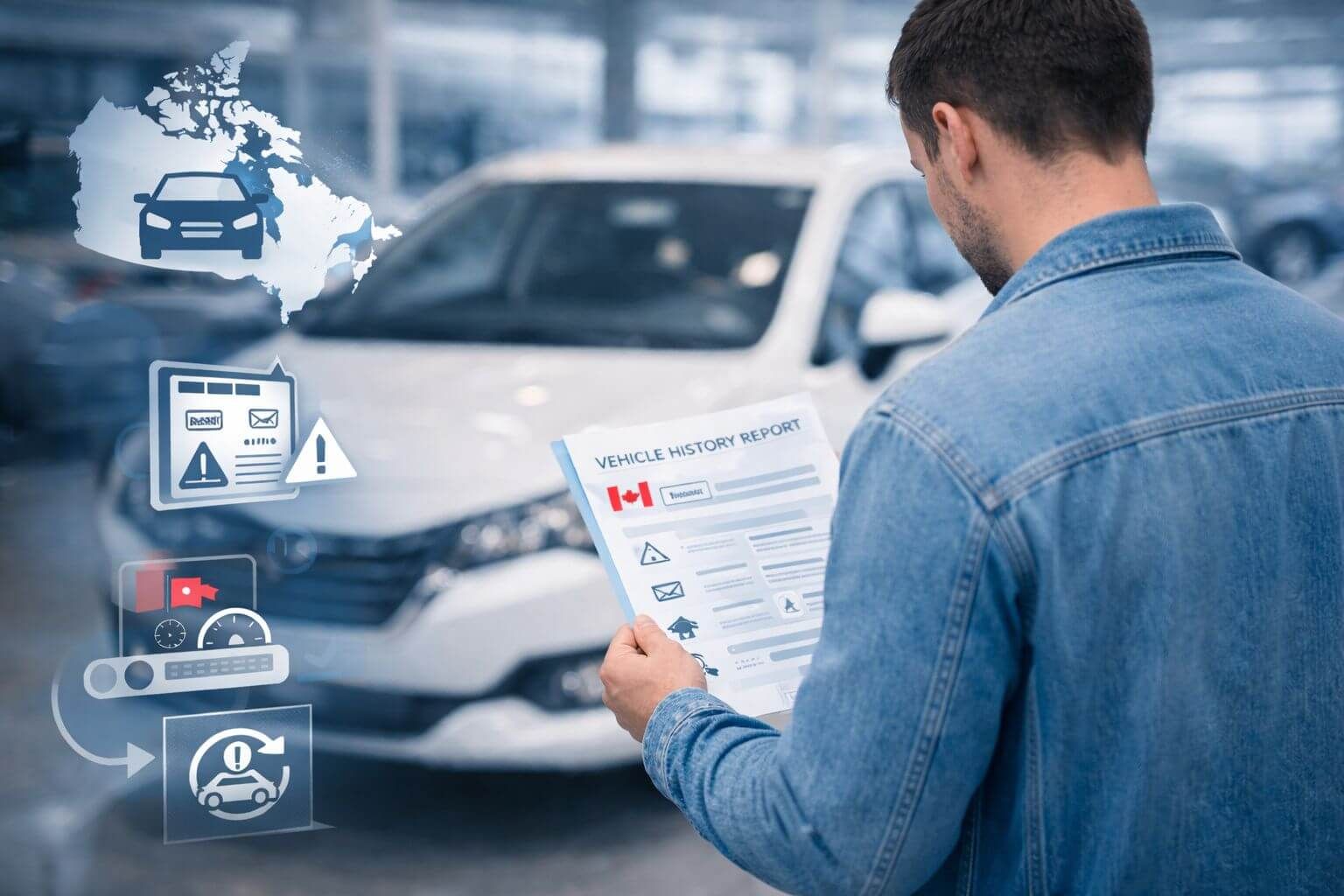
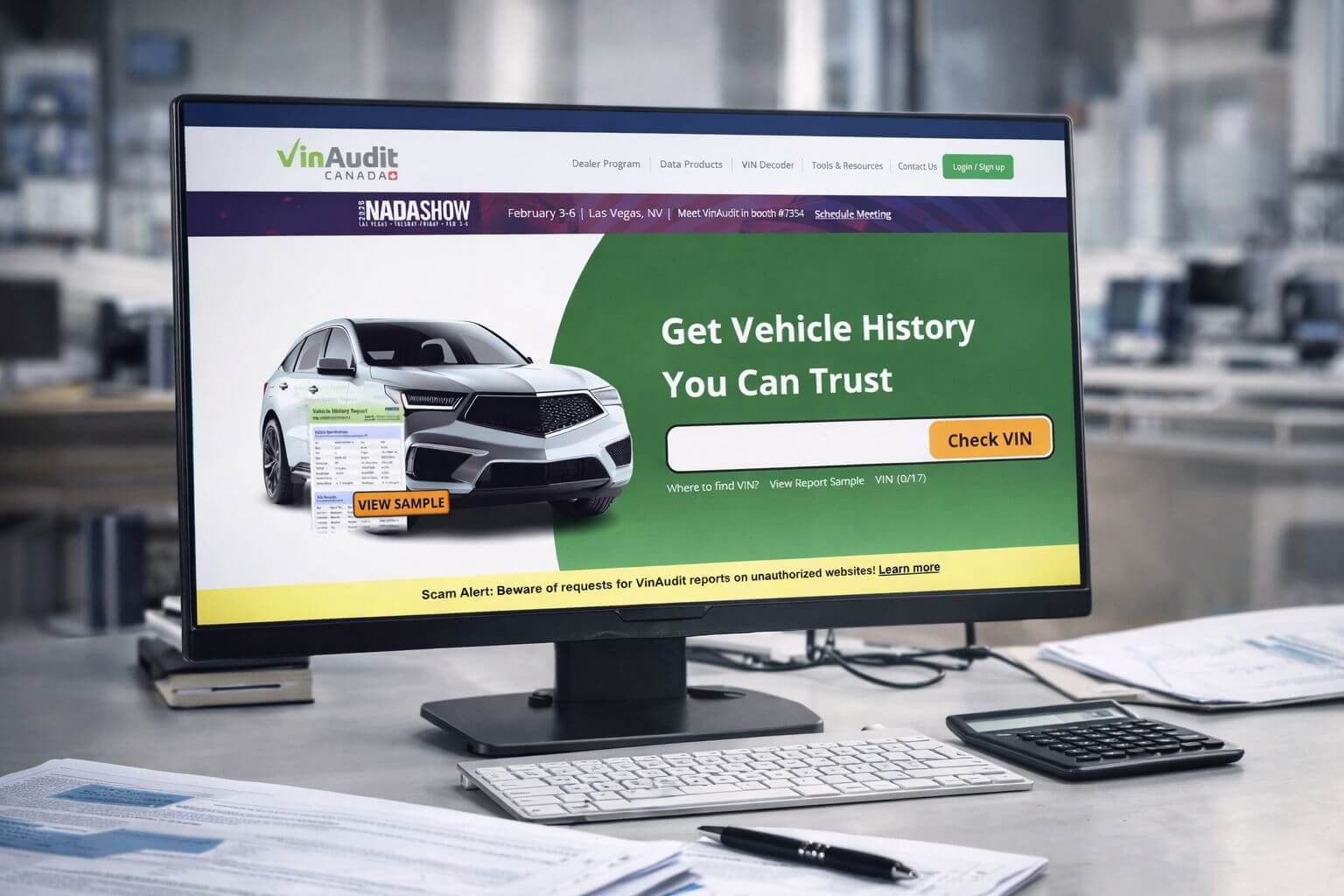
For consolidated VIN verification and risk indicators, buyers can review a vehicle history report before completing a private purchase.
Final Thoughts
Knowing how to check vehicle history before a private sale in Canada helps buyers reduce risk in transactions without dealer protections. Private sales require stronger due diligence—and VIN-based checks are central to that process.
Before buying, always verify the VIN, review history indicators carefully, and combine report findings with inspection and documentation review. These steps help ensure a safer, more confident private purchase.