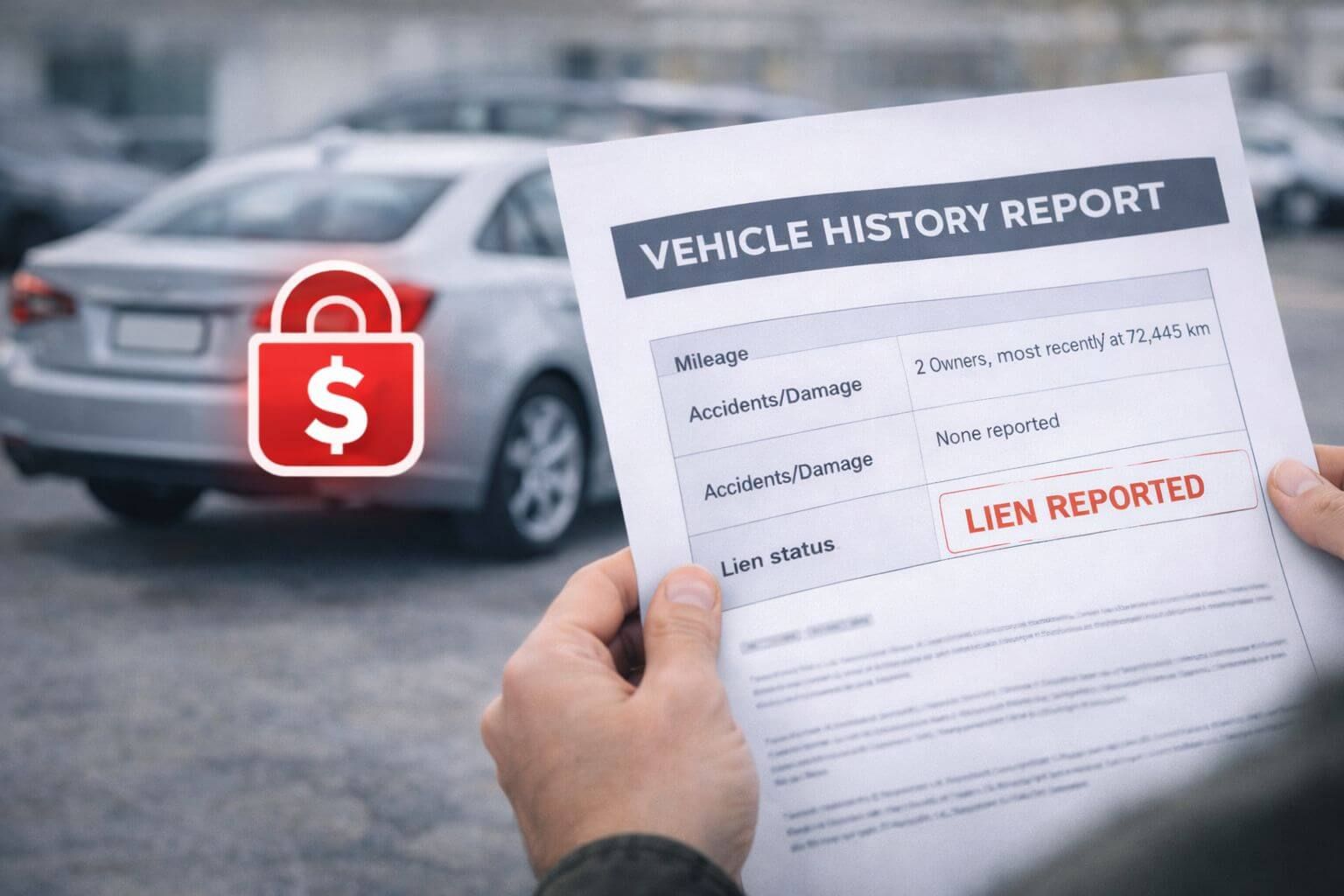
Selling a Car With a Lien in Canada: Is It Legal?
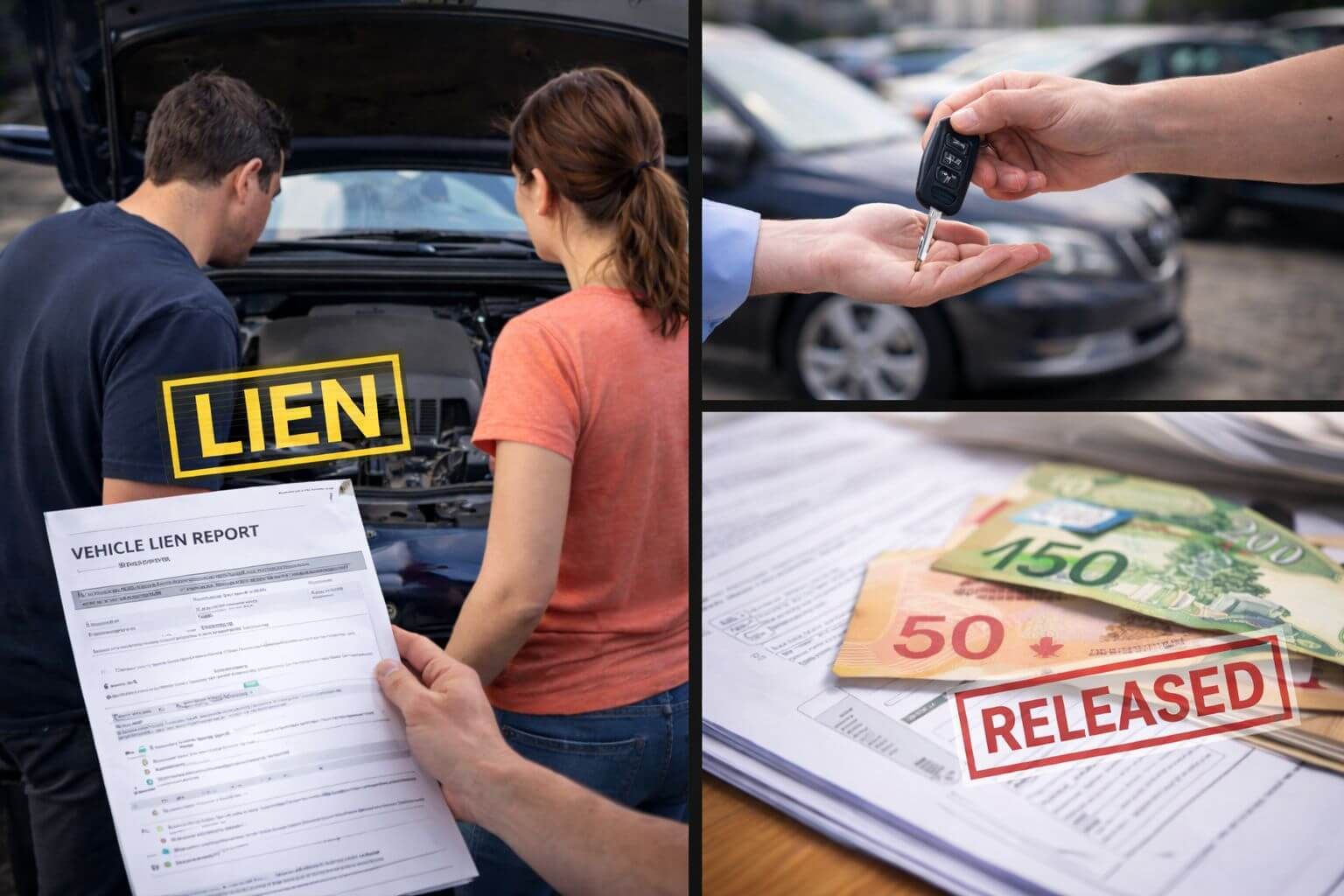
Selling a Car With a Lien in Canada: Is It Legal?
If you’re thinking about selling a used car in Canada but there’s still a lien registered against it, it’s normal to wonder whether you’re allowed to sell at all. The short answer is yes—selling a car with a lien can be legal. However, it has to be handled correctly. If you skip the proper steps, the sale can stall, the ownership transfer may be rejected, and either side could face financial loss or legal disputes.
Whether you’re selling privately or trading in, it’s important to understand how liens work and what you owe the buyer as the seller. From the buyer’s side, running a Canada lien search is one of the simplest ways to confirm lien status before any money changes hands. A good starting point is a lien search, which helps verify whether a vehicle has an active financial claim registered against it.
This guide explains what a vehicle lien is, whether you can legally sell a car with a lien in Canada, and how to structure the sale so both parties are protected.
What Is a Lien on a Vehicle?
A lien is a legal claim against a vehicle that secures an unpaid debt. Most commonly, it’s a financing lien—a lender registers a claim on the car until the auto loan is fully paid. Until that lien is discharged, the vehicle is not “clear” from a financial standpoint, even if the seller is the registered owner.
Other lien types can include:
- Mechanic’s lien: for unpaid repair bills
- Storage lien: for unpaid storage or impound fees
If the debt isn’t settled, the lienholder may have the right to seize or repossess the vehicle (depending on applicable provincial rules and the nature of the lien).
Is It Legal to Sell a Car With a Lien in Canada?
In general, yes—you can sell a car with a lien in Canada. The key is that the lien must be dealt with properly for the buyer to receive clean ownership.
While procedures vary by province or territory, the practical legal expectations are consistent:
- You must disclose the lien to the buyer.
- The lien must be paid off and released before or at the time of transfer (so the buyer doesn’t inherit a financial claim).
If you fail to disclose an active lien, you expose yourself to serious consequences. The buyer may pursue legal remedies, and the lienholder may still enforce its claim even after the vehicle changes hands.
Bottom line: Selling with a lien isn’t automatically illegal—but selling without disclosure or without properly clearing the lien is where problems begin.
Why Lien Disclosure Matters to Buyers
A buyer who unknowingly purchases a vehicle with an active lien can be put in a very unfair position. In the worst-case scenario, the lienholder could enforce its security interest, and the buyer could lose the vehicle—or be forced to pay someone else’s remaining debt to keep it.
This is why lien searches are standard due diligence in many Canadian private sales. Before closing a deal, buyers should confirm lien status using a reliable tool like a lien search.
If you’re selling in British Columbia—where private transactions are common, especially around Vancouver and Victoria—buyers may also want province-specific confirmation. Providing a completed British Columbia lien check can help keep the sale smooth and reduce last-minute concerns.
How to Sell a Car With an Active Lien (Safely and Legally)
If you still have an outstanding loan or lien, use this process to protect yourself and your buyer:
Contact the lienholder (usually your lender).
Ask for the current payoff amount (sometimes called the discharge amount) and confirm the steps required to obtain a lien release.Disclose the lien early.
Tell the buyer upfront that there’s an active lien and explain how you plan to clear it as part of the sale.Structure payment so the lien is paid off properly.
Common approaches include:- Seller pays off the lien before the sale and provides proof of discharge.
- Buyer pays the lienholder directly for the payoff amount, and any remaining balance goes to the seller.
Obtain written proof of lien release.
Once the lien is paid, request a lien release / discharge letter or official confirmation from the lienholder.Complete the ownership transfer only when the lien is cleared.
Transfer documents can vary by province, but clean transfer usually requires proof the lien has been discharged (or that it will be discharged as part of the same transaction).
Practical tip: Many people choose to meet at the lender’s branch or a registry office to complete the payoff and paperwork in one visit. This reduces risk and gives both parties real-time confirmation.
Final Thoughts: Sell the Right Way With Transparency
Selling a car with a lien in Canada is legal—but only if you handle it transparently and ensure the debt is settled before (or as part of) the transfer. The lien must be disclosed, and the buyer should receive clean ownership without outstanding claims.
You can legally sell a car with a lien—but hiding it risks legal consequences, damages your credibility, and can cause the deal to collapse.
If you’re planning to buy or sell, a quick lien verification can prevent expensive surprises. Use a trusted tool like a lien search to confirm the vehicle’s lien status and protect both parties throughout the transaction.