Detecting Odometer Fraud: What Used Car Buyers Need to Know
Odometer Fraud: How to Spot a Rolled-Back Odometer Before You Buy
A used car can look perfect on the outside and still hide expensive problems. One of the most common is odometer fraud, where the displayed mileage is intentionally reduced to make the vehicle seem newer, better maintained, and worth more than it really is.
Mileage plays a major role in pricing, maintenance expectations, and resale value. Even a modest rollback can significantly inflate a vehicle’s price. In many cases, removing 35,000–40,000 miles from a vehicle’s true mileage can increase its apparent value by $2,500–$3,000, depending on the model and market conditions.
Modern vehicles use digital odometers, but fraud has not disappeared. That’s why buyers should verify mileage using multiple data points instead of relying on the dashboard alone. One of the fastest ways to validate mileage consistency is through a dedicated car mileage check.
Why Odometer Fraud Still Happens
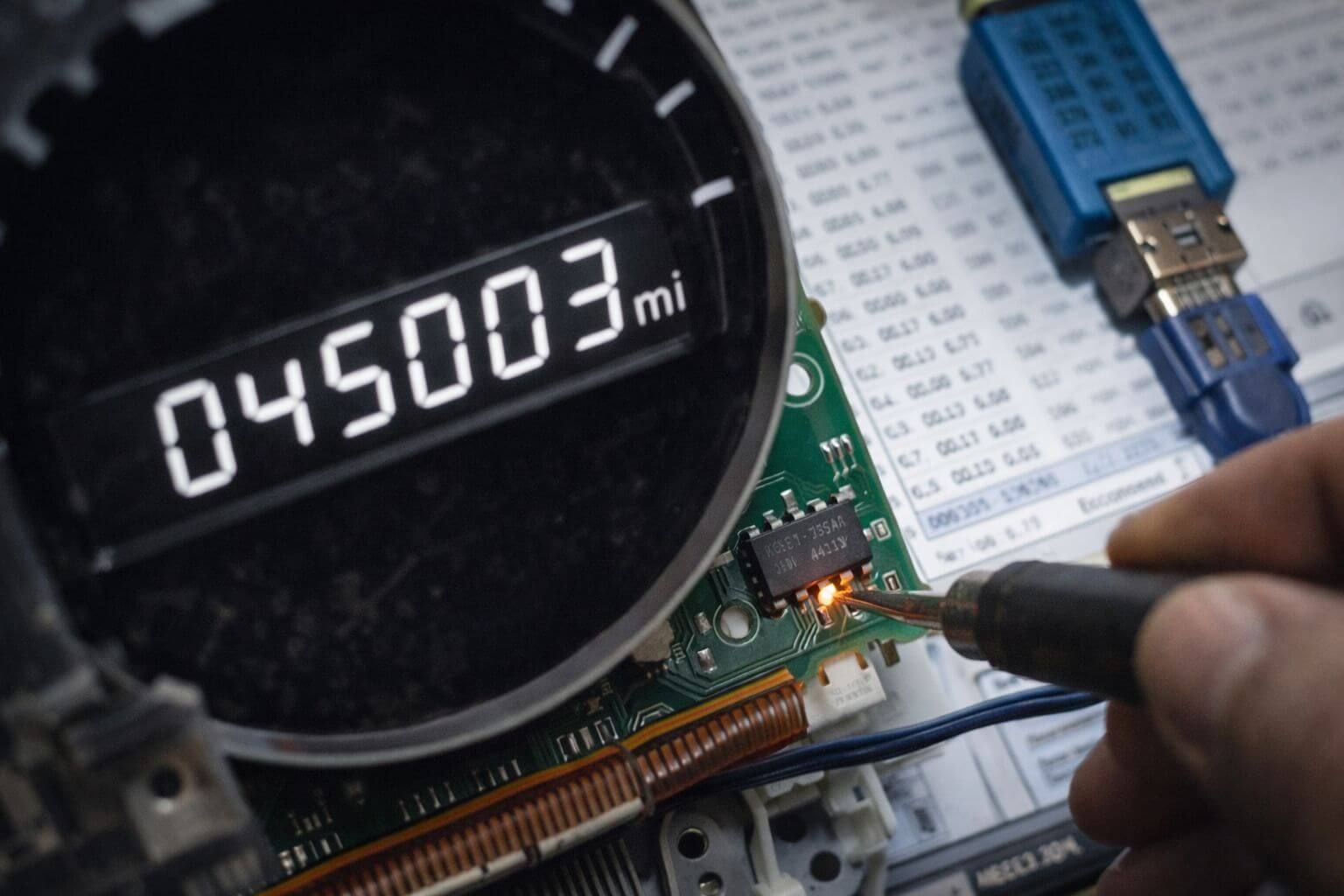
Odometer fraud—also called an odometer rollback—occurs when someone alters a vehicle’s mileage to hide wear and tear and inflate resale value. This deception can mislead buyers into overpaying for a vehicle that may require significant maintenance sooner than expected.
While digital odometers reduced simple mechanical tampering, mileage data is still stored electronically and can be manipulated. As a result, buyers should treat unusually low mileage as something to verify, not automatically trust.
For a detailed explanation of how rollbacks occur and why they persist in the used car market, see this overview of odometer fraud.
How to Tell If an Odometer Has Been Tampered With
Inspect the instrument cluster
Start by carefully examining the dashboard and instrument cluster.
Watch for:
- Misaligned or uneven numbers on analog odometers
- Flickering, dim, or inconsistent digital displays
- Loose trim, gaps, or signs the cluster was removed
- Fingerprints, smudges, or tool marks around the cluster
- Non-factory switches or unusual wiring
Any sign that the cluster has been opened should prompt further verification.
Compare mileage with wear and tear
Mileage should match the vehicle’s physical condition. A mismatch is one of the most common signs of rollback.
Check:
- Driver’s seat bolsters for excessive wear
- Steering wheel texture (overly smooth or shiny surfaces)
- Pedal wear compared to stated mileage
- Gear selector wear
- Keyhole or push-button ignition wear
Also inspect the tires. Vehicles showing very low mileage often still have original tires unless they were replaced early due to damage. New tires on a “low-mileage” car aren’t proof of fraud—but they should trigger questions.
Review service records and maintenance stickers
When digital odometers are involved, documentation becomes critical.
Look for:
- Oil change and service stickers under the hood or in the door jamb
- Maintenance logs inside the owner’s manual
- Repair invoices showing mileage at time of service
If an odometer was replaced or repaired, legitimate documentation should note:
- Date of installation
- Last recorded mileage before replacement
- Mileage added while the odometer was inoperable, if applicable
Missing records or inconsistent entries are warning signs.
Verify mileage using vehicle history data
One of the most effective ways to detect odometer rollbacks is by comparing current mileage with historical records.
A vehicle history report allows you to cross-check:
- Registration and title mileage entries
- Service and inspection records
- Reported mileage changes over time
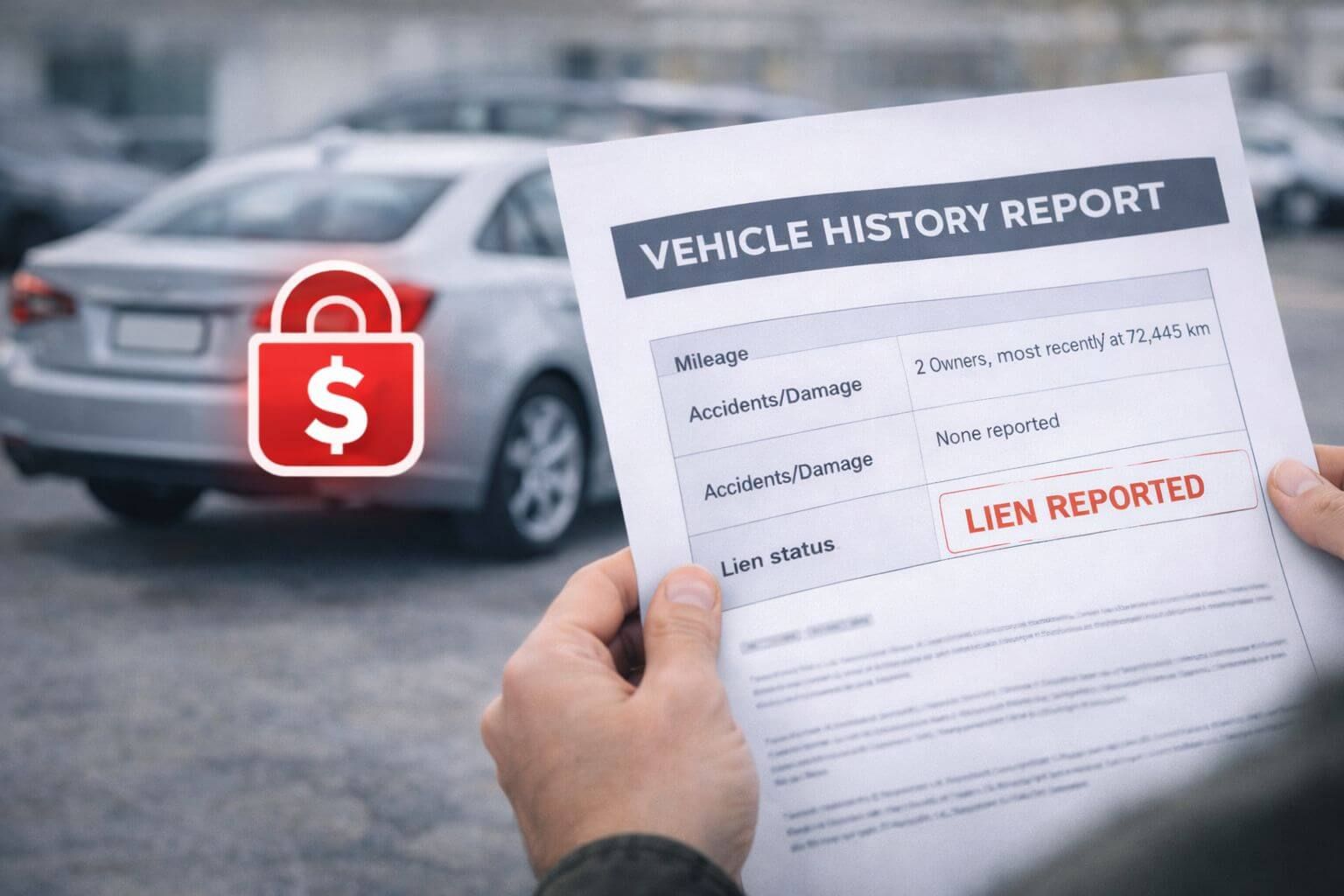
You can validate mileage consistency using a vehicle history report and confirm whether the dashboard reading aligns with recorded data. For additional peace of mind, use a dedicated car mileage check to quickly flag inconsistencies.
What to Do If You Suspect an Odometer Rollback
If something doesn’t add up:
- Pause the transaction and avoid making assumptions
- Ask for maintenance records and verify mileage timelines
- Request a pre-purchase inspection and ask the mechanic to assess wear versus mileage
- Confirm mileage using history reports and mileage tools
If the seller becomes evasive or refuses verification, the safest option is to walk away.
If fraud is discovered after purchase, document all evidence and consider reporting it to the appropriate authorities. Odometer tampering is a criminal offense in many jurisdictions.
FAQ: Odometer Fraud and Mileage Verification
What is odometer fraud?
Odometer fraud occurs when a vehicle’s mileage is altered to make it appear less used than it really is, usually to increase resale value.
Are digital odometers immune to tampering?
No. While they reduced simple mechanical rollbacks, digital odometers can still be manipulated depending on the vehicle’s electronic systems.
What’s the easiest way to detect a rollback?
Comparing dashboard mileage against recorded data is the most reliable method. A combination of a car mileage check and a vehicle history report helps reveal discrepancies.
What physical signs suggest mileage manipulation?
Excessive wear on seats, pedals, or the steering wheel that doesn’t match the stated mileage, along with signs the dashboard was removed, are common indicators.
Should I negotiate if mileage seems questionable?
Usually no. Uncertain mileage means uncertain value and condition. Verification should come first, and walking away is often the safest choice.
Final Reminder
Odometer fraud is avoidable when buyers verify mileage instead of relying on appearances. By checking wear patterns, reviewing service records, and validating recorded mileage, you protect yourself from overpaying and unexpected repairs.
Before buying, confirm mileage using a car mileage check and review the vehicle’s background with a vehicle history report.