Avoid Scams When Buying Cars from Private Listings
Private car sales can offer excellent value. However, they also come with real risks. Scammers often rely on urgency, emotional pressure, and incomplete information to trick buyers into paying for vehicles that are misrepresented, heavily damaged, or sometimes nonexistent. While many private sellers are legitimate, buyers must stay informed to avoid costly mistakes.
A scenario every buyer wants to avoid
Consider Mark, a young professional searching for his first used car.
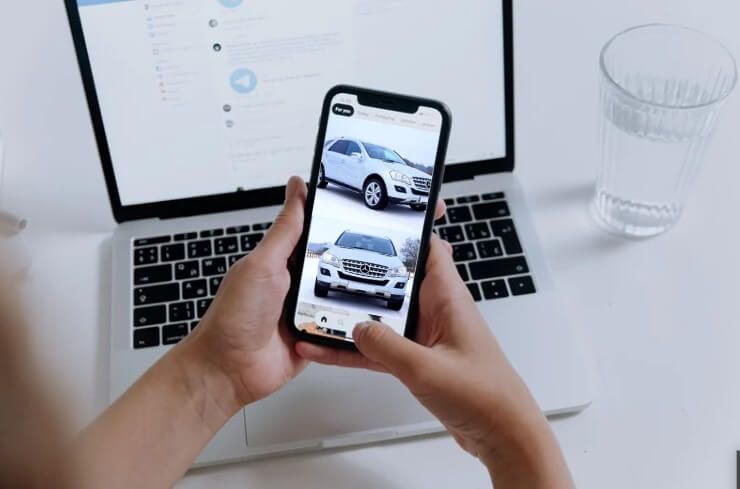
He came across an online listing priced far below market value. The seller claimed they were relocating overseas and needed a quick sale. The photos looked professional, the description sounded detailed, and the story seemed reasonable.
However, before allowing an inspection, the seller requested a wire-transfer deposit, insisting that several other buyers were interested. Feeling pressured, Mark sent the money. After that, the seller disappeared. The contact details were fake, the vehicle never existed, and Mark lost his savings.
Situations like this are unfortunately common. Understanding how scams work—and how to verify listings—can help buyers avoid falling into the same trap.
Common Scams in Private Car Sales
Fake Listings
Scammers often advertise vehicles at unrealistically low prices to attract quick interest. These listings may use stock photos, generic descriptions, or avoid in-person meetings entirely. In many cases, the vehicle either does not exist or is not actually owned by the seller.
How to protect yourself:
Be skeptical of prices that seem too good to be true. Always insist on seeing the car in person before sending any money.
Title Washing
Some sellers attempt to hide a vehicle’s salvage, flood, or accident history by transferring the title between jurisdictions. This practice—known as title washing—can make a severely damaged car appear clean on paper.
How to protect yourself:
Request a full vehicle history check using a trusted source like a VinAudit vehicle history report. This helps uncover prior accidents, insurance claims, and title inconsistencies that may not appear on the surface.
Odometer Fraud
Odometer rollback involves tampering with the mileage to make a vehicle appear less used than it really is. Lower mileage can significantly inflate a car’s perceived value and mislead buyers about its condition.
How to protect yourself:
Compare the odometer reading with service records and vehicle history reports. Excessive wear on pedals, steering wheels, or seats can also signal higher mileage than advertised.
Payment Scams
Some sellers manipulate payment methods to steal funds. Common tactics include advance payment scams—where deposits are demanded before inspection—and overpayment scams, where fake checks are sent and partial refunds requested.
How to protect yourself:
Never send money before seeing the vehicle and confirming ownership. Avoid wire transfers and unverified cashier’s checks whenever possible.
Curbstoning
Curbstoners are unlicensed dealers who pose as private sellers, often selling multiple vehicles under different names. These cars frequently have undisclosed problems such as salvage titles or altered mileage.
How to protect yourself:
Research the seller thoroughly. Multiple listings using the same contact details or vague answers about vehicle history are major warning signs.
How to Verify a Legitimate Private Car Listing
Research the Seller
Ask for the seller’s full name, contact details, and proof of ownership. Request to see the title and registration to confirm they legally own the vehicle. Sellers who refuse phone calls or in-person meetings should raise immediate concern.
Inspect the Vehicle Carefully
A legitimate listing typically includes:
- Accurate mileage information
- Maintenance and service records
- Clear photos of the interior, exterior, and engine bay
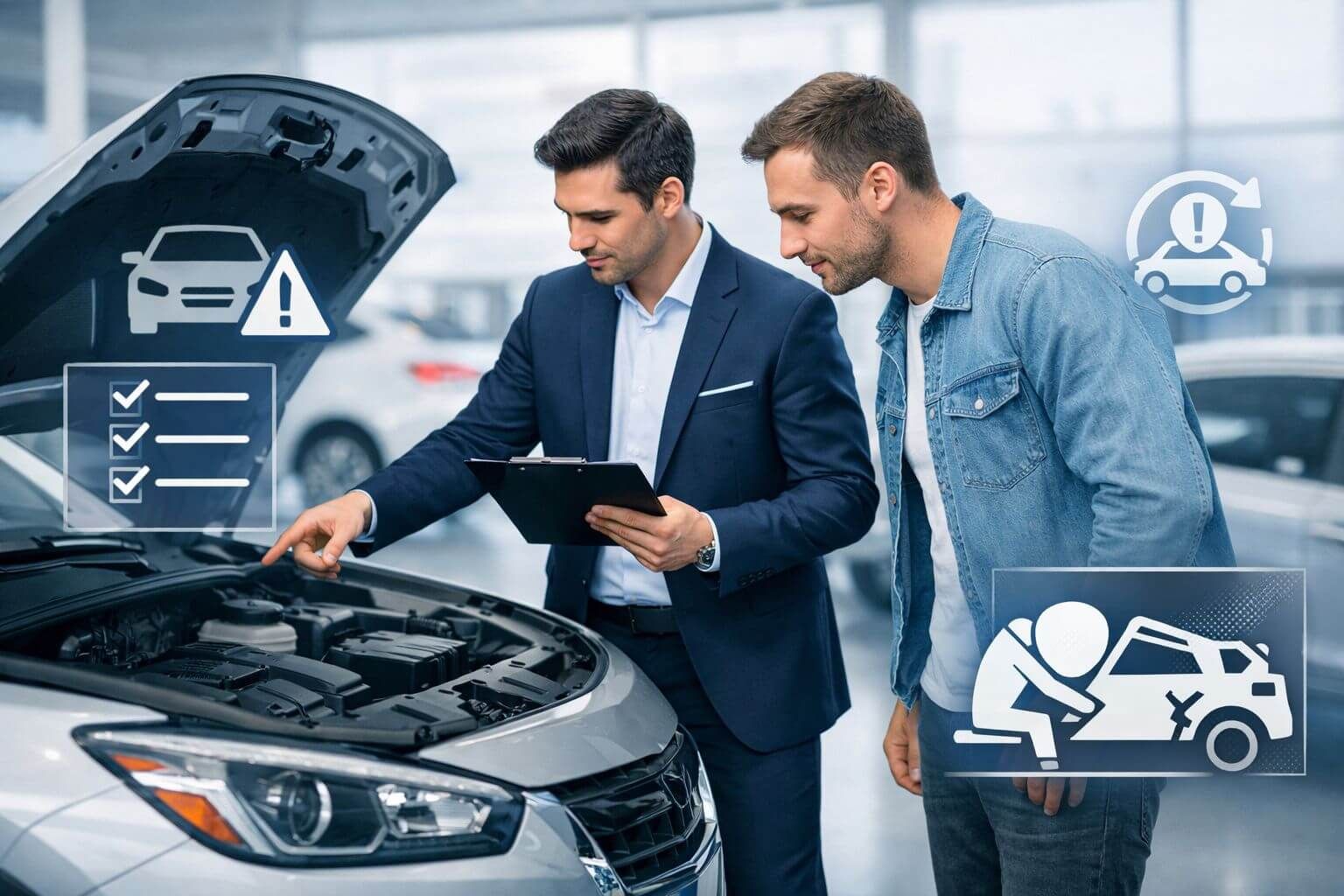
Whenever possible, arrange an independent inspection by a trusted mechanic before finalizing the purchase.
Wrapping Up: How to Protect Yourself When Buying Privately
Private car sales do not have to be risky—but only if buyers remain cautious.
Imagine finding a vehicle at an unusually low price and being asked to send a deposit before even seeing it. The deal might sound tempting, but taking a step back can make all the difference. Verify the VIN, request a vehicle history report, and insist on meeting in person. If the seller refuses or pressures you to act quickly, it’s often best to walk away.
By researching sellers, verifying vehicle history, and refusing to send money upfront, buyers can avoid fraud and shop with confidence. Trust your instincts, ask questions, and remember: a legitimate deal will always stand up to scrutiny. Taking a little extra time now can prevent major financial losses later—and help ensure a safe, stress-free car-buying experience.