Detecting Odometer Reading Fraud: A Guide for Car Buyers in Canada
Despite a used car’s clean appearance and attractive price, hidden issues like odometer fraud can significantly affect its true value and reliability. The odometer reading—representing how far a vehicle has actually traveled—is one of the most important factors in evaluating a used car. When that number is manipulated, buyers risk overpaying for a vehicle that may already have extensive wear and hidden mechanical problems.
This guide explains what odometer fraud is, how to spot it, and what steps you can take to protect yourself before buying a used car in Canada.
Understanding Odometer Fraud
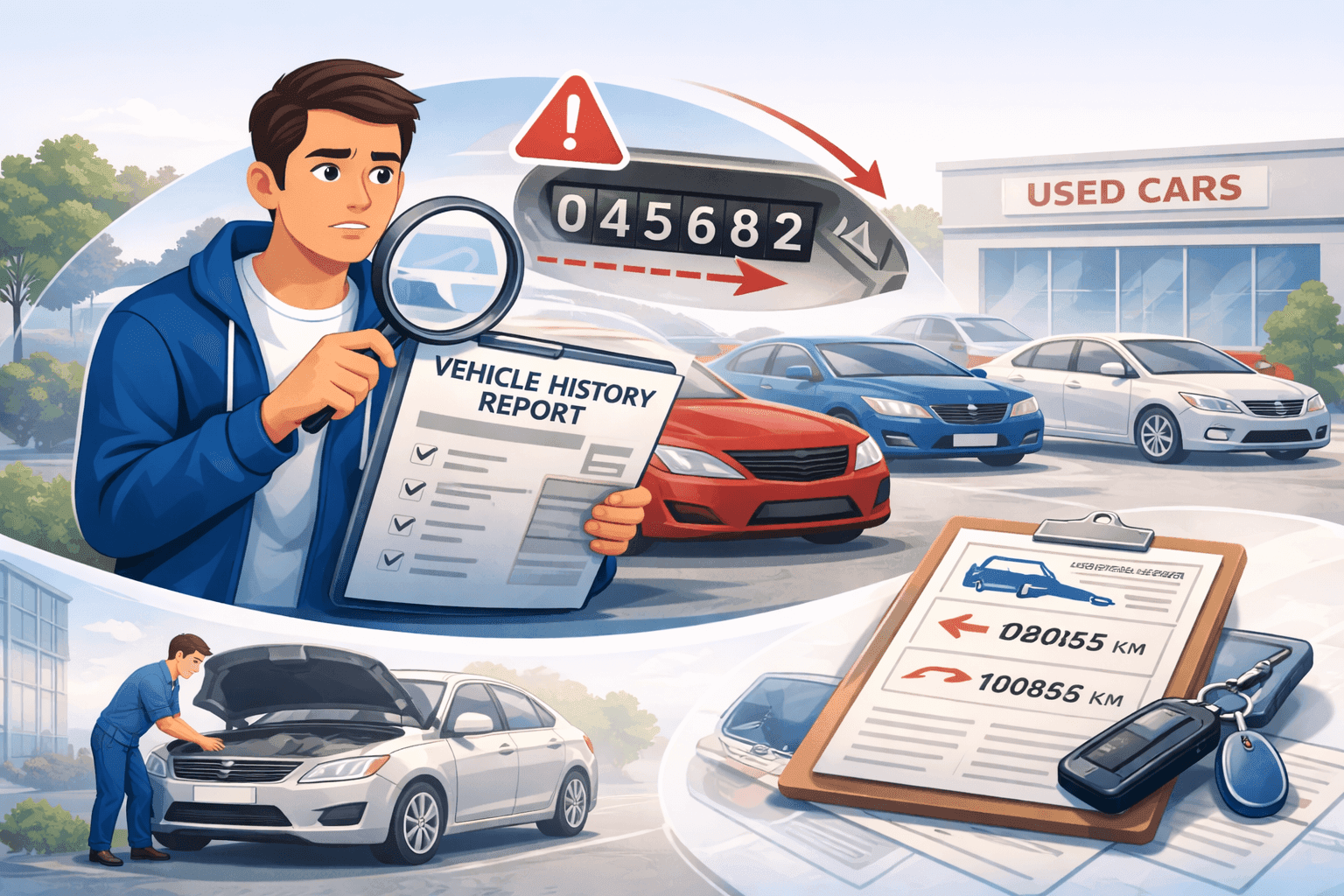
Odometer fraud, also known as an odometer rollback, occurs when a seller deliberately reduces the displayed mileage to make a vehicle appear less used and more valuable than it truly is. This deceptive practice can hide years of wear, deferred maintenance, or excessive usage that would normally lower the car’s price.
Odometer rollbacks distort a vehicle’s true history, misleading buyers about:
- Actual vehicle usage
- Expected maintenance needs
- Remaining lifespan and resale value
Even though modern vehicles use digital odometers, fraud has not disappeared. Sophisticated tools and software can still be used to alter electronic mileage data, making independent verification more important than ever. You can learn more about how this scam works in detail here:
👉 Odometer Rollbacks Explained: https://www.vinaudit.com/odometer-fraud
How Can You Spot a Tampered Odometer?
Before purchasing a used car, take these essential steps to reduce the risk of odometer fraud:
Conduct a pre-purchase inspection
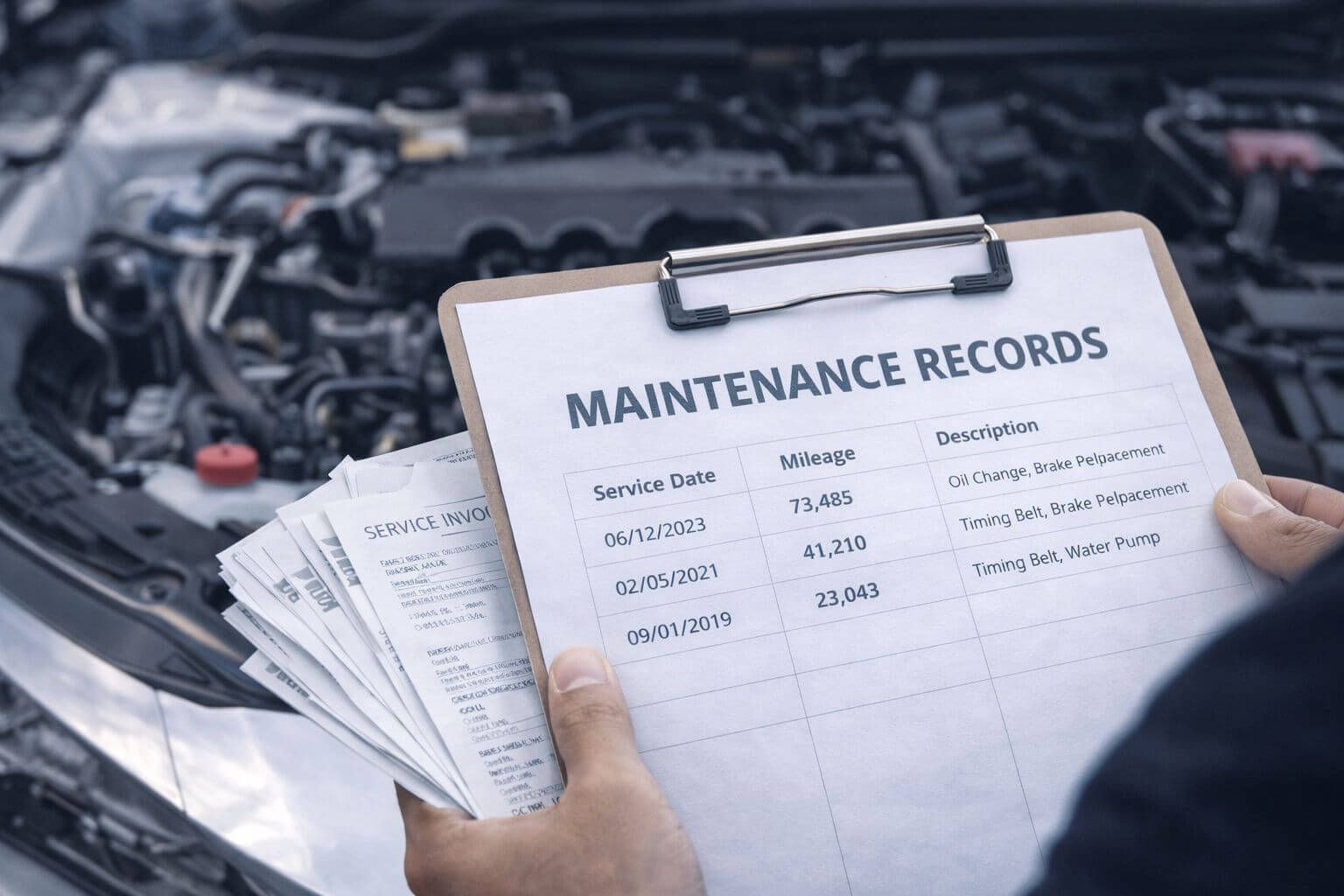
Have the vehicle examined by a trusted mechanic who can identify signs of excessive wear inconsistent with the displayed mileage.Obtain a vehicle history report
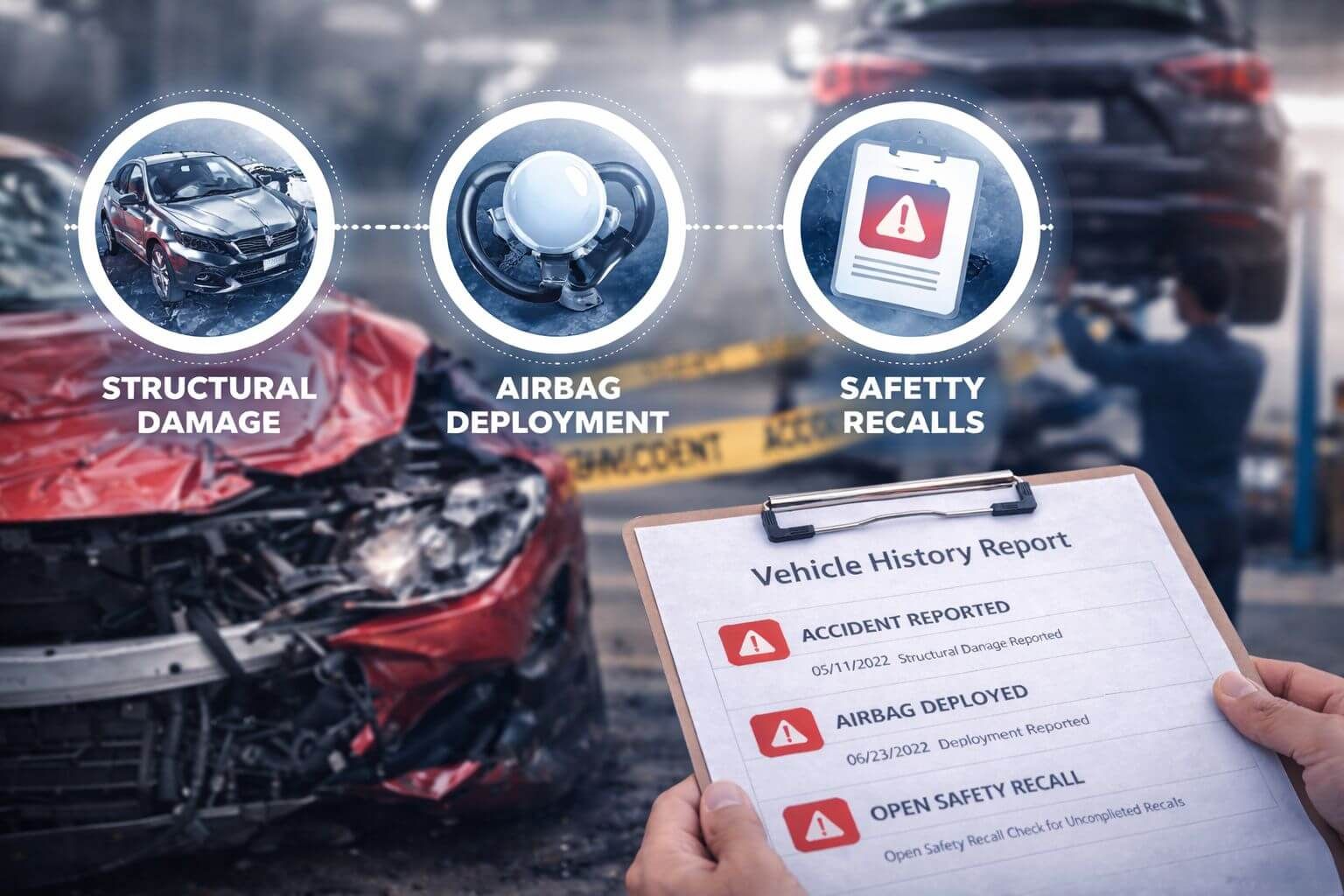
Use a trusted source like VinAudit Canada to review ownership history, service records, reported mileage readings, and inconsistencies over time.
👉 https://www.vinaudit.ca/Compare reported mileage
Cross-check the mileage shown on the odometer with past records in the vehicle history report. Gaps or sudden drops are strong red flags.Assess wear and tear
Inspect high-contact areas such as the steering wheel, pedals, gear selector, and driver’s seat. Excessive wear often indicates higher mileage than advertised.Consider regional mileage averages
Compare the vehicle’s mileage with typical annual driving distances in your province or city. Extremely low mileage for an older vehicle should raise questions.
What Are the Risks of a Tampered Odometer?
Failing to detect odometer fraud can have serious consequences:
Inaccurate reliability assessment
Mileage is a key indicator of mechanical wear. A falsified reading can lead buyers to underestimate future repair and maintenance needs.Overpaying for the vehicle
Vehicles with lower mileage command higher prices. Fraudulent readings inflate the car’s perceived value and distort its true
👉 market value: https://www.vinaudit.ca/market-value-toolUnexpected financial losses
Buyers may face costly repairs sooner than expected, erasing any perceived savings from the purchase.Legal complications
Odometer tampering is illegal in most jurisdictions. While sellers face penalties, buyers may still endure legal and administrative challenges if fraud is discovered after purchase.Erosion of trust
Odometer fraud damages trust in the used car market, making transparency and verification critical for both buyers and sellers.
How Should You Deal With Suspected Odometer Rollback?
If you believe a vehicle’s mileage has been manipulated, take action immediately:
Consult a dealership or specialist
Authorized dealerships can sometimes access control module data to verify actual mileage stored in the vehicle’s systems.Report the issue
Odometer fraud is a criminal offense. Report suspected cases to local authorities or consumer protection agencies.Do not proceed with the purchase
Walk away if explanations are unclear or documentation does not align.Use reliable verification tools
Vehicle history reports, professional inspections, and expert advice remain your strongest defenses against odometer fraud.
Final Takeaway
Odometer fraud is one of the most damaging scams in the used car market—but it is also one of the most preventable. By verifying mileage, reviewing a detailed vehicle history report, and paying close attention to physical wear, you can avoid costly mistakes and protect your investment.
When in doubt, transparency wins. Always verify before you buy.