Car Accidents: Steps to Take & Stay Safe on the Road

No one expects to be in a car accident, but it happens every day—from minor fender benders to serious collisions. Knowing what to do (and what not to do) can protect your safety, preserve key evidence, and reduce problems with insurance claims later.
This guide covers practical safe-driving habits, safety features worth prioritizing, and clear steps to take after an accident.
Top 5 Tips for Safe Driving
Stay focused on the road
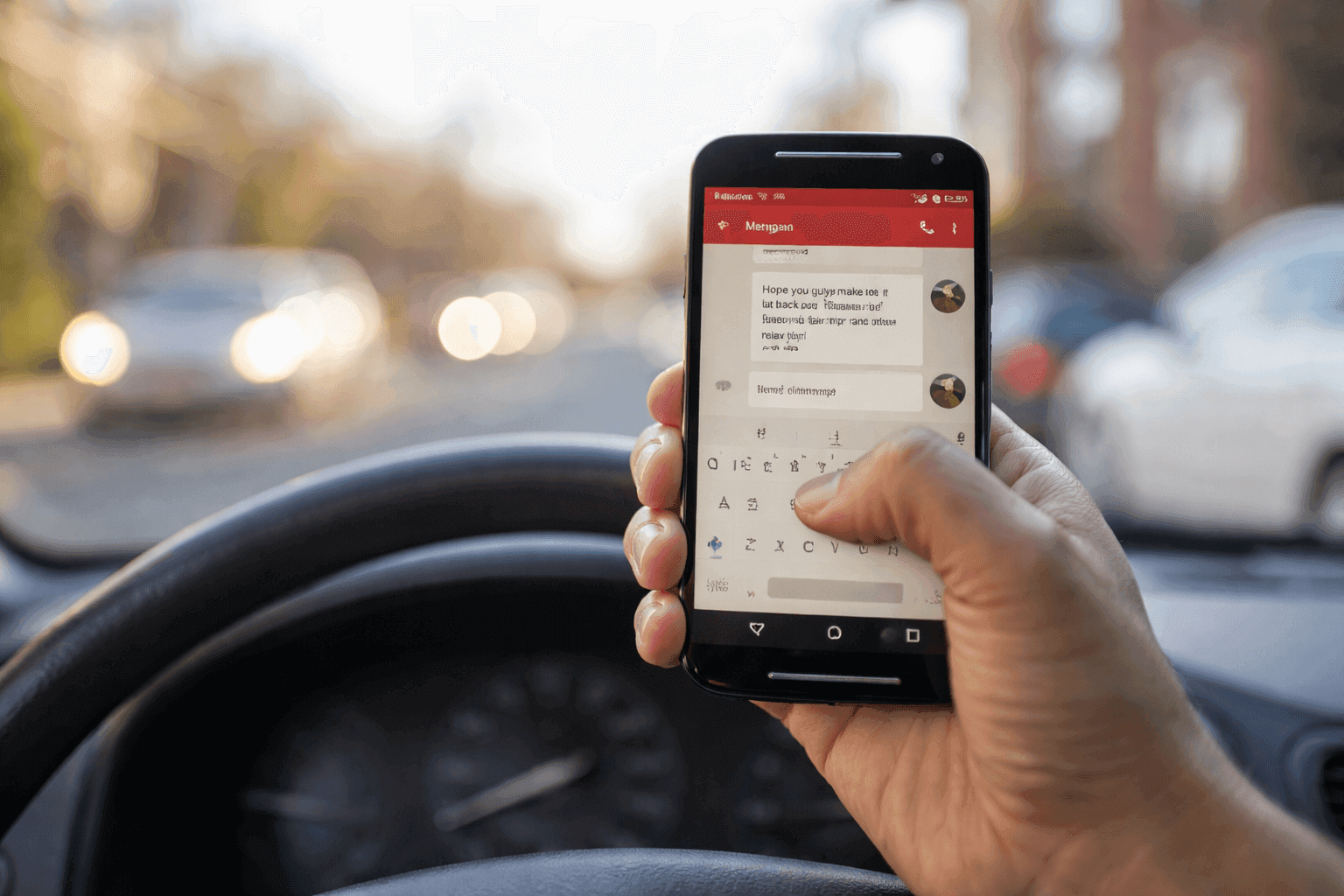
Avoid distractions like texting, eating, or multitasking. Full attention improves reaction time and lowers crash risk.Follow traffic laws and speed limits
Higher speed reduces your time to react and increases the severity of impact. Driving at safe speeds helps you stay in control.Maintain a safe following distance
Use the 3-second rule under normal conditions. Increase that distance in rain, snow, or heavy traffic.Signal early and check blind spots
Turn signals help other drivers predict your movement. Always check mirrors and blind spots before changing lanes to avoid unseen vehicles.Adjust to road and weather conditions
Slow down when visibility is low, roads are wet, or traffic is dense. For winter conditions, review these tips on
driving safely on icy roads.
Car Safety Features That Help Prevent Accidents
Modern safety tech can reduce collisions or reduce their severity. If you’re shopping for a vehicle, these features are worth prioritizing:
- Anti-lock Braking System (ABS): Helps prevent wheel lockup and improves steering control during emergency braking.
- Electronic Stability Control (ESC): Reduces the chance of skidding or spinning out, especially on slippery roads.
- Blind-spot Monitoring: Alerts you when a vehicle is in hard-to-see areas beside you.
- Automatic Emergency Braking (AEB): Detects obstacles and can brake automatically to avoid or lessen impact.
- Lane Departure Warning: Warns when you drift out of your lane without signaling.
If you’re buying used, don’t rely on features alone—verify the vehicle’s history. A
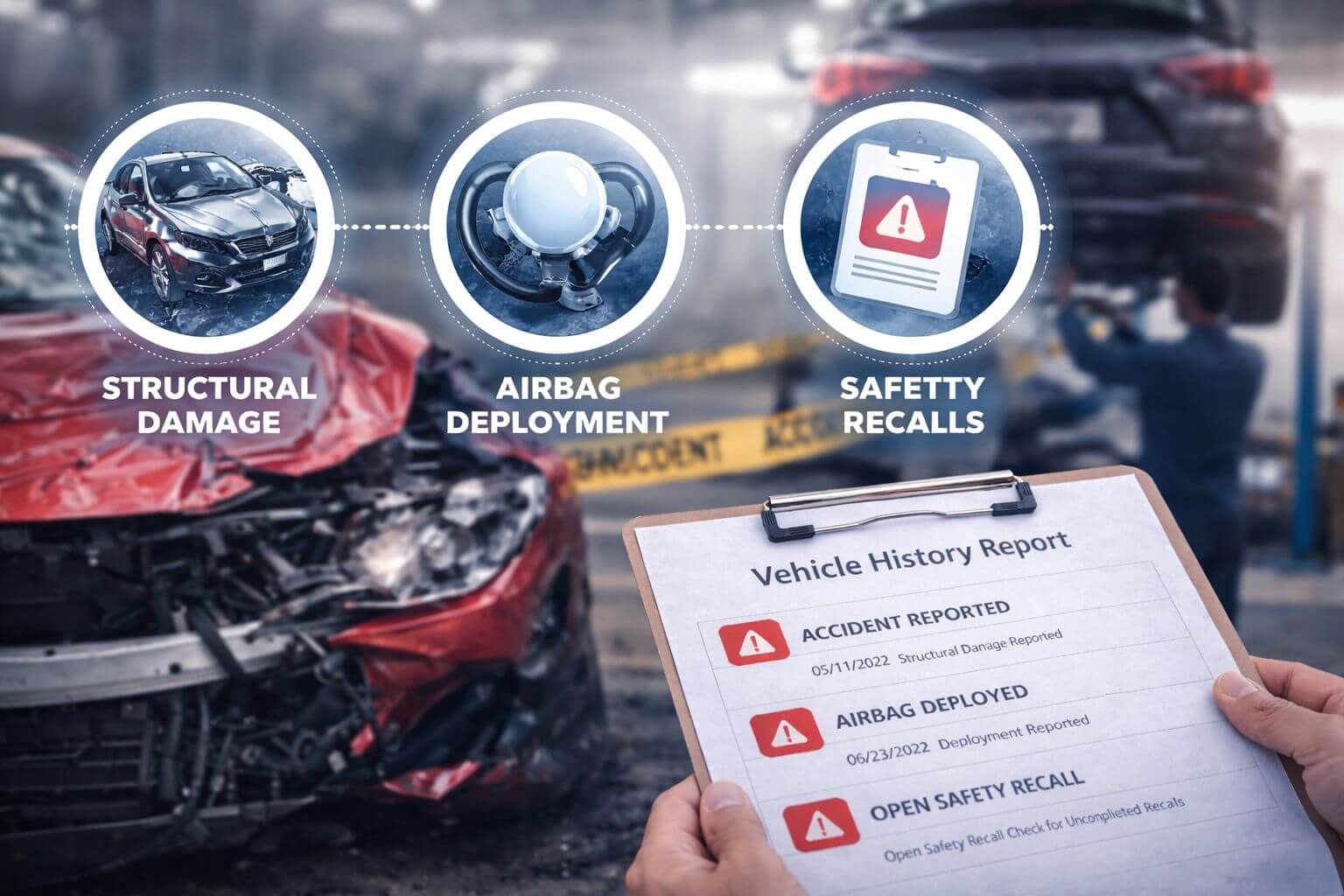
VinAudit Canada VIN Check can reveal reported accidents and other safety-related records, helping you choose a vehicle that’s more likely to be reliable on the road.
What to Do in a Hit-and-Run Accident
Hit-and-runs can feel chaotic, but quick action helps preserve evidence.
Capture identifying details (if safe)
Note the other vehicle’s license plate, make, model, colour, and direction of travel.Take photos and videos immediately
Document:- Damage to your vehicle
- The surrounding area and traffic signs
- Skid marks, debris, and street lighting
- Any visible injuries (if appropriate)
Find witnesses and collect contact info
Ask nearby drivers or pedestrians what they saw. Get names and phone numbers.Report to police and notify your insurer
File a police report as soon as possible and contact your insurance provider promptly.
Legal Considerations After an Accident
Accident-related rules can vary by province, but these principles generally apply:
When to contact a lawyer
Consider legal help if there are injuries, disputed fault, serious property damage, or insurance delays/denials.Understand fault and coverage rules
Some provinces use no-fault insurance, where your own insurer may cover certain costs regardless of fault. Fault can still matter for claims, deductibles, or future premiums.If the other driver is uninsured
Your own uninsured motorist coverage (or equivalent protection) may help cover damages. Document everything carefully and report promptly.
Be Prepared: What to Keep in Your Car
A few items can make a stressful situation much easier:
- Proof of insurance (printed or digital)
- A charged phone and car charger
- Emergency kit (first aid supplies, flashlight, basic tools)
- Pen and paper (backup for documenting details)
- A copy of the Insurance Bureau of Canada Accident Report Form
Accident Report Form
Stay Safe, Stay Prepared
Accidents are stressful, but preparation reduces the confusion. Safer driving habits, strong safety features, and knowing what steps to follow after an accident can protect your wellbeing and strengthen your insurance claim. Stay alert, stay informed, and plan for the unexpected—so you’re ready if it ever happens.