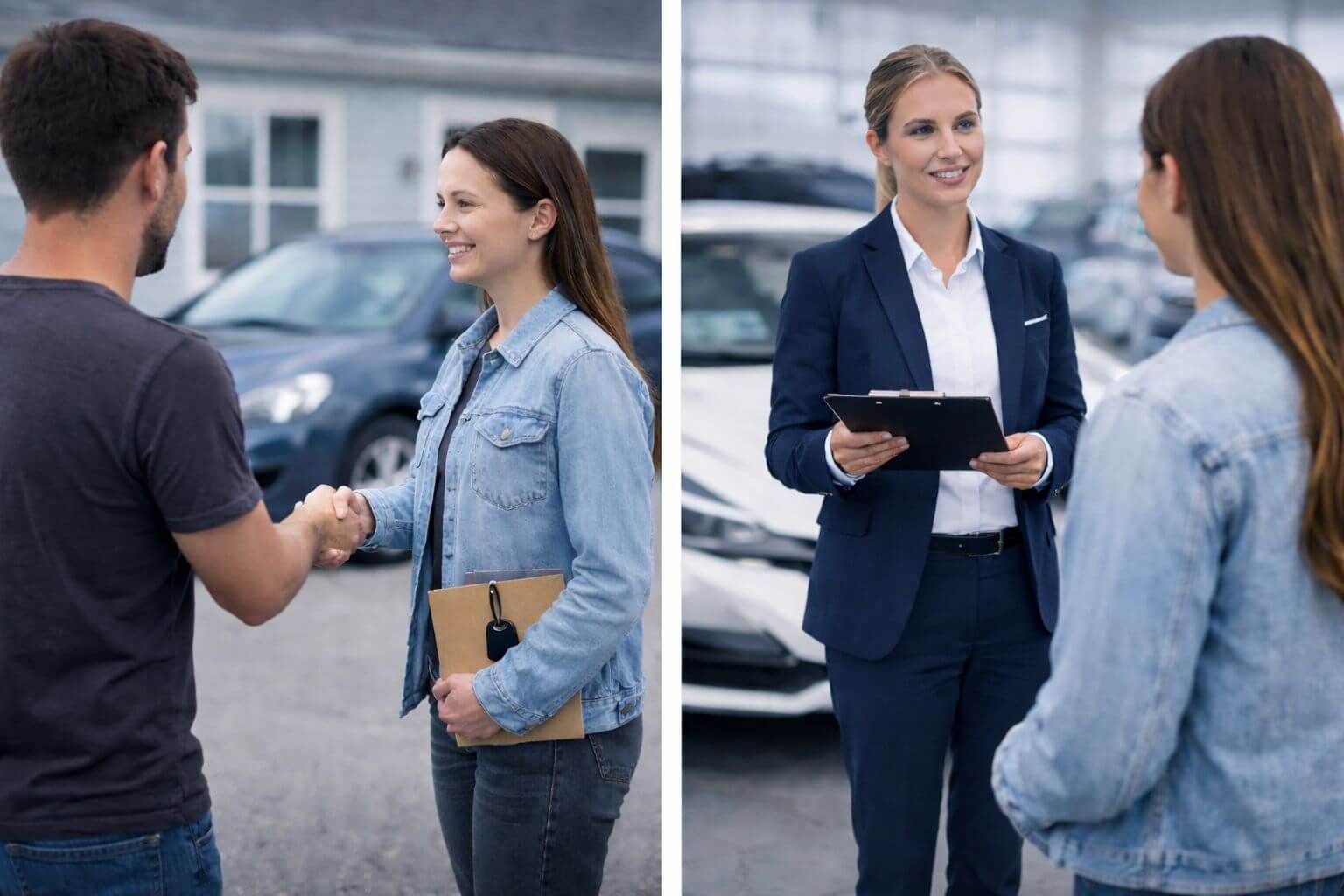
Curbsiding in Canada: How to Spot an Illegal Dealer Posing as a Private Seller
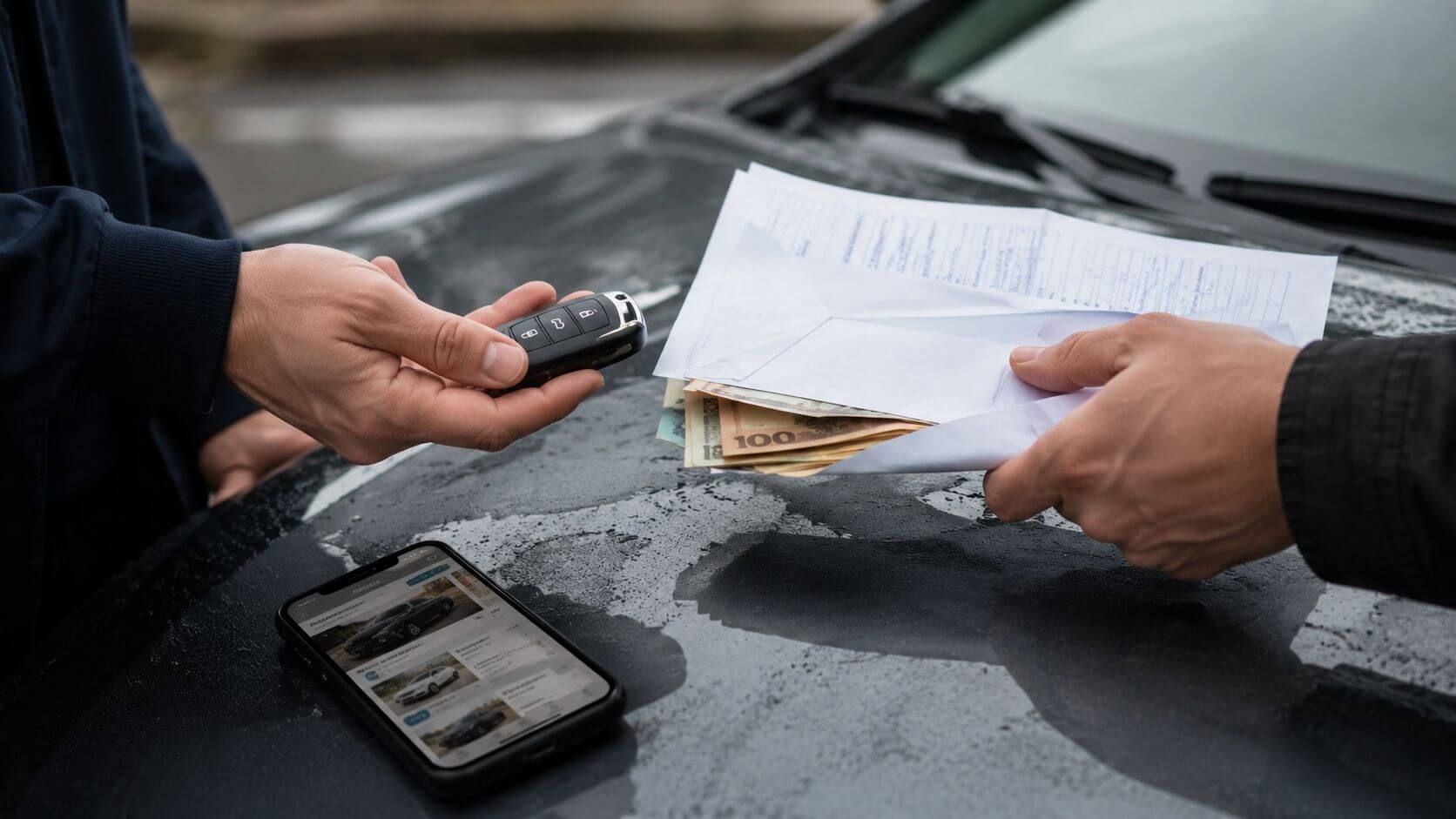
Curbsiding in Canada is one of the most overlooked risks in the used car market. It happens when someone who is really operating like a dealer pretends to be a private seller. To a buyer, the listing may look like a normal private sale: one vehicle, one owner, a casual message, and a lower price than a dealership. But behind the scenes, the seller may be flipping vehicles for profit without a dealer licence, proper disclosure, or the consumer protections that normally apply to regulated dealers.
That is the danger. A true private seller is usually selling their own vehicle. A curbsider is often selling vehicles as a business while trying to avoid dealer rules. Some curbsiders sell cars with hidden accident history, odometer issues, liens, mechanical problems, stolen parts, salvage branding, or unclear ownership. Others simply disappear once the buyer discovers the problem.
Before you pay for a used vehicle, make sure the seller is who they claim to be, the vehicle belongs to them, and the records support the story. A simple VIN check and a structured car buyer checklist can help you spot inconsistencies before the sale becomes your problem.
What is curbsiding?
Curbsiding is the illegal or unlicensed sale of vehicles by someone acting like a dealer while posing as a private seller. The seller may buy vehicles cheaply, make minimal repairs, advertise them online, and resell them for profit without registering as a motor vehicle dealer.
The term is used across Canada, though some provinces may also use words like “curber.” Ontario’s vehicle sales regulator, OMVIC, describes curbsiders as illegal, unlicensed vehicle dealers who often pose as private sellers. The Vehicle Sales Authority of BC similarly describes a curber as an unlicensed individual or business selling vehicles for profit to consumers while posing as a private seller.
In plain language: curbsiding is when someone acts like a dealer but hides behind a private-sale label.
Why curbsiding is risky for buyers
The risk is not only that the seller may be breaking licensing rules. The real danger is that buyers can lose the protections they expected to have.
When you buy from a licensed dealer, that dealer is usually subject to provincial motor vehicle sales rules. They may be required to make certain disclosures, use proper contracts, follow advertising standards, and comply with licensing requirements. If something goes wrong, you may be able to complain to the provincial dealer regulator.
With a curbsider, the seller may be hard to find after the transaction. The vehicle may not be registered in their name. Their phone number may stop working. The online profile may disappear. The address may be fake or temporary.
OMVIC warns that curbsiders often misrepresent both themselves and the vehicles they sell, including vehicles that may have been previous write-offs, undisclosed accident repairs, or tampered odometers. In BC, the VSA warns that buyers who purchase privately have limited options if problems arise and may need to go to court to seek compensation.
That is why the safest approach is to identify a curbsider before you buy, not after.
Curbsiding vs. a legitimate private sale
A legitimate private sale usually involves a person selling a vehicle they actually own and have used. They can show ownership documents, explain the vehicle’s history, meet at a normal location, provide maintenance records, and answer questions about how the car was used.
A curbsider often cannot do that. They may know little about the vehicle beyond what is in the listing. They may avoid showing identification. They may say the vehicle belongs to a friend, cousin, customer, or relative. They may have several vehicles listed at the same time. They may refuse to meet at their home or insist on cash.
The difference is not always obvious, so buyers should verify the seller, the vehicle, and the paperwork together.
Common curbsider warning signs
One red flag does not always prove curbsiding, but several together should make you pause.
1. The seller has multiple vehicles listed
Check the seller’s marketplace profile, phone number, and recent listings. If the same person is selling several vehicles at once, especially different makes and models, they may be operating like a dealer.
A regular person may occasionally sell more than one vehicle, but multiple active listings should trigger more questions.
2. The seller asks, “Which car?”
This is a classic warning sign. If you call and ask, “Is the car still available?” and the seller responds, “Which one?” they may be selling multiple vehicles while pretending to be a private seller.
3. The vehicle is not registered in the seller’s name
The name on the registration or ownership document should match the person selling the car. If it does not, ask why.
Common curbsider explanations include:
- “I’m selling it for a friend.”
- “It belongs to my cousin.”
- “The owner is out of town.”
- “I bought it but never registered it.”
- “I’m helping someone sell it.”
- “The paperwork is still from the previous owner.”
Some of these explanations may be true, but they increase risk. If the seller cannot prove they have legal authority to sell the vehicle, do not proceed.
4. The seller refuses to show ID
A serious seller should be willing to confirm their identity. Ask to see identification and compare it with the ownership documents. If the seller refuses, gives excuses, or becomes defensive, walk away.
You do not need to copy someone’s personal information unnecessarily, but you do need to know that the person selling the vehicle is the person legally entitled to sell it.
5. The seller avoids their home address
Curbsiders often prefer parking lots, gas stations, mall lots, or random public places. Meeting in public can be safe for personal security, but if the seller refuses any link to a stable address, that is a concern.
A legitimate seller can usually explain where the car is normally kept and provide consistent contact information.
6. The seller pressures you to pay quickly
Curbsiders often create urgency. They may say another buyer is coming, the price is only available today, or a deposit is required immediately. Pressure is designed to stop you from checking the VIN, inspecting the car, or reviewing documents.
Do not let urgency replace verification.
7. The story does not match the vehicle
Listen carefully to the seller’s explanation. If they say they owned the vehicle for years but cannot explain maintenance, prior repairs, ownership history, or why the registration is not in their name, be careful.
A real owner usually knows how the vehicle was used, where it was serviced, and what problems it has had.
8. The price is unusually low
A low price can be attractive, but it may also be bait. Curbsiders often use below-market pricing to move vehicles quickly before problems are discovered.
Compare the price with similar vehicles and ask why it is lower. If the answer is vague, verify more carefully.
9. The paperwork is incomplete
Missing ownership documents, unsigned transfer forms, inconsistent VINs, no maintenance records, and unclear bills of sale are all warning signs. A seller who is legitimate should be able to provide basic paperwork before payment.
10. The VIN or vehicle details do not match
The VIN on the dashboard, door label, ownership documents, service records, and history report should match. The vehicle year, make, model, body style, colour, and trim should also make sense.
If the VIN does not match, or the decoded vehicle details differ from the listing, stop the transaction.
Why curbsiders hide behind private sales
Curbsiders pose as private sellers because private transactions are easier to arrange and often receive less scrutiny. Buyers may expect a lower price, fewer documents, and a more informal process. That informality benefits the curbsider.
By avoiding licensing, a curbsider may also avoid disclosure obligations, tax reporting, business records, advertising standards, and regulator oversight. This creates an uneven playing field for licensed dealers and a risky situation for buyers.
The buyer may think they are getting a simple private-sale bargain. In reality, they may be dealing with someone who sells vehicles regularly but does not want the accountability of being a dealer.
How to verify the seller before you buy
Before viewing the vehicle, ask direct questions and compare the answers with the documents.
Ask:
- Is the vehicle registered in your name?
- How long have you owned it?
- Why are you selling it?
- Do you have service records?
- Are there any liens or loans?
- Has it been in an accident?
- Has it ever been rebuilt, salvaged, imported, or written off?
- Can I see the VIN before meeting?
- Can I have the vehicle inspected by a mechanic?
- Will your ID match the registration documents?
If the seller avoids basic questions, gives inconsistent answers, or gets irritated when you ask for normal documents, that is useful information. A trustworthy seller should understand that a used car buyer needs to verify the vehicle.
How to check the vehicle before you pay
A curbsider may try to rush you, but your job is to slow the process down. Use the same verification steps you would use for any private sale.
Step 1: Run the VIN
Before meeting, ask for the VIN and run a VIN check. Review the vehicle’s available history and compare it with the seller’s claims.
Look for:
- Accident records
- Odometer inconsistencies
- Theft indicators
- Registration history
- Title or branding issues
- Lien concerns
- Vehicle specifications
- Recall information
A clean-looking vehicle can still have a complicated history.
Step 2: Compare the VIN in person
At the inspection, compare the VIN on the dashboard, driver-side door label, ownership document, bill of sale, service records, and report. Every digit should match.
If the seller does not allow you to check the VIN carefully, walk away.
Step 3: Verify ownership
Ask to see the ownership or registration document. The seller’s name should match the document and their ID. If the seller is not the registered owner, require a clear and lawful explanation before proceeding.
Do not accept “trust me” as proof of ownership.
Step 4: Check marketplace history
Look at the seller’s online profile. Multiple vehicle listings, newly created accounts, repeated price drops, copied photos, poor reviews, or inconsistent locations may suggest the seller is not a normal private owner.
Step 5: Get an independent inspection
A curbsider may know how to hide visible problems long enough to sell the car. A pre-purchase inspection can help identify mechanical issues, previous repairs, leaks, worn components, rust, and safety concerns.
If the seller refuses an inspection, that is a major warning sign.
Step 6: Use a buyer checklist
Follow a structured process instead of relying on memory. VinAudit’s car buyer checklist can help you review the vehicle, paperwork, seller information, and payment steps before you commit.
What official regulators say about curbsiders
Provincial regulators warn buyers about unlicensed vehicle sellers because private sales and dealer sales are not protected in the same way.
In Ontario, OMVIC explains that curbsiders are illegal, unlicensed dealers who may pose as private sellers. OMVIC also warns that buyers who fall victim to a curbsider in a private sale are not protected by OMVIC, its compensation fund, or the Motor Vehicle Dealers Act because OMVIC does not regulate private vehicle sales. Buyers can read more through OMVIC’s official guidance on avoiding curbsiders.
In Alberta, the provincial private-sale guidance tells buyers to make sure the seller has valid ID and proof they own the vehicle, obtain a vehicle information report, and get a personal property lien search based on the VIN. Alberta buyers can review the province’s official guide to buying a vehicle from a private seller.
In British Columbia, the Vehicle Sales Authority warns that curbers are unlicensed dealers posing as private sellers and that they may sell stolen, rebuilt, or flood-damaged vehicles without disclosure. BC buyers can review the VSA’s guide on curbers and private sales.
What to do if you suspect curbsiding
If you suspect the seller is a curbsider, do not accuse them aggressively during the meeting. Protect yourself first.
Take these steps:
- Stop the transaction.
- Save the listing and seller messages.
- Take note of the phone number, profile name, and location.
- Keep photos of the VIN and vehicle if you already have them.
- Do not send a deposit.
- Do not sign a bill of sale.
- Do not accept incomplete ownership documents.
- Report the seller to the appropriate provincial regulator if warranted.
If you already bought the vehicle, gather all documents, including the bill of sale, payment proof, listing screenshots, seller messages, ownership papers, inspection results, and vehicle history report. Then contact your provincial dealer regulator or consumer protection office for guidance. Your options may depend on whether the seller was truly private, operating as an unlicensed dealer, or connected to a licensed business.
Buyer checklist: How to avoid curbsiders
Before buying from a private seller in Canada, confirm the following:
- The seller’s name matches the registration.
- The seller can show valid ID.
- The VIN matches the vehicle and documents.
- The seller has owned and used the vehicle personally.
- The seller has a clear reason for selling.
- The vehicle history supports the seller’s story.
- There are no unexplained liens.
- The seller allows an independent inspection.
- The seller is not listing multiple vehicles.
- The bill of sale is complete and accurate.
- The payment recipient is the registered owner.
- The transfer can be completed properly in your province.
If several of these points fail, the safest move is to walk away.
Final thoughts
Curbsiding in Canada is risky because it makes an illegal dealer look like a normal private seller. The listing may seem casual, the price may look attractive, and the seller may sound convincing. But if the seller is hiding their role, the vehicle’s true condition may be hidden too.
A legitimate private seller should be able to show ownership, explain the vehicle’s history, provide the VIN, allow an inspection, and complete proper paperwork. A curbsider often avoids one or more of those steps.
Before paying, verify the seller, run the VIN, inspect the vehicle, compare the documents, and follow a buyer checklist. If the story does not line up, do not force the deal. In used car buying, walking away from a risky sale is often the best money you never spend.