How to Spot Odometer Rollback Before Buying a Used Car in Canada
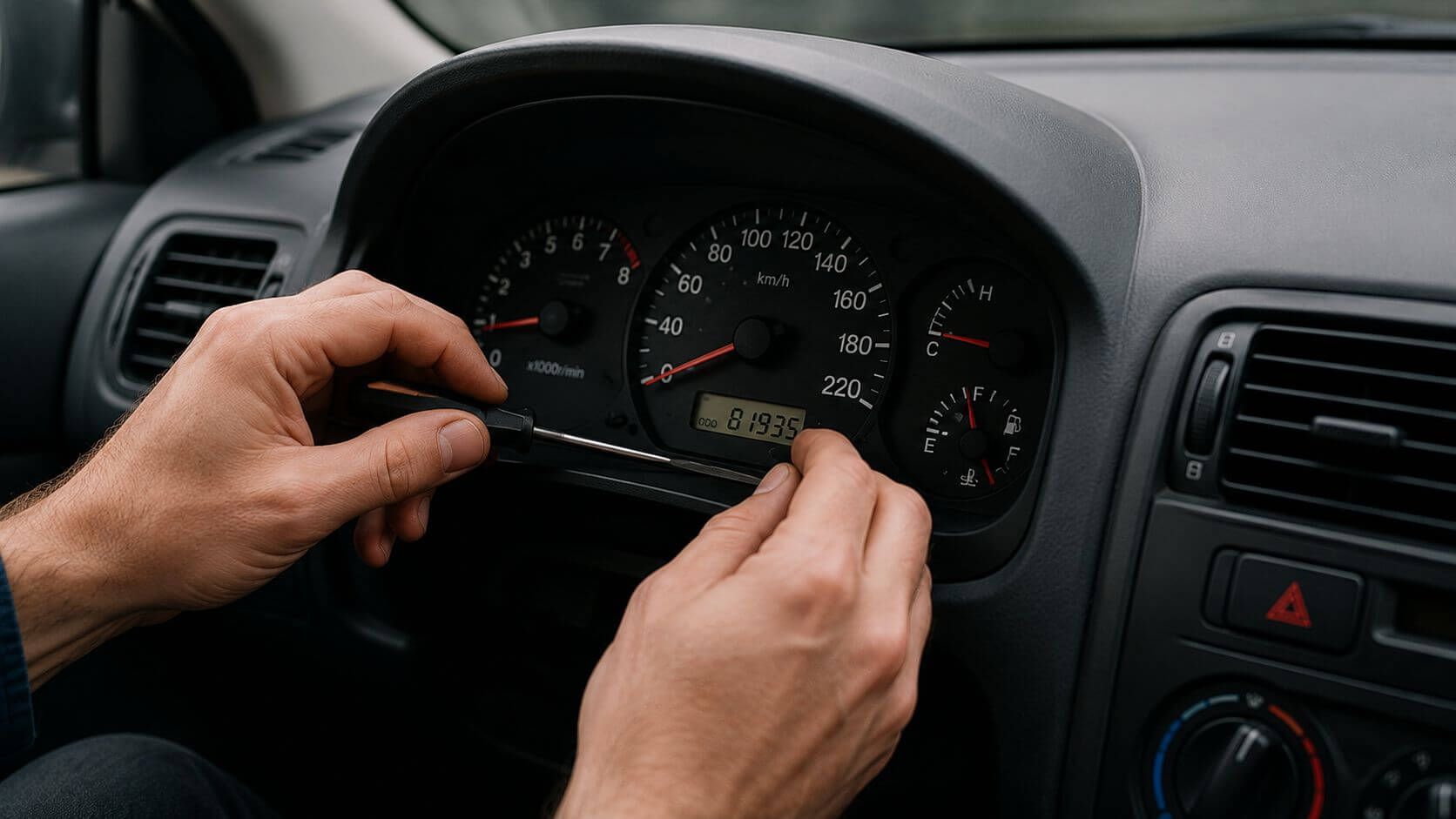
Odometer rollback is one of the most costly forms of used car fraud because it changes how buyers judge a vehicle’s value, condition, and remaining life. A car with 85,000 kilometres looks very different from the same car with 185,000 kilometres. The price, maintenance expectations, financing value, warranty assumptions, and repair risk can all change based on the number shown on the dashboard.
That is why odometer rollback in Canada should be treated as more than a small paperwork issue. If a seller misrepresents mileage, the buyer may overpay for a vehicle that is older, more worn, and closer to expensive repairs than advertised. In some cases, mileage fraud may also appear alongside other problems, such as title issues, accident history, poor maintenance, or questionable ownership records.
The good news is that odometer rollback often leaves clues. Buyers can protect themselves by comparing the dashboard reading against mileage records, service documents, vehicle history data, inspection results, and the vehicle’s physical condition before paying.
Quick answer: What is odometer rollback?
Odometer rollback happens when a vehicle’s displayed mileage is reduced or misrepresented to make the vehicle appear less used than it really is. In Canada, buyers may encounter this through altered digital odometers, replaced instrument clusters, incomplete service records, false listings, or sellers who advertise a lower mileage than the vehicle’s history supports.
The clearest warning sign is a mileage timeline that does not make sense. For example, if a vehicle had 162,000 kilometres during a service visit in 2022 but is being sold today with 98,000 kilometres, that is a serious red flag.
Before buying, run a mileage check, compare the odometer against past records, and review the mileage-related parts of the vehicle history report.
Why odometer rollback matters
Mileage affects almost every part of a used car decision. A lower odometer reading can make a car appear more valuable, more reliable, and less expensive to maintain. This gives dishonest sellers a financial incentive to hide the true mileage.
A rolled-back odometer can affect:
- Price: The buyer may pay thousands more than the vehicle is worth.
- Maintenance: Major service items may already be overdue.
- Safety: Worn brakes, suspension, tires, steering components, and drivetrain parts may be closer to failure.
- Warranty: Mileage-based warranty coverage may no longer apply or may be misunderstood.
- Financing and insurance: The vehicle’s value may be based on false information.
- Resale: The buyer may struggle to sell the vehicle later once the mileage inconsistency appears.
A vehicle’s mileage is not the only factor that matters, but it is one of the most important signals of use. If that number is false, the entire buying decision becomes unreliable.
How odometer rollback happens today
Many people still imagine odometer rollback as someone manually turning back numbers on an old mechanical dashboard. That can happen with older vehicles, but modern mileage fraud often involves digital tools, replacement clusters, or electronic manipulation.
Common scenarios include:
Digital odometer tampering
Modern vehicles store mileage electronically, but that does not make them immune to tampering. Some tools can alter readings through onboard systems or instrument modules. A dashboard may look normal even when the displayed number is not accurate.
Instrument cluster replacement
Sometimes an instrument cluster is replaced for a legitimate repair. The problem is that the replacement cluster may show a different mileage. If the seller cannot document the replacement and the true mileage, buyers should be cautious.
Incomplete or selective records
A seller may show only recent paperwork and avoid older service records that reveal higher mileage. This can make the current reading look more believable than it is.
Listing misrepresentation
Some fraud is simpler: the listing says one mileage number, the dashboard shows another, and the paperwork suggests a third. Buyers should compare all three before negotiating.
Warning signs of odometer rollback
Odometer rollback is rarely proven by one clue alone. Instead, buyers should look for a pattern of inconsistencies.
1. Mileage records move backward
This is the strongest warning sign. Mileage should generally increase over time. If a report or service record shows higher mileage in the past than the vehicle has today, stop and investigate.
For example:
| Record Date | Recorded Mileage |
|---|---|
| 2021 service record | 91,000 km |
| 2022 registration or inspection | 128,000 km |
| 2024 dealer record | 154,000 km |
| Current listing | 89,000 km |
That timeline does not make sense unless there is a documented explanation, such as a corrected reporting error or instrument replacement. Even then, the seller should provide proof.
2. The vehicle looks more worn than the mileage suggests
A low-mileage vehicle should usually show limited wear. If the odometer says 62,000 kilometres but the car looks and feels like it has lived a much harder life, be careful.
Look closely at:
- Driver’s seat bolsters
- Steering wheel texture
- Brake and accelerator pedals
- Gear selector
- Door handles
- Carpet and floor mats
- Suspension feel
- Brake wear
- Tire wear
- Headlight haze
- Interior buttons and switches
A car with genuine low mileage can still have wear, especially if it was used in harsh conditions. But heavy wear should push you to verify the mileage more carefully.
3. Service records are missing or oddly limited
A seller may say the car was “always maintained,” but there should be some record trail. Regular maintenance often leaves mileage entries on invoices, oil change stickers, inspection forms, warranty records, tire receipts, and repair shop documents.
Be cautious if the seller has no service records for a vehicle that is several years old, or if the records only begin recently.
4. The maintenance timeline does not match the odometer
Maintenance intervals can reveal mileage problems. For example, if a timing belt, transmission service, spark plug replacement, or major brake service was performed at a mileage higher than the current odometer reading, something is wrong.
Ask whether major services have been completed, then compare the answer with the vehicle’s mileage and service history.
5. The seller avoids mileage questions
A legitimate seller should be able to explain the vehicle’s mileage history. Be careful if the seller gives vague answers, says they “do not know,” refuses to provide records, or pushes you to buy quickly before you can verify the information.
Pressure is not proof of fraud, but it is a reason to slow down.
6. The dashboard reading differs from documents
Compare the odometer reading against the bill of sale, registration documents, inspection report, service invoices, dealer listing, and vehicle history report. The numbers do not have to match exactly on the same day, but they should form a logical timeline.
7. The price is too good for the advertised mileage
A very low price for a low-mileage vehicle should raise questions. Sellers often know that low mileage attracts attention, so mileage fraud may be paired with a “quick sale” story.
Use mileage, condition, history, and market pricing together. Do not let a bargain price override the warning signs.
How to check mileage before buying
The best way to protect yourself is to verify mileage from multiple sources. Do not rely on the dashboard alone.
Step 1: Start with the current odometer reading
During the inspection, take a clear photo of the odometer. Make sure the vehicle is powered on enough to display the mileage. If the dashboard warning lights stay on or the display behaves strangely, mention it to your mechanic.
Step 2: Run a mileage history check
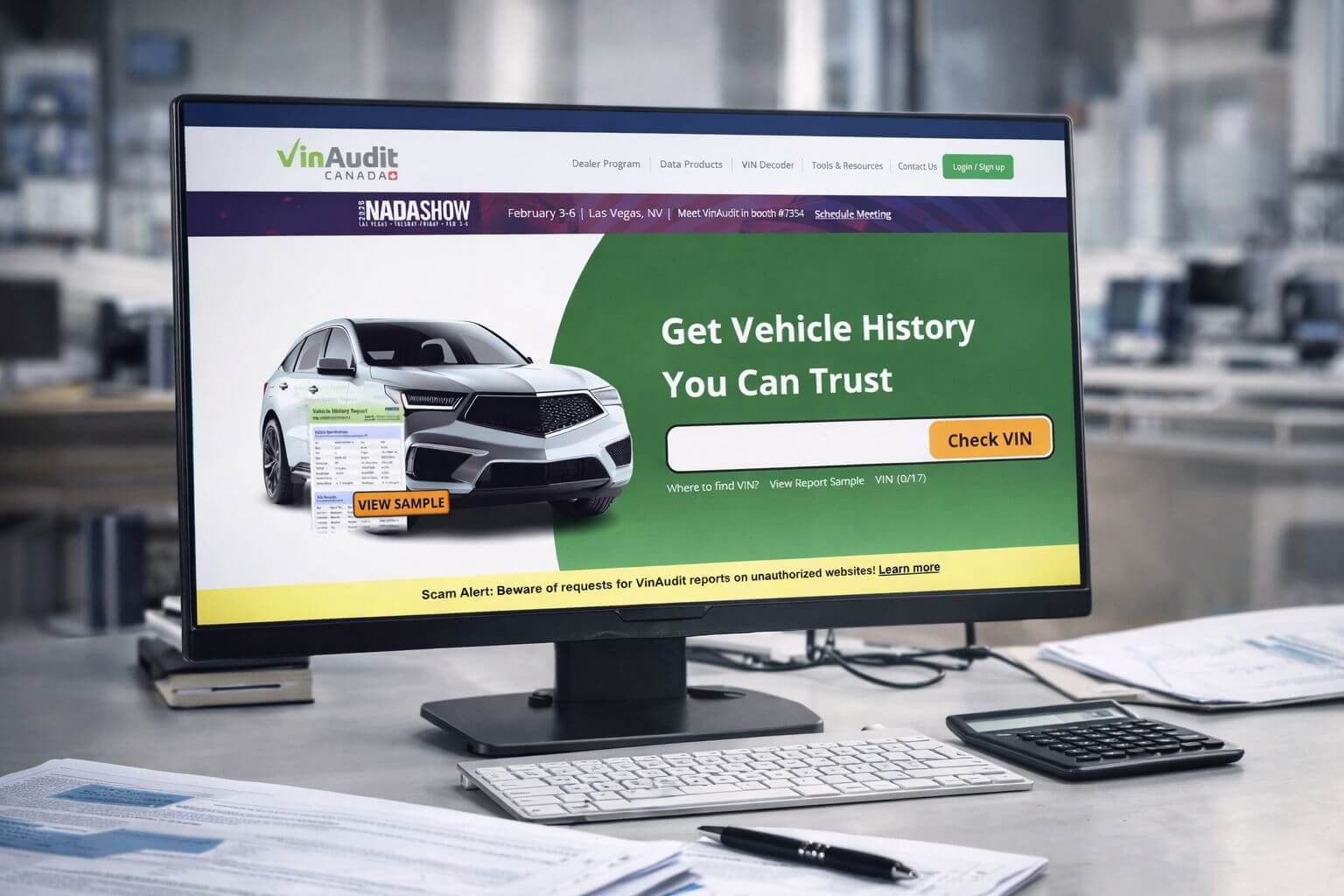
Use a car mileage check to look for recorded mileage events tied to the VIN. You are looking for a timeline that increases consistently over time.
A single unusual entry may be a data error, but a major drop or repeated inconsistency deserves caution.
Step 3: Review the vehicle history report
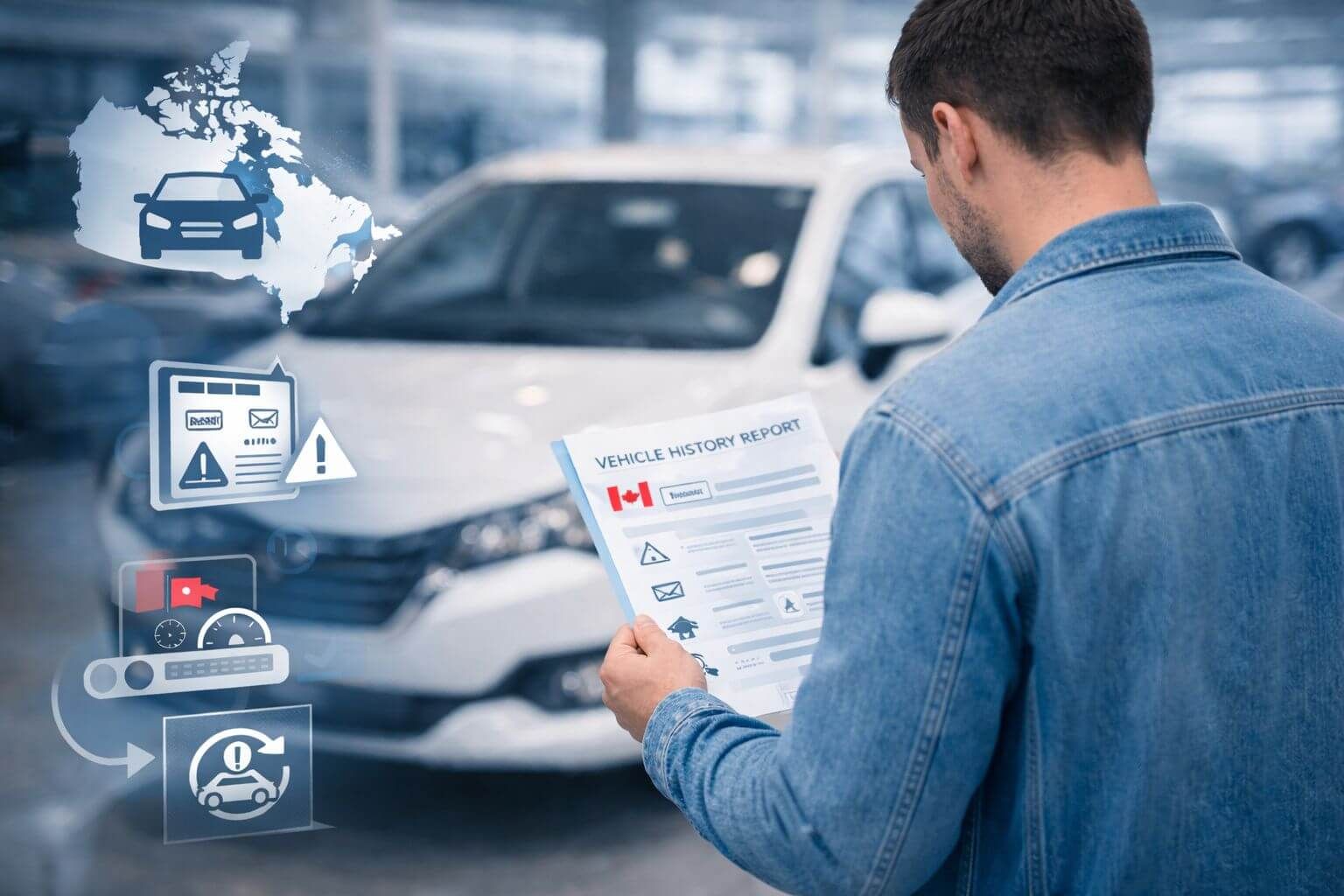
A vehicle history report may include mileage readings from registration events, service records, inspections, auctions, insurance records, or other available sources. When reviewing the report, check the odometer section together with accident, title, theft, and registration details.
If you are not sure where to look, review the guide to vehicle report sections so you can read the report in the right order.
Step 4: Ask for service documents
Ask the seller for maintenance receipts, repair invoices, inspection records, warranty records, and oil change documentation. Look for mileage entries on each document.
Do not only check the latest record. Older records are often where mileage problems become visible.
Step 5: Call the repair shop if needed
If the seller provides service records from a repair shop, you may ask the shop to confirm whether the document is authentic. The shop may not release private information, but it may be able to confirm basic invoice details if you have the document.
Step 6: Have the car inspected
A pre-purchase inspection cannot always prove odometer fraud, but a good mechanic can tell whether the vehicle’s wear level matches the claimed mileage. They may also spot replaced clusters, worn components, hidden damage, or overdue maintenance.
Step 7: Check for recalls and safety concerns
Mileage fraud is not the same as a safety recall, but both belong in a careful pre-purchase review. Transport Canada advises consumers to stay informed about vehicle recalls, including recalls on used cars they may want to buy or import. Use Transport Canada’s official vehicle recall resources as part of your due diligence.
What if the seller says the odometer was replaced?
An odometer or instrument cluster can be replaced for legitimate reasons. The issue is documentation. If the odometer was replaced, the seller should be able to show records explaining when it happened, why it happened, what the mileage was before replacement, and what the current reading represents.
Ask for:
- Repair invoice for the cluster or odometer replacement
- Mileage at the time of replacement
- Mileage after replacement
- Dealer or repair shop notes
- Any disclosure documents
- Service history before and after the replacement
If the seller cannot support the explanation, treat the vehicle as higher risk.
Dealer sale vs. private sale: why it matters
Your options may depend on whether you buy from a registered dealer or a private seller. Dealer sales are usually subject to more consumer protection rules than private sales, but the exact process depends on the province.
For example, Ontario explains that buyers from registered dealers have rights under the Motor Vehicle Dealers Act and that dealers must provide accurate available information about a vehicle’s history and key features. Ontario also warns that there is generally no cooling-off period for motor vehicle contracts, so buyers should understand the contract before signing. See Ontario’s official guide to buying a new or used vehicle for province-specific guidance.
Private sales can carry more risk because the buyer may have fewer practical remedies. That does not mean every private seller is dishonest, but it does mean buyers should verify everything before payment.
Questions to ask the seller
Before buying, ask direct questions and write down the answers.
- Is the odometer reading accurate?
- Has the instrument cluster or odometer ever been replaced?
- Do you have service records showing mileage over time?
- Has the vehicle ever been used as a taxi, rideshare, delivery, rental, or fleet vehicle?
- Has the vehicle been imported from another province or country?
- Are there any mileage discrepancies in the history report?
- Can I have the vehicle inspected before purchase?
- Does the mileage on the bill of sale match the dashboard reading?
A trustworthy seller should not be offended by reasonable questions.
What to do if you suspect odometer rollback
If something does not add up, do not pay a deposit and do not sign the bill of sale until the issue is resolved.
If you suspect rollback before buying:
- Save the listing and seller messages.
- Take photos of the odometer and VIN.
- Keep copies of records or reports showing inconsistent mileage.
- Ask for a written explanation.
- Get an independent inspection.
- Walk away if the explanation is not supported.
If you discover possible rollback after buying:
- Gather the bill of sale, listing, payment proof, vehicle history report, service records, and seller communications.
- Contact the seller or dealer in writing.
- Speak with your provincial consumer protection office or motor vehicle sales regulator.
- Contact your insurer or lender if the mileage affects value or coverage.
- Consider legal advice if the financial loss is significant.
Do not rely only on a phone conversation. Keep a written record of every step.
Buyer checklist: Spotting odometer rollback before purchase
Use this checklist before buying any used vehicle in Canada:
- Compare the dashboard mileage with the listing.
- Run a mileage history check.
- Review the vehicle history report.
- Look for mileage readings in service records.
- Compare mileage across inspection and registration documents.
- Check whether the physical wear matches the odometer.
- Ask whether the cluster or odometer was replaced.
- Verify any explanation with documents.
- Arrange a pre-purchase inspection.
- Walk away from unsupported mileage inconsistencies.
Final thoughts
Odometer rollback in Canada can turn a normal used car purchase into an expensive mistake. A false mileage reading can make a worn vehicle look newer, inflate the asking price, hide overdue maintenance, and mislead the buyer about long-term reliability.
The safest approach is to slow down and verify the mileage from more than one source. Check the dashboard, review service records, run a mileage check, inspect the vehicle’s condition, and compare everything against the vehicle history report.
Mileage should tell a consistent story. If the numbers move backward, the records are missing, the wear looks excessive, or the seller cannot explain the gaps, be ready to walk away.