“As-Is” Used Car Sales in Canada: What Buyers Should Understand Before Signing
Buying an “as-is” used car in Canada can be tempting, especially when the price looks lower than similar vehicles. But the phrase “as-is” should make every buyer slow down. It usually means the seller is not promising that the vehicle is roadworthy, mechanically sound, free from defects, or ready to register without repairs.
That does not automatically mean the vehicle is bad. Some as-is vehicles only need minor work. Others may be older trade-ins, unfinished projects, vehicles without current safety certification, or cars that a private seller simply does not want to guarantee. The problem is that buyers often misunderstand what they are accepting when they sign.
An as-is deal can shift more risk to the buyer. Once money changes hands, repair costs, registration issues, safety problems, and undiscovered defects may become the buyer’s responsibility. Before signing, use a structured car buyer checklist, review the paperwork carefully, and make sure the bill of sale clearly records what was promised — and what was not.
Quick answer: What does “as-is” mean when buying a used car?
In a used car sale, “as-is” generally means the buyer accepts the vehicle in its current condition, including visible and hidden problems, unless the seller has made specific written promises or legal disclosure duties apply.
In practical terms, an as-is sale may mean:
- The seller is not guaranteeing the vehicle’s condition.
- The vehicle may need repairs.
- The vehicle may not have a current safety certificate.
- The buyer may be responsible for defects discovered after purchase.
- The buyer should inspect the vehicle before signing.
- Any promises should be written into the bill of sale.
The exact effect can depend on the province, the seller, the contract, and whether the transaction is a private sale or dealer sale. This article is buyer education, not legal advice. If a dispute is significant, speak with your provincial consumer protection office or a legal professional.
Why “as-is” can be misunderstood
Many buyers think “as-is” only means “no warranty.” That is part of it, but the phrase can go further. It may also mean the seller is not representing the vehicle as mechanically sound, roadworthy, or maintained to any particular standard.
For example, a car may start, drive around the block, and look acceptable during a short inspection. But after purchase, the buyer may discover brake problems, engine leaks, rust, electrical faults, worn suspension, failed safety requirements, or expensive repairs needed for registration.
The dangerous assumption is: “If the seller allowed me to drive it, it must be safe.”
That is not always true. A vehicle can move under its own power and still be unsafe, unfit, poorly repaired, or not ready for legal road use.
Dealer sale vs. private sale: why it matters
The meaning and consequences of “as-is” can change depending on who is selling the vehicle.
A private seller is usually an individual selling their own vehicle. Private sales often carry fewer built-in consumer protections. The buyer is expected to do more due diligence before paying.
A dealer sale may be subject to specific provincial motor vehicle sales rules. In Ontario, for example, OMVIC states that a dealer selling a vehicle as-is must use specific disclosure language and that simply saying “as-is” is not enough. OMVIC’s as-is language warns that the vehicle is not represented as roadworthy, mechanically sound, or maintained at a guaranteed level of quality, and that it may require substantial repairs at the buyer’s expense.
Ontario also explains that when buying from a registered dealer, there is generally no cooling-off period for motor vehicle contracts, so buyers should read and understand the contract before signing. Ontario’s buyer-rights page also notes that private or out-of-province purchases are not covered by the same dealer compensation fund protections.
Alberta’s used vehicle guidance is more direct for buyers: unless otherwise stated, used vehicles are sold “as is,” meaning flaws or defects after the sale are the buyer’s responsibility. Alberta also recommends inspections and careful documentation before purchase.
Because rules differ by province, never assume that “as-is” has the same practical consequences everywhere.
What an as-is sale does not always excuse
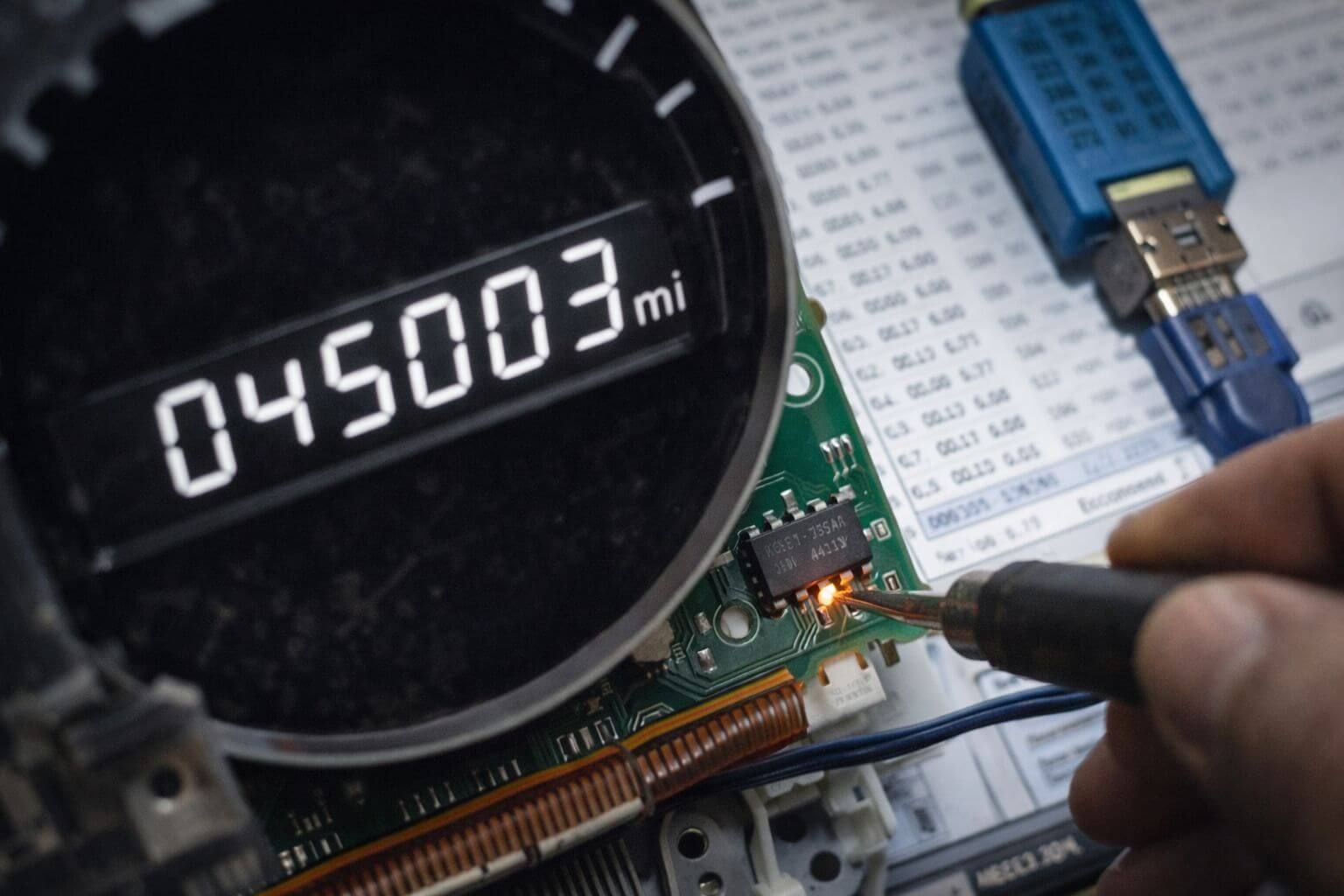
An as-is label is not a magic shield for every problem. It does not always excuse false statements, hidden misrepresentation, altered documents, or fraud. If a seller lies about a major fact, changes the odometer reading, hides a lien, gives fake ownership documents, or misrepresents the vehicle’s identity, the words “as-is” may not end the discussion.
That said, proving a dispute after purchase can be difficult. The best protection is to confirm important facts before signing, not to fight about them later.
Buyers should be especially careful when a seller says:
- “It is as-is, so I do not have to tell you anything.”
- “Do not worry about the warning light.”
- “It only needs a small repair.”
- “You can safety it easily.”
- “The lien is already paid.”
- “The mechanic said it is fine, but I lost the paperwork.”
- “Sign first and check it later.”
If the claim matters to your decision, get it in writing.
What to check before buying an as-is vehicle
An as-is vehicle deserves more inspection, not less. The lower price may reflect real risk. Before you agree, verify the car from three angles: condition, history, and paperwork.
1. Confirm the vehicle identity
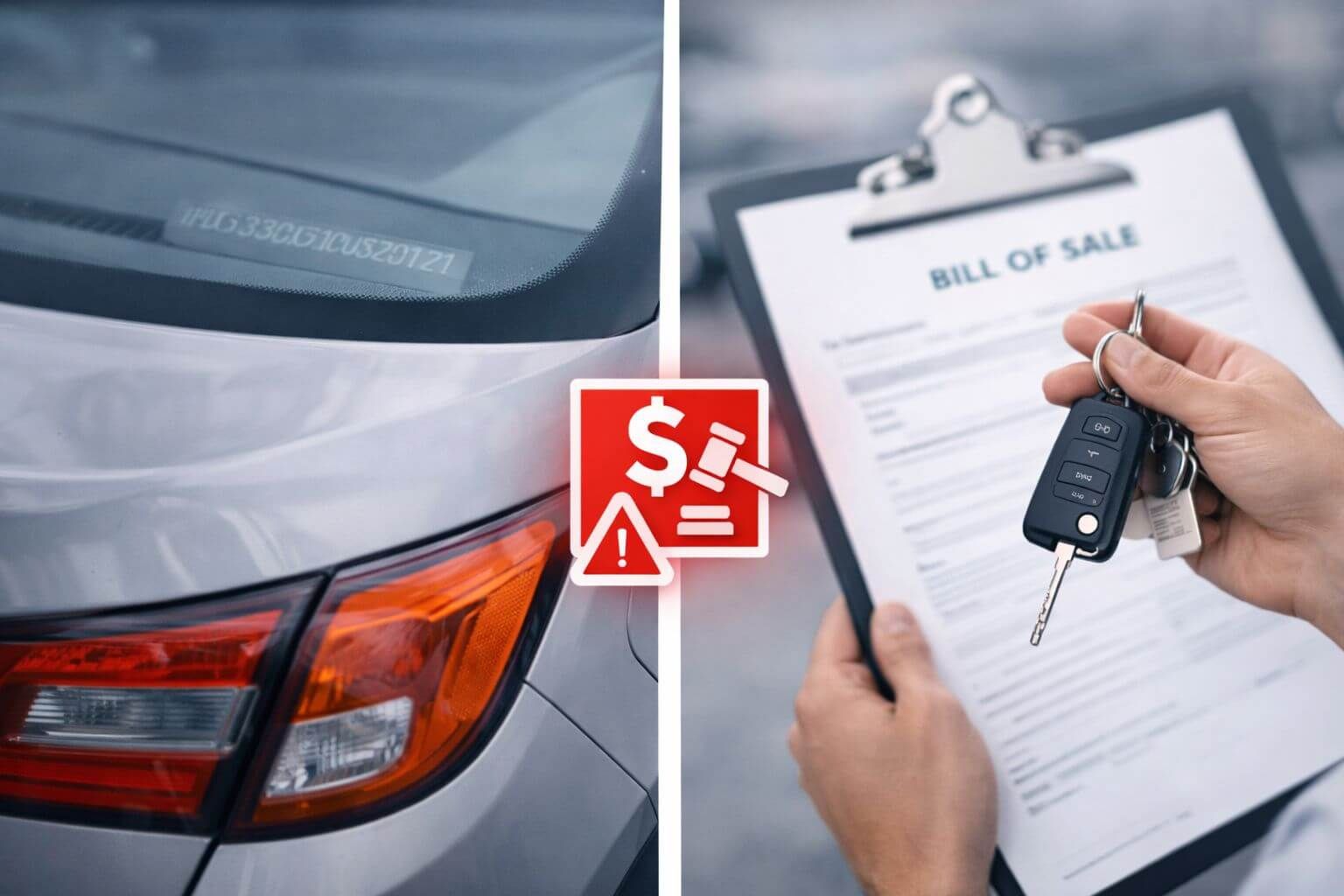
Compare the VIN on the dashboard, driver-side door label, registration documents, insurance records, service invoices, and bill of sale. Every digit should match.
If the VIN differs across documents or appears altered, stop the transaction. An as-is sale should never be used to rush past identity problems.
2. Review the vehicle history
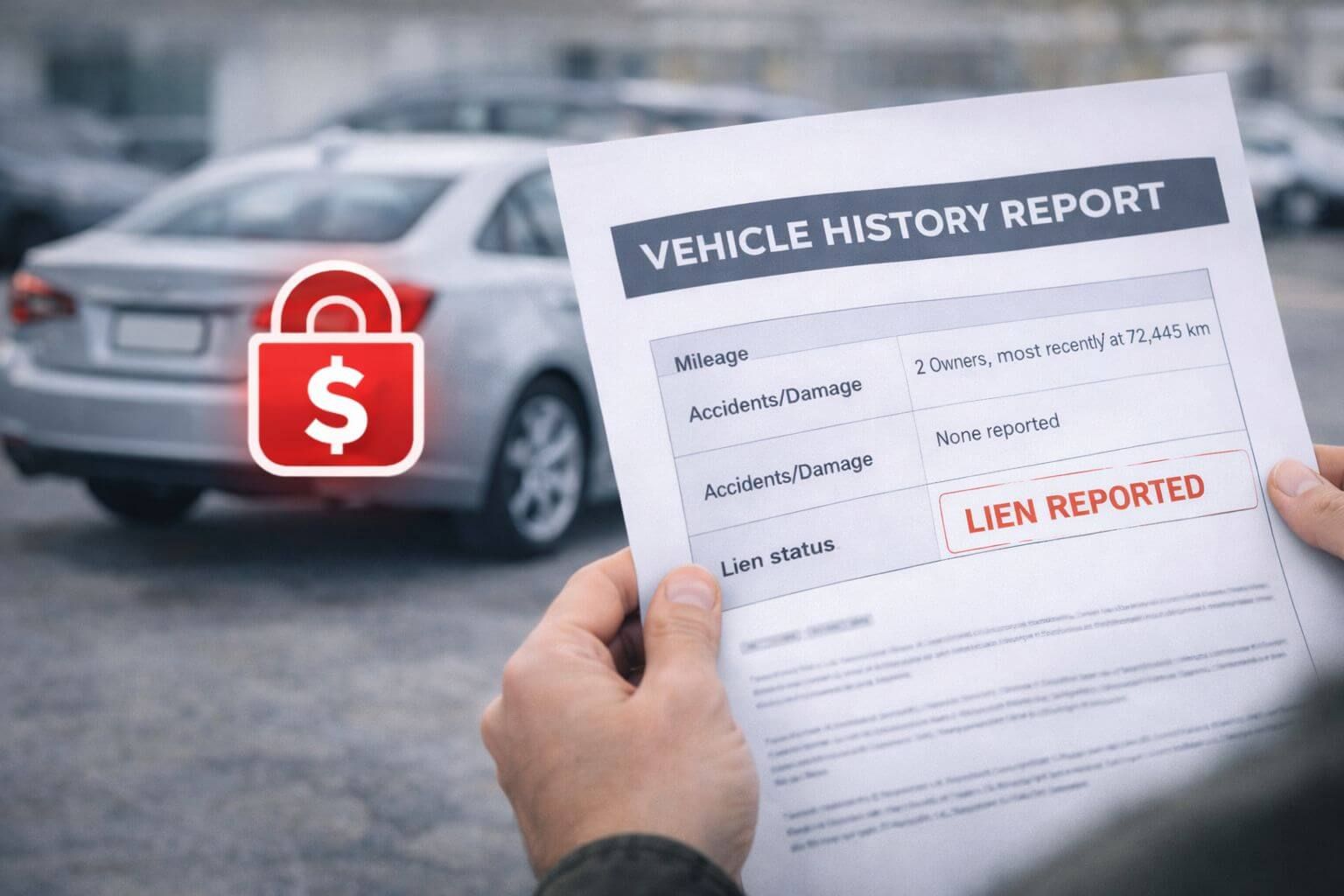
Ask for the VIN before meeting and check available records. Look for accident history, branding, registration events, odometer readings, theft indicators, and title concerns.
A history check cannot guarantee that every event is recorded, but it can reveal inconsistencies that a seller may not disclose.
3. Ask for repair and service records
Service records help show whether the car was maintained and whether the seller’s claims are believable. Look for oil changes, brake work, tire replacements, inspections, transmission service, timing belt work, recall repairs, and major mechanical repairs.
Missing records do not automatically mean the car is bad, but they increase uncertainty.
4. Arrange a pre-purchase inspection
For an as-is vehicle, a mechanic’s inspection is especially important. A qualified inspection can identify rust, leaks, worn brakes, suspension problems, engine issues, electrical faults, warning lights, previous collision repairs, and safety concerns.
If the seller refuses an inspection, assume the risk is higher.
5. Estimate repair costs before negotiating
An as-is vehicle may still be worth buying if the price reflects the work required. But do not rely on guesses. Ask a mechanic for likely repair costs, then decide whether the total price still makes sense.
A cheap car can become expensive quickly if it needs brakes, tires, exhaust work, suspension repairs, electrical diagnosis, windshield replacement, body repairs, or safety-related work.
Safety certification and roadworthiness
One of the biggest mistakes buyers make is confusing “drivable” with “roadworthy.”
A vehicle may start and drive, but that does not mean it will pass a safety inspection or meet the requirements for registration in your province. An as-is vehicle may need repairs before it can legally be driven, insured, or registered.
Ask these questions before signing:
- Does the vehicle have a current safety certificate, if required?
- Who is responsible for safety-related repairs?
- Can the car be registered immediately?
- Are there warning lights on the dashboard?
- Has the vehicle recently failed an inspection?
- Is the vehicle being sold for parts, repair, or road use?
- Are there known defects that affect safe operation?
If the seller says it will “definitely pass safety,” ask them to put that promise in writing. If they refuse, treat the statement as unreliable.
What should be written in the bill of sale?
The bill of sale is critical in an as-is transaction. It should not be vague, incomplete, or rushed. A proper bill of sale template helps document the transaction clearly and reduces confusion later.
At minimum, the bill of sale should include:
- Buyer’s full name and address
- Seller’s full name and address
- Vehicle year, make, model, trim, and colour
- VIN
- Odometer reading
- Sale price
- Date of sale
- Payment method
- Whether the vehicle is sold as-is
- Whether any safety certificate is included
- Known defects disclosed by the seller
- Any promises or conditions
- Included accessories, keys, tires, or parts
- Buyer and seller signatures
Alberta’s standard bill of sale guidance says a private-sale bill of sale must include buyer, seller, and vehicle information, including the VIN, vehicle details, cost, and signatures. It also recommends adding items such as odometer reading, liens, payment method, where the vehicle was last registered, and special sale conditions.
For an as-is vehicle, details matter. Do not rely on verbal promises.
Sample as-is wording buyers should read carefully
The wording may vary by province and seller, but buyers should be alert when they see language similar to:
The vehicle is sold as-is, where-is, with no warranty or guarantee. The buyer accepts the vehicle in its current condition and is responsible for all repairs, inspections, registration, and future costs.
Before signing language like this, pause and ask yourself:
- Do I know what repairs are needed?
- Have I had the vehicle inspected?
- Can I register and insure it?
- Is the VIN correct?
- Are there liens?
- Are the seller’s promises written down?
- Is the price low enough to justify the risk?
If the answer is no, do not sign yet.
Questions to ask before signing an as-is deal
Ask direct questions and write down the answers.
- Why is the vehicle being sold as-is?
- Does it currently pass safety requirements?
- Are there known mechanical problems?
- Are there warning lights on the dashboard?
- Has it been in an accident?
- Has it been written off, rebuilt, or branded?
- Is there any lien or loan on the vehicle?
- Does the odometer reading reflect the true mileage?
- Can I take it for an independent inspection?
- Are any parts, tires, keys, or accessories included?
- Are you making any promise about condition or roadworthiness?
- Will you put that promise in writing?
A trustworthy seller should answer clearly. A seller who becomes defensive may be trying to push the risk onto you before you understand it.
Red flags in an as-is used car sale
Be ready to walk away if you see these warning signs:
- The seller refuses a pre-purchase inspection.
- The VIN does not match the documents.
- The seller’s name does not match the ownership papers.
- The seller will not disclose known problems.
- The vehicle has dashboard warning lights.
- The seller says repairs are “cheap” but has no estimate.
- The car cannot be registered without major work.
- The bill of sale is blank or incomplete.
- The seller wants cash only and no paperwork.
- The price is low but the risk is unexplained.
- The seller pressures you to decide immediately.
An as-is price should compensate for risk. If the risk is unknown, the discount may not be enough.
What to do after buying an as-is vehicle
If you decide to buy, keep your paperwork organized. Save the listing, bill of sale, payment proof, seller messages, inspection report, vehicle history report, and registration documents.
After purchase:
- Complete the ownership transfer properly.
- Arrange required inspections.
- Get insurance before driving, where required.
- Register the vehicle according to provincial rules.
- Prioritize safety-related repairs.
- Keep receipts for all work performed.
- Document any dispute in writing.
If you discover that the seller misrepresented the vehicle, contact your provincial consumer protection office, dealer regulator, or a legal professional. Your options may depend on the seller type, province, contract wording, and evidence.
Buyer checklist before signing an as-is sale
Use this final checklist before paying:
- VIN matches the vehicle and documents.
- Seller identity and ownership are verified.
- Vehicle history has been reviewed.
- Odometer reading makes sense.
- Known defects are written down.
- Pre-purchase inspection is complete or knowingly declined.
- Repair costs are estimated.
- Safety certification status is clear.
- Registration requirements are understood.
- Lien status is checked.
- Bill of sale is complete.
- Any seller promises are written into the agreement.
- Payment method is documented.
- You are comfortable accepting the risk.
If any item is unclear, pause the deal.
Final thoughts
An as-is used car sale in Canada is not always a bad deal, but it is rarely a deal to rush. The phrase should tell buyers to inspect more carefully, ask better questions, and document everything before signing.
The most important rule is simple: do not buy an as-is vehicle based on assumptions. Verify the VIN, inspect the car, understand the safety and registration requirements, write down the seller’s disclosures, and use a complete bill of sale.
A fair as-is deal is one where the buyer understands the risk before paying. A dangerous one is where the buyer only discovers the risk after the seller is gone.