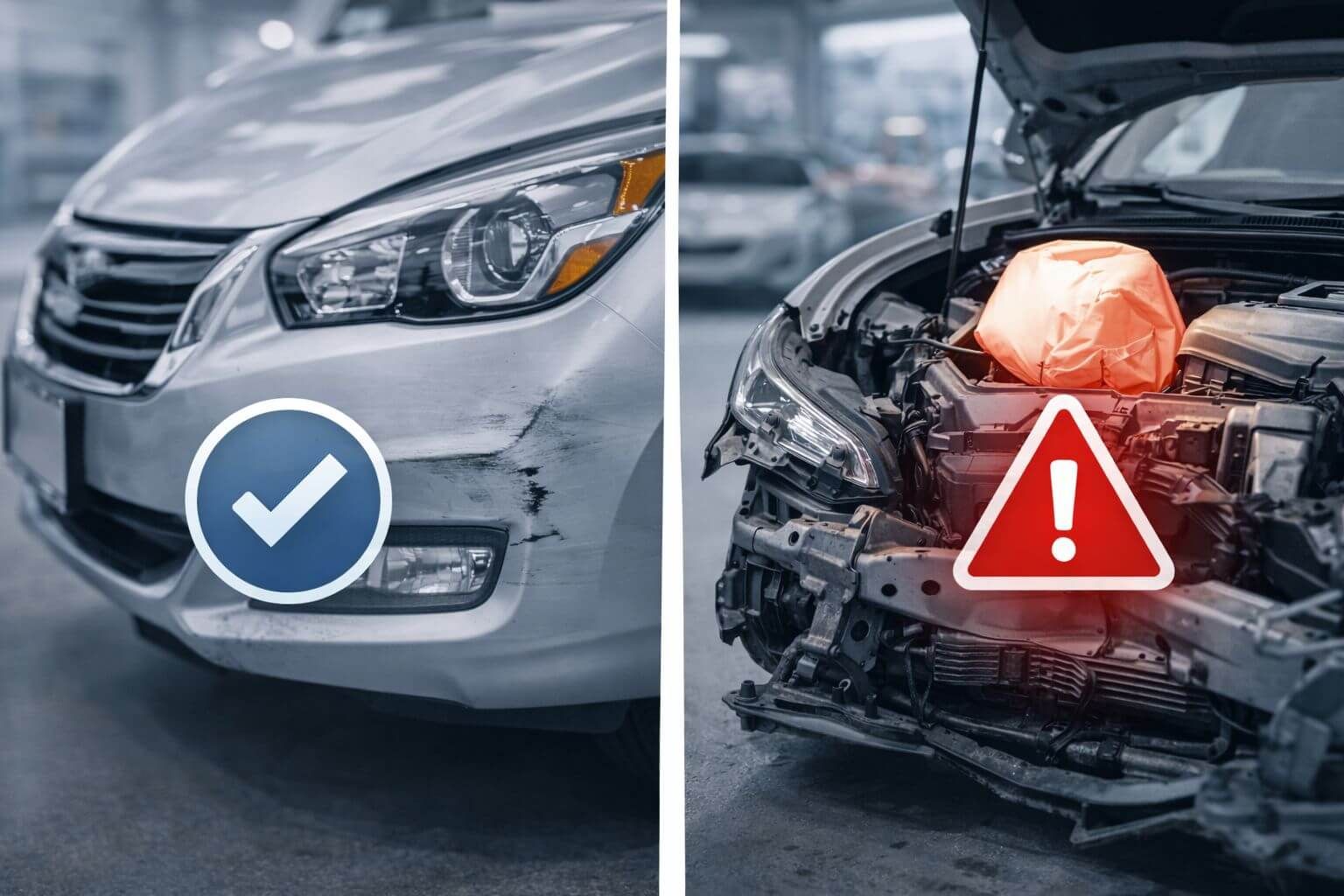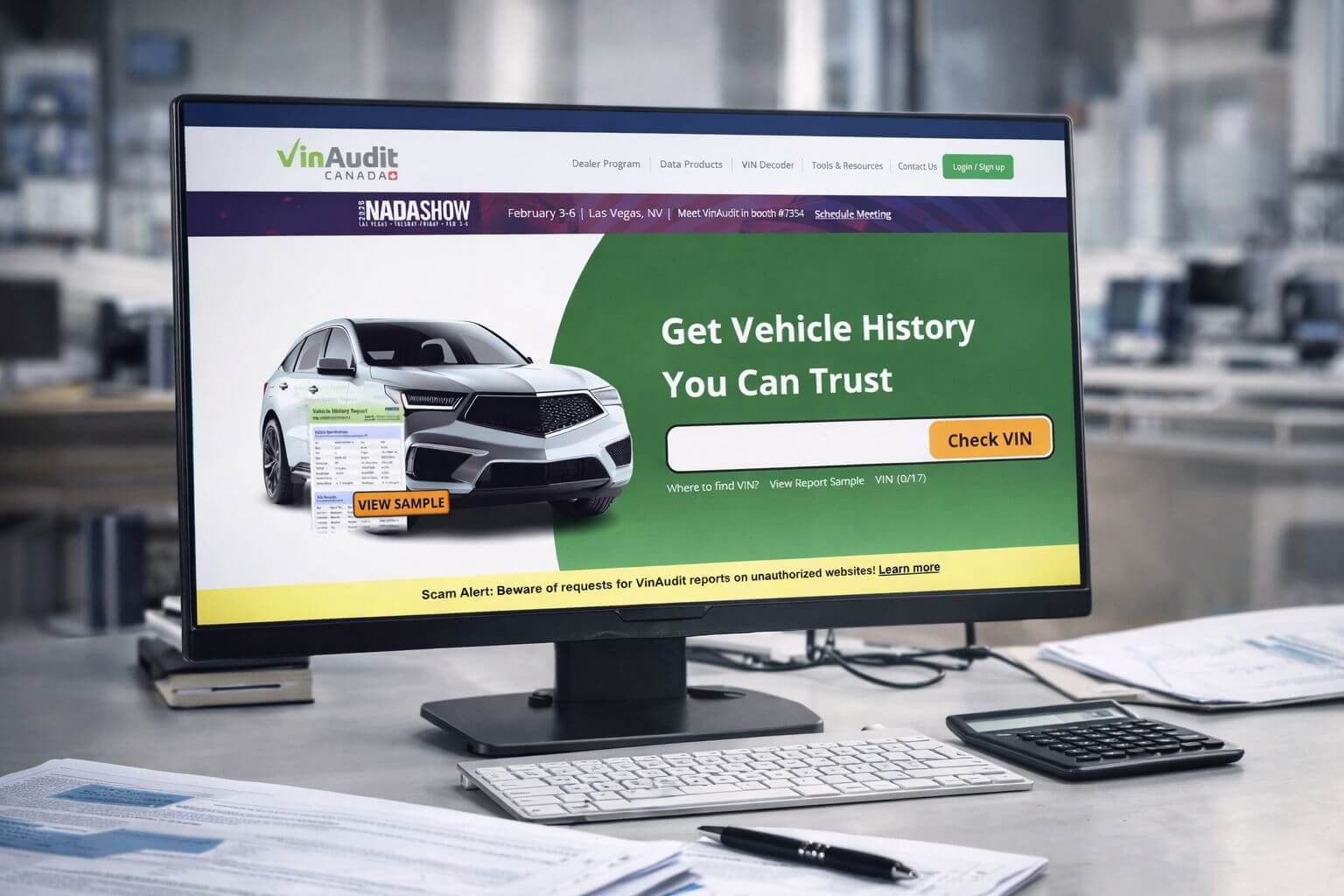
What Is the Most Reliable VIN Check Website in Canada? What to Look For
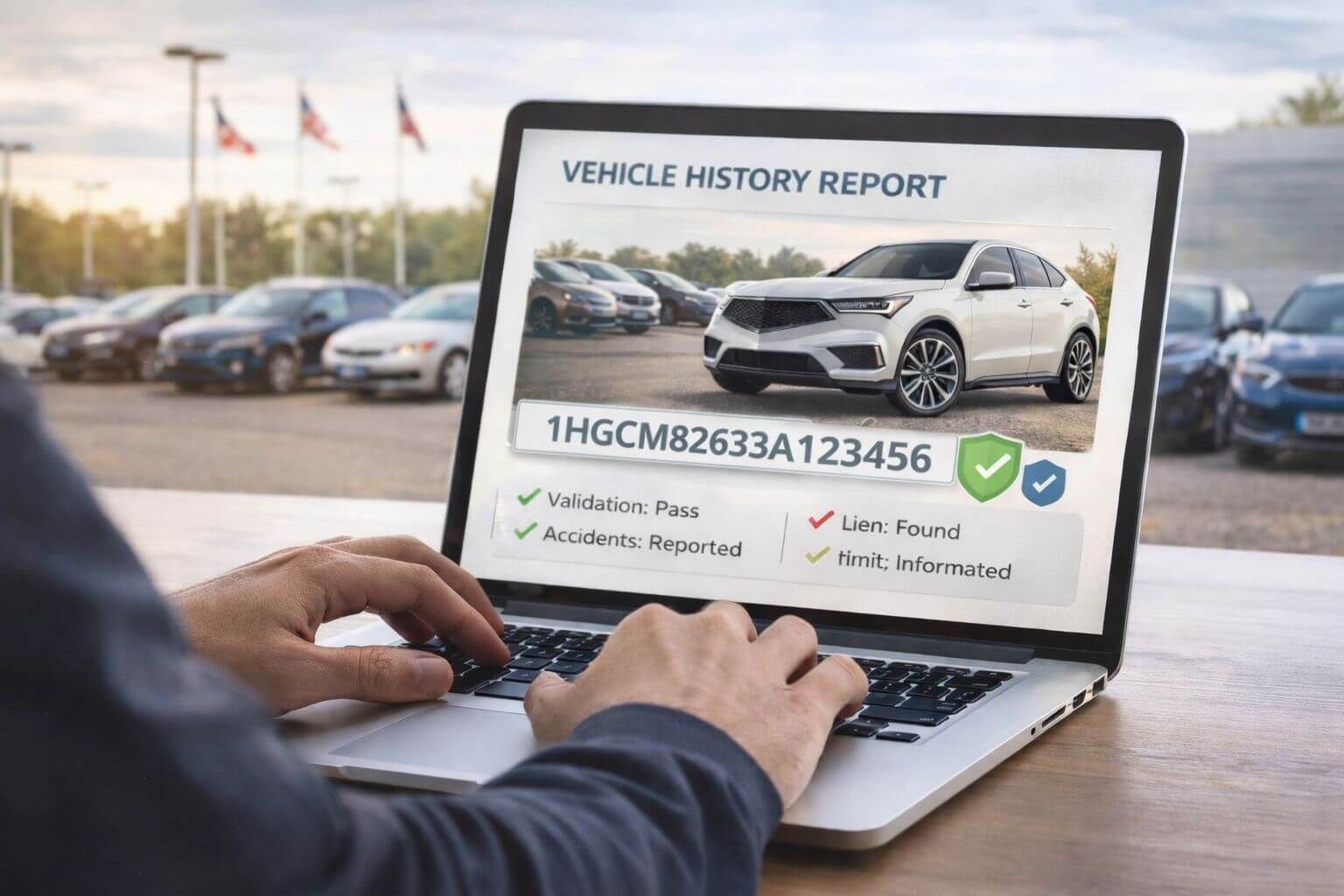
What Is the Most Reliable VIN Check Website in Canada? What to Look For
When buying a used vehicle, choosing the most reliable VIN check website in Canada can be the difference between a confident purchase and an expensive mistake. Not all VIN check services are equal. Some only decode basic specs, while others consolidate accident history, liens, theft records, and ownership data across provinces.
This guide explains what makes a VIN check reliable in Canada, how major providers compare, and how to choose the right tool depending on whether you are buying privately, from a dealer, or across provincial lines.
What Makes a VIN Check Reliable in Canada?
A reliable Canadian VIN check should do more than confirm the make and model. At a minimum, it should:
- Pull Canadian-specific data sources, not just U.S. databases
- Include lien indicators, especially for private sales
- Surface accident and damage history where reported
- Flag stolen vehicle records across Canada
- Support cross-province ownership tracking
If you are unsure what information a VIN can reveal, start with this overview of vehicle history reports in Canada to understand what data should be included and what is often missing.
Why Canadian VIN Checks Are Different From U.S. Checks
Canada does not have a single national vehicle registry that shows everything. Instead, data is fragmented across:
- Provincial registration systems
- Insurance reporting networks
- Personal Property Registries for liens
- Police and stolen vehicle databases
Because of this, a generic VIN decoder or U.S.-focused service often misses critical information. A Canadian VIN report is designed to aggregate these signals into one consolidated view.
Comparing the Most Common VIN Check Options in Canada
Below is a practical comparison of popular VIN check approaches Canadian buyers encounter.
| Feature | VinAudit Canada | CARFAX Canada | Free VIN Decoders |
|---|---|---|---|
| Canadian accident data | Yes | Yes | No or limited |
| Lien indicators | Yes | Yes | No |
| Stolen vehicle checks | Yes | Yes | No |
| Cross-province coverage | Yes | Limited context | No |
| Specs and VIN decoding | Yes | Yes | Yes |
| Cost transparency | Clear | Higher cost | Free |
| Best use case | Private buyers, cross-province checks | Dealer-focused | Basic info only |
If you are still in the early screening stage, it is often smart to begin with a quick VIN check before paying for a full report, especially when you are comparing multiple listings.
When a Free VIN Check Is Not Enough
Free VIN tools are useful for:
- Confirming the VIN format
- Checking basic vehicle specifications
- Verifying that the VIN exists
However, they do not reliably show:
- Active or historical liens
- Accident or damage history
- Theft records
- Salvage or rebuilt branding
If you are relying on free tools alone, review what VIN checks in Canada can and cannot show before making a decision.
How VinAudit Canada Fits In
VinAudit Canada is designed specifically for Canadian buyers and sellers. A VinAudit VIN check consolidates available records related to:
- Accident and damage indicators
- Lien signals from Canadian registries
- Theft and recovery records
- Ownership history patterns
- Vehicle specifications and recalls
It is especially useful when buying through a private sale, purchasing a vehicle that moved between provinces, or dealing with incomplete paperwork.
Before running any report, it is still recommended to follow a structured car buyer checklist to avoid common mistakes that lead to expensive surprises.
Which VIN Check Is Best for Your Situation?
- Private sale buyers: Use a Canadian VIN report with lien and theft screening
- Cross-province purchases: Prioritize services that consolidate multi-province data
- Dealership buyers: A report paired with dealer disclosures adds verification
- Early screening: Start with a VIN check, then upgrade if red flags appear
If liens are a concern, review how to find out if a lien is on a vehicle in Canada before finalizing any purchase.
Frequently Asked Questions
What is the most reliable VIN check website in Canada?
A reliable VIN check website in Canada is one that uses Canadian data sources, includes lien and theft screening, and supports cross-province history checks. Services designed specifically for Canada provide more accurate results than generic or U.S.-only tools.
Is CARFAX Canada the only option?
No. While CARFAX Canada is widely known, many buyers compare it to Canadian-focused options and choose based on coverage, clarity, and cost.
Can a VIN check tell me if a car has a lien?
A basic VIN decoder cannot. You need a vehicle history report that includes lien indicators, especially for private sales. Provincial lien checks may still be required for confirmation.
Are free VIN checks reliable?
Free VIN checks are reliable for decoding specifications, but they are not reliable for liens, accidents, or theft history. They should only be used as a first step.
Should I still get a vehicle inspection?
Yes. A VIN check complements, but does not replace, a professional mechanical inspection. History reports reveal paperwork and reporting risks, while inspections uncover physical issues.
Final Thoughts
The most reliable VIN check website in Canada is one that matches the realities of Canada’s fragmented vehicle data system. Buyers should look beyond free tools and choose a service that consolidates Canadian accident, lien, theft, and ownership records.
For most used-car buyers, the safest approach is to start with a VIN check, review a consolidated Canadian VIN report, and pair the findings with an inspection and document review before completing the purchase.