Vehicle History Reports in Canada Explained: What They Show and Why They Matter
Vehicle History Reports in Canada Explained: What They Show and Why They Matter
When buying a used vehicle, few tools are as important as a vehicle history report. In Canada, vehicle records are spread across provincial registries, insurers, law enforcement databases, and industry sources—making it difficult for buyers to understand a car’s true past without a consolidated report.
This guide explains vehicle history reports in Canada, what they typically show, how they differ from a basic VIN lookup, what they don’t reveal, and how buyers should use them before committing to a purchase.
What Is a Vehicle History Report?
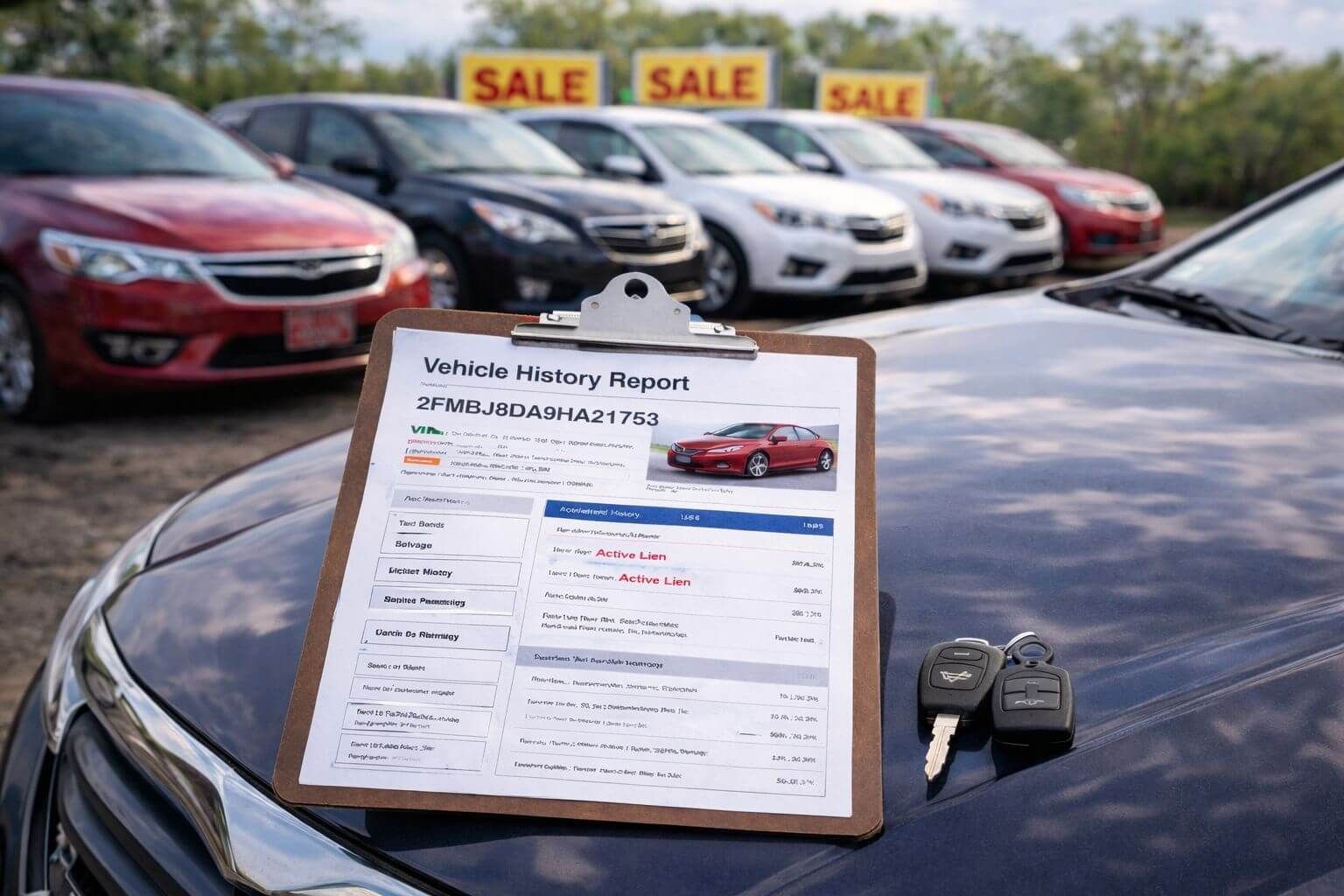
A vehicle history report compiles records linked to a vehicle’s Vehicle Identification Number (VIN) and presents them in a structured, readable format.
Unlike a basic VIN lookup—which confirms identity—a full report is designed to show patterns over time, including ownership changes, reported incidents, legal risks, and safety flags.
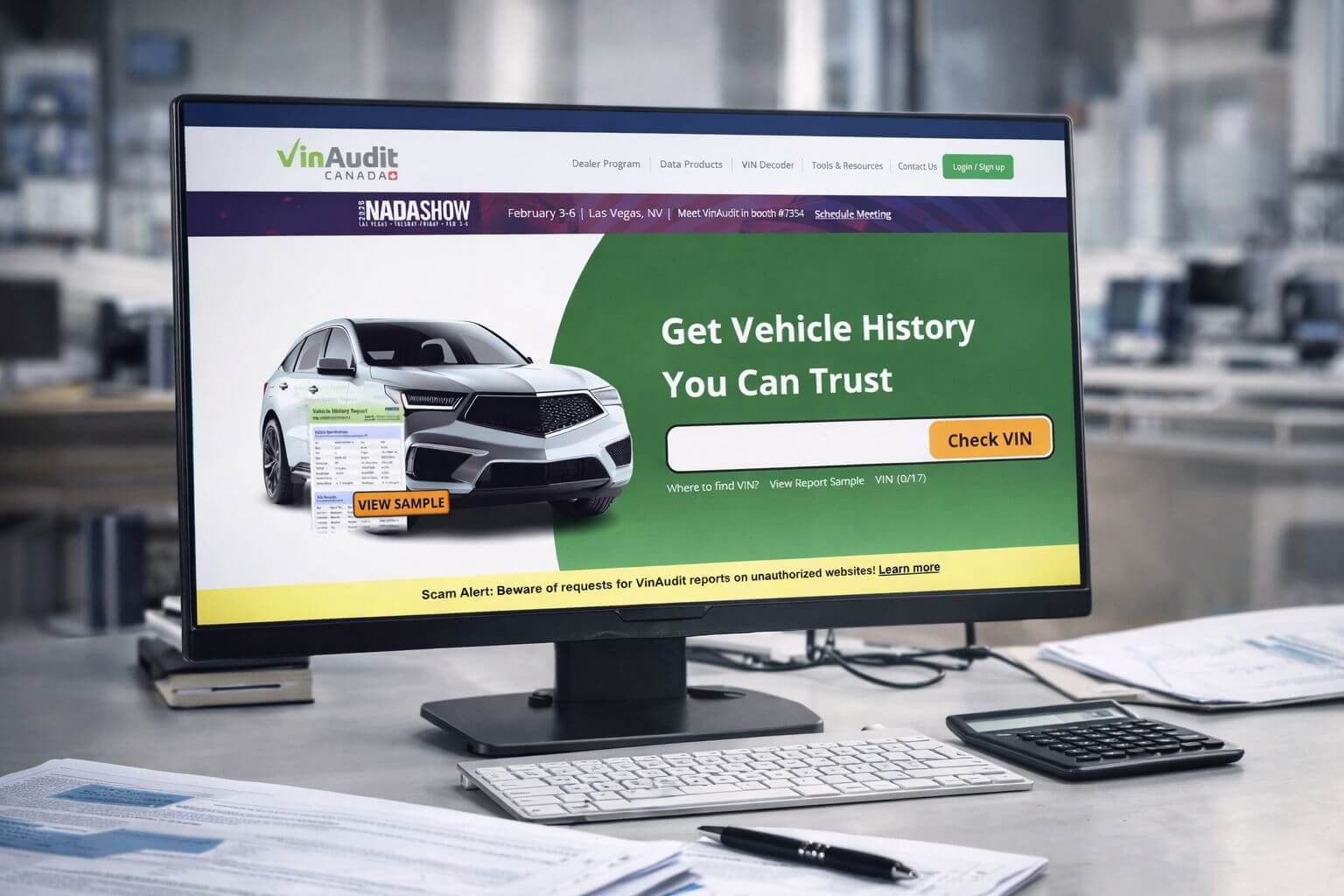
Most buyers begin with a VIN check to verify basic details, then rely on a full vehicle history report if the car passes initial screening.
What Vehicle History Reports in Canada Usually Show
While exact coverage depends on data availability, a vehicle history report in Canada typically includes the following core sections.
Vehicle Identity and Specifications (What the VIN Really Confirms)
Every Canadian vehicle history report starts by validating the vehicle’s identity. This section confirms that the VIN matches the car being sold and usually includes:
- Make, model, and model year
- Body style and trim indicators
- Engine and drivetrain details
- Country of manufacture
This step protects buyers from VIN cloning, misrepresentation, and listing inaccuracies. Verifying these basics early helps avoid overpaying for the wrong vehicle configuration.
Registration and Jurisdiction History
Vehicles in Canada are registered provincially, not federally. As a result, a history report may show:
- Registration activity across one or multiple provinces
- Changes in jurisdiction over time
- Indicators of interprovincial movement
This context is especially important for vehicles imported from another province or previously registered outside Canada.
For background, see the Canadian vehicle registration overview.
Title Brands and Status Flags
One of the most critical sections of a vehicle history report is title branding. These indicators may show whether a vehicle has ever been classified as:
- Salvage
- Rebuilt
- Junk or irreparable
- Flood-damaged or fire-damaged
Title brands can affect safety, insurability, financing, and resale value. Buyers should always understand what a brand means before proceeding.
Learn more in the title brands guide.
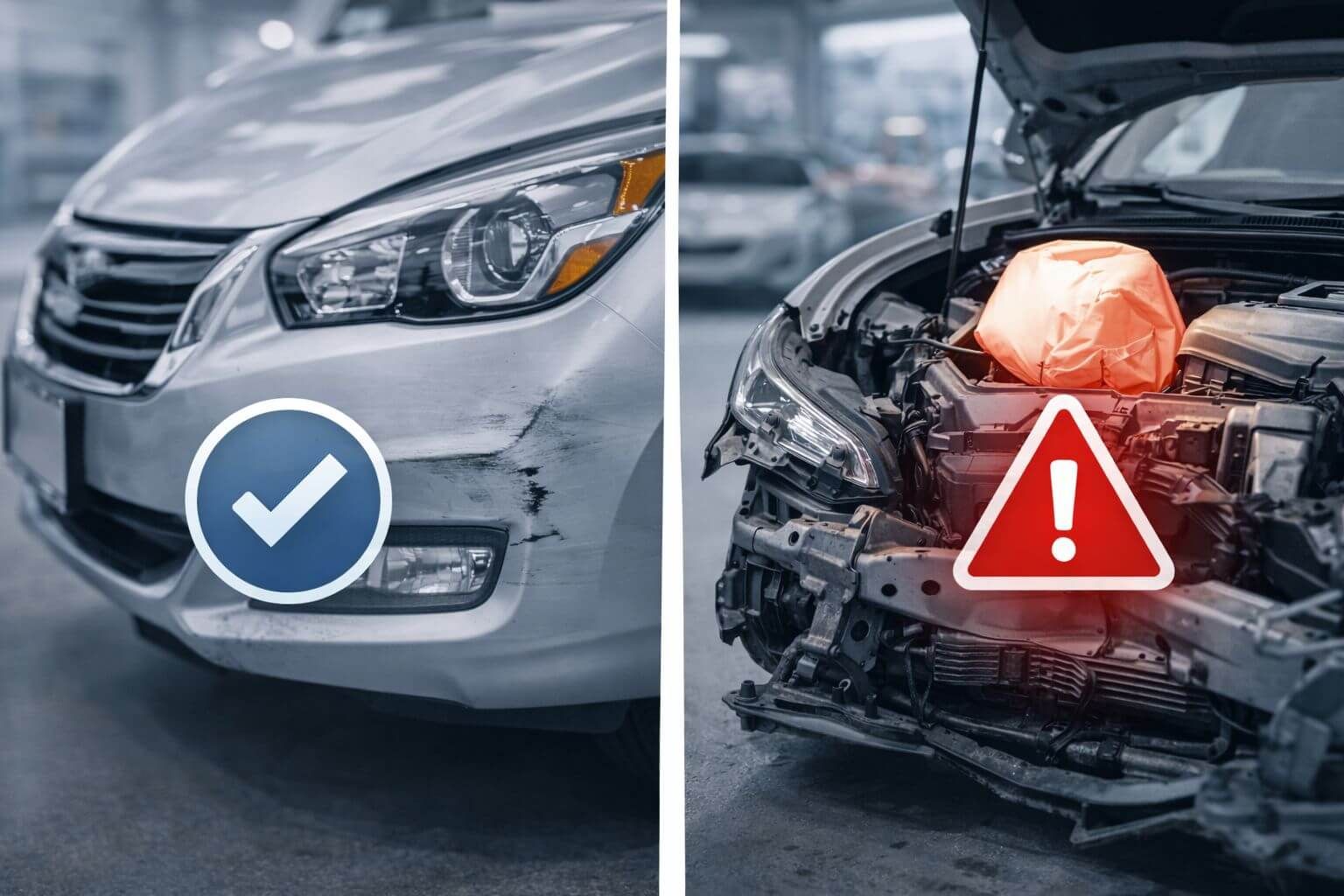
Accident, Damage, and Insurance Records
A vehicle history report may include accident or damage indicators sourced from:
- Insurance claims
- Auctions and salvage records
- Rebuild declarations
Not every accident is reported, but when indicators appear, they signal the need for closer inspection and documentation review.
For details on how accident data appears in Canada, see the vehicle accident report guide.
Theft, Total Loss, and Fraud Warnings
Canadian vehicle history reports may flag:
- Stolen vehicle records
- Total loss declarations
- Recovery indicators
This step is especially important for private-sale buyers, where consumer protections may be limited.
The role of theft screening is explained further in the Canada stolen VIN check resource.
Odometer and Mileage Inconsistencies
Mileage discrepancies are a common form of used-car fraud. A vehicle history report may flag odometer anomalies when reported readings do not align over time.
These warnings don’t always prove fraud, but they highlight elevated risk that should be investigated further.
To understand how this happens, review the odometer fraud overview.
Liens, Recalls, and Open Issues
Depending on province and data availability, a vehicle history report in Canada may also surface:
- Outstanding or historical lien records
- Open safety recalls
- Manufacturer notices affecting ownership
Lien checks are particularly important in provinces like Ontario, where unpaid debt can follow the vehicle. The Ontario lien check guide explains how buyers can reduce this risk.
For safety concerns, see the vehicle recall check.
What Vehicle History Reports Do Not Show
Even the most comprehensive report has limitations. A vehicle history report may not include:
- Minor repairs paid out-of-pocket
- Cosmetic damage without insurance involvement
- Current mechanical condition
- Quality of past maintenance
For this reason, reports should always be paired with a physical inspection and, when appropriate, a professional assessment.
How to Use a Vehicle History Report Effectively
A vehicle history report in Canada works best as a decision-making tool, not a guarantee. Buyers typically use it to:
- Eliminate high-risk vehicles early
- Ask informed questions during negotiation
- Decide whether a vehicle is worth inspecting further
If you’re just starting your search, beginning with a free VIN check can help narrow your options before committing to a full report.
Frequently Asked Questions
Is a vehicle history report the same as a VIN check?
No. A VIN check confirms basic identity and screens for obvious red flags. A full vehicle history report shows historical patterns, legal risks, and reported incidents over time.
Does a clean report mean the car has never been in an accident?
Not necessarily. Some accidents are never reported to insurers. A clean report reduces risk but does not replace a physical inspection.
Can a vehicle history report show liens in Canada?
Sometimes. Lien data depends on province and reporting availability. Buyers should still review province-specific lien guidance when applicable.
Are vehicle history reports accurate across all provinces?
They reflect available data, but reporting standards vary by province. Vehicles that move between provinces may have uneven records.
Should I still get an inspection if the report looks clean?
Yes. History reports show recorded events, not current mechanical condition. Inspections verify what reports cannot.
Final Thoughts
Understanding vehicle history reports in Canada gives buyers a significant advantage. While no report guarantees a problem-free vehicle, reviewing a car’s documented past helps uncover risks that aren’t visible during a test drive.
When combined with inspections and careful evaluation, a vehicle history report becomes one of the most reliable tools for making a confident, informed purchase.