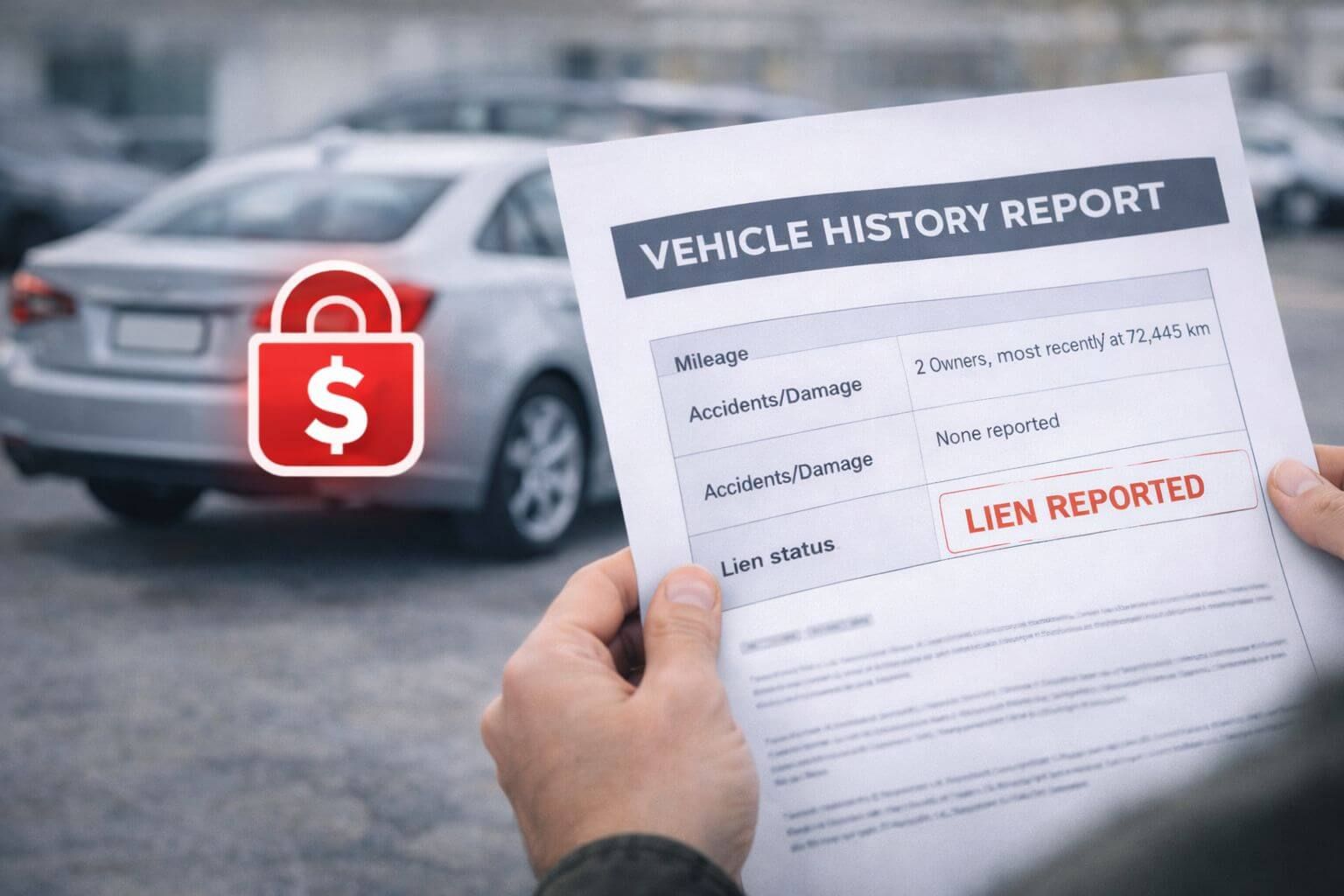
What to Do If a Used Car Has a Lien: Complete Guide
What to Do If a Used Car Has a Lien: Complete Guide
When buying or selling a used vehicle, a lien is one of the biggest “hidden risks” you need to clear before the deal is truly safe. A lien means another party—usually a lender or service provider—still has a legal financial claim to the car. If you ignore it, you could face registration delays, title transfer issues, or even repossession.
This complete guide explains what a lien is, how to check for one, and the safest steps to resolve it—whether you’re the buyer or the seller.
What Is a Lien on a Used Car?
A vehicle lien is a legal claim registered against a car as collateral for a debt. Until the debt is paid and the lien is officially released, the lienholder may have the right to enforce that claim.
Common lien types include:
- Auto loan lien: A lender registers a lien when a vehicle is financed.
- Mechanic’s lien: A repair shop may file a lien for unpaid repair or storage charges.
- Impound or storage lien: May arise when towing/impound fees remain unpaid.
If an active lien remains on record, the vehicle can be difficult—or impossible—to transfer cleanly to a new owner.
What Happens If You Buy a Car With a Lien?
Buying a vehicle with an active lien can create serious problems:
- The lender’s claim may follow the vehicle, not the seller.
- You may be unable to register or transfer ownership until the lien is cleared.
- In worst cases, the vehicle could be repossessed if the debt remains unpaid.
That’s why the best move is to treat lien verification as a required step—before any money changes hands.
How to Check If a Used Car Has a Lien
Before you buy a used car—or before you list one for sale—confirm lien status using the VIN.
Here are common ways to check:
- VIN-based lien search: Use the vehicle’s VIN to search lien records.
- Provincial/state registries: In Canada, lien records are commonly checked through PPSA systems. In the U.S., you may check your state DMV/title agency.
- Online lien tools: A fast option is to run a VIN search using VinAudit Canada’s lien check: https://www.vinaudit.ca/lien-check
Example: Lien Check in Ontario
If you’re buying a used car in Ontario (including cities like Toronto or Ottawa), you can verify lien status through official PPSA services or use a third-party VIN tool.
For a quick, VIN-based option, run the VinAudit Ontario Lien Check here: /lien-check/ontario
This helps you confirm whether the vehicle has an active financial claim before you commit.
What to Do If a Used Car Has a Lien
If a lien shows up, don’t panic. A lien can often be resolved safely—as long as you follow the right process.
Step 1: Confirm the Lien Details
Ask for (or obtain) the lien information:
- Lienholder name (bank, lender, repair shop, etc.)
- Lien amount or payoff balance (if available)
- Whether the lien is active, satisfied, or outdated
If you’re the buyer, you can also ask the seller for documentation showing the current payoff amount.
Step 2: Contact the Lienholder
Reach out directly to the lienholder to:
- Confirm the lien is valid and active
- Request the payoff amount (sometimes called the discharge amount)
- Ask for the lien release process and timeline
If the seller refuses to allow direct confirmation with the lienholder, treat it as a major red flag.
Step 3: Pay the Lien Off Safely
The safest approach is to ensure the lien is paid before or during the sale.
Common safe options:
- Seller pays off the lien first, then provides proof of release.
- Buyer pays the lienholder directly, and any remaining balance goes to the seller.
- Meet at the lender or registry office to confirm payoff and release in real time.
Avoid paying the seller in full unless the lien is confirmed cleared.
Step 4: Get a Lien Release Letter
After payoff, request a lien release letter (or discharge letter). It should include:
- Vehicle Identification Number (VIN)
- Lienholder’s name and signature (or official confirmation)
- Date the debt was paid
- A statement confirming the lien has been satisfied and released
Keep copies of this document—buyers may need it for registration, and sellers may need it for future disputes.
Step 5: Update the Registry and Clear the Title
A lien isn’t fully “gone” until it’s removed from the public record.
Submit the lien release letter to your local motor vehicle registry so the vehicle’s title/record is updated to show a clear status.
If You’re Buying a Car With a Lien: The Safest Way to Proceed
Buying a liened vehicle can be manageable if you control the process.
Use these safety rules:
- Run a VIN lien check first (before deposits or test drives): https://www.vinaudit.ca/lien-check
- Pay the lienholder directly whenever possible
- Meet at a bank or lender office to confirm the payoff
- Get written proof of lien release before completing the sale
- Confirm the registry update before registering the vehicle
If You’re Selling a Car With a Lien
Selling with a lien is possible, but you’ll usually sell faster (and more confidently) if you clear the lien before listing.
Seller best practices:
- Request your payoff amount early so you know what you owe.
- Disclose the lien upfront to avoid buyer distrust later.
- Offer to meet at the lender or registry to complete the payoff and transfer.
- Keep the lien release document even after the sale.
Special Situations
The Lienholder Is Out of Business
If the lienholder no longer exists, contact your registry office for the correct process. You may need additional documentation to prove the lien should be removed.
Disputed or “Forgotten” Liens
If a lien appears unexpectedly:
- Request supporting documentation
- Ask the lienholder for proof and payoff details
- Contact the registry about dispute/correction options if it was recorded in error
Quick Checklist
Buyers:
- Run a lien check by VIN: https://www.vinaudit.ca/lien-check
- Ask for proof of payoff and lien release
- Pay lienholders directly when possible
- Confirm the registry record is updated
Sellers:
- Get a payoff amount early
- Disclose the lien in your listing
- Clear it before the sale (or at the time of sale)
- Provide a lien release letter to the buyer
Conclusion
A lien can turn a “great deal” into a costly problem if it isn’t handled properly. Whether you’re buying or selling, the safest approach is simple: verify the lien status, clear the debt through the lienholder, and confirm the title is updated.
Before you move forward, run a VIN-based lien search using VinAudit Canada Lien Check
And if you’re shopping in Ontario, you can also verify directly via the VinAudit Ontario Lien Check