Driving Safely During Heavy Rain or Flooding
Driving Safely in Heavy Rain and Flooded Conditions
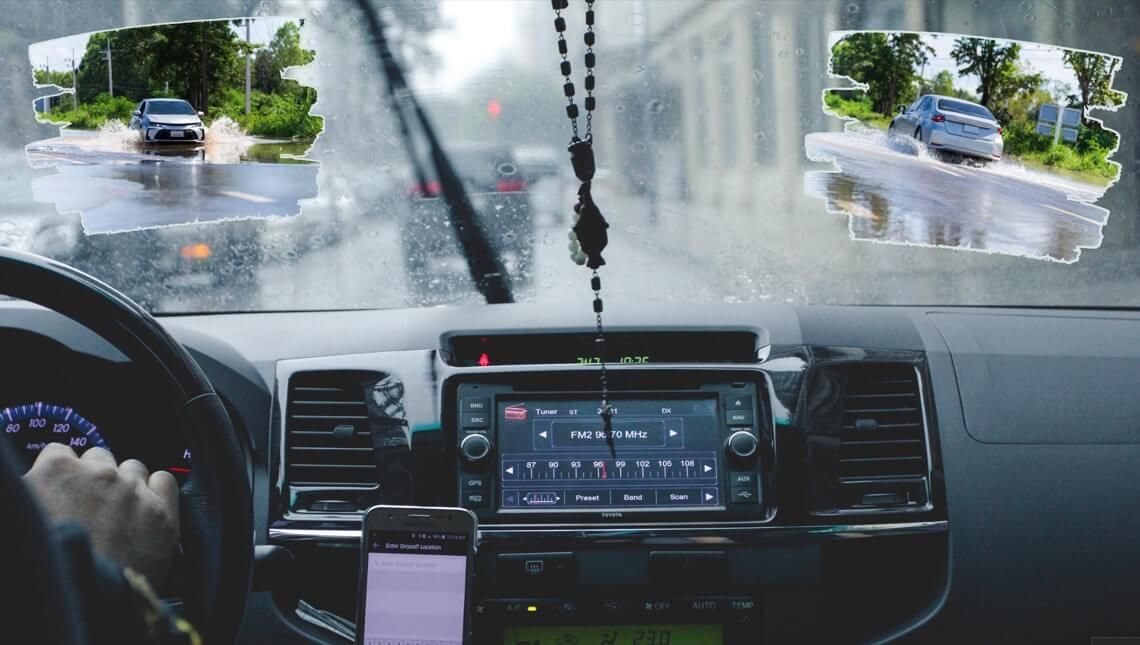
Driving in heavy rain or flooded conditions presents serious risks that demand extra caution. Wet roads reduce traction, visibility drops, and flooded streets can quickly turn into life-threatening hazards. Whether you’re caught in a sudden downpour or navigating waterlogged roads, knowing how to respond can protect both you and others on the road.
In Canada, severe weather varies by region and season. British Columbia often experiences heavy rainfall during fall and winter due to atmospheric rivers. Atlantic provinces such as Nova Scotia and New Brunswick can see heavy rain and storm surges during hurricane season, while Ontario and Quebec regularly face flash flooding during spring and summer storms. Understanding your local weather risks helps you plan safer trips.
Understanding the Risks of Driving in Heavy Rain and Floods
Bad weather increases the likelihood of accidents due to several factors:
- Reduced visibility: Heavy rain limits sightlines, making it harder to see road markings, pedestrians, vehicles, and road signs.
- Hydroplaning risk: Excess water can cause tires to lose contact with the road, leading to loss of steering control.
- Flood hazards: Flash floods can occur suddenly, trapping vehicles and creating dangerous situations.
- Longer stopping distances: Wet roads reduce traction and braking efficiency. In colder months, snow and ice increase risk further—learn more about safe driving in snow.
Understanding these risks is essential to driving safely in severe rain conditions.
Essential Safety Tips for Driving in Heavy Rain
1) Prepare Your Vehicle
Before driving in rainy weather, make sure your vehicle is ready:
- Check tires: Proper tread depth and correct inflation improve traction on wet surfaces.
- Inspect wipers and defoggers: Clear visibility is critical during downpours.
- Test headlights and taillights: Ensure all lights work so you can see and be seen.
2) Adjust Your Driving Habits
Wet roads require a calmer, more defensive driving style:
- Slow down: Lower speeds reduce hydroplaning risk and improve reaction time.
- Increase following distance: Leave extra space because stopping distances are longer.
- Turn off cruise control: Manual speed control helps maintain traction on slick roads.
- Use low beams: High beams reflect off raindrops and can worsen visibility.
3) Prevent and Handle Hydroplaning
Hydroplaning occurs when tires ride on a layer of water instead of gripping the road:
- Drive at moderate speeds, especially on highways.
- Avoid sudden braking, sharp turns, or quick lane changes.
- Stay in the middle lane when possible—water often collects in outer lanes.
If you start hydroplaning:
- Ease off the accelerator slowly.
- Keep the steering wheel steady and steer gently in the direction you want to go.
- Avoid slamming the brakes.
Navigating Flooded Roads Safely
1) Assess Water Depth Before Entering
Flooded roads are far more dangerous than they look:
- If water reaches halfway up your tires, it’s too deep to drive through safely.
- Six inches of water can cause loss of control.
- One foot of water can sweep a vehicle away.
- If you’re unsure, turn around and find another route.
2) Driving Through Standing Water (Only If Unavoidable)
If there is absolutely no alternative route:
- Drive slowly and steadily to avoid creating a wake.
- Stay toward the center of the road where water is often shallower.
- Lightly press your brakes after crossing to help dry them.
3) What to Do If You’re Trapped in a Flooded Car
Floodwater can rise quickly, so act early:
- Stay inside if water is not rising rapidly and it’s safer than exiting.
- Unbuckle and open a window as soon as possible—power windows can fail.
- If the vehicle begins to sink, exit immediately through a window.
- Never attempt to drive through fast-moving water.
Emergency Preparedness for Severe Weather
1) Pack an Emergency Kit
Keep essentials in your vehicle, especially during storm seasons:
- Flashlight + extra batteries
- First-aid supplies
- Bottled water and non-perishable snacks
- Phone charger or backup power bank
- Jumper cables and basic tools
- Blanket and extra clothing
2) Stay Informed
Before driving:
- Check weather alerts and road conditions.
- Watch for flood-prone roads, underpasses, and low-lying areas.
- Follow official warnings—avoid unnecessary travel during severe alerts.
3) Plan Alternate Routes
Weather can cause sudden detours and closures:
- Identify backup routes in advance.
- Use GPS apps with real-time updates.
- Tell someone your route and expected arrival time.
4) Keep Your Fuel Tank at Least Half Full
Severe weather can cause delays, detours, and long idling times:
- Helps prevent being stranded if traffic stalls.
- Useful in colder temperatures where fuel line freezing is a concern.
How to Buy a Used Car With No History of Flood Damage
Flood-damaged vehicles often appear in the used car market, and the damage may be hidden. Here’s how to protect yourself.
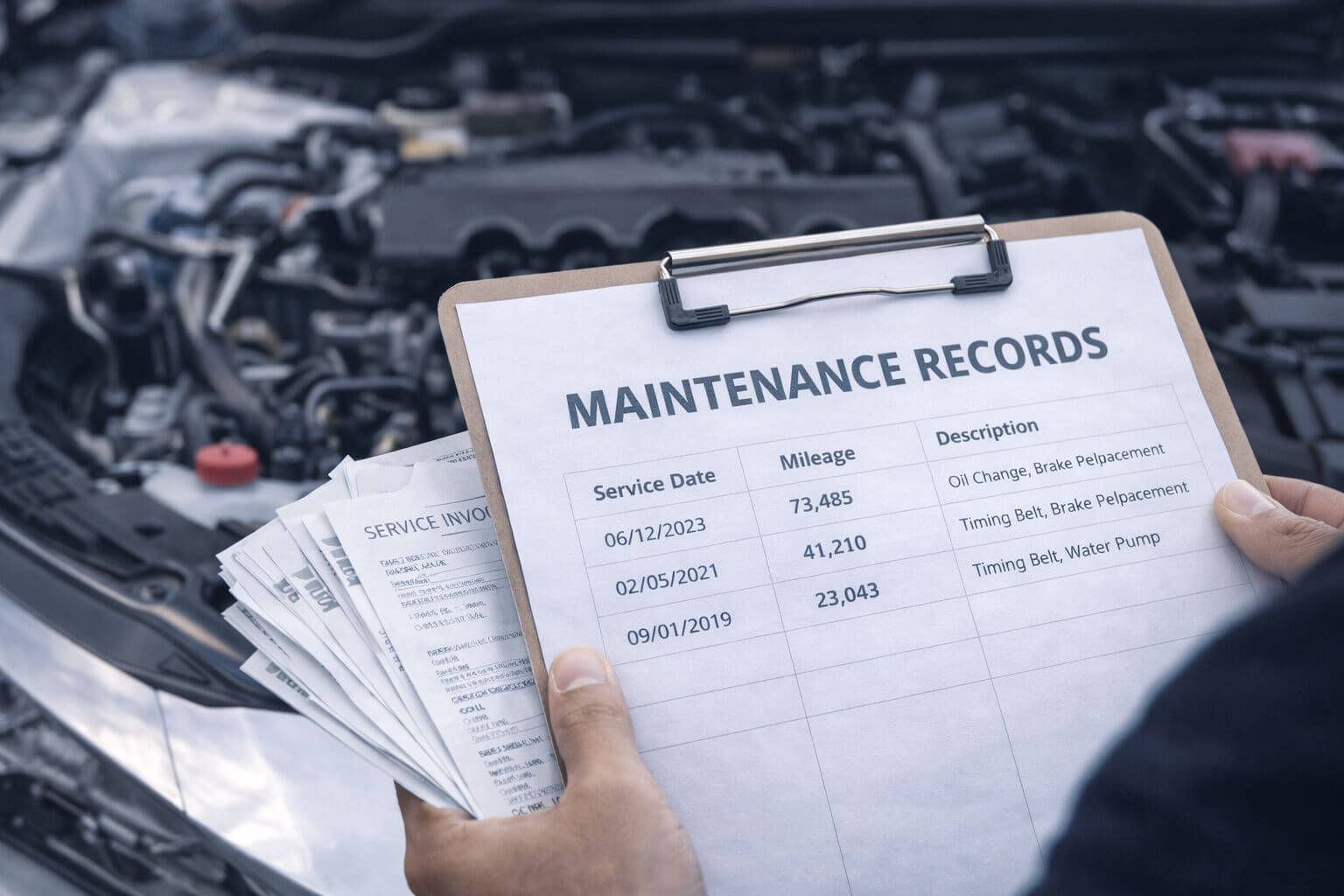
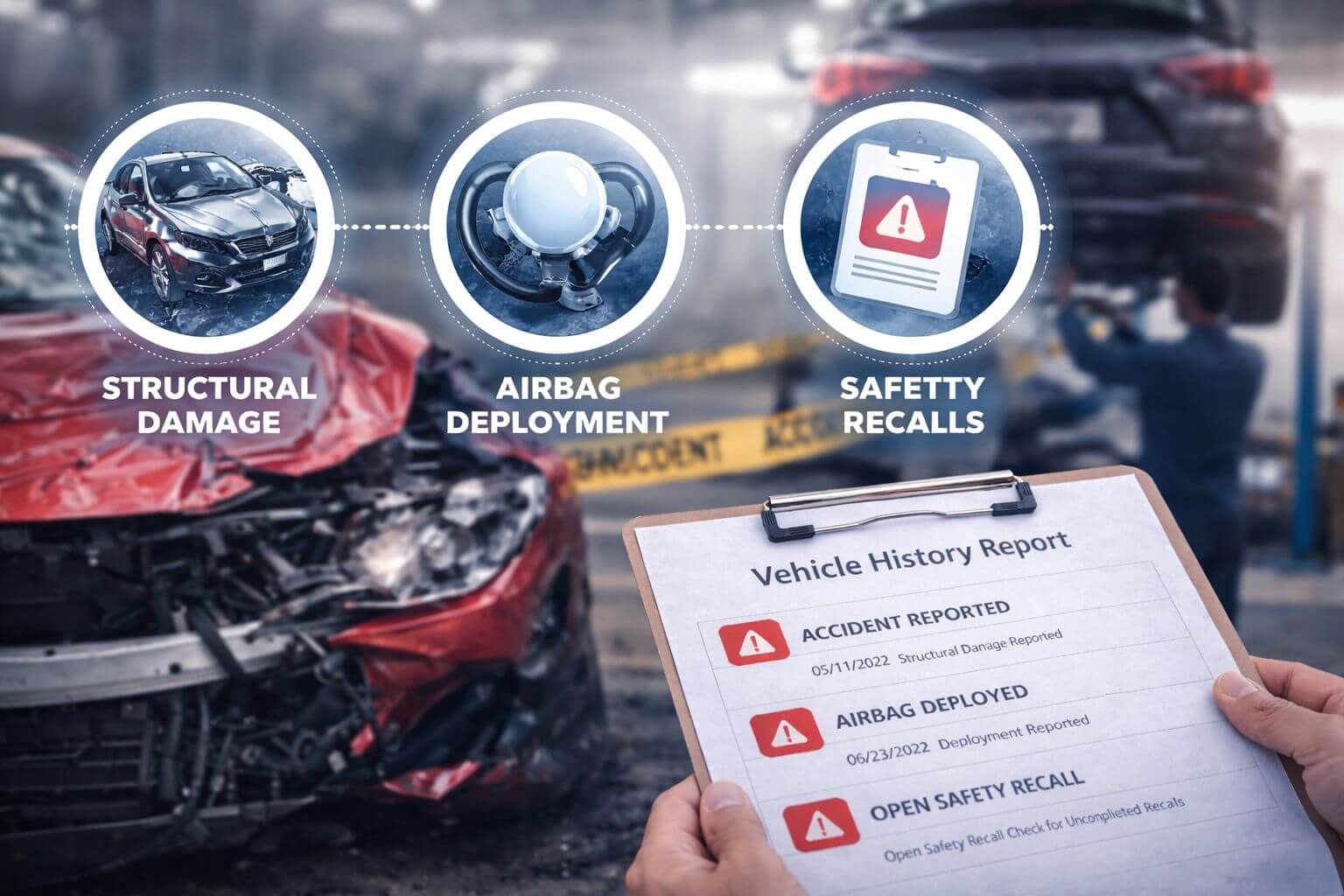
1) Check the Vehicle History Report
Use a trusted VIN check service like VinAudit Canada: https://www.vinaudit.ca/
Review:
- Flood-related damage or insurance write-offs
- Title status (avoid “salvage” or “rebuilt” when possible)
- Registration history in flood-prone areas
2) Inspect for Signs of Water Damage
Look for red flags such as:
- Musty or damp odors
- Water stains or rust under seats and inside the trunk
- Damp carpets or upholstery
- Foggy headlights or condensation inside gauges
3) Get a Mechanic to Inspect the Vehicle
A professional inspection can reveal hidden issues, especially in:
- Electrical systems
- Brakes and suspension components
- Undercarriage and engine bay (mud, rust, debris in hard-to-reach areas)
4) Be Cautious With “Too Good to Be True” Deals
Flood-damaged cars are often priced aggressively to sell fast:
- Compare pricing with a market value estimate: https://www.vinaudit.ca/market-value-tool
- Verify seller credibility and ownership history.
- Be cautious if a seller pressures you to buy immediately.
Key Takeaways
Driving in heavy rain and floods requires preparation, patience, and safer decision-making.
- Adjust your driving habits (slower speed, more distance, no cruise control)
- Avoid flooded roads whenever possible
- Be prepared with emergency supplies and route planning
- Inspect used cars carefully to avoid hidden flood damage
Stay informed, drive defensively, and always choose caution over convenience in hazardous weather.