How to Safely Drive on Icy Roads in Canada: A Practical Guide
How to Drive Safely on Icy Roads in Canada
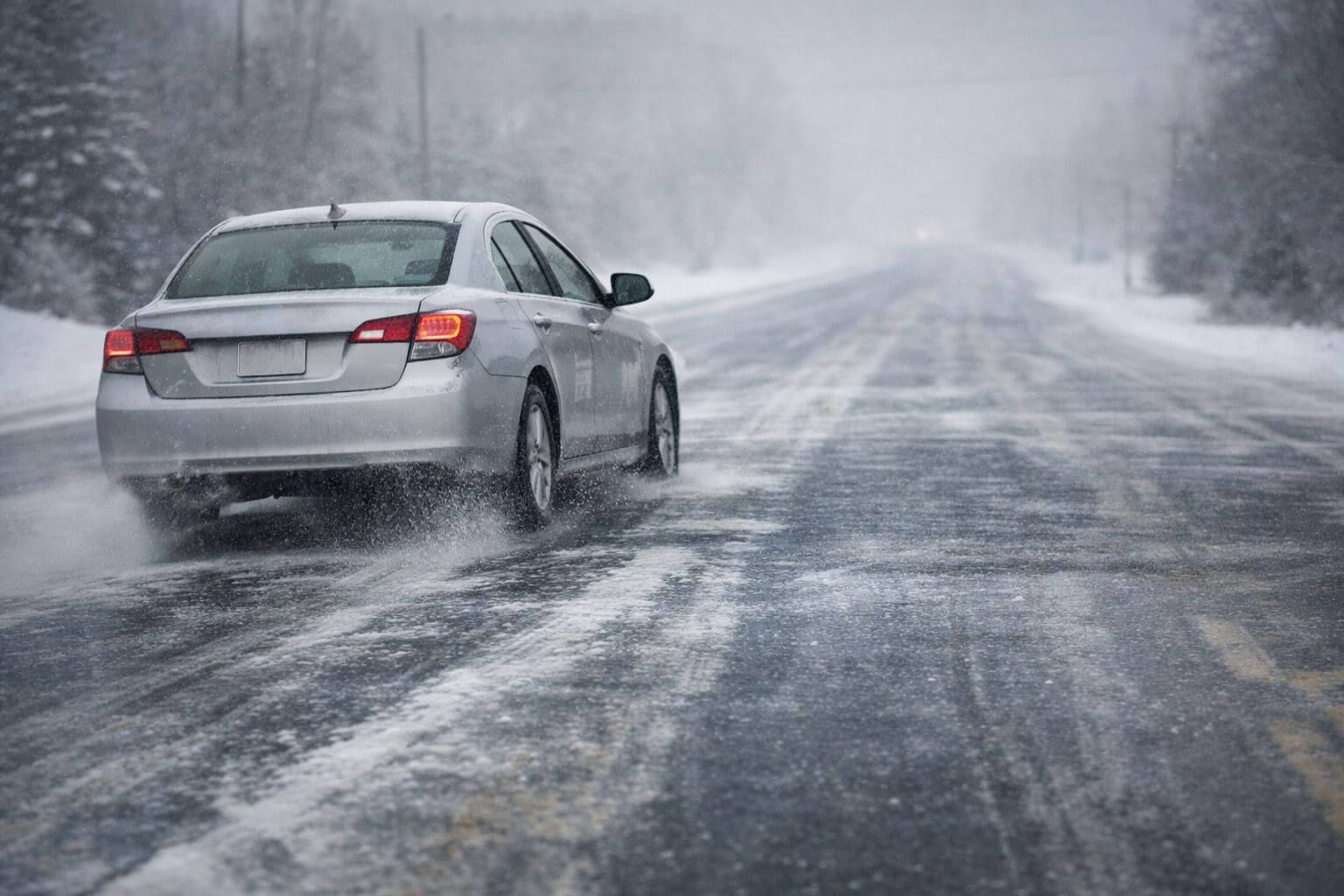
Winter driving in Canada can be unpredictable, especially when icy roads reduce traction and black ice forms without warning. Whether you’re commuting to work or heading out on a longer trip, knowing how to anticipate slick spots, adjust your driving, and respond to a skid can make the difference between a close call and a collision.
Below is a practical, step-by-step guide to help you stay in control and drive more confidently in winter conditions.
Understanding the dangers of icy roads
Icy roads create hazards that don’t exist on dry pavement. Even experienced drivers can lose control quickly if they underestimate how little grip is available.
What makes icy roads risky?
- Reduced traction: Ice dramatically lowers tire grip, making it harder to accelerate, brake, and steer.
- Longer stopping distances: Even with good tires, you may need significantly more distance to stop than you would on dry roads.
- Black ice is hard to spot: Thin, nearly invisible ice can blend into the roadway and catch drivers off guard.
Where and when ice is most likely to form
- Bridges and overpasses: Cold air circulates underneath, causing surfaces to freeze faster.
- Shaded sections of road: Areas under trees or beside buildings can stay colder and icy longer.
- Early mornings and late nights: Temperatures drop, increasing the chance of freezing and refreezing.
- Near intersections: Frequent stopping and starting can create polished, slippery patches.
Essential winter driving tips
Driving safely on ice is mostly about smooth inputs and extra space. Small changes in speed and following distance can dramatically reduce risk.
1) Adjust your driving style
- Slow down: Reduce speed well before curves, hills, and intersections.
- Increase following distance: Aim for 5–6 seconds (or more) behind the vehicle ahead.
- Brake and accelerate gently: Avoid sudden movements that can trigger skids.
- Make turns gradual: Slow down before the turn, then steer smoothly.
2) Use the right tires for the season
Winter tires are designed for cold temperatures and slippery surfaces. They provide better grip than all-season tires when temperatures drop, improving:
- acceleration and traction
- cornering stability
- braking performance on snow and ice
If you drive regularly in winter conditions, winter tires are one of the most effective safety upgrades you can make.
3) Spot and handle black ice
Black ice often appears like a darker or shinier section of pavement, especially when the road looks “wet” but temperatures are below freezing.
How to spot black ice:
- Look for glassy, glossy, or unusually dark patches on the road.
- Watch how other vehicles behave—sudden drifting or twitching can indicate ice.
- Be especially cautious on bridges, shaded areas, and near open fields.
If you hit black ice:
- Stay calm and keep the steering wheel straight.
- Ease off the accelerator and let the vehicle slow down naturally.
- Avoid hard braking—sudden braking can worsen the skid.
4) How to regain control if you start skidding
When a skid starts, the goal is to regain traction without overcorrecting.
- Look where you want to go (not at the obstacle or where you’re sliding).
- Steer gently in the direction of the skid (the direction the rear of the vehicle is sliding).
- Avoid jerky steering inputs—overcorrection can cause a spin.
Braking guidance:
- If you have ABS: Press the brake firmly and steadily. Let ABS pulse—do not pump the brakes.
- If you do not have ABS: Apply gentle, progressive braking. If wheels lock, ease off slightly and reapply smoothly.
Be prepared before you drive
A few minutes of preparation helps reduce risk—especially on days when ice is likely.
- Check tire pressure and tread depth.
- Make sure wipers, defogger, and washer fluid are working.
- Keep your fuel tank at least half full.
- Carry a basic winter kit (blanket, flashlight, gloves, phone charger, and traction aid).
Practice in a safe environment
If you’re unsure how your vehicle reacts on ice, practice in a large, empty, snow-covered parking lot. Try gentle braking and turning at low speeds to understand how quickly traction can be lost—and how smooth inputs help maintain control.
Key takeaways
Driving on icy roads requires patience and smooth decision-making. Slow down, increase your following distance, use winter tires, and know what to do if traction disappears. With the right habits, winter driving becomes safer and far less stressful.