What Is a Certified Used Car?
What Is a Certified Used Car?
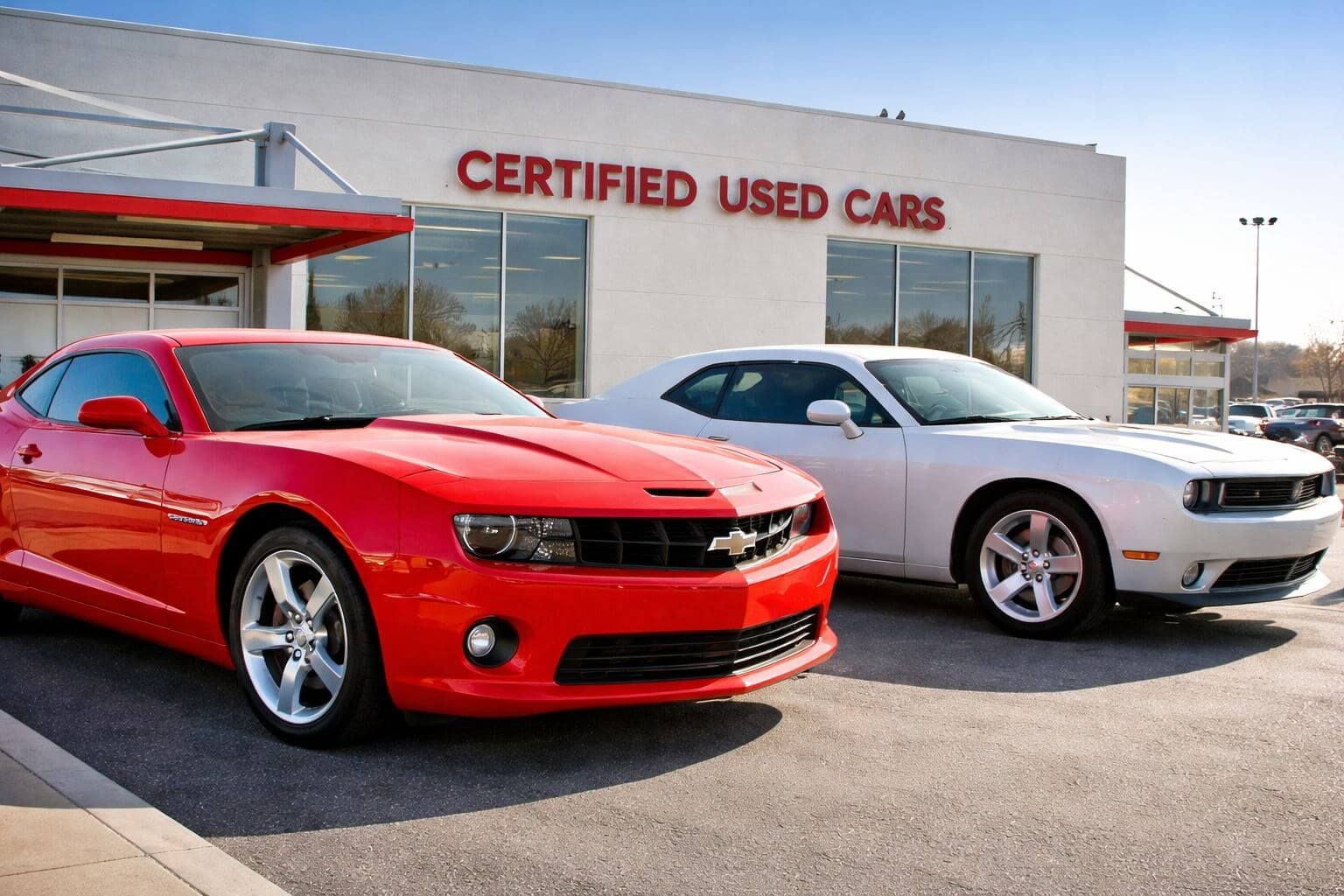
Certified used cars—commonly called CPO (Certified Pre-Owned) vehicles—are used cars that have been thoroughly inspected, reconditioned, and officially certified by a manufacturer, dealership, or independent certification program. They have become a popular middle ground between buying brand-new and buying a regular used car.
Unlike standard used vehicles, certified used cars typically come with extended warranty coverage, special financing options, and added buyer protections. Most programs also limit eligibility based on age and mileage, meaning certified vehicles are usually no more than six years old and have relatively low mileage.
Before earning certification, these vehicles undergo multi-point inspections and reconditioning to ensure they meet defined quality and safety standards—often designed to make them perform and feel closer to a new vehicle.
Three Types of Certified Used Cars
Manufacturer Certified (OEM Certified)
Manufacturer-certified used cars are sold exclusively through authorized brand dealerships. These vehicles are inspected and reconditioned by factory-trained technicians, often following a checklist of 100 or more inspection points set by the automaker.
Common benefits include:
- Extended warranty backed directly by the manufacturer
- Roadside assistance programs
- Special financing or lease offers
- Nationwide service coverage at authorized dealerships
Because the certification and warranty are supported by the automaker itself, manufacturer-certified vehicles are generally considered the most reliable and consistent CPO option.
Dealership Certified
Dealership-certified vehicles are inspected and certified by the selling dealership rather than the manufacturer. The inspection is usually completed by the dealer’s in-house service department.
Coverage, inspection depth, and included perks vary widely depending on the dealership. Some dealer programs are comprehensive, while others may offer limited warranties or short-term coverage only. Buyers should always review the certification terms carefully.
Independent Program Certified
Independent certification programs are operated by third-party companies not tied to a specific manufacturer. Inspections may be performed in-house or through accredited partner facilities.
These programs usually allow servicing at affiliated repair centers, but warranty claims may require upfront payment followed by reimbursement. The reliability of coverage depends heavily on the stability and reputation of the certifying company.
Why Buy Certified Used Cars?

Certified used cars offer a strong balance between cost savings and peace of mind. They are typically less expensive than new vehicles, yet far more protected than non-certified used cars.
Key advantages include:
- Professional inspection and reconditioning
- Extended warranty coverage
- Reduced risk of undisclosed mechanical issues
- Added perks such as roadside assistance, shuttle services, or free maintenance
While non-certified used cars may be cheaper upfront, they often lack warranty protection and may not have undergone rigorous inspections. Certified vehicles reduce uncertainty by ensuring known issues are addressed before sale.
Certified used cars also tend to retain their resale value better, making them easier to sell or trade in when it’s time to upgrade.
Does It Matter Who Certifies the Car?

Yes—who certifies the car matters significantly. While vehicles can be certified by manufacturers, dealerships, or independent programs, most experts agree that manufacturer-certified used cars offer the highest level of assurance.
Manufacturer certification typically guarantees:
- Inspection to factory standards using approved equipment
- Verification that the vehicle has no frame or structural damage
- Extended warranty coverage that begins after the original warranty expires
- Access to service centers nationwide
Independent programs may be limited to specific locations and sometimes require buyers to pay repair costs upfront and wait for reimbursement. There is also a higher risk that a third-party warranty provider may not be available long-term.
With a manufacturer-certified used car, buyers benefit from both higher inspection standards and stronger warranty backing, providing greater long-term security.
Where Should You Shop for Certified Used Cars?

Most major automakers operate official certified used car programs with dedicated websites listing certified inventory across all participating dealerships. Examples include:
These sites explain how each certification program works and outline the warranties, inspections, and benefits included.
If you want to compare certified vehicles across multiple brands in one place, you can also browse CertifiedCars.com to view certified used car inventory from major manufacturers in your area.
Final Thoughts
Certified used cars are an excellent option for buyers who want lower prices than new vehicles without sacrificing reliability or protection. By understanding the differences between manufacturer, dealership, and independently certified programs, you can choose the option that best matches your budget and risk tolerance.
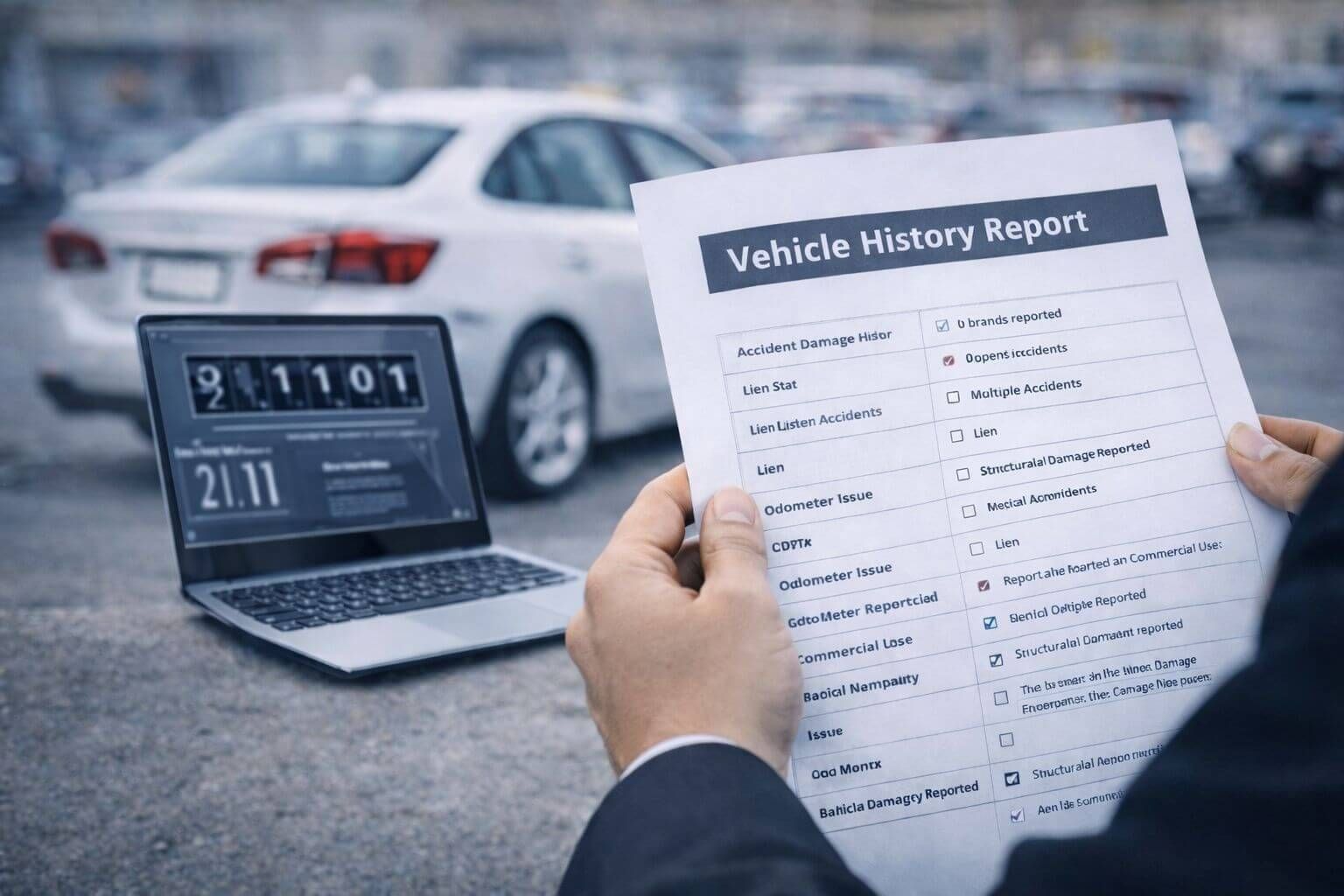
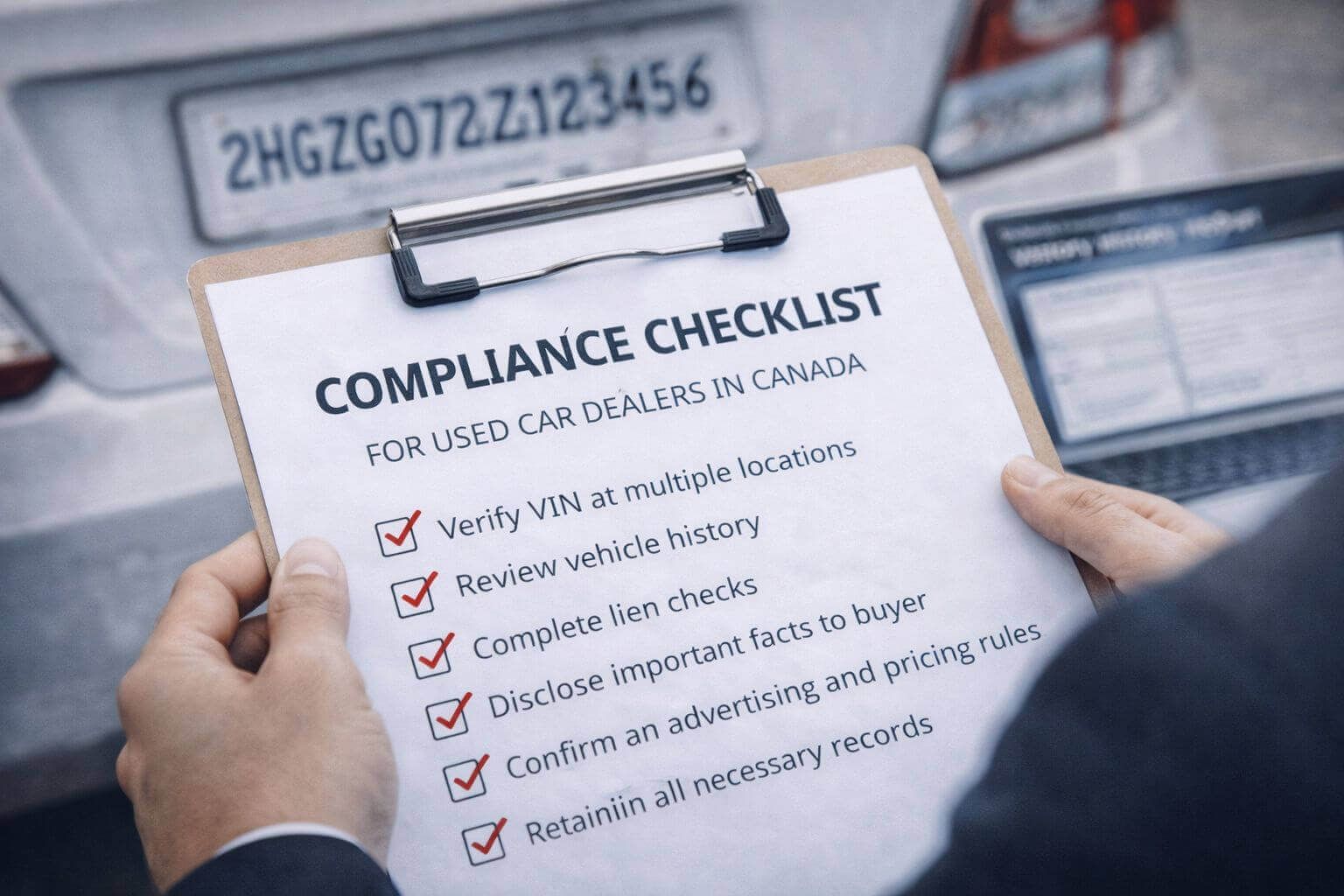
Always review the inspection checklist, warranty terms, and vehicle history before finalizing your purchase to ensure you’re getting the full value of a certified used car.