How to Know If Your Car Is Totaled in Canada
How to Know If Your Car Is Totaled in Canada
A crash is stressful enough without having to decode insurance jargon. One of the biggest questions after a serious collision is whether your car will be declared a total loss, often called a write-off. In Canada, the decision comes down to economics, safety, and provincial rules. This guide explains how insurers decide, the math behind it, and what to do if your car is close to or over the line.
What totaled means in Canada
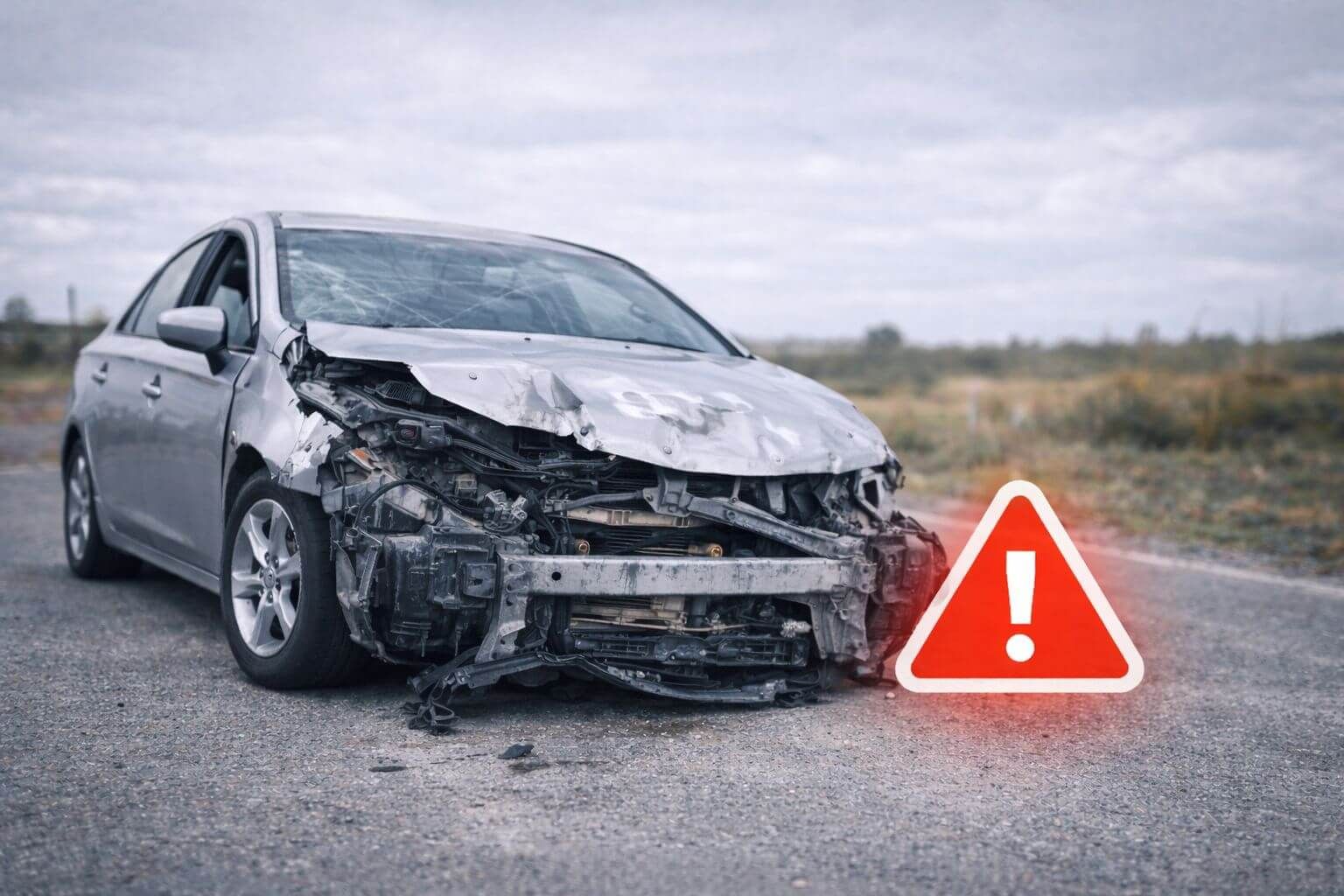
In plain terms, a car is totaled when it is not economically reasonable to repair. Insurers compare the estimated cost to repair and other claim costs against the vehicle’s actual cash value, also called ACV, just before the crash. If repairing will cost as much or more than the car is worth, the insurer will usually declare a total loss.
There are also special cases where a vehicle is not safe or legal to return to the road even if it could be fixed. Examples include severe fire or flood damage, significant structural compromise, or battery thermal events in electric vehicles. These often lead to an irreparable or salvage brand in provincial registries.
The basic math insurers use
While formulas vary slightly by insurer and province, a common rule of thumb is:
- If repair cost is greater than or equal to ACV minus salvage value, the car is likely a total loss.
Insurers also consider additional costs beyond the body shop estimate, such as rental coverage, supplemental damage that may appear once the vehicle is torn down, storage and towing, and administrative expenses. When those are added, even a repair estimate that looks slightly lower than ACV can tip into total-loss territory.
Example:
- ACV: 15,000
- Repair estimate: 12,000
- Expected supplemental repairs: 1,500
- Salvage value: 2,000
Net comparison: 12,000 + 1,500 ≈ 13,500. Since ACV minus salvage is 13,000, the repair path is more expensive than the threshold and the vehicle would likely be totaled.
Important: Airbag deployment alone does not guarantee a write-off. Many vehicles are repaired after airbag deployment if the structure and systems are otherwise sound and the economics work.
Provincial nuances and vehicle branding
Canada does not have a single federal threshold for total loss. Insurers rely on ACV and cost of repair, and provincial rules guide branding of vehicles after serious damage:
- British Columbia: Through ICBC, many write-offs receive a salvage or rebuilt brand. Severe damage can lead to irreparable status.
- Manitoba and Saskatchewan: Public insurers MPI and SGI manage claims and vehicle branding. Flood and fire often lead to irreparable.
- Ontario and Atlantic provinces: Private insurers handle claims. Vehicles may be branded as salvage or rebuilt under provincial registries if repaired after being written off.
- Quebec: Private insurers handle property damage coverage, while SAAQ manages bodily injury. Vehicle branding still applies; flood vehicles are frequently irreparable.
If a vehicle is branded irreparable, it cannot be returned to on-road use. A salvage brand means the vehicle can potentially be repaired and inspected, then re-registered as rebuilt. Rules and inspection standards vary by province.
How ACV is calculated
Actual cash value reflects what your car would have sold for immediately before the loss. Adjusters use valuation tools, recent comparable sales, and your vehicle’s specifics:
- Year, make, model, and trim level
- Kilometres and overall condition
- Factory options and packages
- Recent maintenance and upgrades that affect market value
- Local market trends and seasonal swings
Expect the adjuster to share a valuation report on request. If you believe the ACV is low, provide better comparable listings, service history, and documentation for factory options. Aftermarket add-ons add value inconsistently; some may contribute little or nothing to ACV.
Taxes and fees: In a total loss, settlement typically includes applicable sales tax on the ACV amount, minus your deductible and any salvage buyback, subject to provincial rules and your tax status. If you are registered to collect HST or GST for business, insurers may treat tax differently. Ask your adjuster how tax will be handled in your province.
Automatic or likely write-offs
While each claim is unique, these scenarios frequently result in a total loss:
- Significant structural damage to the unibody or frame
- Flood intrusion above the floor level, saltwater exposure, or contaminated water
- Fire, severe smoke, or electrical system meltdown
- EV battery thermal event or high-voltage system compromise
- Extensive airbag deployment coupled with structural and cosmetic damage
Even when repairable, severe water and fire damage may lead to an irreparable brand due to safety and corrosion concerns.
Your options if it is declared a total loss
When the adjuster declares a total loss, you usually have several options:
- Accept the settlement: You sign over ownership, and the insurer pays ACV minus your deductible and any lien. The insurer disposes of the salvage.
- Negotiate ACV: Provide stronger comparables or documentation if the valuation seems low. Be polite, specific, and evidence based.
- Buy back the salvage: In many provinces, you can keep the car for a reduced payout equal to ACV minus salvage value and deductible. The vehicle will be branded salvage or irreparable, affecting future use and insurance.
- Use replacement coverage: If you purchased a depreciation waiver or new car replacement (for example, OPCF 43 in Ontario or SEF 43R in Alberta), you may be entitled to a replacement or settlement closer to original purchase price, subject to terms and mileage limits.
- Rely on gap insurance: If your loan balance exceeds the settlement, gap coverage can pay the shortfall to the lender. Without gap, you may owe the difference.
Timing: Once you accept a settlement, payment is often issued within 7 to 15 business days, depending on lienholder coordination and provincial processes.
If it is repairable but close to a write-off
- Ask for a detailed estimate and whether supplemental damage is likely.
- Consider a second opinion at a preferred or certified shop.
- Discuss OEM versus aftermarket parts, and paint and materials rates.
- Clarify any betterment charges for new tires or wear items.
- Understand that diminished value is not routinely paid in Canada unless pursued through legal channels after a not at fault crash. Policies generally exclude it.
If you are worried about safety, you can refuse unsafe repairs. A reputable shop will not return a vehicle that cannot be repaired to recognized standards. If the economics are too tight, the insurer may switch to a total loss determination.
Who pays what depending on fault
Direct compensation property damage (DCPD) in many provinces means your own insurer handles vehicle damage regardless of fault. Deductibles and rental coverage depend on your policy and fault determination. If you are not at fault under DCPD, you may have a lower or zero deductible for the vehicle damage portion. Check your declaration page.
Rental and loss of use coverage only applies if you purchased it, unless the other driver’s insurer assumes responsibility and provides a courtesy rental. Ask your adjuster early to avoid out of pocket surprises.
Step by step after a serious crash
- Put safety first and call emergency services if needed.
- Document the scene with photos and collect the other driver’s details.
- Notify your insurer promptly; provide the claim number to the tow operator and storage yard.
- Remove personal items; storage fees add up quickly.
- Choose a reputable shop for estimating or teardown as directed by your insurer.
- Ask whether the car is likely repairable or a total loss before authorizing major work.
- Keep receipts for towing, temporary transportation, and emergency repairs.
- If financed or leased, notify your lender; the insurer will coordinate payout of the lien.
FAQs
- Will my premium go up after a total loss? Surcharges depend on fault, claim history, and provincial rules. Not at fault claims may still affect discounts in some cases.
- Can I choose my repair shop? Usually yes, though preferred shops streamline approvals and warranties. You are not required to use a specific shop in most provinces.
- How long does a total loss take? Many settle in 1 to 3 weeks; complex valuations or lien issues can take longer.
- What about plates and registration? In provinces with public insurance tied to plates, you may be eligible for prorated refunds when a vehicle is written off. Ask your insurer or licensing office.
Quick rule of thumb
- Estimate the ACV using real local listings for comparable vehicles.
- Review the written estimate and ask about likely supplemental damage.
- If repair cost plus a buffer for supplements is close to ACV minus salvage, expect a write-off.
- If catastrophic damage is involved, a write-off and salvage or irreparable brand is likely.
Final thoughts
Total loss decisions revolve around safety and economics. Understanding ACV, salvage value, and provincial branding will help you predict the outcome and make good choices about settlement, buyback, or replacement coverage. When in doubt, ask your adjuster to walk you through the valuation and the math. A clear, documented conversation is the fastest path to a fair result.
This article provides general information, not legal or financial advice. Always check your specific policy wording and provincial regulations.