Deciding on Residual Value: Exploring Car Lease Buyout Options
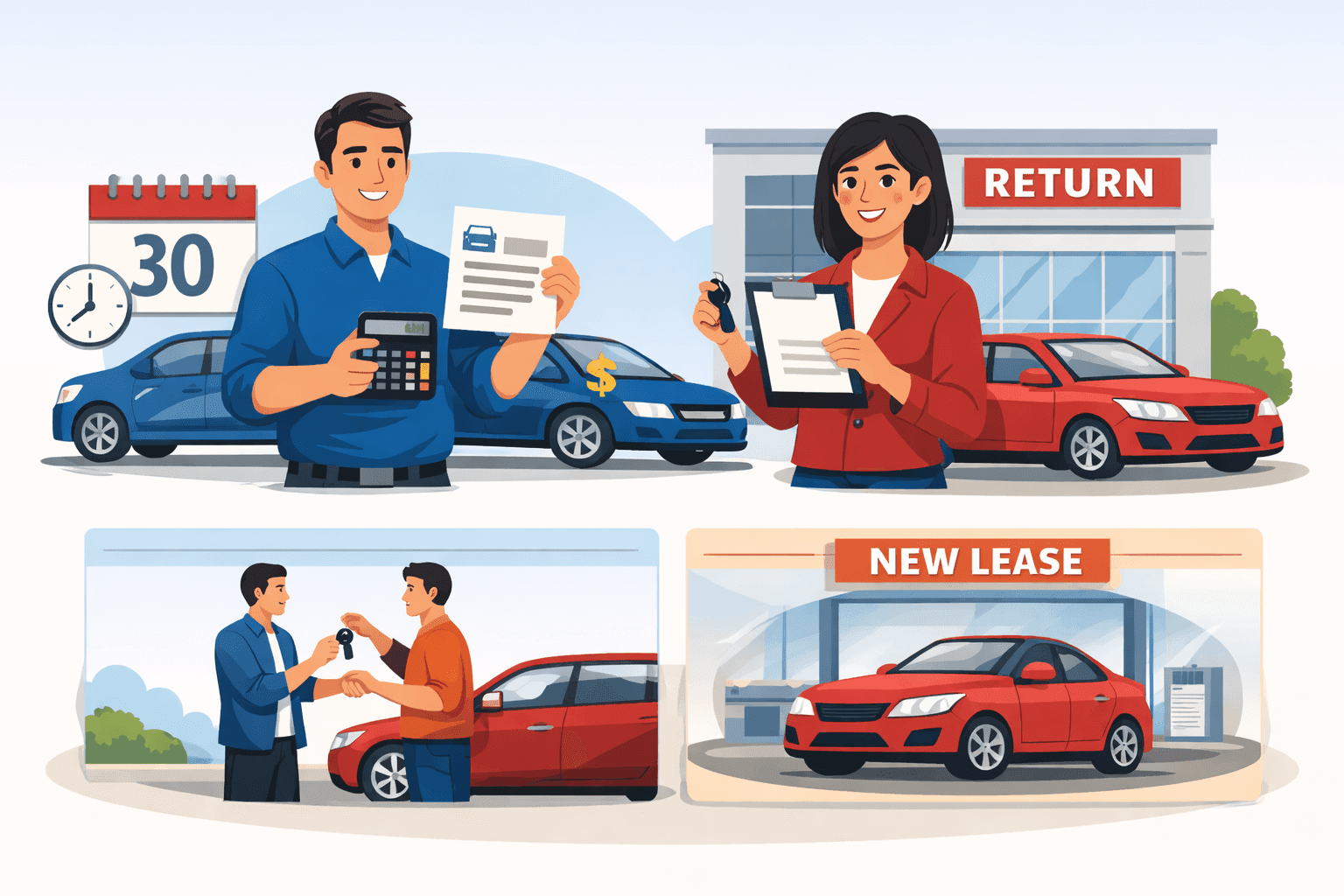
Vehicle leasing is a popular alternative to traditional car ownership in Canada. Instead of buying the vehicle outright, you pay a monthly amount to use it for a fixed term—then decide what to do when the lease ends.
As your lease approaches its final months, the most important decision is usually whether to buy out the lease or return the vehicle. That choice depends on practical factors like mileage limits, wear-and-tear standards, potential lease-end charges, and—most importantly—whether the buyout price makes financial sense compared to the vehicle’s current market value.
This guide breaks down how leasing works, how residual value is calculated, the pros and cons of buying out your lease, and what options you may have if you want to exit early.
Understanding How Leases Work
What a Vehicle Lease Is
A vehicle lease is a time-limited agreement between:
- The lessee (you), and
- The lessor (the leasing company or dealership)
During the lease term, you make monthly payments to drive the vehicle. At the end, you usually have two main choices:
- Return the vehicle, or
- Purchase it for the agreed buyout price (listed in your contract)
Why Canadians Choose to Lease
Many drivers lease because it can be a practical, flexible option:
Lower upfront and monthly costs
Lease payments are often lower than financing payments for the same vehicle.Access to newer models
Leasing allows you to drive a newer vehicle more frequently, often with the latest safety and tech features.Flexibility at the end of the term
You can return the vehicle and upgrade, which is ideal if your needs change over time.Potential tax advantages
In some cases—especially for business use—lease payments may be deductible (rules vary by situation and should be confirmed with a tax professional).
Lease Residual Value: What It Means and How It’s Calculated
Residual value is the estimated value of the vehicle at the end of the lease term, set in the lease agreement. It matters because it directly influences:
- Your monthly payment (depreciation over the term), and
- Your buyout price at the end
A common way residual value is expressed is as a percentage of the vehicle’s MSRP.
Example:
If the vehicle MSRP is $40,000 and the residual value is 50% after a 36-month lease:
- Residual value = $20,000
Residual value can be influenced by factors such as:
- The expected depreciation rate of that model
- Lease length
- Market conditions and demand trends
- Usage rules (mileage caps, wear-and-tear standards)
Buying Out a Lease: Pros and Cons
When your lease ends, buying the vehicle can be a smart move—but only if the numbers work. Here’s a balanced view.
Advantages of Buying Out Your Lease
Familiarity and continuity
You already know how the car drives, how it was maintained, and whether it’s been reliable.Potential long-term savings
If the buyout price is lower than the market value, purchasing may be financially beneficial.Convenience
You avoid the stress of returning the car, shopping again, and negotiating a new deal.Equity and resale potential
If the vehicle holds value well, you may be able to sell later without losing as much compared to buying new.
Disadvantages of Buying Out Your Lease
Buyout price may exceed market value
In some cases, the residual value is higher than what the same car sells for used.Maintenance becomes your responsibility
Once you own it, you cover repairs and maintenance costs in full.Depreciation continues
The vehicle keeps losing value over time, which matters if you plan to sell later.Long-term commitment
Buying means you’re committing to that vehicle instead of resetting into a newer model.
What Are My Other Options for Exiting a Lease Early?
If you want to end the lease before the term is over, you may have alternatives beyond paying the full early buyout.
Lease Transfer (Lease Takeover)
A lease transfer allows you to move the remaining lease term to another person who takes over:
- Monthly payments
- Mileage limits
- Condition requirements
- Lease-end responsibilities
This can reduce your cost compared to a full early termination, depending on transfer fees and approval requirements.
Starting a New Lease
In some situations, a dealership may allow you to roll into a new lease early—especially if:
- You have strong credit, and
- The dealership can make the numbers work based on the remaining lease balance and vehicle value
However, dealerships will consider:
- Remaining lease payments and obligations
- The vehicle’s residual value
- Taxes and fees
- Any negative equity or lease-end charges rolled into the new deal
Final Note
Leasing gives flexibility—but the final months of the lease are where you either preserve that flexibility or turn it into ownership. Before deciding, compare the buyout price to current market value, consider your mileage and wear-and-tear exposure, and choose the option that fits your budget and plans for the next few years.