How Dealers Use Vehicle History Data to Reduce Buy-Side Risk
How Dealers Use Vehicle History Data to Reduce Buy-Side Risk
Winning on the buy side is where the best retail deals are made—or lost. Between compressed margins, volatile lanes, and tighter arbitration rules, dealers cannot afford blind spots when acquiring inventory. Vehicle history data has become the most reliable lens for spotting hidden risk, calibrating bids, and protecting gross. This guide breaks down how to use reports effectively across inventory sourcing, auction decisioning, and identifying red-flag vehicles before they erode your reconditioning budget.
Why buy-side risk keeps rising
- Demand and supply swings create pricing whiplash, tempting overbids on questionable units.
- Condition reports vary in quality and may miss prior damage, flood exposure, or odometer issues.
- Arbitration windows are short, and coverage is limited. If a risk is not announced, you may still struggle to unwind.
- Transportation, reconditioning, and days-to-front amplify the cost of a bad buy.
Vehicle history data does not replace a careful inspection or a trusted CR, but it compresses uncertainty and helps you decide when to pursue, pause, or pass.
What vehicle history data includes
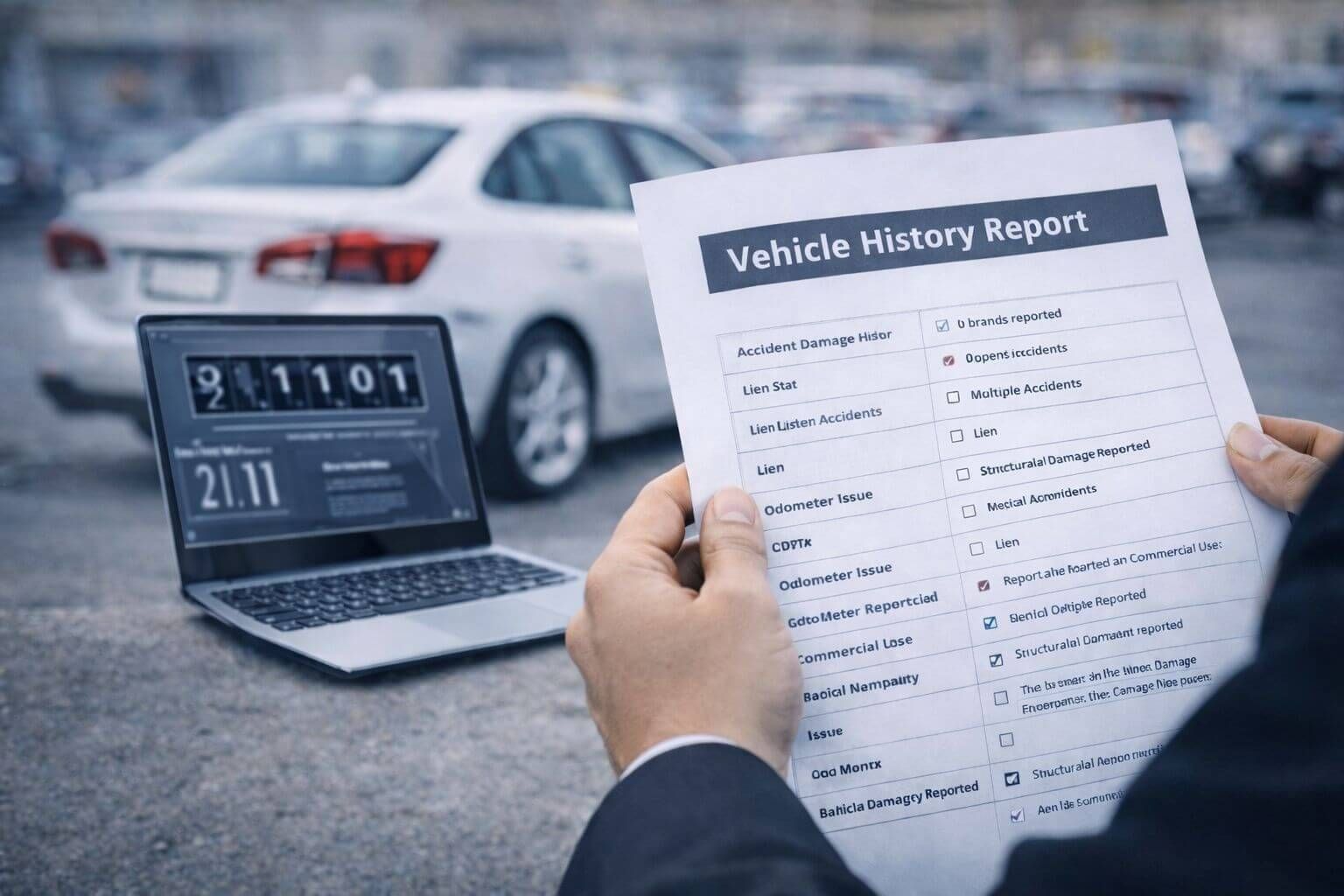
Most reputable providers aggregate records from multiple sources. Expect coverage across:
- Title brands and status (salvage, rebuilt, lemon buyback, flood, junk, prior police/taxi)
- Odometer events and potential rollbacks or tampering flags
- Accident and damage records, including severity indicators and airbag deployment
- Insurance total loss, auction announcements, and sale runs
- Service and maintenance histories; mileage patterns
- Theft and recovery events
- Lien status and ownership cycles
- Open safety recalls
- Commercial use indicators (rental, fleet, rideshare, taxi)
- Import/export and gray-market signals
The value is not only in individual data points but in how they connect. A single accident entry may be manageable; multiple severe events across different states within a short interval could indicate chronic structural issues or undisclosed repairs.
Use data before you bid: a sourcing playbook
- Pre-screen list vehicles
- Filter out units with hard stops: flood brand, junk/scrap, severe structural announcements, or unresolved odometer discrepancies.
- Highlight caution units: prior theft with salvage auction history, multiple auction runs in 90 days, or repeated failed sales.
- Surface quick wins: clean title, consistent service intervals, single owner, no severe accidents, closed recalls.
- Set bid caps by risk severity
- Use a tiered matrix that applies conservative deductions for red flags (more below) and heavier allowances for uncertain reconditioning.
- Adjust by segment. A prior rental may be tolerable for an entry compact with strong demand but not for a highline SUV where buyers expect pristine history.
- Triangulate sources
- Compare the vehicle history report against auction CR photos and comments. Do reported accidents align with panel gaps, paint texture, weld marks, or overspray?
- Cross-check NMVTIS and state title events if available. For flood-risk states or recent storms, check local flood registries.
- Decode the VIN to confirm trim, engine, and safety options match photos and CR notes.
- Validate mileage and usage
- Confirm sequential mileage growth. Plateaued or regressive entries signal potential cluster replacement or rollback.
- Look for service types consistent with mileage. New tires at 20k followed by brakes at 80k? Reasonable. Transmission service at 25k on a normal-use sedan? Ask why.
Auction risk: where reports really save you
Vehicle history helps you navigate tight arbitration windows and reduce post-sale surprises.
- Structural or frame: If any record hints at structural repairs—particularly with airbag deployment—budget for a full frame inspection or pass. Many auctions require explicit announcements; absence of one does not guarantee the unit is clean.
- Odometer issues: Arbitration windows are strict. A prior discrepancy is often a no-go unless priced for parts-only retail or wholesale.
- Flood and water: Saltwater exposure is a long-term electrical nightmare. Even with clean current titles, prior flood branding or salvage auction runs are major pass signals.
- Multiple runs and no-sales: A unit appearing at several auctions in a short time may have persistent problems that detail and paint cannot mask.
The report also calibrates transport decisions. If you cannot inspect in person, a clean history plus a consistent CR is safer to ship than a car with unknown prior damage.
Red-flag vehicles to pause on
Use this checklist to quickly triage risk before escalating to a deeper inspection.
- Branded titles: salvage, rebuilt, lemon buyback, flood, or junk. These are retail killers unless your model is specialized for such units.
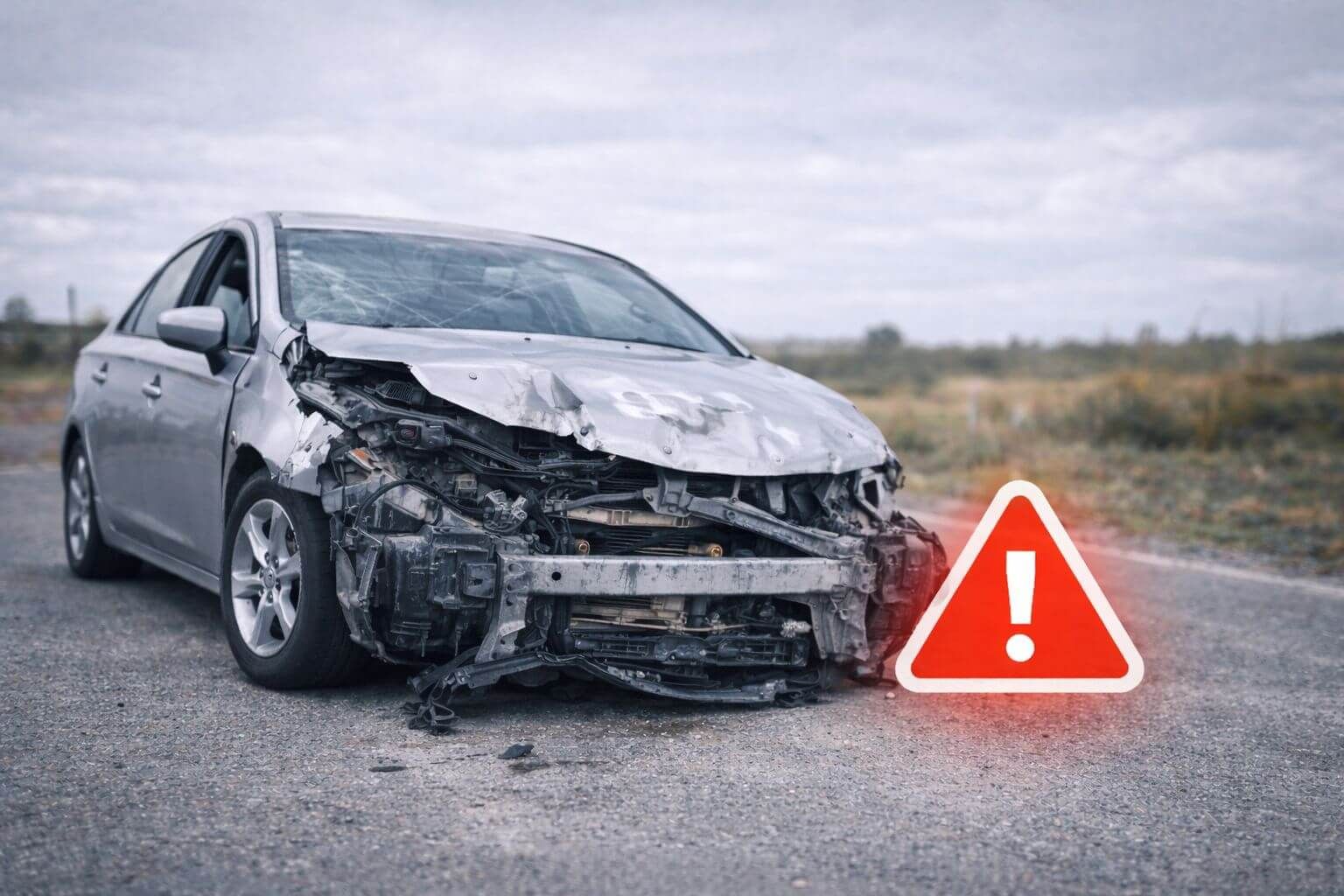
- Structural damage indicators: airbag deployment, severe accident records, or repair notes mentioning rails, aprons, pillars, or unibody sections.
- Odometer discrepancies: mismatched readings, non-sequential logs, or comments about odometer replacement without documentation.
- Theft and recovery with salvage auction overlap: often missing components, compromised wiring, or ECM/immobilizer issues.
- Rental, taxi, or rideshare history on highline product: harder to retail at book, higher interior wear, and potential for deferred maintenance.
- Flood or water exposure: any record tied to flood zones, insurance totals for water, or corrosion seen in CR photos (seat rails, underhood hardware, connectors).
- Multiple auction runs in 30–90 days: suggests recurring arbitration, MMR-chasing sellers, or cosmetic recon masking deeper issues.
- Import/export flip: Midwest unit exported then re-imported quickly often signals title complications or unresolved damage overseas.
- Open safety recalls without parts available: can stall front-line readiness and frustrate retail timelines.
- Short ownership bursts with big mileage jumps: may mask commercial use or odometer irregularities.
Not every red flag is a deal-breaker, but each must be priced and inspected accordingly.
Appraisals and wholesale purchases
History checks are as critical on the lot as in the lane.
- Trade-ins: Run a report during appraisal, not after the number is on the table. A late-breaking accident or odometer issue turns a confident pencil into a loss.
- Wholesalers: Verify that their story matches the records. Require disclosure addendums for title brands, structural or airbag events, and prior rental use.
- Reconditioning planning: History informs what to pre-order—airbag modules, sensors, trim pieces—so you can compress days-to-front and control cost creep.
Build a risk scorecard your buyers trust
A simple, consistent scorecard aligns your team and reduces emotional bidding.
- Tier A (low risk): Clean title, single owner, sequential mileage, no major accidents, closed recalls. Bid up to target percentile of MMR/market with minimal recon.
- Tier B (moderate): Minor accidents, prior rental but strong service, or light cosmetic reconditioning expected. Bid with defined recon allowance and firm walk-away point.
- Tier C (high): Structural indicators without documentation, odometer concerns, flood proximity, repeated auction runs. Pass or bid wholesale-only numbers for immediate release.
Document average recon deltas by tier and segment quarterly. Use your store’s historicals to refine bid caps and improve gross per copy.
Workflow: integrate, automate, and train
- Scan every VIN: Mobile or desktop, make it automatic in sourcing, appraisals, and inbound acquisitions.
- Alerts and rules: Configure notifications for non-negotiables like flood, odometer discrepancies, or airbag deployment.
- Store the report: Attach PDFs or links to the deal jacket and buy file. This protects you in disputes and helps sales address shopper questions with confidence.
- Train the team: Teach buyers to read key sections—title brands, accident severity, auction history, and odometer logic—so decisions are fast and consistent.
- Measure outcomes: Track arbitration rates, recon variance, days-to-front, and gross per copy on units with and without flagged history. Use the data to coach.
Compliance and good practice
- Use permissible purposes and respect provider terms.
- Protect customer data per privacy laws and your internal policies.
- Do not overstate what the report proves. Treat it as a decision aid alongside inspections, CRs, and technician evaluations.
Bottom line
Dealers who institutionalize vehicle history data into sourcing move faster, avoid avoidable losses, and selectively stretch on the right units. In choppy markets, the advantage is not bidding more—it is knowing more. By screening inventory early, capping bids by verified risk, and training teams to spot red-flag vehicles, you turn information into durable gross and fewer headaches after the hammer falls.