VinAudit’s Yukon Victory: Why Vehicle Accident Data Matters

VinAudit’s Yukon Victory: Why Vehicle Accident Data Matters
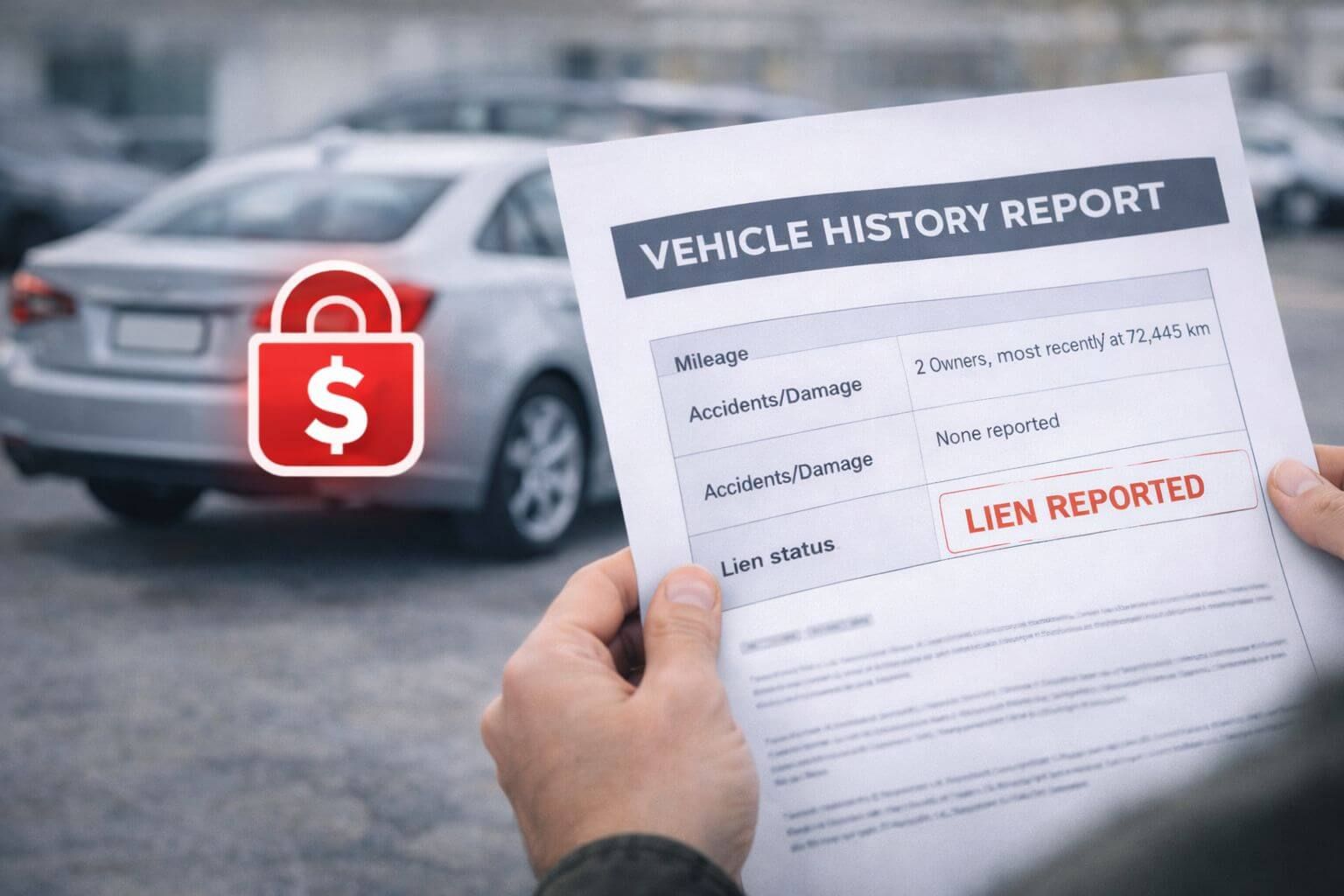
Car accidents play a major role in used-vehicle decisions. A single collision can affect safety, repair costs, reliability, and resale value—which is why trusted vehicle history sources matter.
VinAudit supports consumers and businesses across Canada and the U.S. with data-driven reporting and programmatic access through its vehicle history report API. In the used car market, a vehicle with a clean history often sells for more because buyers perceive it as lower-risk. Meanwhile, vehicles with accident records are commonly priced lower due to uncertainty around repairs and long-term durability.

Accurate accident data sits at the center of the vehicle history ecosystem. It gives buyers confidence, helps sellers set fair pricing, and supports businesses that rely on reliable underwriting and inventory screening.
A recent milestone highlights why data access matters: VinAudit Canada’s legal victory in Yukon reinforced the importance of transparency and availability of public vehicle accident information.
VinAudit’s Data Collection Strategy
VinAudit uses a multi-source data strategy designed to improve coverage and consistency.
United States: NMVTIS + Federal Safety Data
In the U.S., VinAudit relies on the National Motor Vehicle Title Information System (NMVTIS)—a key national database mandated for participation by many state DMVs and supported by reporting from insurance and salvage industry channels.
To expand safety and identity context, VinAudit also incorporates federal sources such as:
- National Highway Traffic Safety Administration (NHTSA)
- Federal Motor Carrier Safety Administration (FMCSA)
Together, these sources strengthen the picture around title events, branding, and safety-related records.
Canada: Provincial and Territorial Data Partnerships
In Canada, VinAudit works with provincial and territorial agencies and vehicle registration bodies. These relationships help expand coverage and improve accuracy for Canadian consumers.
VinAudit also supports Canadian buyers who need visibility into U.S. vehicle history—especially for imported vehicles and cross-border purchases.
VinAudit Canada’s Persistence and Success in Yukon
In September 2021, VinAudit Canada requested access to Yukon vehicle accident information under the Access to Information and Protection of Privacy (ATIPP) Act. The request was denied.
VinAudit Canada filed a complaint with the Yukon Information and Privacy Commissioner. An adjudicator recommended full disclosure by June 2022. However, the following month, the government department rejected that recommendation.
In August 2022, VinAudit Canada filed a petition for judicial review with the Yukon Supreme Court.
By December 2023, VinAudit Canada achieved a landmark outcome: the court found the denial of access unwarranted and ordered the government agency to disclose the records without redactions. The ruling also confirmed VinAudit’s entitlement to legal costs.
Why the Yukon Ruling Matters
1) A Stronger Standard for Data Access
The decision reinforced the public’s right to access important information about vehicle accidents—consistent with the transparency goals of ATIPP.
2) Better Outcomes for Consumers
Accident data helps buyers make smarter decisions about:
- Safety risk (especially after major collisions)
- Repair quality (whether repairs were professional and complete)
- Long-term reliability (hidden damage that can surface later)
- Fair pricing (accident records materially affect market value)
3) Real Benefits for the Auto Industry
Dealers, insurers, fleet operators, and service providers depend on trustworthy history data to manage risk and protect customers.
VinAudit supports these workflows through bulk data services and APIs—helping businesses screen inventory, support underwriting decisions, and improve transaction transparency.
Why Vehicle Accident Data Is Essential in VinAudit Reports
Safety assessment
Accident records help buyers evaluate whether a vehicle may have sustained structural or safety-related damage, especially when combined with other report indicators.
Damage identification
Accident data can reveal patterns that suggest larger repair risk (multiple collisions, repeated damage, or severe events).
Pricing and value accuracy
Accident history directly impacts market value. When buyers can verify the record, negotiations become more fair—and less emotionally driven.
Title record context
Serious accidents can lead to salvage or branded title outcomes. Accident data supports smarter interpretation of title events and helps buyers avoid surprises.
More transparent transactions
A strong report should connect the dots across accident history, title records, odometer readings, recalls, safety issues, and registration changes.
For a breakdown of what a report can include, see VinAudit Canada’s report sections.
VinAudit’s Role in the Industry and What’s Next
VinAudit’s long-term data collaborations—including NMVTIS coverage in the U.S.—and its Yukon legal victory reflect a consistent focus: improving the quality and accessibility of vehicle data.
Looking forward, VinAudit continues investing in broader business access through APIs and bulk feeds—so organizations can use reliable data at scale while supporting transparency and affordability for consumers.
Stay tuned for updates as VinAudit continues raising standards for vehicle history data quality and access across the automotive ecosystem.