How to Get a Vehicle History Report in Ontario
How to Get a Vehicle History Report in Ontario
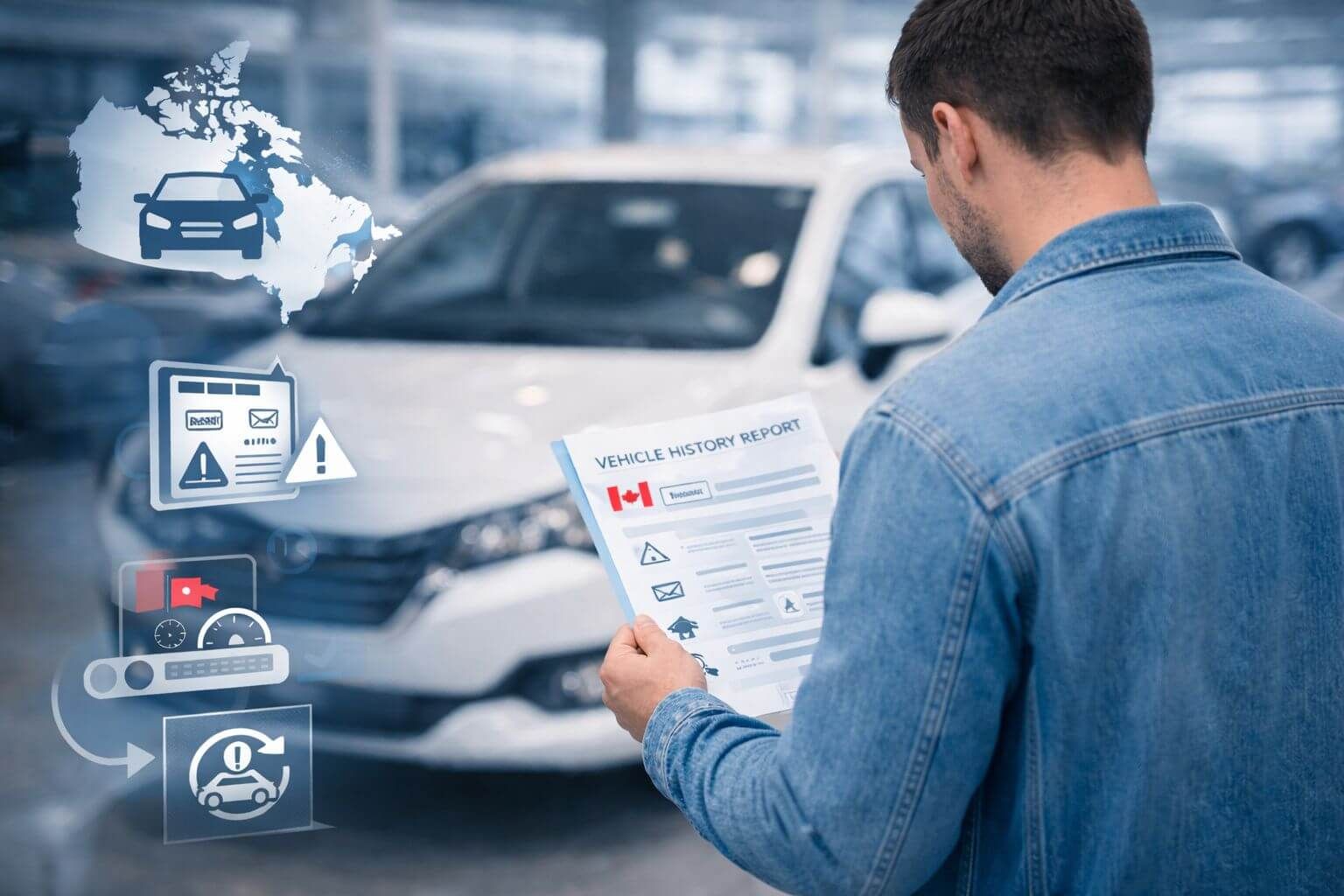
If you’re buying a used car in Ontario, getting a vehicle history report is one of the smartest steps you can take before committing to a purchase. Ontario vehicles are registered provincially, and important records—such as liens, branding, and reported incidents—may not be obvious from a quick inspection or test drive.
This guide explains how to get a vehicle history report in Ontario, what information to look for, and how to use it properly to avoid costly surprises.
Why Ontario Buyers Need a Vehicle History Report
Ontario’s used-car market includes private sales, dealer listings, lease returns, and vehicles imported from other provinces. While many listings appear legitimate, hidden issues can still exist.
A vehicle history report in Ontario helps buyers identify:
- Title brands such as salvage or rebuilt status
- Outstanding liens attached to the vehicle
- Theft or total loss records
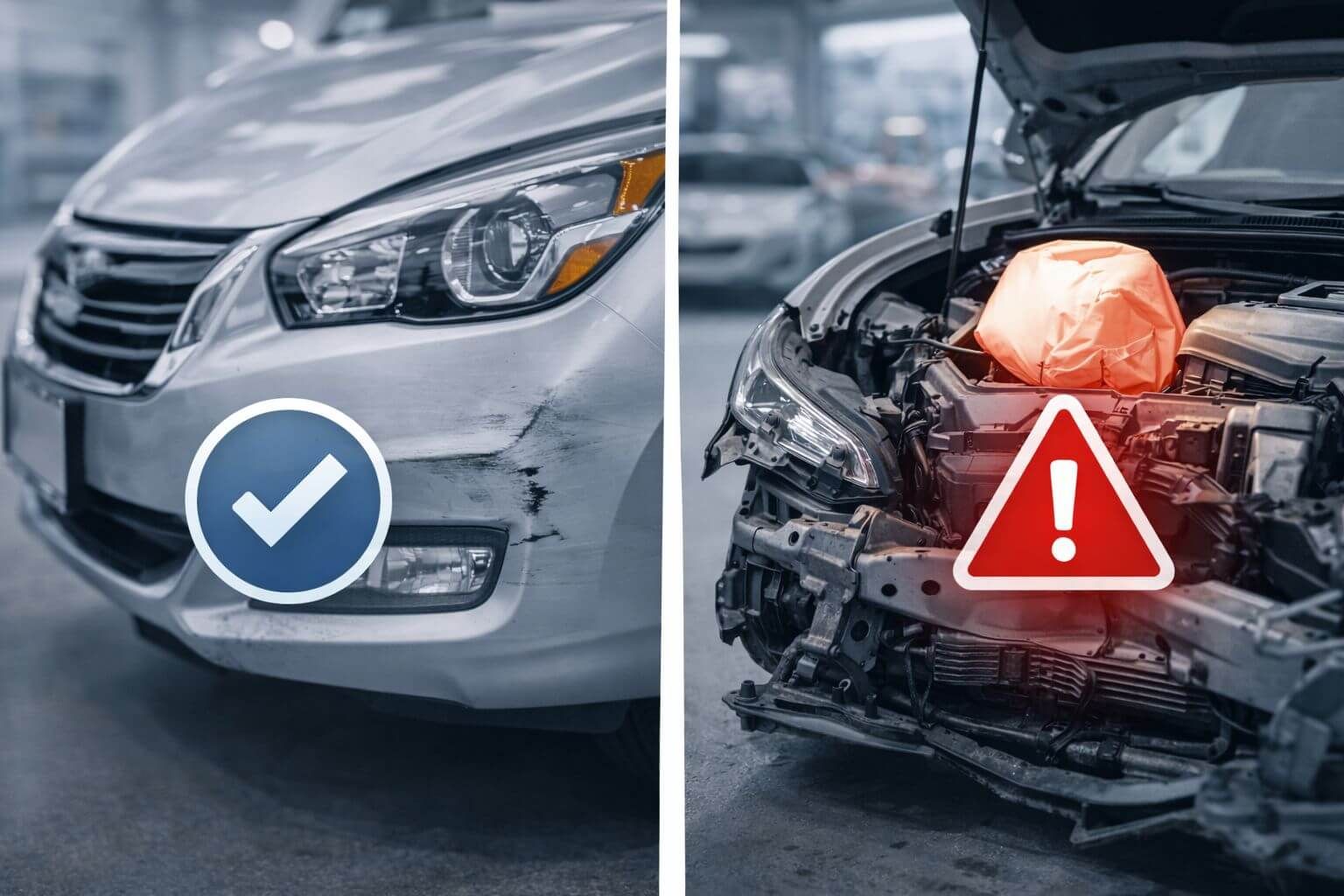
- Accident or damage indicators
- Registration movement between provinces
Most buyers begin with a VIN check to confirm basic details before reviewing deeper records.
Step 1: Locate and Verify the VIN
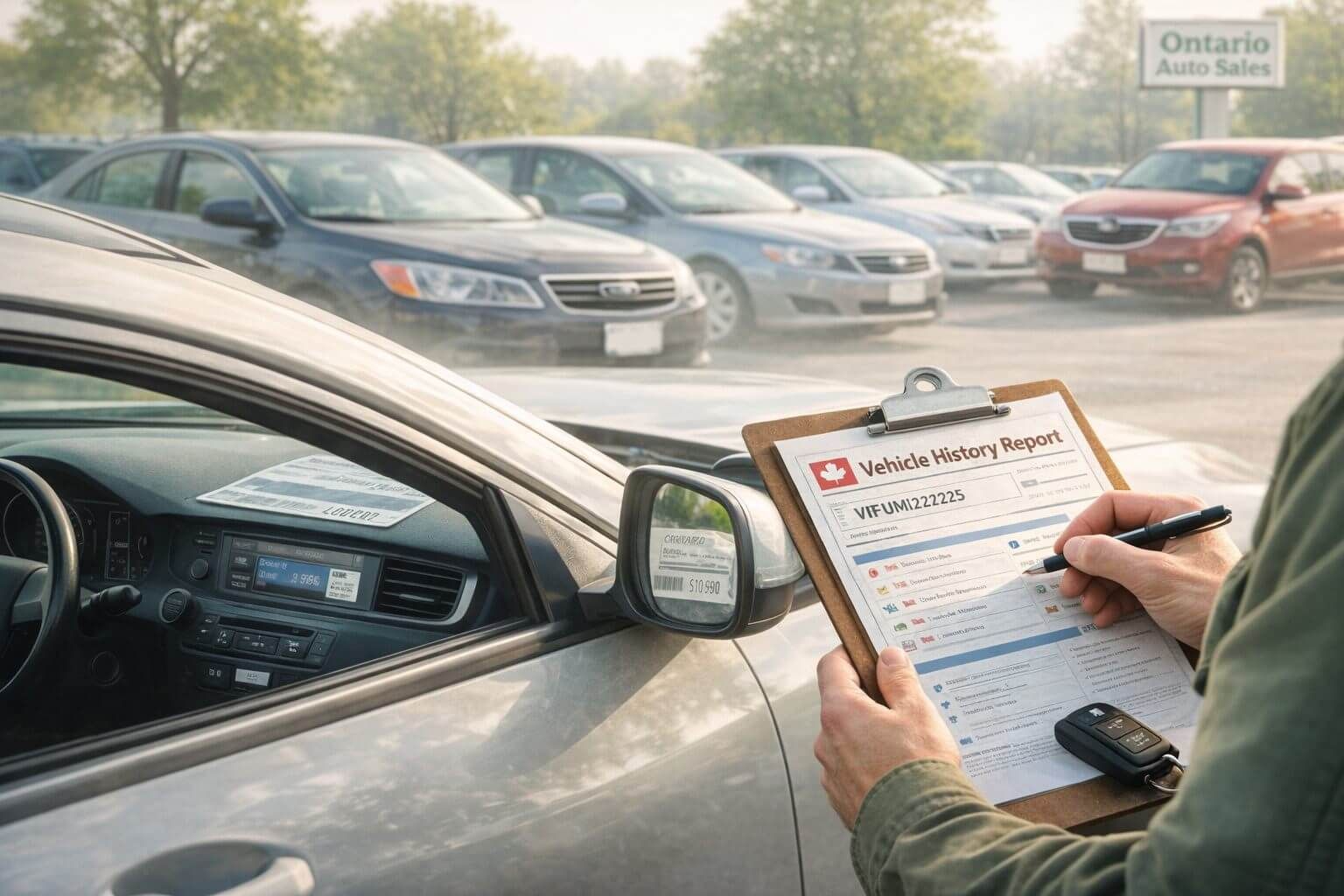
Before requesting any report, confirm the vehicle’s Vehicle Identification Number (VIN). In Ontario, you can typically find it:
- On the dashboard near the windshield
- Inside the driver-side door frame
- On the ownership permit and insurance documents
Always verify that the VIN on the vehicle matches the VIN on paperwork. A mismatch may indicate fraud or VIN cloning.
Step 2: Start With a Free VIN Check
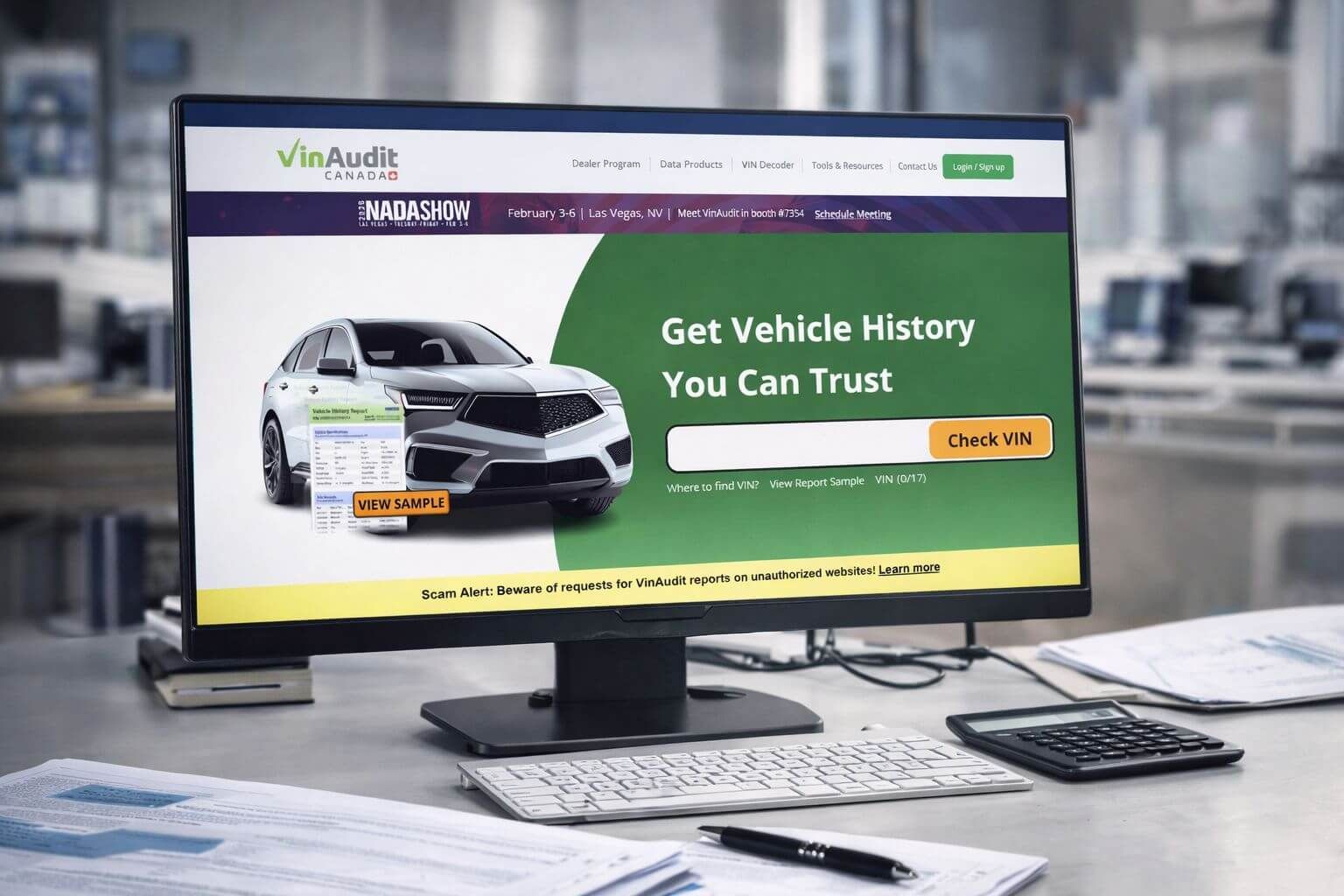
Running a free VIN check in Ontario allows you to screen vehicles quickly and eliminate obvious red flags.
Using a trusted VIN check tool, buyers can confirm the vehicle’s identity and see whether theft records, branding alerts, or basic registration data are available.
This step helps determine whether the vehicle is worth deeper investigation.
Step 3: Review Ontario Registration and Ownership History
Ontario vehicles are registered through provincial systems, and ownership history can reveal important patterns—such as frequent transfers or interprovincial movement.
Understanding how registration works is especially important for vehicles brought in from outside Ontario. The process is explained in detail in the Ontario vehicle registration guide.
Step 4: Check for Liens and Financial Encumbrances
One of the biggest risks for Ontario buyers is purchasing a vehicle with an outstanding lien. In some cases, unpaid debt can remain attached to the vehicle rather than the seller.
Before buying, it’s essential to perform an Ontario lien check. The Ontario lien check guide explains how liens appear in reports and why clearing them matters.
Step 5: Review Accident, Damage, and Theft Records
A vehicle history report in Ontario may include accident indicators, insurance loss records, or theft reports when available.
While not all incidents are reported publicly, these indicators signal that further inspection is necessary. Buyers can learn how accident data is documented by reviewing the vehicle accident report resource for Canada.
For stolen vehicle concerns, the Canada stolen VIN check explains how theft records are identified and reported.
Step 6: Look for Odometer and Branding Warnings
Mileage discrepancies and branding issues can significantly affect a vehicle’s value and safety.
A proper vehicle history report may flag:
- Odometer inconsistencies
- Salvage or rebuilt branding
- Irreparable or junk status
To better understand these warnings, review the odometer fraud overview and the title brands guide.
When to Get a Full Vehicle History Report
A free VIN check is a strong starting point, but Ontario buyers should consider a full vehicle history report when:
- The vehicle passes initial screening
- The price seems unusually low
- Financing or insurance is involved
- The vehicle has moved between provinces
You can learn what a complete report includes by reviewing the vehicle history report guide for Canada.
Final Thoughts
Knowing how to get a vehicle history report in Ontario gives buyers clarity and leverage. While no report replaces a physical inspection, reviewing a vehicle’s documented past helps uncover risks that aren’t immediately visible.
If you’re starting your search, begin with a free VIN check to screen vehicles quickly, then use a full report to make a confident, informed buying decision.