The Basic Structure Of A Used Car Dealership
The Basic Structure Of A Used Car Dealership
A well run used car dealership is a blend of smart buying, efficient reconditioning, compliant selling, and consistent service. Whether you are evaluating a dealership, thinking about starting one, or improving an existing operation, understanding how the pieces fit together will help you build a predictable, profitable business.
Regulations vary by region, so treat the following as a general blueprint and consult local laws and professionals for specifics.
1. Ownership and Leadership
At the top sits the owner or managing partner, who sets strategy, funding, and risk tolerance. Daily execution is led by a general manager who oversees sales, inventory, finance, and operations.
Typical leadership roles include:
- General manager or store manager
- Sales manager or desk manager
- F&I manager
- Service or reconditioning manager
- Office manager or controller
Independent dealers often maintain lean teams and outsource functions like detailing or title work, while larger groups centralize accounting, marketing, and HR across multiple rooftops.
2. Inventory Acquisition
Used inventory is the lifeblood of the store. Consistent sourcing ensures the lot stays fresh and relevant to local demand.
Common channels:
- Trade ins from retail customers
- Wholesale auctions, both physical and online
- Direct to consumer buys via appraisal tools and instant cash offers
- Service lane or partner referrals
Strong appraisals are non negotiable. Managers evaluate vehicle history, condition, market days supply, and expected reconditioning cost to set a buy number. Many dealers use floorplan financing to fund inventory. Clear title checks and payoff handling reduce post sale headaches.
3. Reconditioning and Service
Reconditioning turns raw inventory into retail ready vehicles. The goals are safety, reliability, clean presentation, and predictable cost and cycle time.
A typical recon flow:
- Intake inspection with a standardized checklist
- Mechanical repairs and maintenance items
- Cosmetic work such as paintless dent repair, bumper fixes, wheel repairs
- Interior and exterior detailing, photos, and merchandising
Track recon cost per unit and time to frontline. Delays erode gross by adding holding costs and aging inventory. Many independents blend in house technicians with trusted vendors to keep throughput steady.
4. Sales Floor and BDC
The sales team converts interest into deliveries. Structure varies, but common elements include:
- Sales consultants who greet, demonstrate, and negotiate
- A desk manager who structures deals and makes offers
- A business development center that handles phone, chat, and internet leads
A basic sales process covers needs assessment, test drive, trade appraisal, presentation of figures, and a transparent handoff to F&I. Dealers rely on CRM software to log every lead, schedule follow ups, and measure conversion.
5. Finance and Insurance
F&I is where financing is arranged and protections are offered. The department balances customer needs, lender guidelines, and compliance.
Core responsibilities:
- Submit credit applications and match customers with lender programs
- Structure deals to meet advance, term, and rate requirements
- Present optional products like service contracts, GAP coverage, and theft recovery
- Prepare and explain contract paperwork clearly and compliantly
Healthy F&I operations focus on menu based presentations, clear disclosures, and lender relationship management. Penetration rates and product attachment should be driven by genuine fit, not pressure.
6. Compliance, Titling, and Accounting
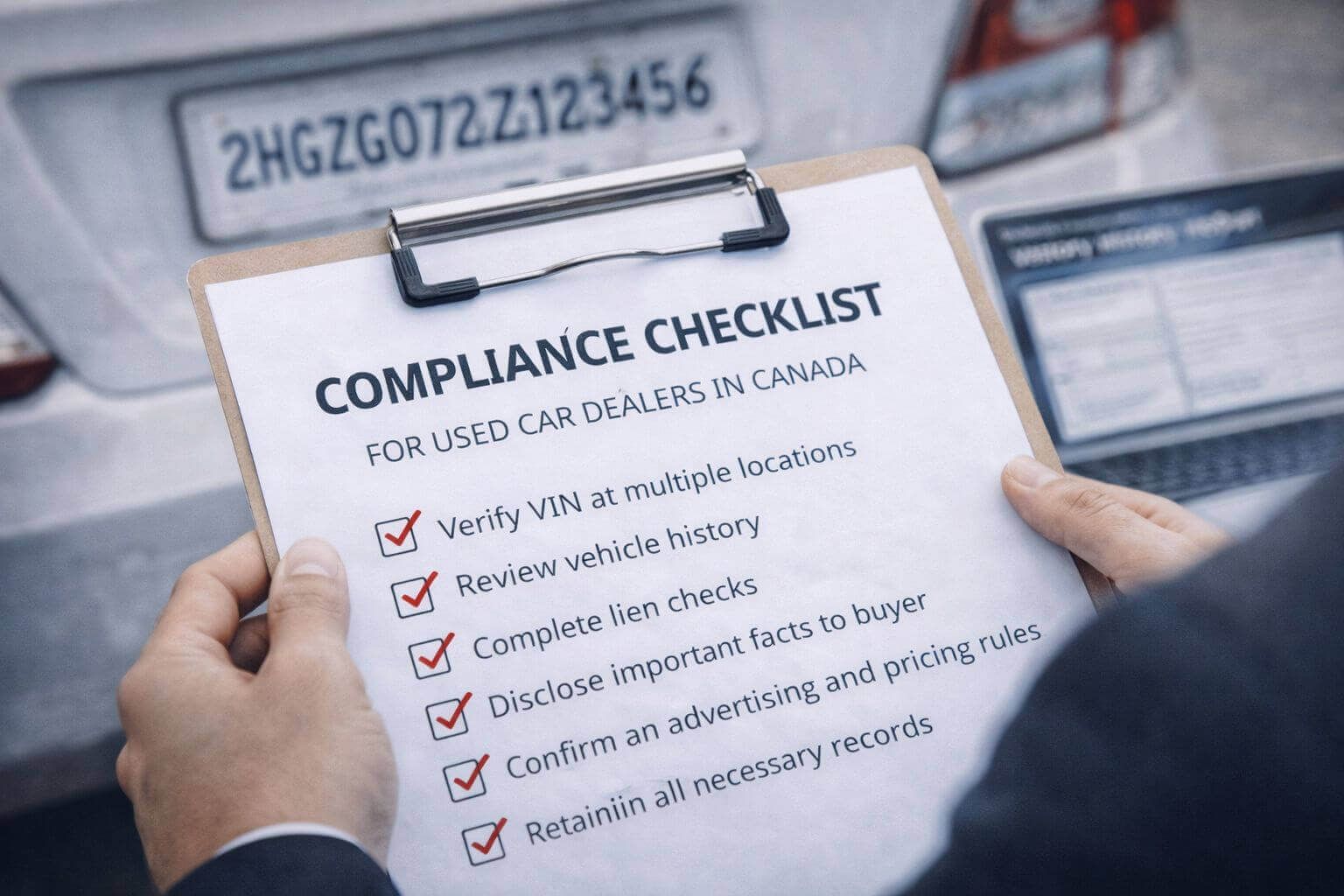
Used car retail touches many regulations. A compliant dealership protects customers and the business.
Key areas:
- Identity verification, OFAC screening, and privacy rules
- Proper use of retail installment sales contracts and adverse action notices
- Accurate temp tags, title handling, and timely registration with the DMV
- Cash reporting thresholds where applicable
- Secure document storage and data protection
The office handles deal posting, schedule reconciliations, floorplan interest, sales tax filings, and month end closes. Clean books and clean titles keep audits and customer issues to a minimum.
7. Marketing and Lead Generation
Modern used car buyers start online. Effective marketing connects inventory to intent.
Common tactics:
- Search engine optimized vehicle detail pages
- Marketplace listings with complete specs and high quality photos
- Paid search and social campaigns targeting in market shoppers
- Reputation management and review response
- Community presence through partnerships and events
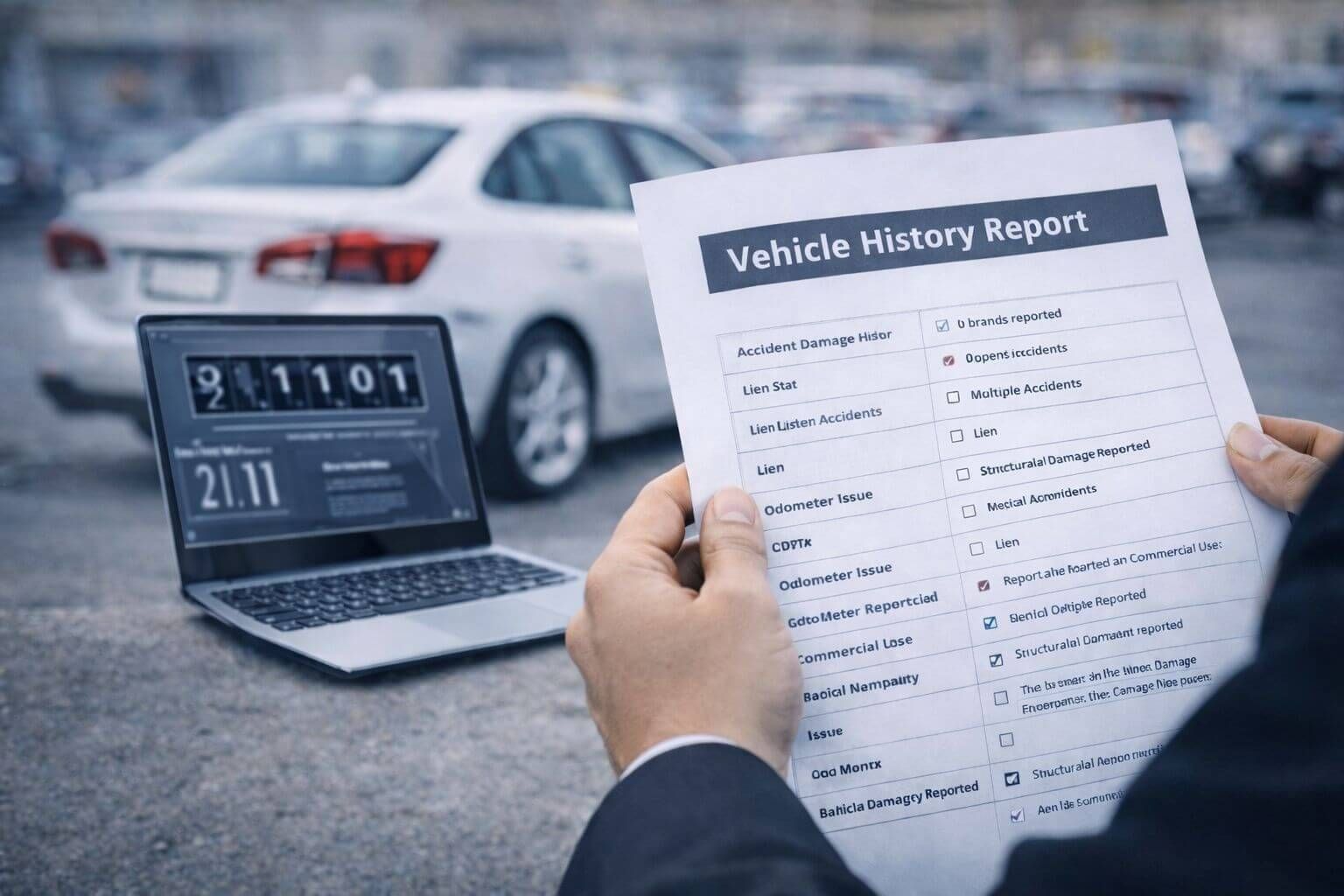
Merchandising matters. Standardized photo sets, clear condition notes, vehicle history reports, and transparent pricing build trust and reduce time on market.
8. Customer Experience and After Sale Care
Long term success depends on how customers feel after the purchase.
Make delivery memorable and practical: review features, pair phones, and explain warranties and next steps. Follow up within a few days to address questions. Offer maintenance plans or partnerships with local shops when you do not have a full service department. A simple issue resolution policy and proactive communication can turn a potential problem into a five star review.
9. Technology Stack
Technology ties the operation together. Typical tools include:
- Dealer management system for inventory, deals, and accounting
- CRM for lead management and follow up
- Inventory and pricing tools to monitor market movement
- Digital retailing for online payments, trade appraisals, and pre approvals
- Photo and merchandising apps
Integrations reduce double entry and mistakes. Choose systems your team will actually use, and document how data flows from appraisal to accounting.
10. Key Performance Indicators
Data turns activity into insight. Core KPIs for a used car dealership include:
- Inventory turn and average days in stock
- Total gross and front end gross per unit
- Recon cost per unit and time to frontline
- Lead to appointment, appointment to show, and show to sale rates
- F&I penetration and product attachment per retail unit
- Average review score and response time
- Title completion time and compliance exceptions
Track by salesperson, source, and vehicle segment to find what moves and what stalls. Regularly prune aged units and adjust pricing based on local demand, not emotion.
11. Staffing and Training
People make the process work. Hire for empathy, integrity, and coachability.
Best practices:
- Clear job descriptions and pay plans that reward customer satisfaction and process adherence
- Onboarding that covers product, CRM usage, compliance basics, and role play
- Ongoing training for negotiation, digital communication, and product knowledge
- Simple scorecards so team members know where they stand
Recognition programs and fair schedules reduce turnover and protect your brand.
12. Daily Rhythm and Lot Management
Consistency beats heroic sprints. A productive daily cadence might include:
- Morning lot walk to check inventory presentation and pricing
- Recon huddle to clear bottlenecks and set targets
- Lead review and appointments game plan
- End of day desk recap and next day follow up tasks
Weekly, review aging inventory, gross by source, and marketing performance. Decide which vehicles to retail, wholesale, or reprice. Aging policies, such as markdowns at 30, 45, and 60 days, keep capital moving.
13. Single Rooftop vs Group Operations
A single store prioritizes flexibility and local relationships. A group can centralize purchasing, reconditioning, marketing, and accounting for scale. Both benefit from standard operating procedures and documented workflows.
If you scale, define what is centralized versus local. For example, centralize accounting and digital advertising, but keep appraisals and customer experience decisions in store to reflect local market nuance.
Conclusion
The basic structure of a used car dealership is straightforward: buy the right cars, make them retail ready, sell them transparently, finance them responsibly, and support customers after delivery. The details determine profit and reputation. With defined processes, the right technology, trained people, and a steady rhythm of measurement and improvement, even a small store can compete with larger players and earn loyal customers for years to come.