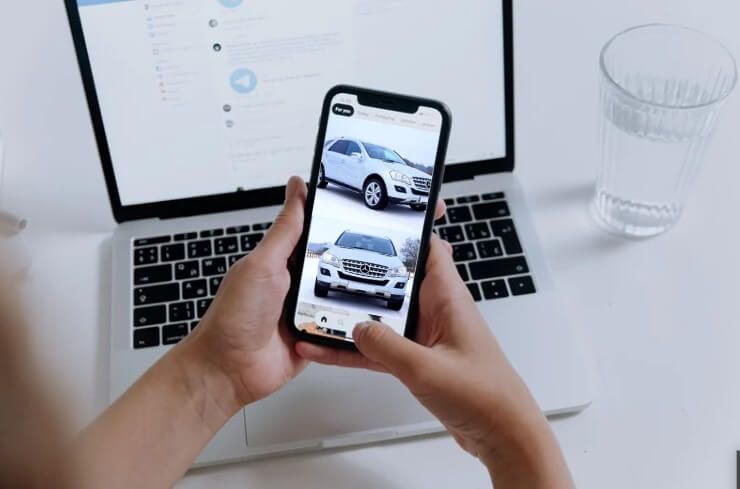
Selling Your Used Car Safely: Private Sale & Trade-In Guide
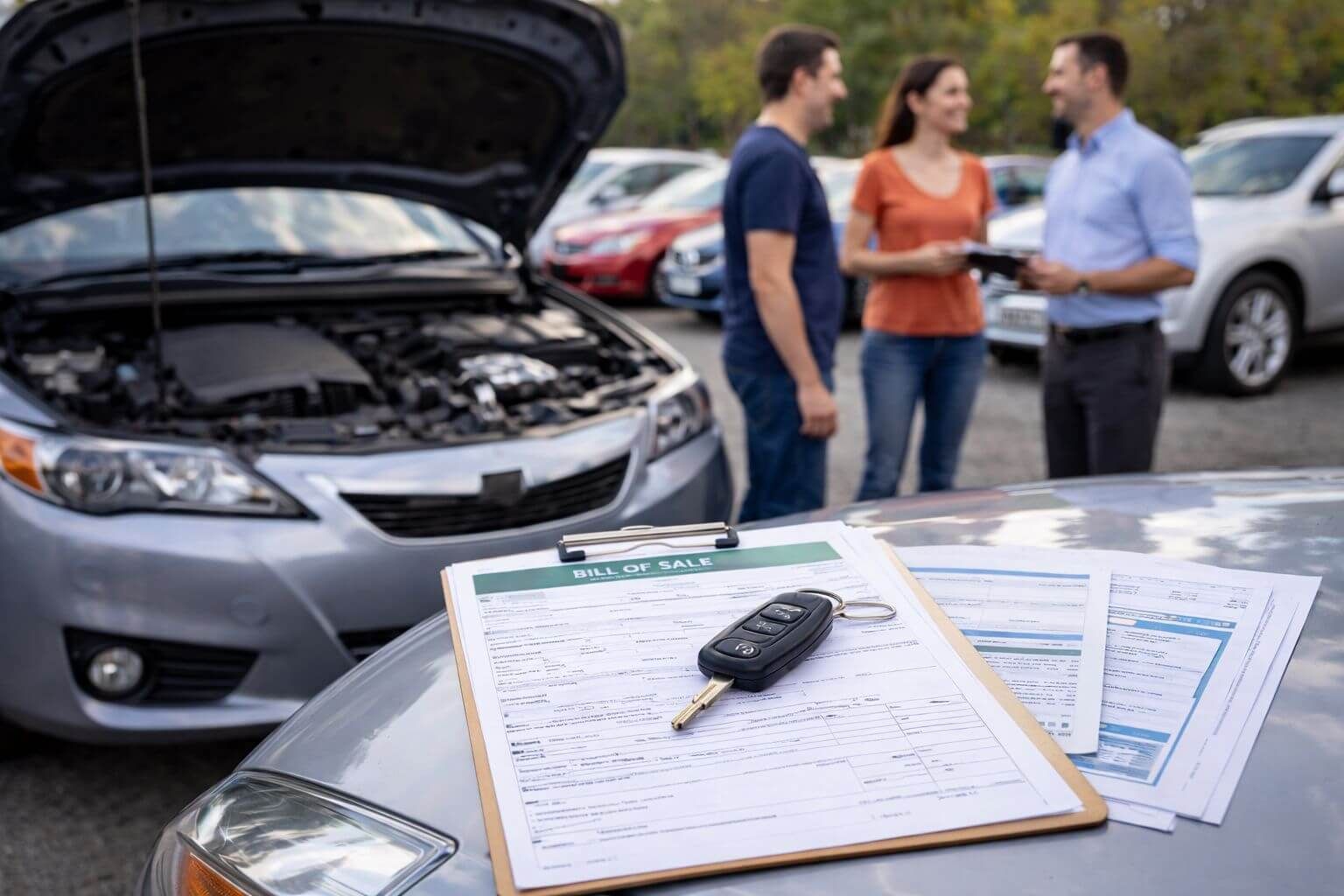
Selling your used vehicle can be a rewarding process when it’s done the right way. Whether your goal is to get the highest price or sell quickly, the key is preparation, clear documentation, and buyer-friendly transparency.
1) Decide: Trade-In vs. Private Sale
Trade-in: Convenient, but usually a lower offer
Trading your car in at a dealership is the simplest route. The dealer handles paperwork, detailing, and resale, so you save time. In exchange, the offer is typically below what you could get in a private sale.
Dealers usually price offers based on:
- Reconditioning costs (repairs, detailing, touch-ups)
- Profit margin (what they need to make when reselling)
- Demand for your model (popular vehicles can command stronger offers)
Private sale: More money, more effort
A private sale lets you set your own asking price and often yields more than a trade-in. However, you’ll need to manage:
- Listing and advertising
- Buyer messages and screening
- Test drives
- Negotiation
- Paperwork and ownership transfer
2) Price Your Car Based on Real Market Value
Setting the right price is the fastest way to attract serious buyers. If you price too high, many buyers won’t even message you. If you price too low, you leave money on the table.
Here’s a practical way to estimate a fair price:
- Compare similar listings on local marketplaces (same year, trim, mileage, and condition)
- Validate pricing with VinAudit Canada’s Market Value Tool: https://www.vinaudit.ca/market-value-tool
- Factor in condition and history (accidents, title status, service records), which buyers use to justify discounts
Common factors that move price up or down:
- Accident history (clean history usually sells for more)
- Mileage (lower mileage tends to command a premium)
- Maintenance records (strong service history improves buyer confidence)
- Interior/exterior condition (cosmetic wear impacts first impressions)
- Features and upgrades (AWD, safety tech, premium trims, etc.)
3) Prepare Your Vehicle for Sale
First impressions matter. A clean, well-presented car sells faster and gets better offers.
Before listing, aim to:
- Detail the car (wash, wax, vacuum, remove personal items, eliminate odors)
- Fix small issues (bulbs, wipers, fluid top-ups, minor cosmetic touch-ups)
- Consider a pre-sale inspection if you want to reduce negotiation friction
- Gather documents (ownership/registration, service records, owner’s manual, and any required provincial documents)
4) Write a Listing That Gets Replies
A strong listing reduces back-and-forth and filters out unserious buyers.
Include:
- High-quality photos (front, rear, sides, interior, tires, under the hood, odometer)
- Clear description (year, make, model, trim, mileage, condition, key features, and recent maintenance)
- Your asking price (based on comparable vehicles and market data)
- VIN and history transparency using a VinAudit Canada vehicle history report: https://www.vinaudit.ca/
Tip: If mileage is a major selling point for your vehicle, you can support your listing by checking and documenting mileage data using a car mileage check tool: https://www.vinaudit.ca/car-mileage-check
5) Handle Inquiries and Test Drives Safely
Screen buyers early
Keep the process efficient and safe.
- Avoid buyers who won’t meet in person or push unusual payment methods
- Be cautious if someone asks for sensitive personal information
- Meet in a public, well-lit location (banks and police station parking lots are common safe choices)
Test drive rules that protect you
- Always accompany the buyer
- Verify their driver’s license before handing over keys
- Use a short, planned route
- Keep valuables out of sight
6) Negotiate and Close the Deal
Negotiation basics
- Decide your lowest acceptable price before anyone shows up
- Be ready to justify your price with maintenance history and a vehicle history report
- Stay calm and professional—serious buyers respect a seller who’s prepared
Payment safety
- Prefer cash or a certified bank draft
- Avoid personal checks and wire transfers
- If possible, meet at the bank to verify funds before signing anything
7) Finalize the Sale and Transfer Ownership
Before you hand over the vehicle, make sure the transaction is complete and documented.
Checklist:
- Sign a bill of sale (keep a copy)
- Remove your license plates (in most provinces, plates do not transfer)
- Provide required documents (ownership/permit, registration, and any province-specific forms)
- Notify your insurer and update/cancel coverage
- Notify your local motor vehicle authority so the vehicle is no longer under your name
Making Your Car Sale Simple and Secure
Selling your used vehicle doesn’t need to be complicated. If you price it correctly, present it well, and provide clear documentation, you’ll attract better buyers and close faster.
To increase buyer confidence and reduce negotiation friction, include a VinAudit Canada vehicle history report in your listing: https://www.vinaudit.ca/