New or Used Car Registration in Ontario: Costs, Requirements, and Process
Buying a new or used vehicle in Ontario is exciting—whether it’s for commuting, convenience, or weekend trips. Before you can legally drive, though, you need to register the vehicle so the province recognizes you as the owner and links the vehicle to a valid plate and permit.
This guide walks through what registration means in Ontario, when you need to do it, what documents you’ll need, typical costs, and the timelines that matter.
What vehicle registration means in Ontario
Vehicle registration is the process of officially recording vehicle ownership with the Government of Ontario. After registration, you’ll have:
- A vehicle permit (registration document) that shows ownership details
- An Ontario licence plate (for most passenger vehicles)
- A permit status on file that must remain valid to drive legally
Without a valid registration (and valid insurance), you cannot legally drive the vehicle in Ontario.
When you need to register
Your steps depend on how you acquired the vehicle and where it’s coming from.
- Buying new from a dealership: Many dealerships can complete registration on your behalf. Ask the dealer whether they handle the paperwork before delivery.
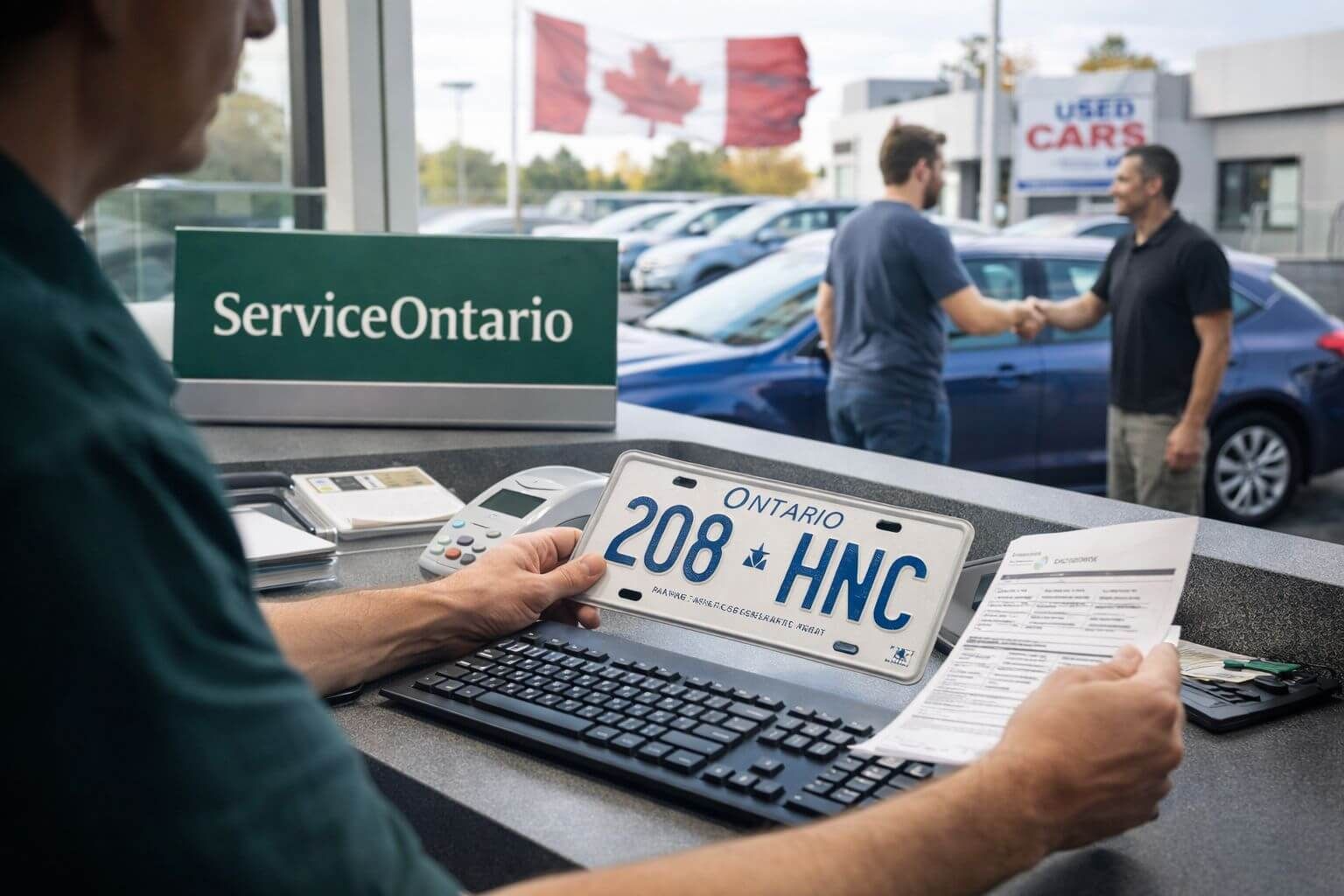
- Buying used from a private seller: You must register the vehicle at a ServiceOntario location within 6 days of purchase.
- Moving to Ontario with a vehicle: If you’re bringing a vehicle from another province or territory, you generally need to register it within 30 days of becoming an Ontario resident.
- Renewing registration: Ontario registrations have renewal requirements. Keep an eye on your permit status and renew on time to avoid enforcement issues.
What you need to register a vehicle
Bring the required documents to ServiceOntario. Missing items are the most common reason people have to return.
For all vehicles
- Ontario driver’s licence (or your Registrant Identification Number (RIN), if applicable)
- Proof of identity (documents that show your legal name, birthdate, and signature)
- Proof of Ontario auto insurance from a licensed Ontario insurer
- Proof of purchase (bill of sale/receipt from the seller or dealer)
- Vehicle permit portion needed to complete the registration transaction
For used vehicles (private sale)
- Used Vehicle Information Package (UVIP) (required for most passenger vehicles and motorcycles in private sales)
- Original vehicle permit with the completed transfer portion signed by the seller
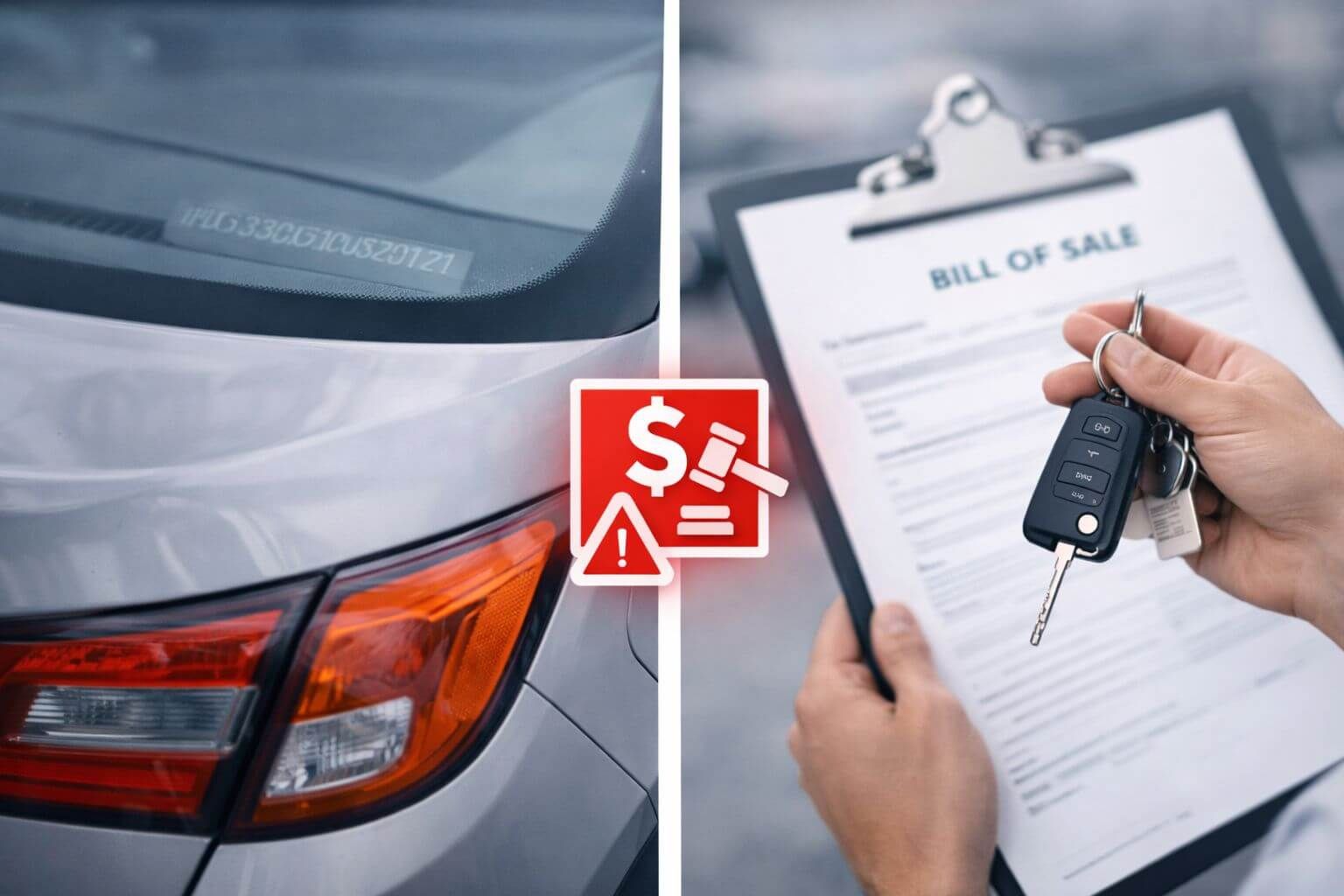
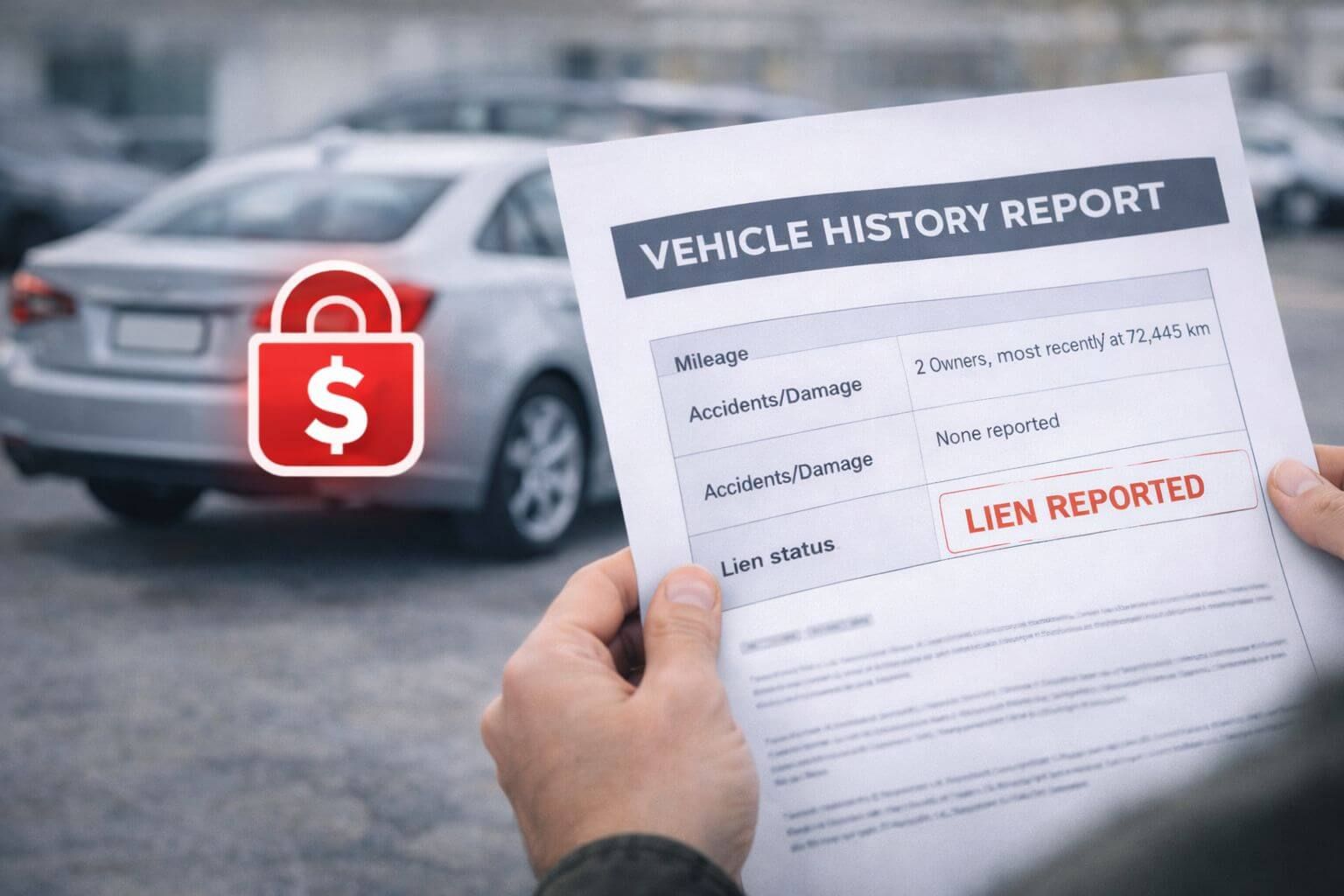
Tip: If you’re buying used, read the UVIP carefully and confirm the VIN matches the vehicle. It’s also smart to verify the vehicle’s background before you register.
Typical registration costs in Ontario
Fees can vary depending on what you need (new plates vs. transfer, permit updates, taxes, and other outstanding items). Common costs include:
- Vehicle permit fee: $32
- New or replacement licence plate + permit: $59
- Retail Sales Tax (RST): Based on the vehicle purchase price or wholesale value (as determined by Ontario)
- Outstanding fines: Must be paid before registration can be completed
Most ServiceOntario locations accept major payment methods, including debit and credit.
What is a Registrant Identification Number (RIN)?
A Registrant Identification Number (RIN) is a 9-digit identifier used in Ontario’s registration system. It’s often required when the vehicle is registered to a business or corporation, because it links the registrant to vehicle permits and plates.
If you’re registering under a company name, confirm ahead of time what business documents you’ll need so your visit doesn’t get delayed.
Where to register
You can register a vehicle in person at a ServiceOntario location.
- Use the official ServiceOntario locator to find a nearby office and check hours before you go.
- For the most current step-by-step requirements, review Ontario’s official guidance on registering and insuring a vehicle.
Official resources
- Ontario government guide: https://www.ontario.ca/page/register-and-insure-vehicle-ontario#section-1
- ServiceOntario locations: https://www.ontario.ca/locations/serviceontario
Final checklist before you go
- Gather ID, proof of insurance, and proof of purchase
- For private used sales, confirm you have the UVIP and the signed transfer on the permit
- Budget for fees, RST, and any outstanding fines
- If possible, verify the vehicle details (including VIN) before completing registration
Registering a vehicle in Ontario is very manageable when you arrive prepared. Once it’s done, you’ll be ready to drive with confidence—legally and with the right paperwork in place.