Lien Search & Laws in Canada Provinces & Territories

Lien Search & Car Lien Laws in Canada (Provinces & Territories)
When buying or selling a used vehicle in Canada, confirming whether a lien exists is a critical step. While lien searches are standard due diligence nationwide, lien laws and registration systems vary by province and territory. What applies in Ontario may not work the same way in Quebec or the Northwest Territories.
This guide explains how car lien laws differ across Canada, why liens matter, and how to run a Canada-wide lien search by VIN—so you can avoid costly surprises before completing a vehicle transaction.
Why a Vehicle Lien Matters
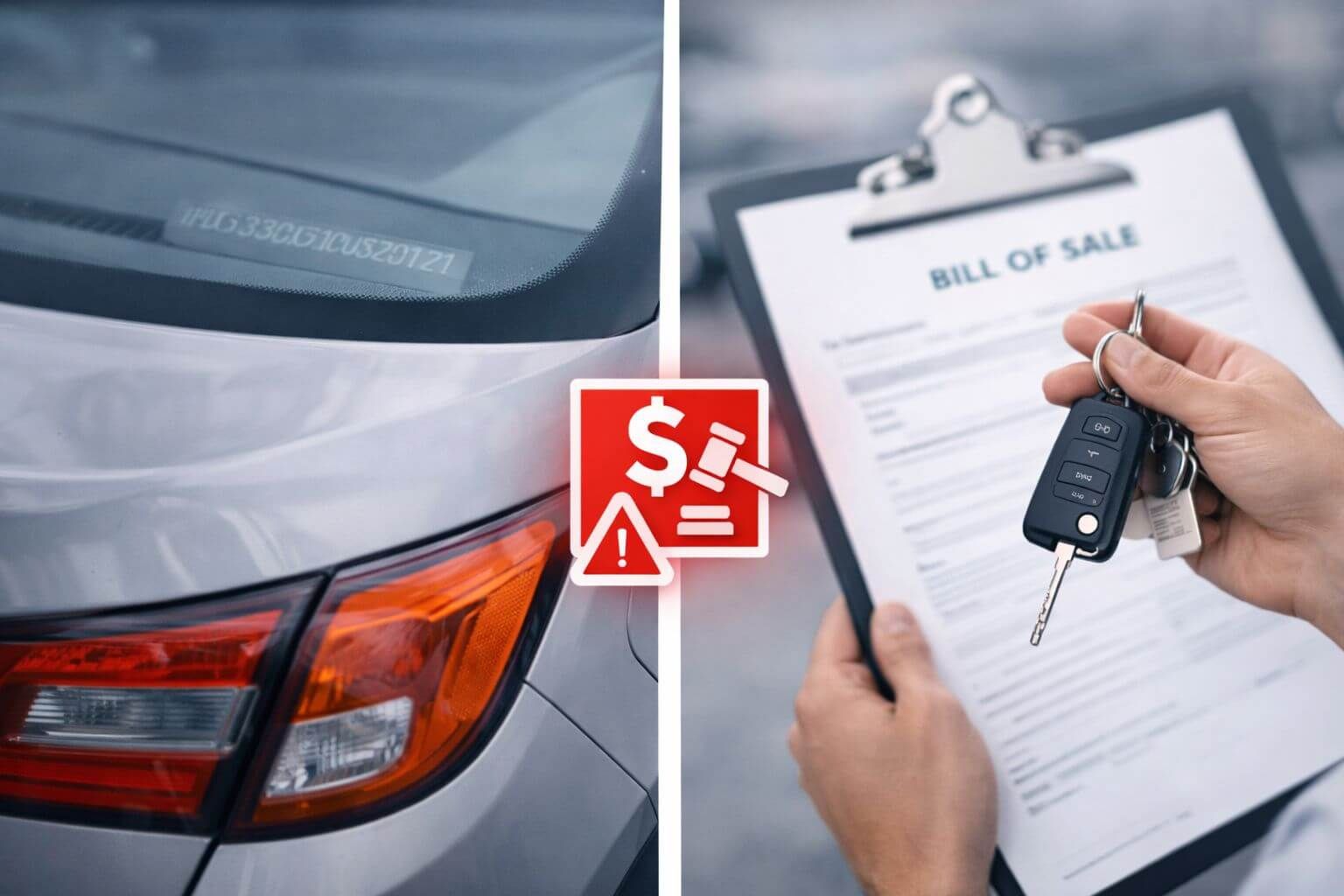
A vehicle lien is a legal claim placed on a car by a lender, repair shop, storage facility, or other creditor as security for an unpaid debt. If the obligation isn’t settled, the lienholder has the legal right to repossess the vehicle—even if ownership has already changed.
In most provinces and territories, the responsibility falls on the buyer to verify that a vehicle is free of liens before purchase. Sellers are not always legally required to disclose outstanding liens in private sales.
Failing to run a lien check can result in:
- Vehicle repossession after purchase
- Being forced to pay off someone else’s loan
- Legal disputes over ownership
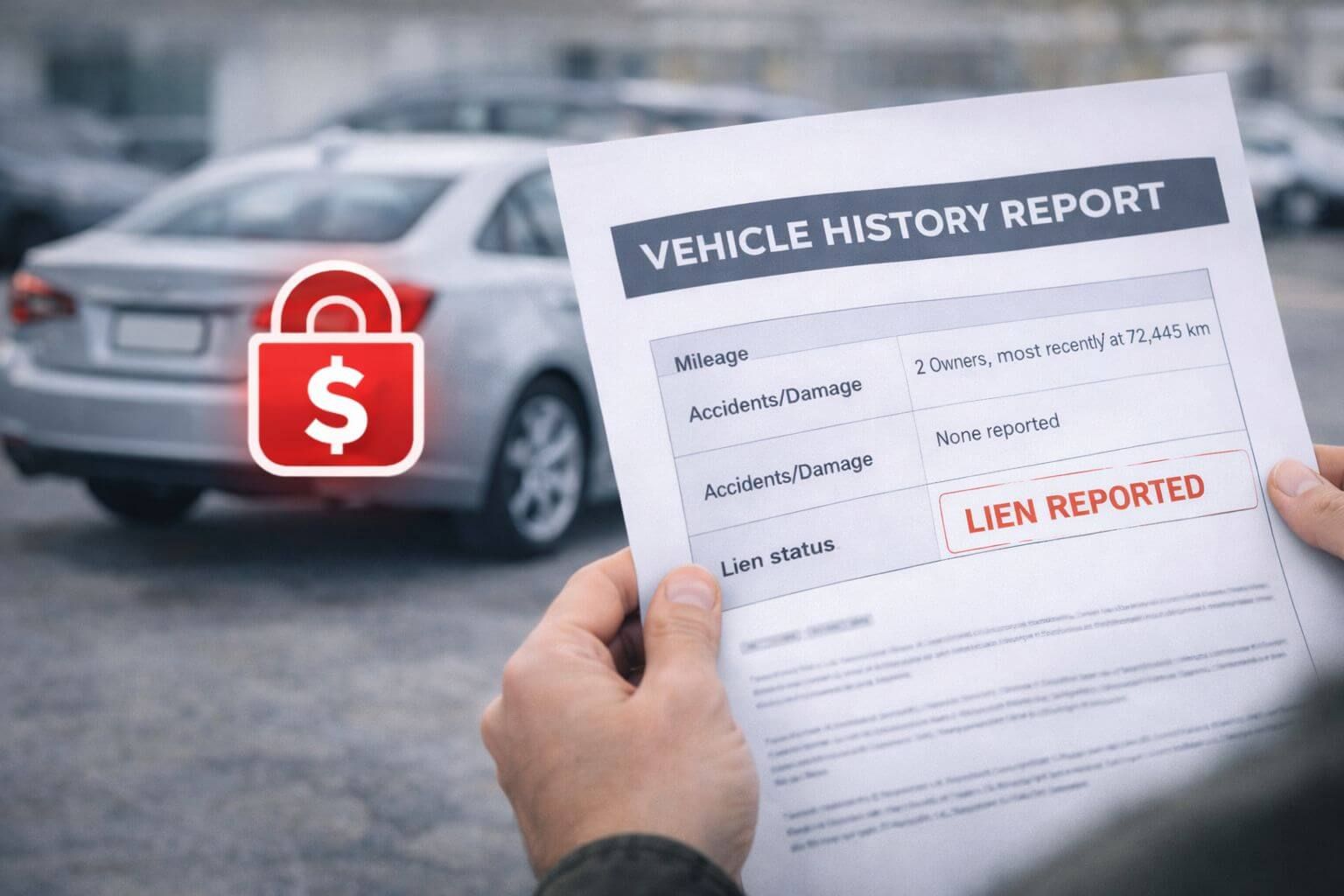
A proper lien search protects both buyers and sellers by confirming the vehicle’s financial status before money changes hands.
How Car Lien Laws Vary by Province and Territory
PPSA-Based Provinces and Territories
Most Canadian provinces and all three territories operate under the Personal Property Security Act (PPSA). This legislation governs how liens on personal property—including vehicles—are registered, searched, and enforced.
Provinces Using PPSA
- Ontario
- Alberta
- British Columbia
- Manitoba
- Saskatchewan
- Nova Scotia
- New Brunswick
- Prince Edward Island
- Newfoundland and Labrador
Territories Using PPSA
- Yukon
- Northwest Territories
- Nunavut
Each of these jurisdictions maintains its own Personal Property Registry, where lienholders register claims and buyers can search liens using a vehicle’s VIN. While the legal framework is similar, fees, search interfaces, and processing times vary by region.
Quebec: A Different Lien System
Quebec follows a civil law system, not PPSA. Instead, liens are registered under the RDPRM (Registre des droits personnels et réels mobiliers), governed by the Civil Code of Quebec.
If you’re buying a used vehicle in Montreal, Quebec City, or anywhere in Quebec, searching the RDPRM by VIN is essential. This confirms whether any financial rights or claims are attached to the vehicle.
To simplify the process and include lien data alongside accident and ownership records, many buyers use a Quebec vehicle history report through VinAudit Canada, which includes lien information sourced from the RDPRM.
How to Run a Canada-Wide Lien Search by VIN
When a vehicle’s registration history spans multiple provinces—or when you’re unsure where it was last registered—a Canada-wide lien search is the safest option.
Instead of checking individual provincial registries, you can run a single VIN-based search through VinAudit Canada, which aggregates lien data across all provinces and territories, including Quebec. This approach helps ensure no jurisdiction is missed.
A nationwide lien search is especially useful for:
- Vehicles bought through private sales
- Cars imported between provinces
- Fleet or commercial vehicles
- Buyers outside the province of registration
Conclusion: Know the Regional Rules Before You Buy
While Canada’s lien laws share the same goal—protecting creditors and buyers—the registration systems and legal requirements differ by region. Understanding these differences helps you avoid unexpected financial liability.
No matter where you’re located—British Columbia, Quebec, Ontario, or the Yukon—skipping a lien check can leave you responsible for someone else’s unpaid debt or cost you the vehicle entirely.
Before finalizing any used car purchase or sale, take a few minutes to understand your province’s lien system and run a comprehensive lien search. It’s a small step that can prevent major legal and financial headaches later on.