Buying an Imported Used Car in Canada: RIV, VIN, Recall, and Registration Checks
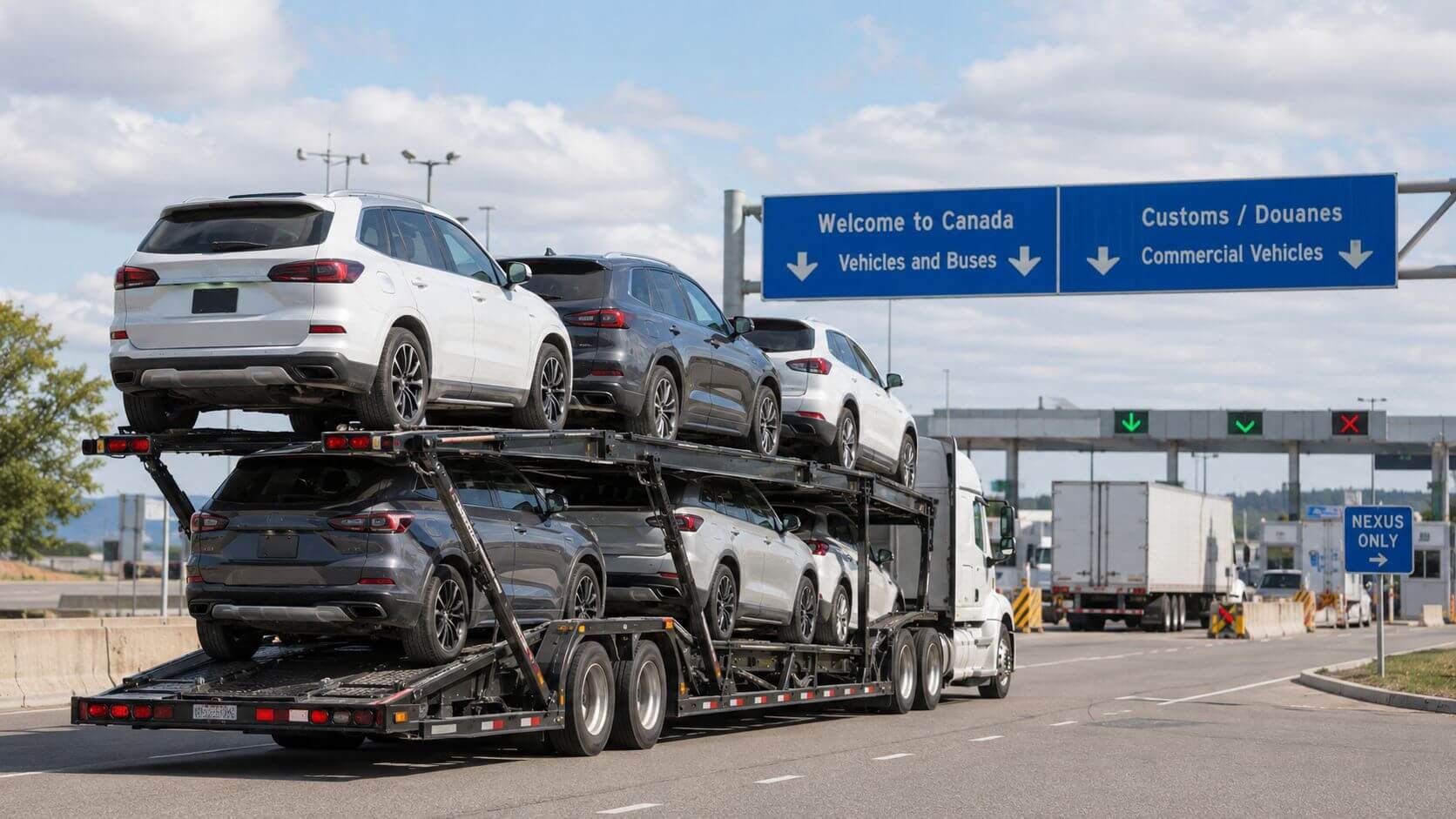
Buying an imported used car in Canada can be a good opportunity, but only if the vehicle is admissible, properly documented, free of unresolved import issues, and eligible for registration in your province. The most important step is not the test drive or the price negotiation. It is confirming that the vehicle can legally stay in Canada, pass the required inspection process, and be registered where you live.
An imported vehicle may come from the United States, Mexico, Japan, Europe, or another market. Each situation can carry different risks. Some vehicles must go through the Registrar of Imported Vehicles program. Some may be exempt because of age or vehicle class. Some may be inadmissible and should not be bought for road use at all. A car may already be physically in Canada and still have unresolved import, recall, title, inspection, or registration problems.
Before buying, confirm the vehicle’s import status, run a VIN search in Canada, check for outstanding recalls, review registration requirements, and make sure the documents support the seller’s story.
Why imported used cars need extra due diligence
Imported used cars can be appealing because they may offer better pricing, unique trims, lower mileage, or models that are harder to find locally. But import history adds another layer of risk. You are no longer checking only whether the vehicle is mechanically sound. You are also checking whether it was legally imported, whether it met Canadian requirements, and whether it can be licensed in your province.
A normal used car purchase already requires checking the VIN, title, liens, accident history, odometer records, and seller identity. With an imported vehicle, buyers should also confirm:
- Where the vehicle was originally built for sale
- Whether it was imported from the U.S., Mexico, or another country
- Whether it needed RIV processing
- Whether the RIV process was completed
- Whether recall clearance was accepted
- Whether required modifications were completed
- Whether the vehicle passed inspection
- Whether the province will register it
- Whether the title or branding history changed during import
- Whether taxes, duties, or import paperwork are complete
A low price may not be a bargain if the vehicle cannot be registered or needs expensive compliance work.
What is the RIV program?
The Registrar of Imported Vehicles, or RIV, is the program that helps confirm certain imported vehicles meet Canadian requirements before they can be registered. The RIV process is especially important for many vehicles imported from the United States.
Transport Canada explains that the RIV program was set up to make sure vehicles manufactured or imported for use in Canada meet Canadian safety standards. Imported vehicles may need modifications before they can pass inspection, such as daytime running lights, immobilizers, child tether anchorage systems, or metric and bilingual labelling, depending on the vehicle.
For buyers, the key point is simple: if the vehicle required RIV processing, you should confirm that the process was completed before you buy. Do not rely only on the seller saying, “It was imported properly.”
Ask for proof.
Imported does not always mean admissible
Not every vehicle can be imported into Canada for road use. This is one of the biggest traps for buyers shopping for unusual, modified, right-hand-drive, non-North-American, or foreign-market vehicles.
CBSA’s official import guidance explains that regulated vehicles must qualify under an applicable import stream, such as the RIV program or another admissible entry category. Vehicles that do not qualify are considered inadmissible and cannot be imported into Canada.
Transport Canada also warns that most vehicles sold in countries other than the United States and Mexico cannot be imported into Canada unless they fall under a specific exception. A vehicle built for a foreign market may not meet Canadian Motor Vehicle Safety Standards, and the law may not allow it to be modified into compliance.
This matters even if the car is already advertised in Canada. Physical location is not proof of legal admissibility. A buyer should still ask how the vehicle entered Canada and whether the import process is complete.
Confirm where the vehicle came from
The first question is not “Is it imported?” but “Imported from where, and under what status?”
Ask the seller:
- Was the vehicle originally sold in Canada?
- Was it imported from the United States?
- Was it imported from Mexico?
- Was it imported from Japan, Europe, or another country?
- Was it previously registered in another country?
- Was it imported for road use, parts, temporary use, or another purpose?
- Was it processed through RIV?
- Has it passed all required inspections?
- Can it be registered in my province?
The answers affect your next steps. A U.S.-specification vehicle, a previously Canadian vehicle returning from the U.S., a 15-year-old age-exempt vehicle, and a foreign-market vehicle can all raise different compliance questions.
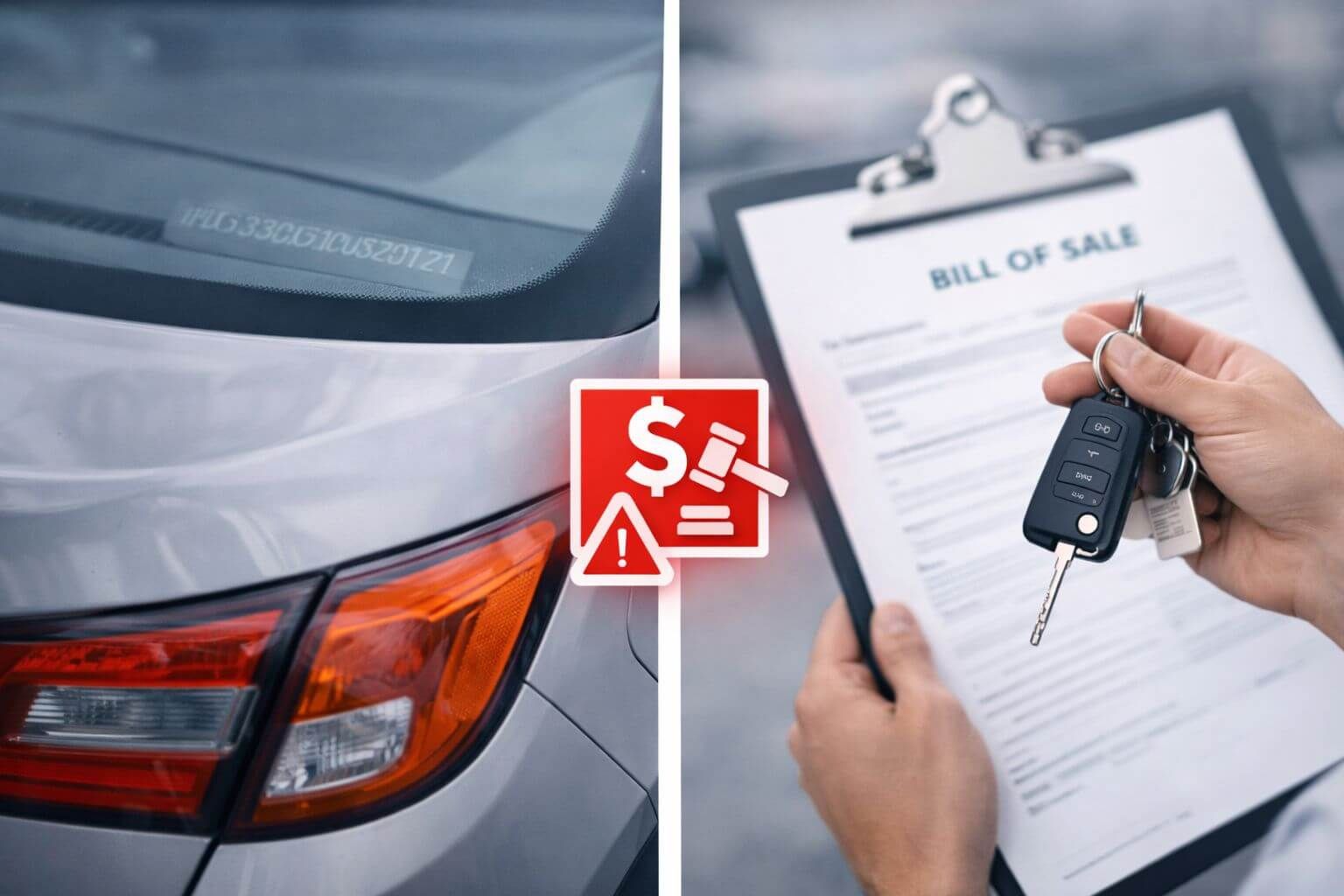
Run the VIN before you negotiate
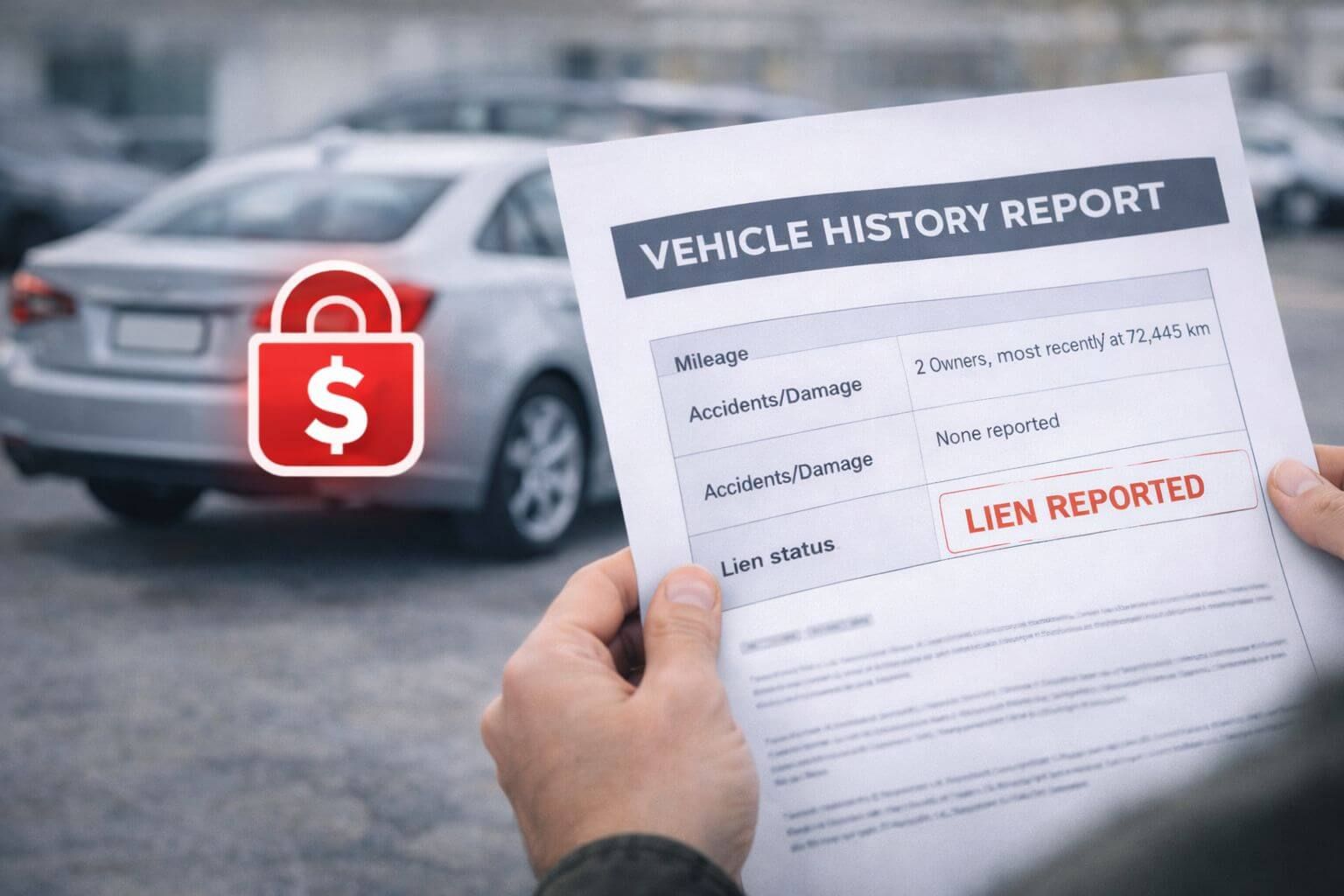
Imported vehicles often have more complicated histories. The vehicle may have accident records, title brands, odometer readings, auction history, insurance records, or registration events from outside your province. That does not automatically mean the vehicle is bad, but it means you should verify more carefully.
Run a VIN search in Canada before making an offer. Then compare the results with the seller’s claims, import documents, registration history, and physical vehicle.
Look for:
- Accident or damage records
- Salvage, rebuilt, or branded title history
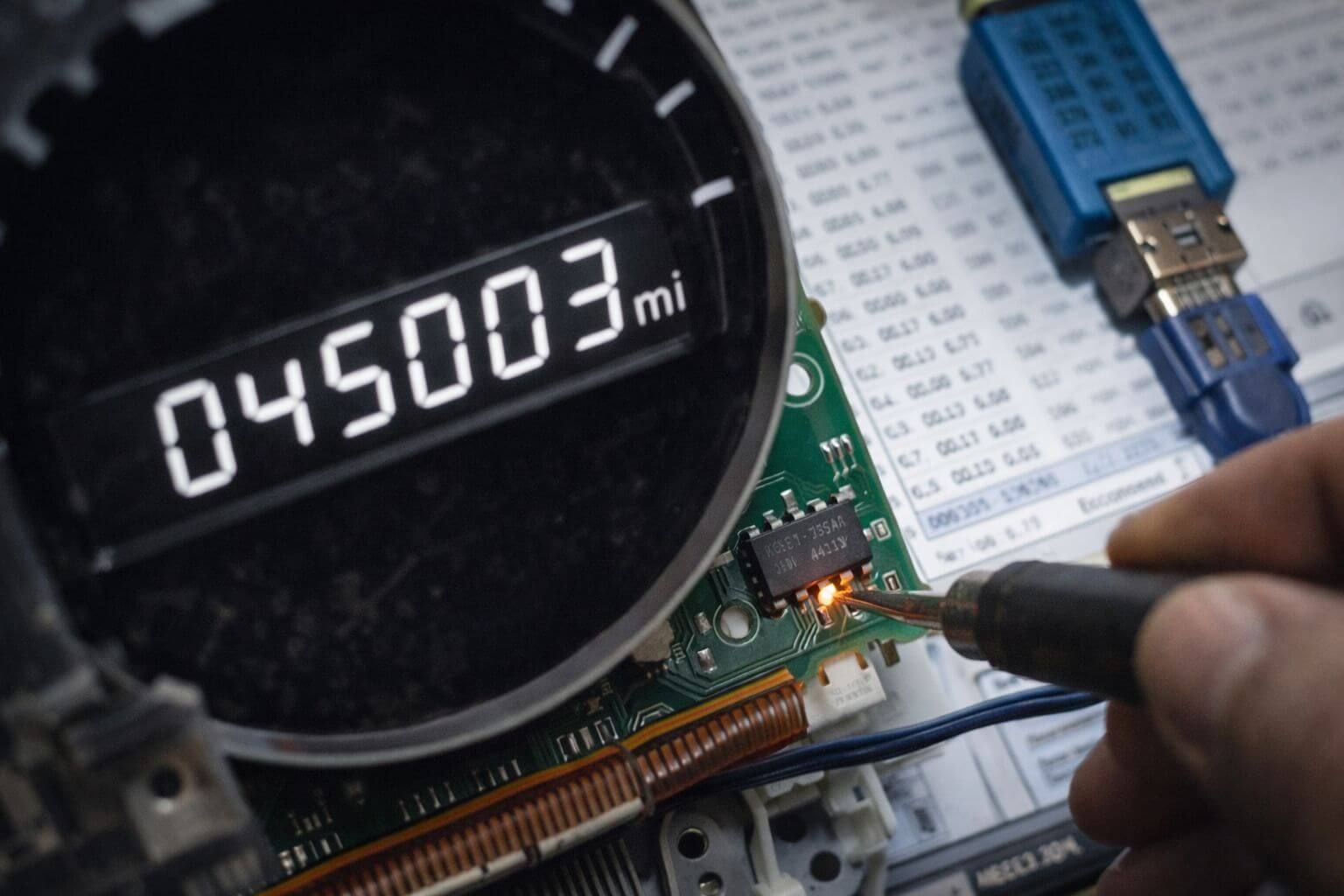
- Odometer inconsistencies
- Theft or recovery indicators
- Previous jurisdictions
- Auction or sale records
- Vehicle specifications
- Recall records
- Registration gaps
- Import-related inconsistencies
If the seller claims the car has a clean history but the VIN shows serious prior damage, unusual jurisdiction movement, or inconsistent mileage, pause the deal.
Check recall status before buying
Recall clearance is a major import issue. Transport Canada’s RIV FAQ explains that an importer must confirm the vehicle has no outstanding recalls and submit proof to RIV before importation. It also explains that lack of satisfactory proof that a safety recall has been remedied can prevent a vehicle from passing the RIV process.
That is why buyers should not treat recalls as a minor after-purchase task. If an imported vehicle has an open recall with no available remedy, the vehicle may create delays or registration issues.
Use a vehicle recall check and ask for recall clearance documents. If the seller says the vehicle already completed RIV processing, ask for proof that recall clearance was accepted.
Ask these questions:
- Are there any open recalls?
- Were recalls checked before import?
- Was recall clearance submitted to RIV?
- Were required recall repairs completed?
- Is there proof from the manufacturer or authorized dealer?
- Did the vehicle pass the required federal inspection?
- Is the inspection form or compliance label available?
A recall problem can delay registration even when the vehicle looks ready to drive.
Verify RIV completion documents
If the vehicle required RIV processing, ask for documents that show the process was completed. The exact documents can vary, but buyers should look for evidence such as the Vehicle Import Form, RIV case information, federal inspection documents, compliance label, or other proof that the vehicle met the required import process.
The RIV online form page explains that importers can prepare a Vehicle Import Form before declaring the vehicle with CBSA and that completed copies must be presented to the border services officer unless a customs broker handles a paperless entry. The RIV payment page also notes that the RIV inspection form is not released until the RIV registration fee has been paid.
For a used car buyer, the practical takeaway is this: if the seller says the vehicle is already properly imported, they should be able to show the paper trail.
Understand the 45-day inspection issue
Transport Canada states that importers have 45 days to complete the RIV process after importation, including required modifications and final federal standards inspection. If the vehicle cannot pass, it may have to be exported or destroyed under supervision.
This is a serious issue for buyers. If you buy a vehicle during an incomplete RIV process, you may inherit a problem you did not create. The seller may be trying to offload a car that has not passed inspection, cannot get recall clearance, or needs modifications that cost more than expected.
Before buying, confirm whether the vehicle:
- Has already passed RIV inspection
- Still needs inspection
- Needs modifications
- Has open recalls
- Has inspection failure history
- Is still inside a compliance deadline
- Can be registered in your province
Do not buy an imported vehicle if the seller cannot explain its RIV status clearly.
Check provincial registration rules
Successful importation does not always guarantee provincial registration. Transport Canada’s FAQ specifically notes that after successful importation, provincial or territorial licensing authorities still decide registration and licensing. Some provinces may refuse or restrict certain right-hand-drive vehicles, salvage-branded vehicles, or other vehicle categories.
That means your home province matters. A vehicle may have passed a federal import step but still fail provincial requirements because of branding, inspection rules, modifications, safety standards, or documentation.
Before paying, contact your provincial registration authority or review the official provincial process. Confirm:
- Whether the vehicle can be registered
- Whether an out-of-province inspection is needed
- Whether a safety inspection is required
- Whether import documents are required
- Whether taxes are due at registration
- Whether right-hand-drive rules apply
- Whether salvage or rebuilt branding affects registration
- Whether additional documents are needed for foreign-market vehicles
The safest time to ask these questions is before you own the car.
Be careful with foreign-market and right-hand-drive vehicles
Some imported used cars attract buyers because they are rare, sporty, or different from typical Canadian-market vehicles. This includes right-hand-drive vehicles and vehicles originally built for Japan, Europe, or other foreign markets.
These vehicles can carry extra risk. Parts may be harder to find. Insurance may be more difficult or expensive. Provincial inspection may be stricter. Some modifications may not meet local rules. Some vehicles may be admissible only because of age, while newer examples may not qualify at all.
Before buying a foreign-market vehicle, verify:
- Age-based admissibility
- Original market
- VIN format
- Parts availability
- Insurance availability
- Provincial registration rules
- Safety inspection requirements
- Lighting and speedometer requirements
- Any prior import documentation
- Whether it was imported for road use or parts
Do not assume that a car is safe to buy just because similar vehicles are listed online.
Watch for title washing and branding confusion
Imported vehicles can move through multiple jurisdictions before reaching a Canadian buyer. Along the way, title branding can become confusing. A vehicle may have been salvage, rebuilt, flood-damaged, theft-recovered, or written off in another country or state before being imported.
A seller may advertise the car as “clean” based only on current local paperwork, while older records tell a different story.
Check for:
- Salvage title history
- Rebuilt status
- Flood damage
- Total loss records
- Insurance auction records
- Structural damage
- Odometer discrepancies
- Theft recovery
- Branding changes across jurisdictions
A clean current registration does not erase an old history problem.
Confirm taxes, duties, and fees
Import costs can affect the real value of the deal. Depending on the vehicle, origin, age, classification, and trade rules, importation may involve duties, taxes, RIV fees, inspection fees, brokerage fees, air conditioning excise tax, provincial registration fees, and other costs.
If the vehicle is already in Canada, ask whether all import charges were paid. If you are importing it yourself, confirm costs before purchase. Do not rely on a seller’s rough estimate.
Ask for:
- CBSA entry documents
- Import receipts
- RIV fee receipt, if applicable
- Broker paperwork, if used
- Tax payment proof
- Provincial registration documents
- Inspection invoices
A missing receipt may not always kill the deal, but the seller should be able to explain the import path clearly.
Inspect the physical vehicle carefully
Imported status is not only a paperwork issue. The car still needs to be mechanically and structurally sound.
Have a qualified mechanic inspect:
- Rust and underbody condition
- Frame or structural repairs
- Lighting compliance
- Speedometer and odometer units
- Airbags and safety systems
- Tires and brakes
- Suspension
- Exhaust
- Emissions equipment, where applicable
- Warning lights
- Evidence of flood damage
- Previous collision repair
- VIN plates and labels
- Required compliance labels
If the car was imported from a climate with little road salt, rust may be less of a concern. If it came from a flood-prone area or auction pipeline, water damage and title history may matter more. The inspection should match the vehicle’s source and history.
Documents to request before buying
Ask the seller for copies of the important documents before you travel or send a deposit. Do not wait until the handoff.
Request:
- Current registration or ownership document
- Bill of sale
- Import paperwork
- Vehicle Import Form or RIV-related documents, if applicable
- Proof of RIV inspection completion, if applicable
- Recall clearance proof
- Manufacturer compliance information
- Safety inspection documents
- Out-of-province inspection, if applicable
- Lien release, if applicable
- Service records
- Odometer records
- Vehicle history report
- Insurance or auction documents, if available
The more complicated the import path, the more important the paperwork becomes.
Red flags when buying an imported used car
Walk away or investigate further if you see these warning signs:
- Seller cannot explain how the car entered Canada
- No import paperwork is available
- RIV status is unclear
- Recall clearance is missing
- Vehicle has open recalls
- VIN does not match documents
- Foreign-market vehicle is newer and not clearly admissible
- Car was imported for parts only
- Title history includes salvage, flood, or irreparable branding
- Seller says registration will be “easy” but has no proof
- Vehicle has not passed required inspection
- Seller refuses a pre-purchase inspection
- Price is far below similar vehicles
- Seller pressures you to pay before paperwork is reviewed
A rare vehicle can still be a bad purchase if it cannot be legally registered.
Buyer checklist for imported used cars in Canada
Before buying an imported used car, confirm:
- VIN has been checked.
- VIN matches the vehicle and documents.
- Import country is known.
- Vehicle admissibility is confirmed.
- RIV requirement is understood.
- RIV completion is verified, if applicable.
- Recall status has been checked.
- Recall clearance proof is available, if required.
- Provincial registration rules are confirmed.
- Safety or mechanical inspection needs are clear.
- Taxes, duties, and fees are understood.
- Title branding has been reviewed.
- Odometer history is consistent.
- Lien status has been checked.
- Insurance availability is confirmed.
- Physical inspection is complete.
- Seller identity and ownership are verified.
- All documents are complete before payment.
If any item is unclear, pause the purchase.
Final thoughts
Buying an imported used car in Canada can be worthwhile, but it is not a deal to rush. The vehicle must make sense legally, mechanically, and financially. A clean-looking import with missing paperwork can become a registration problem. A rare model can become expensive if parts, insurance, or compliance repairs are difficult. A cheap vehicle can become worthless if it is inadmissible or cannot pass inspection.
The safest approach is to verify before you buy. Confirm where the vehicle came from, whether it was admissible, whether RIV processing was required and completed, whether recalls are resolved, whether the VIN history is consistent, and whether your province will register it.
A properly imported vehicle should have a clear paper trail. If the seller cannot provide one, the risk may be bigger than the discount.