
How to Find the Best Used Car Online: A Smarter, Safer Approach
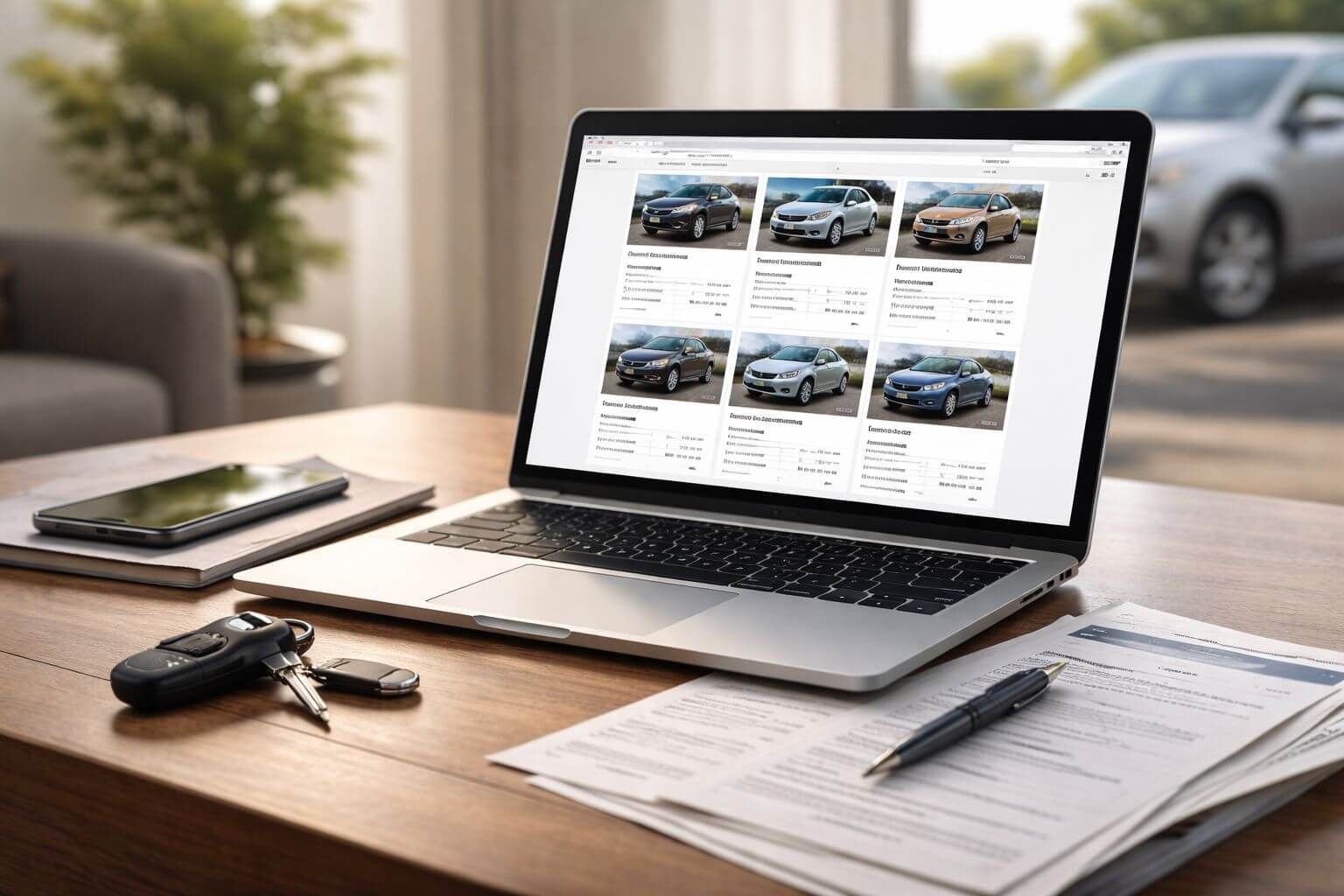
Shopping for a used car today looks very different than it did a decade ago. Instead of walking onto a dealership lot with limited information, most buyers now start their search online—comparing listings, researching pricing, and checking vehicle background details before ever meeting a seller.
With online marketplaces, dealer inventories, and vehicle history tools at your fingertips, it’s easier than ever to narrow down the right model, price range, and features. At the same time, buyers need to stay cautious—misleading ads, hidden issues, and scams are still common in the used car market.
The goal isn’t just to find the “right” car. It’s to verify the listing, confirm the vehicle’s past, and make a decision based on facts—not sales pressure. This guide walks you through where to look, what to check, and how to protect yourself so you can buy with confidence.
Start with Local Dealership Websites
Many dealerships maintain up-to-date online inventories, letting you browse available cars, compare trims, and check pricing before visiting.
Why dealer websites help:
- Convenience: Browse listings outside dealership hours.
- Better selection: Some dealer groups list vehicles across multiple locations.
- Financing and trade-in visibility: Many dealers provide online payment estimates and trade-in tools.
If you prefer lower risk, look for a certified pre-owned (CPO) program. CPO vehicles typically come with inspections and added warranty coverage (terms vary by dealer).
Explore Online Car Listing Platforms
Online marketplaces make it easy to compare listings from both dealerships and private sellers across Canada.
Popular sites include:
- autoTRADER.ca – One of Canada’s largest used car marketplaces.
- Kijiji Autos – Listings from dealers and private sellers.
- Auto123.com and Wheels.ca – Helpful for research, reviews, and comparisons.
- Craigslist and Facebook Marketplace – Useful for private sales, but requires extra caution.
- eBay Motors – Can be good for rare models, but consider location and logistics.
Before you get serious about any listing, check its background using a VinAudit Canada vehicle history report. It can help you confirm key details like accident records, title status, and ownership history.
Don’t Overlook Traditional Classifieds and Local Listings
Not every good deal appears on major marketplaces. Local sources can sometimes surface vehicles that are priced more reasonably because the listing isn’t competing nationally.
Places to check:
- Community newspaper classifieds (many have online listing pages)
- Local buying guides and print auto magazines that also post online
These can be especially useful for older vehicles, niche models, or seller-to-seller deals.
Use Pricing Tools and Buying Guides Before You Negotiate
Online listings give you a range—but smart pricing research tells you what a vehicle is actually worth.
Helpful tools:
- VinAudit Canada Market Value Tool – Pricing insight based on real sales data.
- Canadian Black Book and Kelley Blue Book (KBB) – Reference points for resale estimates.
- Vehicle history reports – Help you understand whether the price matches the vehicle’s past.
If the asking price looks “high for the mileage,” that’s a signal to validate the odometer history and past records.
Stay Safe When Buying Online
Online shopping is convenient—but it also makes scams easier to run. Protect yourself by watching for these warning signs:
- Unrealistically low prices: If it feels too good to be true, it usually is.
- Sellers who avoid meeting in person: Always inspect before paying.
- Requests for deposits, wire transfers, or gift cards: Common scam tactics.
- Suspicious history links: Don’t rely on random PDFs or unknown report sites.
For verification, use a trusted source like a VinAudit Canada report rather than a link sent by the seller.
Safety checklist for meetups:
- Meet in a public place during daylight.
- Bring a friend or family member.
- Arrange an independent mechanic inspection before final payment.
- Confirm the VIN matches the vehicle and paperwork.
Final Thoughts: How to Find the Best Used Car Online
Finding a reliable used car online comes down to three habits: research, verification, and patience.
When you browse multiple sources—dealer websites, listing platforms, and local classifieds—you widen your options and avoid rushing into the first “good-looking” listing. Pricing tools help you negotiate from a strong position, while history reports reduce the risk of buying a vehicle with costly surprises.
If you want to understand what’s included before running a report, visit the Reports Section to see what a VinAudit Canada vehicle history report covers.