
Need Help Buying a Used Car? A Used Car Buying Guide For Serious Used Vehicle Buyers
Looking for a used car in Canada can feel overwhelming—especially in population-dense Ontario. But with the right preparation, it’s absolutely possible to find a reliable vehicle at a fair price.
If you’re already using a VIN check (or another vehicle background-check tool) while researching listings, you can make your search far more worthwhile by following the tips below.
Consider Your Options Before You Buy
A used car can be a smart purchase when it’s still in strong condition for a much lower price than a comparable new model. Start by deciding what you actually need—then filter everything else through that.
- Set a realistic budget based on your monthly expenses and financial commitments.
- Choose the right vehicle type (family-friendly, commuter, work vehicle, fuel-efficient, etc.).
- Compare models for features, safety ratings, and long-term reliability.
- Shortlist vehicles you can realistically inspect and request documentation for each one.
- Negotiate confidently if the condition or market value supports it.
If financing makes sense, explore options before you shop so you can compare terms and avoid pressure at the point of sale.
Research Using Trusted Canadian Sources
Accurate research depends on reliable sources. When reviewing vehicle information, pricing, and ownership requirements, use established references such as:
These sources help you verify specs, typical issues, safety details, and regional sale requirements—so you don’t end up relying on incomplete or misleading information.
Do a Thorough Visual Inspection
Before you test drive, take time to inspect the car carefully. Even a clean listing can hide problems that only show up when you look closely.
Check the:
- Body and paint for dents, mismatched panels, rust, and uneven gaps
- Tires for uneven wear and proper inflation (uneven wear can hint at alignment or suspension issues)
- Interior condition including stains, odours, worn seat bolsters, and missing trim
- Controls and electronics (windows, locks, infotainment, A/C, heater)
- Under the hood for leaks, cracked hoses, worn belts, and low/dirty fluids
Also verify basics that can become expensive later—like wheel size, tire specs, and whether the vehicle’s fuel economy matches what the seller claims.
Learn as Much as You Can on the Test Drive
A test drive is where you find problems that photos and seller descriptions won’t show.
During the drive, pay attention to:
- Seat comfort and driving position
- Brake response (no pulling, grinding, or vibration)
- Steering feel and alignment (no drifting or shaking)
- Transmission shifting (smooth, consistent, no hesitation)
- Unusual noises over bumps or while turning
If something feels “off,” don’t ignore it—use it as a reason to investigate further or renegotiate.
Get a Trusted Mechanic’s Opinion
A professional mechanic can spot mechanical and structural issues that most buyers miss.
A pre-purchase inspection can reveal:
- Hidden leaks and worn components
- Safety issues (brakes, tires, suspension)
- Signs of accident repairs or frame damage
- Upcoming repair costs you should factor into the price
This step alone can save you from buying a vehicle that looks fine but will cost you significantly later.
Ask the Questions That Matter
Seller answers often reveal more than the listing itself. Asking the right questions helps you assess risk and spot inconsistencies.
Ask about:
- Vehicle condition and known issues
- Accident history
- Maintenance and service records
- Ownership history
- Odometer/mileage consistency
Clear, consistent answers—and supporting documentation—are a strong sign you’re dealing with a legitimate sale.
Check Warranty Coverage
When buying used, warranty coverage can add meaningful peace of mind. Even limited coverage can protect you from sudden costs if something fails shortly after purchase.
Learn what (if anything) is still covered, including:
- Remaining factory warranty
- Certified pre-owned coverage (if buying from a dealer)
- Third-party warranty terms (read exclusions carefully)
Use Practical Buying Techniques to Avoid Scams and Overpaying
Smart buying techniques protect you in two ways:
- They reduce your exposure to dishonest sellers and vehicles with hidden issues.
- They help you negotiate using real information—like a vehicle’s condition, history, and market value.
The biggest long-term advantage is simple: you’re more likely to end up with a reliable, safe vehicle that fits your needs.
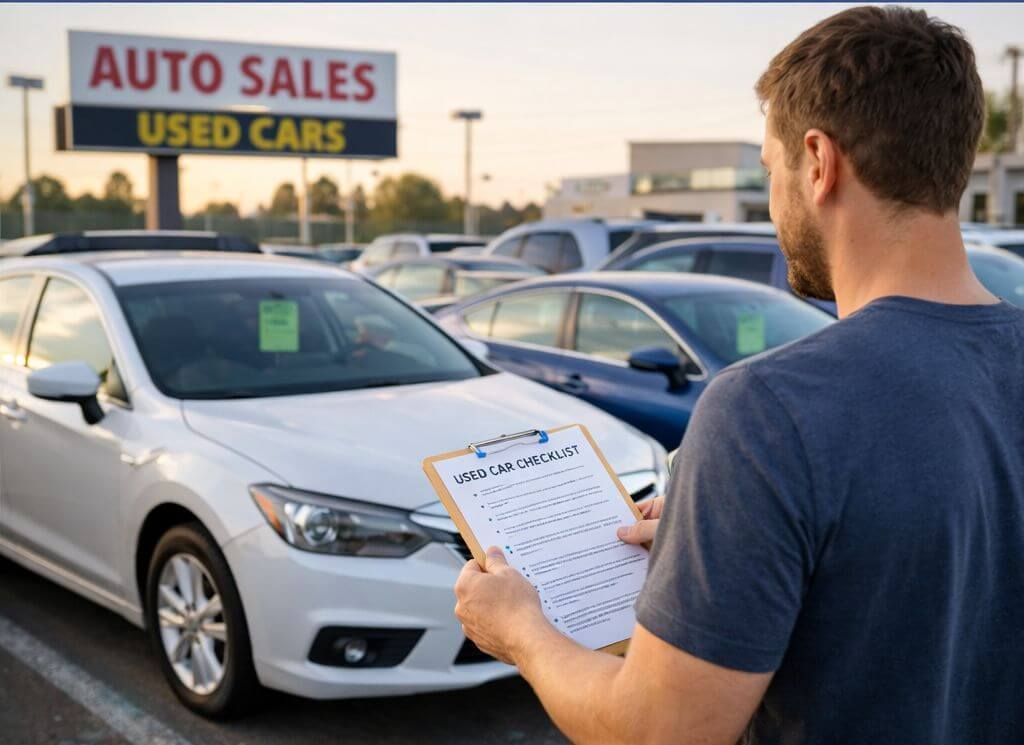
Bring a Used Car Buying Checklist
A checklist helps you stay consistent when comparing vehicles—and prevents you from forgetting key steps when you’re under pressure.
It should include:
- Required paperwork and government documents
- Maintenance and accident records
- Inspection items (exterior, interior, under the hood)
- Test-drive notes
- Red flags and deal-breakers
You can use this sample checklist as a reference: used car buyer checklist.
Look Beyond the Price Tag
The sticker price isn’t the true cost of ownership. Before you commit, consider:
- Insurance costs (can vary widely by model)
- Fuel efficiency (and real-world MPG)
- Maintenance frequency and parts cost
- Likely repair risk for that model/year
- Depreciation and resale value
A cheaper car can become expensive fast if it needs major repairs or consumes significantly more fuel than expected.
Negotiate and Aim for a Fair Deal
Negotiation isn’t just about “getting a discount”—it’s about paying a price that matches the vehicle’s true condition and value.
Factors that can strengthen your position include:
- Higher mileage or older model year
- Needed repairs or worn components
- Comparable listings priced lower
- Timing (end of month/quarter or end of model year can help)
Stay focused on the total price and overall value—not just monthly payment figures.
Be Ready to Walk Away
Walking away is often the best protection a buyer has.
If anything feels suspicious—missing documents, inconsistent answers, pressure tactics, or signs of hidden damage—pause the deal. A bad purchase can mean expensive repairs, frequent breakdowns, and unsafe driving.
Final Thoughts
Buying a used car in Canada can be time-consuming, but it doesn’t have to be risky. When you research properly, inspect carefully, and use tools like a VIN check plus a checklist, you dramatically increase your odds of finding a good vehicle at a fair price.
Take your time, prioritize transparency, and don’t hesitate to walk away when the deal doesn’t feel right.