Buying a Used Car From Another Province: Inspection, Tax, and Registration Checklist

Buying a used car from another province can be a smart move when prices are better, inventory is limited locally, or the exact model you want is only available elsewhere. But an interprovincial purchase is more complicated than buying a car down the street.
You may need to verify the vehicle’s history, arrange temporary insurance or a transit permit, understand inspection requirements, pay tax in your home province, and complete registration after the vehicle arrives. If you miss a step, the car may sit undrivable until paperwork, repairs, or inspections are completed.
Before you send a deposit or travel to pick up the vehicle, confirm the rules in the province where you plan to register it. A Canadian vehicle registration process can vary by province, and a car that is legal to drive in one province may still need extra steps before it can be plated in another.
Quick answer: What should you check before buying a used car from another province?
Before buying a used car from another province in Canada, check the VIN, ownership documents, lien status, accident and title history, inspection requirements, temporary travel permits, insurance, taxes, and registration documents required in your home province.
At minimum, confirm:
- The VIN matches the vehicle and documents.
- The seller is the legal owner.
- The vehicle can be registered in your province.
- Your province’s out-of-province inspection rules are clear.
- You know whether tax is due at registration.
- You have proper insurance and temporary permits to drive it home.
- The bill of sale and ownership documents are complete.
- You understand what happens if the vehicle fails inspection.
A low price in another province may not be a good deal if inspection repairs, transport, taxes, and registration costs erase the savings.
Why buying from another province needs extra caution
Interprovincial buying adds more moving parts. You are dealing with two sets of rules: the province where the vehicle is located and the province where you will register it. The seller may know their local process, but they may not know what your province requires.
That creates risk. A vehicle may be registered and insured where it is currently located, but still fail an out-of-province inspection after you bring it home. It may need a safety certificate, mechanical inspection, emissions-related paperwork for certain vehicle types, or additional documents before registration.
This is why buyers should avoid thinking, “It is already registered, so I can register it anywhere.”
That is not always true.
Step 1: Start with the VIN
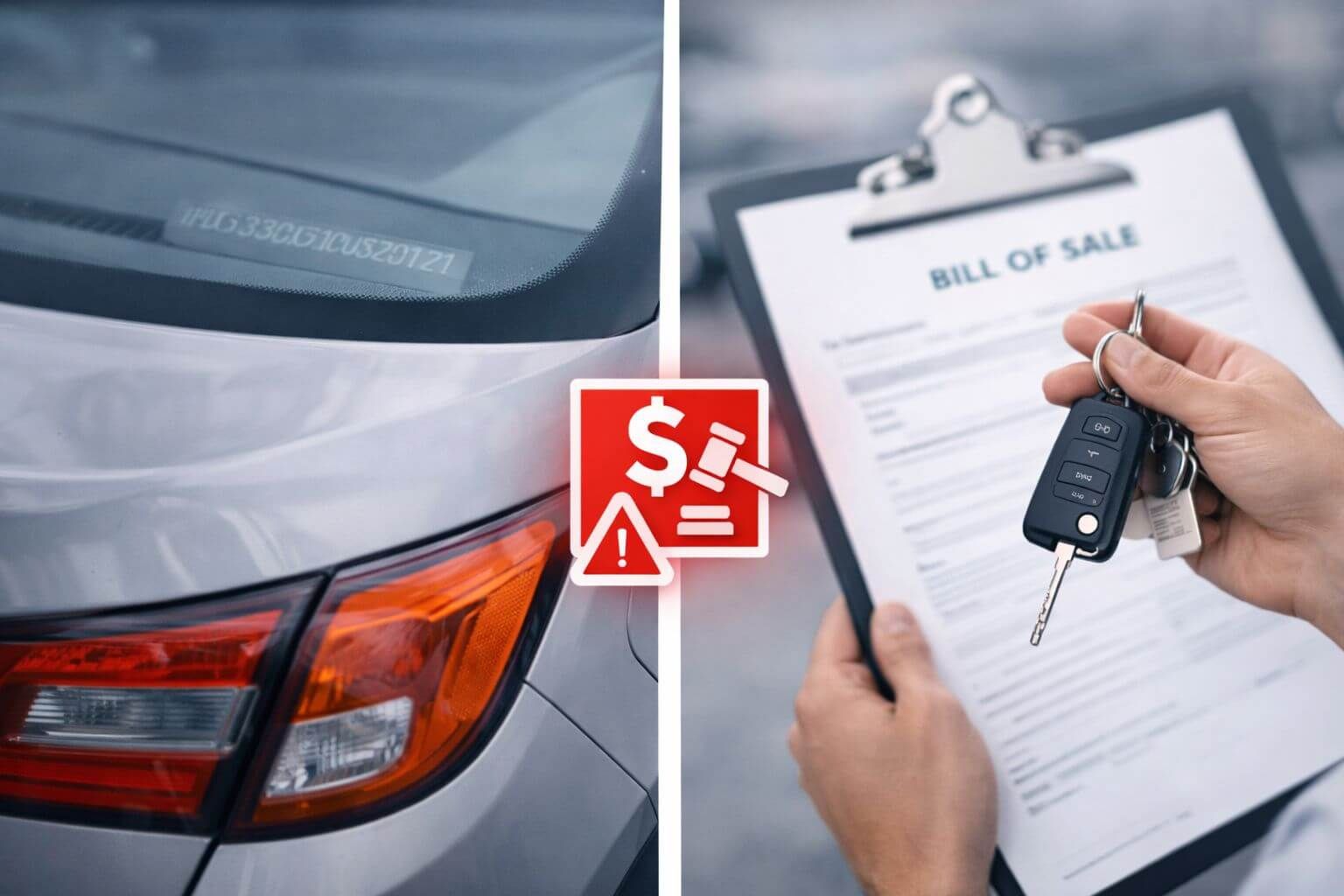
Before travelling or paying a deposit, ask for the VIN. Then run a VIN check and compare the report with the seller’s claims.
Check for:
- Accident history
- Title or branding issues
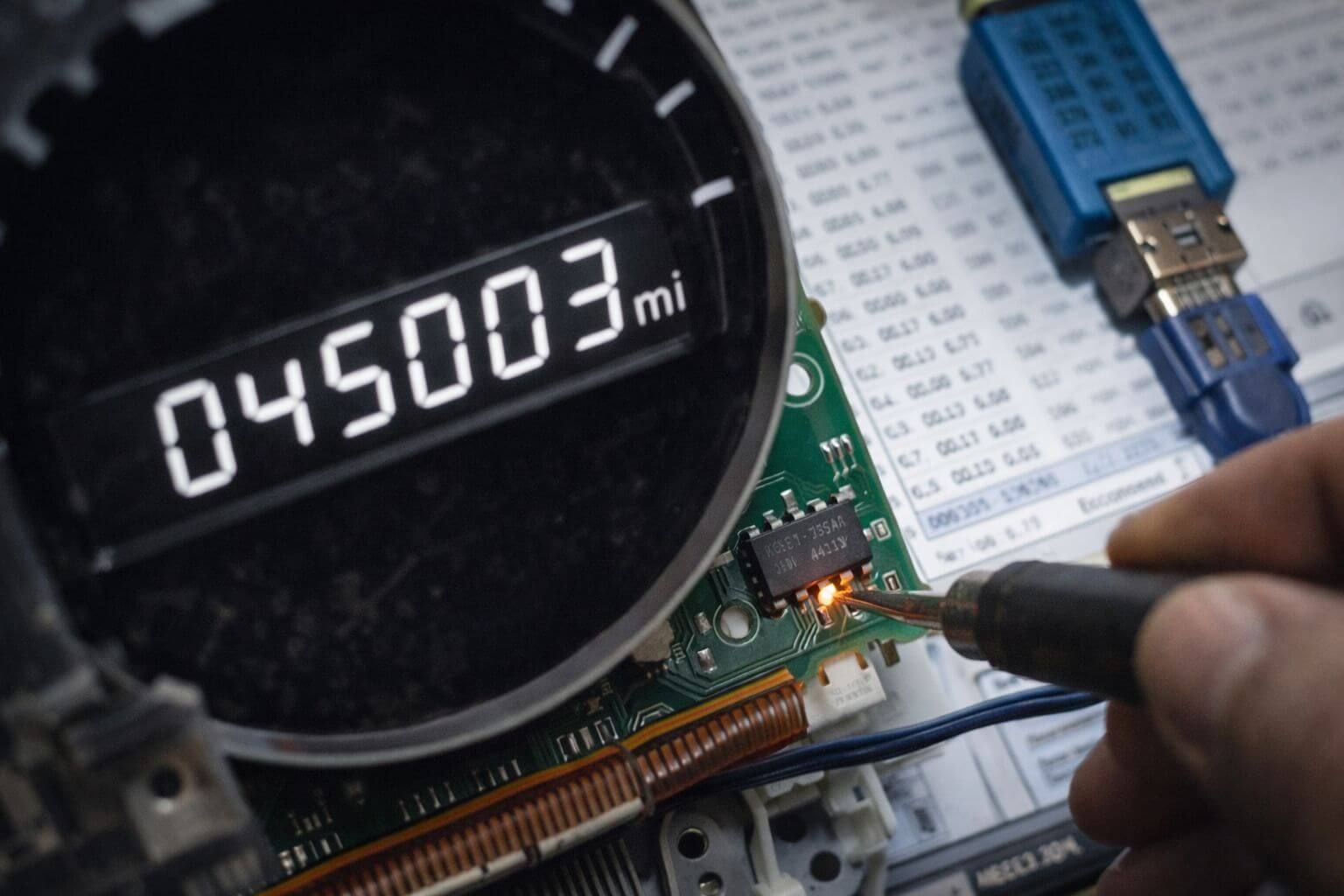
- Odometer inconsistencies
- Theft indicators
- Registration history
- Vehicle specifications
- Recall information
- Possible records from other provinces or jurisdictions
The VIN should also match the dashboard, driver-side door label, ownership documents, service records, and bill of sale. If the VIN is different anywhere, stop the transaction until the issue is explained and verified.
Step 2: Confirm the vehicle can be registered in your province
Before buying, contact your provincial vehicle registration authority or review its official guidance. Requirements differ across Canada.
In Ontario, ServiceOntario explains that vehicles from outside Ontario require extra registration steps. For vehicles from outside Ontario, buyers must complete the general registration requirements. For some vehicle types, such as certain personal-use pickup trucks or commercial-use vehicles, additional documents may be required, including out-of-province ownership, a bill of sale, proof of insurance, weight information, a Safety Standards Certificate, and other inspection documents where applicable.
In British Columbia, ICBC says that when bringing a vehicle into B.C. from another province or territory, buyers generally need the vehicle’s current registration, a passed vehicle inspection report from a designated inspection facility, required ID, and a signed and dated bill of sale if the vehicle is not already registered in the buyer’s name. ICBC also notes that some qualified vehicles from Alberta, Saskatchewan, or Manitoba may be exempt from the B.C. pre-registration safety inspection under specific conditions.
In Québec, SAAQ says buyers registering a vehicle from outside Québec should call first to find out which documents are required. For used vehicles from another Canadian province, SAAQ lists documents such as a mechanical inspection certificate and the registration certificate issued by the province.
The lesson is simple: check the destination province first. Do not buy based only on the selling province’s rules.
Step 3: Understand out-of-province inspection requirements
The inspection is often the biggest surprise for buyers. A car may look good, drive well, and still fail an out-of-province inspection for items the buyer did not notice.
An out-of-province or safety inspection may check areas such as:
- Brakes
- Tires
- Steering
- Suspension
- Lights
- Windshield condition
- Rust or structural issues
- Seat belts
- Exhaust
- Emissions-related equipment, where applicable
- Vehicle identification
- Safety systems
Ontario’s Safety Standards Certificate confirms that the vehicle met minimum safety standards on the date issued, but Ontario also makes clear that the certificate is not a warranty or guarantee of the vehicle’s condition. Ontario also states that you can buy and register a vehicle without a Safety Standards Certificate, but you cannot put plates on it without one when the certificate is required.
That distinction matters. Passing inspection does not mean the car is perfect. Failing inspection can mean repair costs before you can legally plate and drive it.
Step 4: Get a pre-purchase inspection before you travel home
A destination-province inspection may happen after you buy the vehicle. That can be risky because you may already own the car when the repair list appears.
If possible, arrange a pre-purchase inspection in the province where the vehicle is being sold. Ask the mechanic to check not only general condition but also items likely to affect your home province’s registration or safety requirements.
Ask the inspector to pay close attention to:
- Rust and frame condition
- Windshield cracks
- Brake wear
- Tire condition
- Suspension play
- Warning lights
- Fluid leaks
- Exhaust condition
- Previous collision repair
- Undercarriage damage
- Missing emissions or safety components
If the seller refuses an independent inspection, consider that a major warning sign.
Step 5: Confirm taxes before you calculate the deal
Tax rules can affect the real cost of buying from another province. Do not assume that a lower purchase price is the final savings.
Depending on the province, tax may be payable when you register the vehicle. The amount may be based on the purchase price, wholesale value, appraised value, or provincial rules. Dealer purchases and private sales may also be treated differently.
For example, Ontario’s used vehicle guidance says the buyer pays sales tax when registering as the new legal owner, not to the seller, and that in most cases Ontario buyers pay 13% retail sales tax based on the purchase price or wholesale value, whichever is greater. B.C.’s ICBC out-of-province registration checklist also notes that Provincial Sales Tax must be paid at registration unless an exemption applies.
Because tax rules can change and exemptions may apply, confirm the current requirements with the province where you will register the vehicle before you buy.
Step 6: Plan how you will bring the vehicle home
Do not assume you can simply put your current plates on the vehicle and drive away. Plate transfer, temporary permits, insurance binders, and transit permits vary by province and situation.
Before pickup, confirm:
- Whether the seller’s plates stay with the seller
- Whether you need a temporary permit from the selling province
- Whether you need insurance before a permit is issued
- Whether your home province requires a binder or temporary coverage
- Whether the vehicle can be legally driven before inspection
- Whether shipping the vehicle is safer or simpler
ICBC’s guidance for importing a vehicle into B.C. says that to drive a vehicle home from another province, a B.C. resident needs temporary insurance from ICBC called a Binder for Owner’s Interim Certificate of Insurance and an in-transit permit from the province where the vehicle is purchased.
Your province may have a different process. Confirm before you travel.
Step 7: Make sure the paperwork is complete
Interprovincial purchases can fail because of missing documents. Do not hand over full payment until the paperwork is complete and consistent.
You may need:
- Original registration or ownership document
- Signed bill of sale
- Seller’s legal name and address
- Buyer’s legal name and address
- VIN
- Odometer reading
- Sale price
- Date of sale
- Proof of insurance
- Safety or mechanical inspection documents, if required
- Previous jurisdiction title, where applicable
- Import documents, if the vehicle came from outside Canada
- Lien release, if applicable
- Dealer invoice, if buying from a dealer
ICBC states that for vehicles imported into B.C. from another Canadian province, buyers should bring the vehicle registration from the previous jurisdiction or a New Vehicle Information Statement, the original bill of sale, and a passed inspection report signed by a designated inspection facility. Ontario’s used vehicle guidance also lists documents needed to register a used vehicle, including proof of insurance, bill of sale, Safety Standards Certificate if applicable, ownership permit information, and odometer reading information.
Requirements vary, but the principle is the same: missing paperwork can delay registration.
Step 8: Check for liens and financing issues
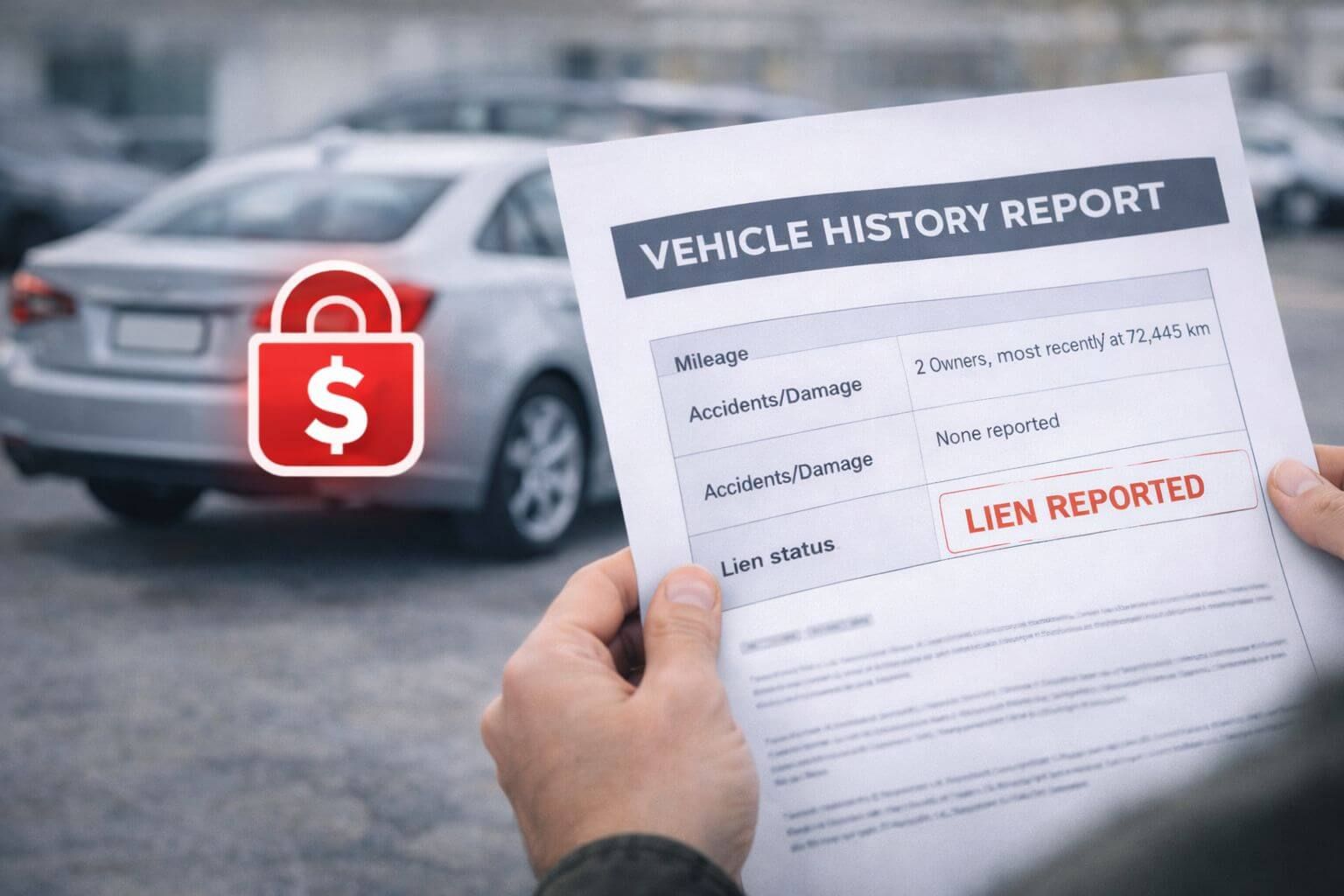
A vehicle can cross provincial borders, but liens and financial interests may still follow it. If the seller still owes money, the buyer could face problems after purchase.
Ask whether there is any loan, lease, or lien on the vehicle. Then verify independently. If there is financing, require written proof that the lien will be paid and discharged. Do not rely on a verbal promise that the seller will “take care of it after payment.”
Be extra careful if:
- The seller’s name does not match the ownership documents.
- The seller wants payment sent to someone else.
- The vehicle is priced far below market.
- The ownership record shows a lender.
- The seller says they recently bought it but never registered it.
- The seller cannot explain the registration history.
For interprovincial sales, clean ownership is not optional. It is the foundation of a safe transfer.
Step 9: Compare total cost, not just purchase price
A vehicle in another province may look cheaper at first, but the real cost includes more than the asking price.
Add up:
- Purchase price
- Travel costs
- Shipping or fuel
- Temporary permits
- Temporary insurance
- Provincial inspection
- Repairs required to pass inspection
- Taxes at registration
- Registration fees
- Plate fees
- Appraisal fees, if required
- Time away from work or travel delays
- Risk of failed inspection
If the savings are small, buying locally may be less stressful. If the savings are large, make sure they are not caused by hidden damage, title problems, rust, or inspection issues.
Step 10: Be careful with rebuilt, salvage, flood, or modified vehicles
Out-of-province registration can be more complicated when the vehicle has branding, structural repairs, flood history, or major modifications. Some branded vehicles may need additional inspections. Some vehicles may not qualify for certain inspection exemptions. Flood-damaged vehicles may create registration or insurance issues in some provinces.
Be especially cautious with:
- Salvage or rebuilt vehicles
- Vehicles declared irreparable or unrebuildable
- Flood-damaged vehicles
- Right-hand-drive imports
- Heavily modified vehicles
- Former commercial or fleet vehicles
- Vehicles with missing labels or altered VIN plates
Québec’s SAAQ specifically warns buyers to do a background check before buying a used vehicle from outside Québec because the vehicle may not meet provincial requirements, especially if it is modified, right-hand drive, antique, or different from typical vehicles on the road. SAAQ also states that a vehicle declared unrebuildable because it has been flooded can never be put back on the road in Québec.
Buyer checklist before buying from another province
Use this checklist before committing:
- VIN received and checked.
- VIN matches the vehicle and documents.
- Seller identity is verified.
- Ownership documents are complete.
- Lien status is checked.
- Vehicle history is reviewed.
- Destination province registration rules are confirmed.
- Inspection requirements are confirmed.
- Pre-purchase inspection is completed or knowingly declined.
- Tax at registration is estimated.
- Temporary permit and insurance process is confirmed.
- Bill of sale is complete.
- Transport or drive-home plan is legal.
- Repair risk is budgeted.
- Registration documents are ready.
- You know what happens if the vehicle fails inspection.
If any item is unclear, pause the deal.
Common mistakes to avoid
Buyers often run into trouble because they assume the process is the same everywhere. Avoid these mistakes:
- Buying before confirming registration rules in your province.
- Assuming a current registration means the car will pass inspection.
- Driving home without proper temporary insurance or permits.
- Forgetting about tax at registration.
- Skipping a pre-purchase inspection.
- Accepting incomplete ownership documents.
- Ignoring liens or loans.
- Buying a rebuilt or imported vehicle without checking extra requirements.
- Paying a deposit before reviewing the VIN and paperwork.
- Assuming verbal promises will protect you later.
An interprovincial deal needs a paper trail. If the seller wants to skip documents, walk away.
Final thoughts
Buying a used car from another province in Canada can be worthwhile, but only when the savings justify the added work. The buyer must verify the VIN, understand destination-province registration rules, plan inspection and tax costs, arrange legal transportation, and collect the right documents before paying.
The safest approach is to confirm the process before you travel. Check the VIN, contact your registration authority, arrange inspection, understand taxes, and make sure the ownership documents are complete.
A good out-of-province purchase should still feel organized. If the vehicle, seller, paperwork, and registration requirements do not line up, the better deal may be the one you walk away from.