Road Trip Guide: 30+ Tips for a Smooth Journey
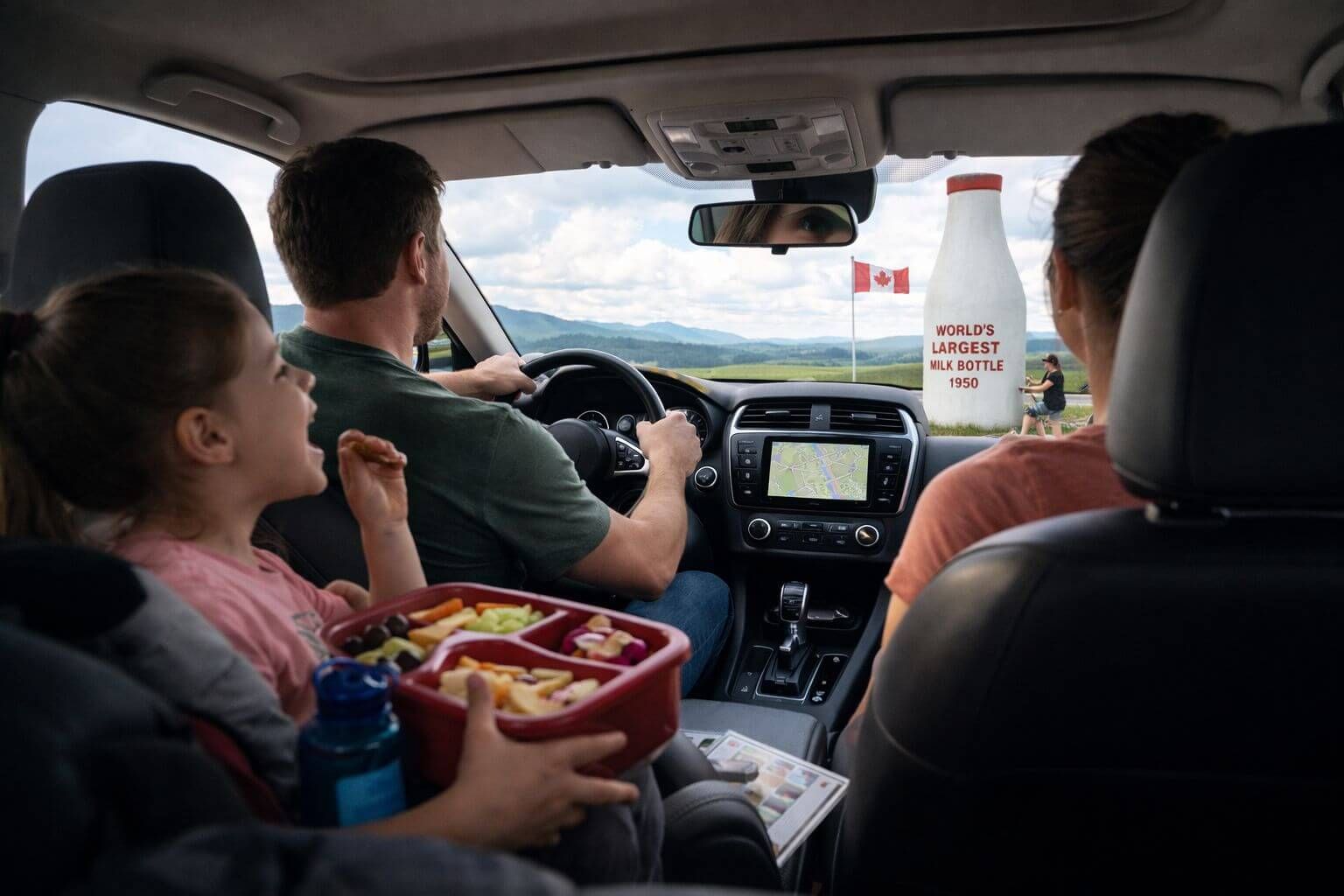
Road trips aren’t just about getting from point A to point B—they’re about the music-filled singalongs, the spontaneous roadside attractions, and the classic “Are we there yet?” moments. Whether you’re cruising through wide-open highways or pulling over for a selfie with a quirky roadside landmark, every mile can turn into a story worth telling.
However, without a bit of planning (and the right vehicle), road trips can quickly become a loop of fast-food stops, cranky passengers, and stressful surprises. A reliable, comfortable car keeps the trip smooth, while a few smart habits help you stay safe, organized, and on budget. Here are practical road trip tips you can actually use—before you hit the gas.
Planning and preparation
- Plan your route—but keep a backup. GPS is great until you lose signal. Download offline maps for your route, and keep a basic paper map (or at least a screenshot of key turns) for remote areas.
- Check road and weather conditions. Look up forecasts and road advisories before you leave and again each morning. This helps you avoid closures, floods, and sudden winter hazards.
- Build in flexibility. Create a “must-do” list and a “nice-to-do” list. That way, spontaneous stops don’t derail your whole itinerary.
- Do a quick vehicle check. Before a long drive, confirm tire tread/pressure, fluids, brakes, lights, and wipers. A quick inspection now beats a breakdown later.
- Carry a spare key. Give it to a travel companion or keep it in a secure bag—not inside the car.
Packing and storage
- Pack efficiently. Rolling clothes saves space and reduces wrinkles. Keep daily essentials in one small bag so you’re not digging through luggage.
- Use organizers and resealable bags. Group chargers, toiletries, meds, and snacks so you can grab what you need fast.
- Secure important documents. If you’re crossing borders or traveling far, store digital copies of IDs, reservations, and insurance details in a secure cloud folder.
- Pack a basic emergency kit. Include a first aid kit, flashlight, jumper cables, reflective triangle, and a small tool kit.
- Keep the cabin clean. A small trash bag, wet wipes, and hand sanitizer make the car feel better after hours on the road.
Food and snacks
- Bring healthy snacks. Nuts, fruit, protein bars, and trail mix help you avoid constant drive-thru stops.
- Use a divided snack container. It’s easier to share, keeps portions manageable, and reduces mess.
- Bring a cooler. A small collapsible cooler lets you carry fresh food and drinks (and helps you spend less).
- Use reusable bottles and mugs. Refill at stops to stay hydrated and reduce waste.
- Try local spots. Small diners and local cafés are often the best part of the trip—and usually more memorable than chains.
Comfort and entertainment
- Build a playlist and a backup. Mix music with podcasts or audiobooks so long stretches don’t feel repetitive.
- Bring comfort items. Neck pillows, a small blanket, and seat cushions can make hours in the car much easier.
- Keep essentials within reach. Use a seatback organizer for snacks, chargers, tissues, and sunglasses.
- Pack simple rest-stop activities. A deck of cards, frisbee, or mini ball keeps breaks fun—especially with kids.
- Make screen time a game. Try a friendly “no phone” challenge for 30–60 minutes at a time, then reward the winner with first pick of snacks or music.
Saving money
- Use fuel price apps. Tools like GasBuddy can help you time fuel stops and find cheaper stations along your route.
- Book key nights early. Even if your itinerary is flexible, booking your first and busiest-night stays can save money and stress.
- Use rewards where it helps. Loyalty programs for gas, hotels, and groceries can add up on longer trips.
- Mix dining with DIY meals. Grab groceries for breakfast and snacks, then choose a few “must-try” local restaurants.
Safety and emergency preparedness
- Save an emergency contact list. Include roadside assistance, insurance, and a local emergency contact.
- Know basic vehicle maintenance. At minimum: how to check tire pressure, add washer fluid, and handle a flat.
- Bring extra charging options. Pack a power bank and a multi-port car charger for phones and navigation.
- Use the 2-2-2 fatigue rule. Stop every 2 hours, switch drivers every 2 stops when possible, and try to cap daily driving at around 200 miles for long multi-day trips.
- Ask locals smartly. If you’re lost, small cafés and shops often give more accurate directions than busy gas stations.
Make the most of the journey
- Take detours on purpose. Scenic viewpoints, small-town main streets, and roadside attractions make the trip memorable.
- Support local businesses. Try one independent café, shop, or bakery in each town you pass through.
- Go off-GPS for a bit. Pick a short stretch to navigate using signs and a map—it can make the drive feel more adventurous (and builds confidence).
Choosing the right used car for a road trip
If you’re not sure your current car is truly road-trip ready—or you’re shopping for one—start by confirming the vehicle’s basics and history.
A VIN decoder can help you verify key specs (engine, trim, fuel economy, safety equipment) before planning your route: https://www.vinaudit.ca/vin-decoder
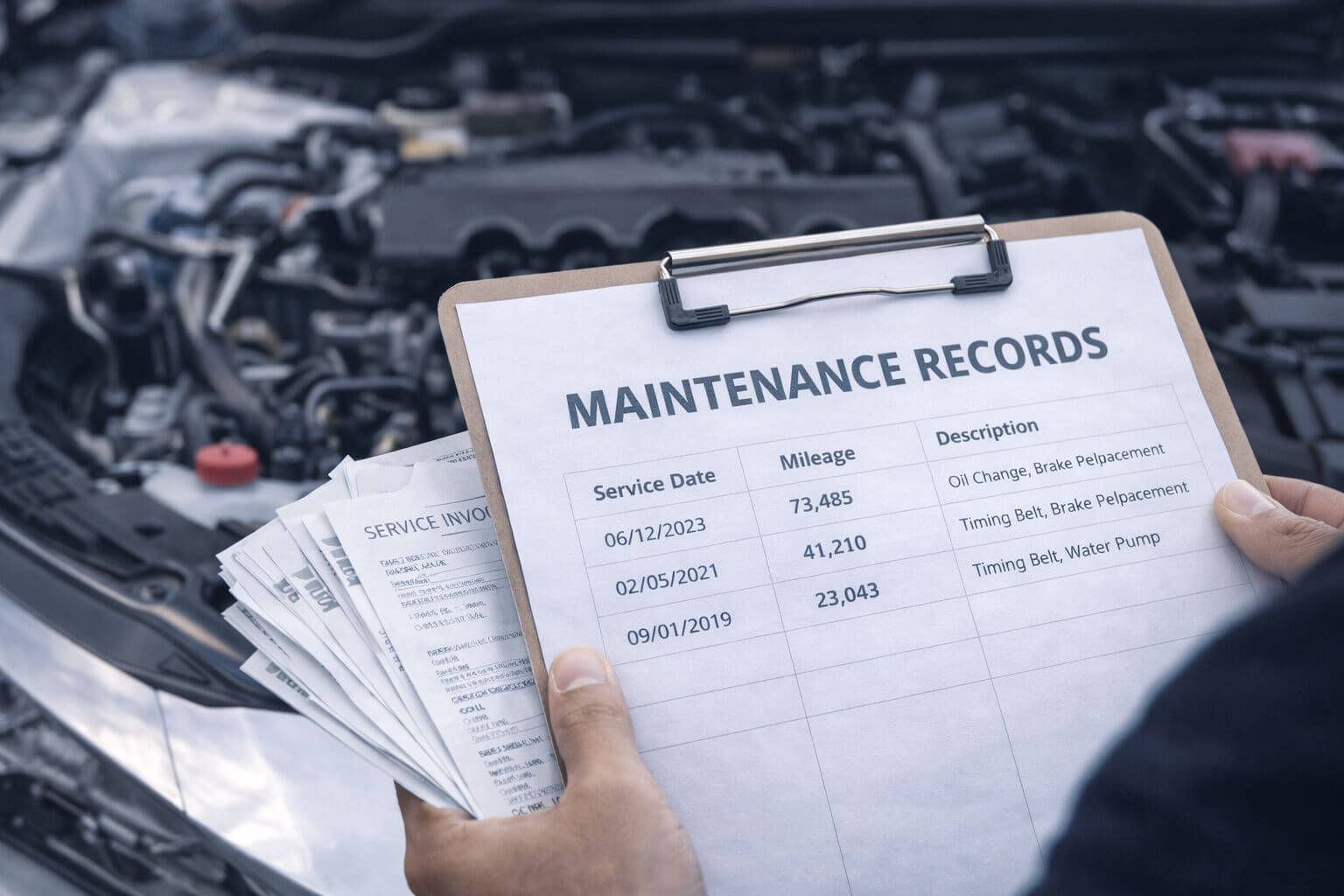
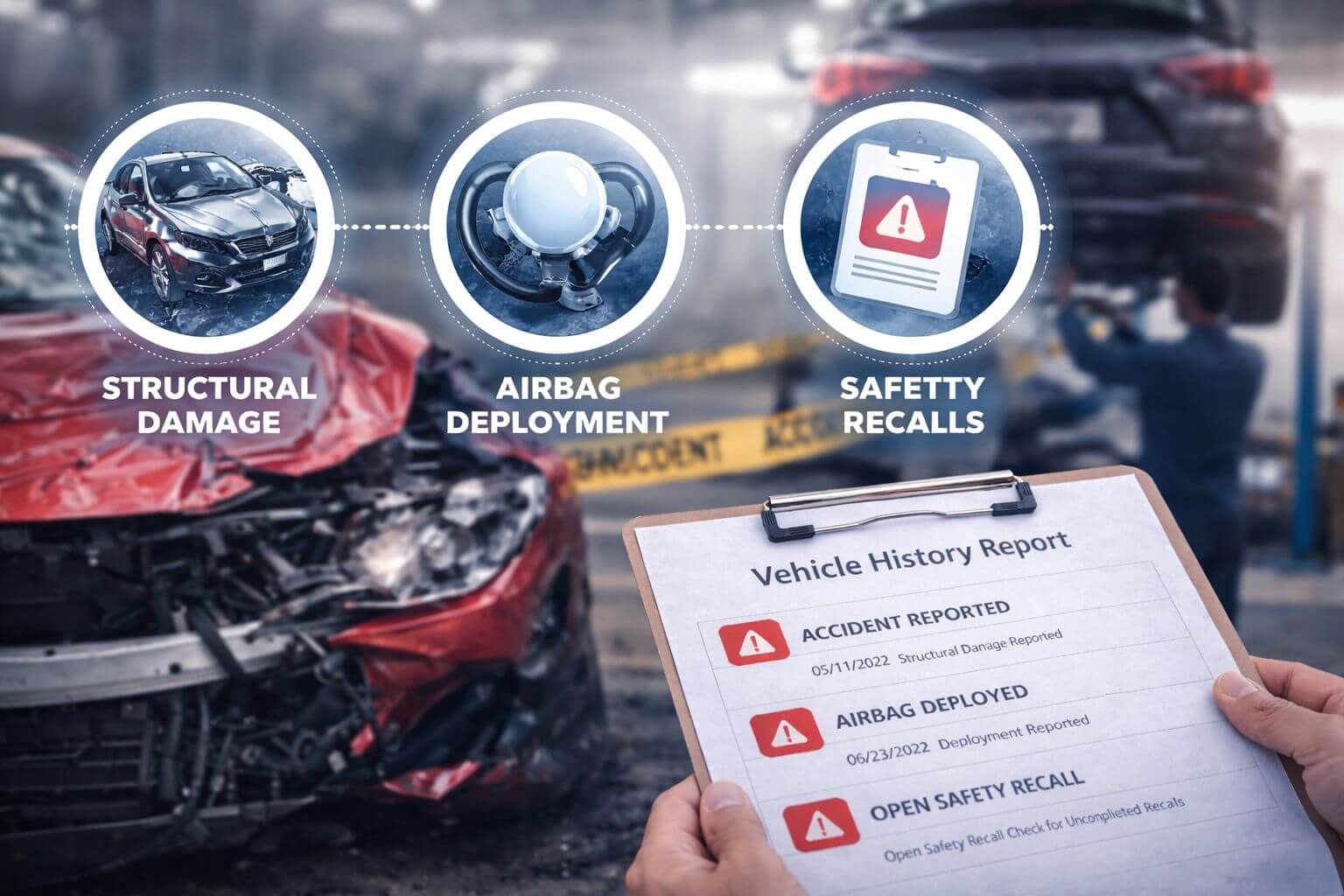
And if you’re buying used, a vehicle history report can uncover red flags like past accidents, title issues, and major repairs before you commit: https://www.vinaudit.ca
For long drives, many travelers prefer reliable, comfortable options such as the Toyota RAV4, Honda CR‑V, Subaru Outback, Mazda CX‑5, or Toyota Prius—models known for efficiency and dependability on extended highway trips.
Make every mile an adventure

Road trips are more than the destination—they’re the playlist-worthy singalongs, spontaneous stops, and snack-fueled conversations in between. With the right prep and a reliable vehicle, you’ll avoid the usual travel headaches and focus on what matters: making memories.
Buckle up, hit the road, and enjoy every mile—because the best part of a road trip is the journey itself.