
Pre-Purchase Inspection: A Crucial Step Before Buying a Used Car
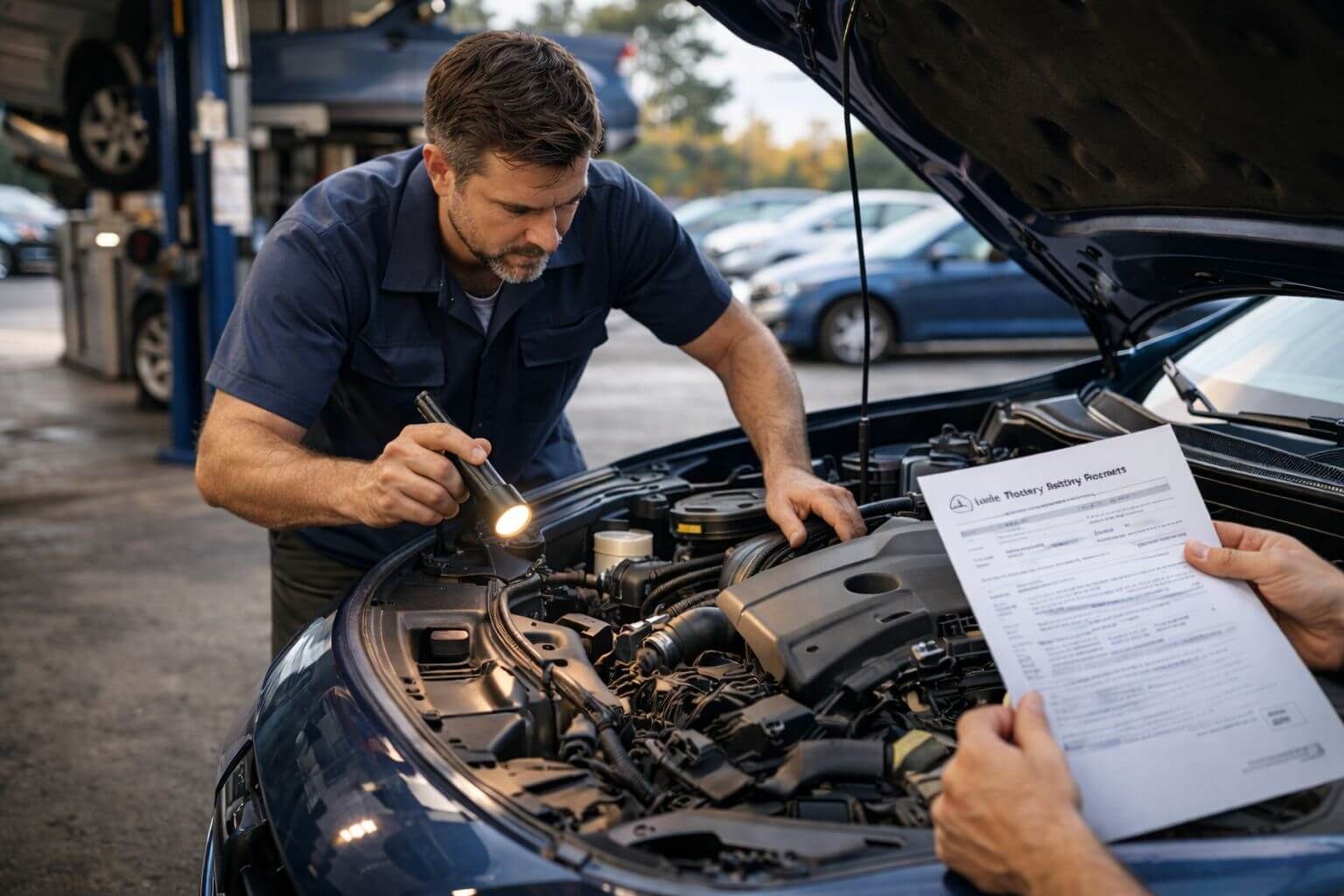
It’s easy to get caught up in the excitement of finding the “perfect” vehicle and overlook one of the most important steps when buying a used car in Canada: getting it inspected before you commit.
That’s exactly what a pre-purchase inspection (PPI) is for. Think of it as a professional health check for the vehicle—designed to uncover hidden problems, confirm roadworthiness, and help you avoid buying a lemon.
A PPI is completed by a licensed mechanic or qualified auto technician before you buy. Costs typically fall in the $100–$200 range in Canada (often varying by city, shop, and how detailed the inspection is).
Areas covered by a vehicle inspection before buying a used car
Before the inspection, it helps to pull a vehicle history report so the mechanic can cross-check any disclosed repairs, prior damage, or major events. A VinAudit Canada history report is especially useful for verifying whether past issues appear to have been properly addressed.
In most cases, a PPI focuses on:
- Safety checks: brakes, lights, seat belts, tires, steering components, and other essentials that affect road safety.
- Under-the-hood and undercarriage review: fluid levels and leaks, belts/hoses, battery condition, visible rust, suspension wear, and signs of poor maintenance.
- Test drive assessment: how the vehicle accelerates, brakes, shifts, tracks straight, and responds to steering—plus any unusual sounds, vibrations, or warning lights.
Where to get a used car inspected in Canada
You can arrange a PPI through several common options:
- Dealership: convenient if you’re already shopping at a dealer—many can coordinate an inspection quickly.
- Independent mechanic: ideal if you want a more neutral, buyer-focused assessment.
- CAA / APA preferred partners: if you want added confidence, consider inspection partners recommended by organizations like CAA or APA.
- Auto body shops: some shops also provide used-vehicle inspection services, especially if you want a close look at structural condition and repair quality.
Tips for choosing a used car inspection service
- Ask for documentation: choose a shop that provides a written inspection form with clear notes and recommended next steps.
- Use a trusted mechanic: someone with a strong track record is more likely to catch subtle issues and explain them clearly.
- Confirm what’s included: before booking, ask whether the inspection covers a road test, lift/undercarriage check, scan for diagnostic trouble codes, and brake/tire measurements.
Putting it together: use both a history report and a PPI
A history report helps you understand the vehicle’s “paper trail”—ownership history, recorded incidents, and other red flags—while the inspection confirms the vehicle’s current mechanical and safety condition.
Used together, they give you a clearer picture of risk. If problems are found, you can either walk away or negotiate with confidence using real, specific findings—so you end up with a used car that fits your needs and budget, without costly surprises later on.