How to Get Your Car Ready for Long-Term Storage
Are you leaving your car parked for a long period—during a winter retreat, extended vacation, or a stretch when you’re using other transportation?
A car can look “fine” sitting in the garage, but vehicles aren’t designed to stay idle for long. Batteries discharge, fluids settle, seals dry out, and tires can develop flat spots.
If possible, ask someone you trust to drive the car for about 20 minutes once a week. This simple routine helps keep the battery charged, circulates fluids, and keeps components lubricated—so you’re less likely to deal with a no-start situation when you return.
If weekly driving isn’t possible, use the checklist below to prepare your vehicle for storage and make sure it’s ready to drive again later.
What to do before storing a car
Whether you’re parking it for a short break or a long hiatus, start with the basics:
- Choose a safe storage location. Indoor parking (garage or covered rental storage) is best to reduce exposure to moisture and temperature swings.
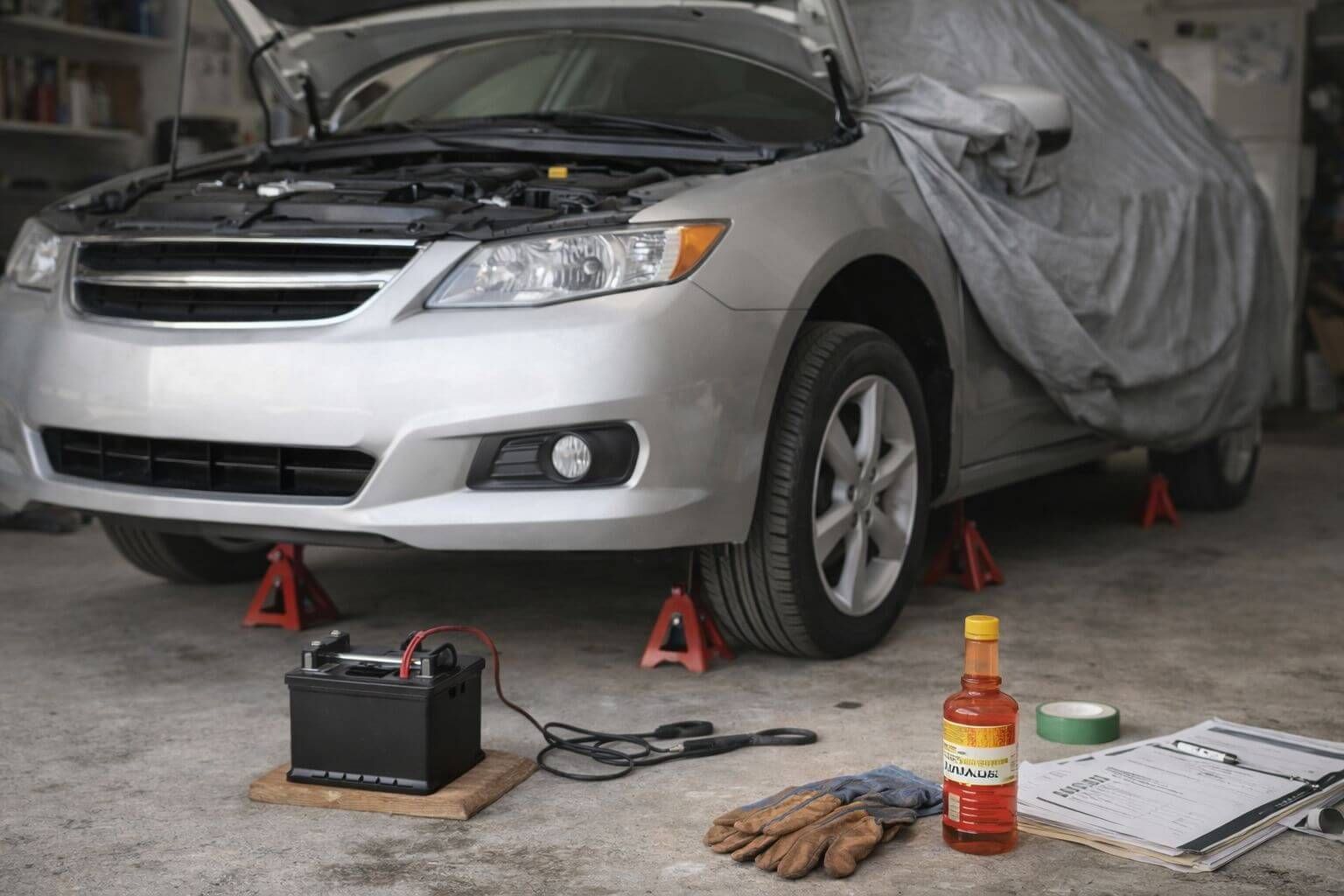
- If you must park outside, use a breathable car cover. Breathable covers help prevent moisture buildup that can cause mildew.
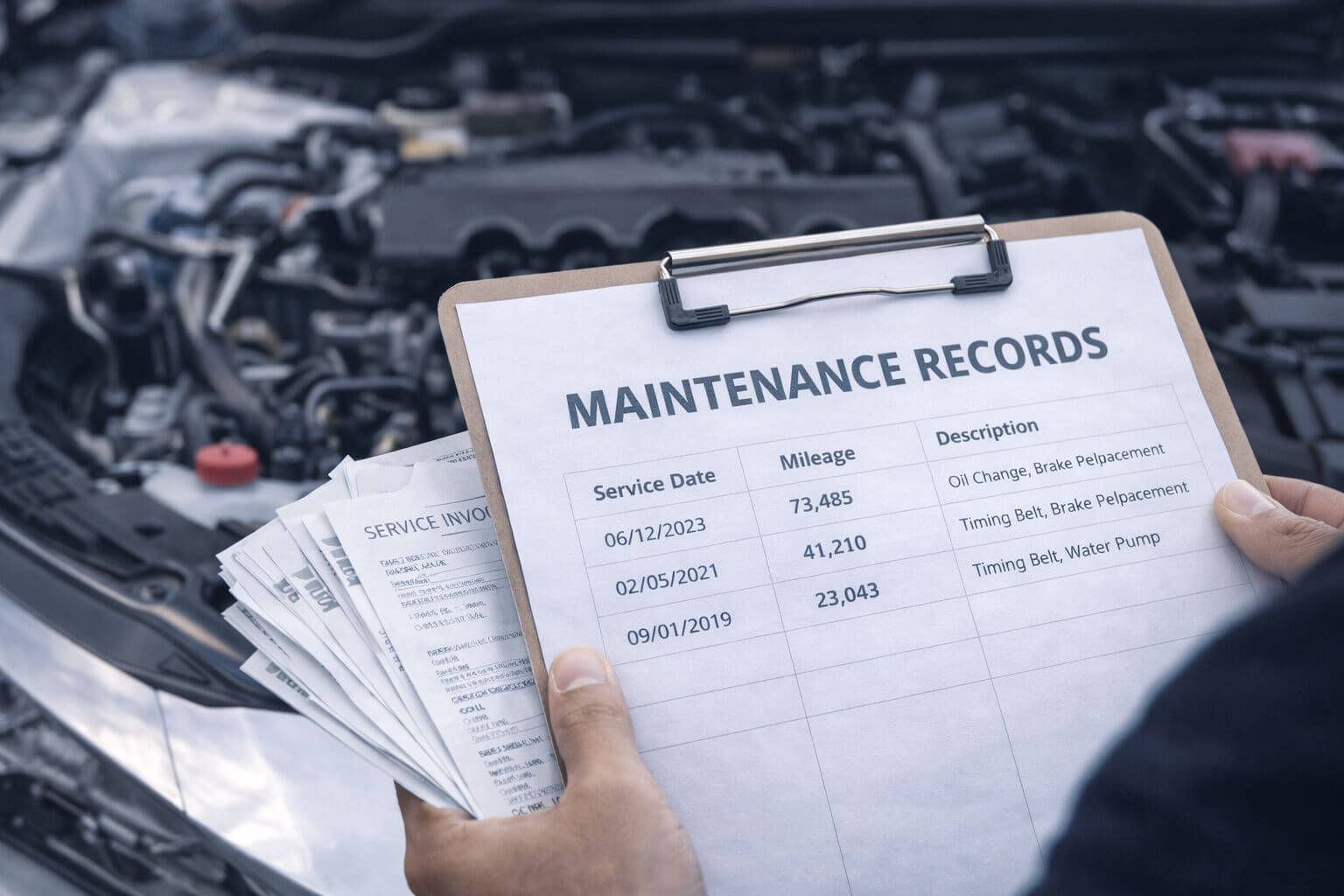
- Document what you did. Keep a quick checklist (or notes in your phone) so it’s easy to reverse storage steps when you’re ready to drive again.
Note: The steps below are organized as “building blocks.” Each storage duration includes the tasks from the previous one.
Preparing for 1 month car storage
- Wash the exterior to remove dirt, dust, bugs, and debris (helps protect paint and reduce rust risk).
- Clean the interior and remove crumbs/food to avoid attracting pests.
- Fill the gas tank to reduce condensation in the fuel system.
- Inflate tires slightly above normal (check the owner’s manual for the recommended PSI, then add a small buffer to reduce flat-spot risk).
- Avoid using the parking brake for storage (pads can stick to rotors). Use wheel chocks if needed.
Getting ready for up to 3 months of vehicle storage
After completing the 1-month steps:
Wax the exterior to protect against oxidation and add a barrier on the paint.
Change the oil (old oil can contain contaminants that may contribute to sludge).
Check engine coolant level (especially important in winter climates).
Protect the battery:
- Remove it (if practical).
- Store it on a wood surface.
- Connect it to a trickle charger/maintainer.
If possible, place the car on jack stands to reduce tire flat-spotting.
Storing your vehicle for over 3 months
After completing the up-to-3-month steps:
- Add fuel stabilizer to the tank and run the engine briefly so it circulates through the system.
- Block entry points for critters (exhaust, air intake areas, and other openings) using safe coverings designed for storage.
- Lift windshield wipers away from the glass to prevent sticking or streaking.
- Condition upholstery (leather/vinyl conditioner) to reduce cracking and fading.
- Review your insurance options—ask your insurer whether storage coverage or reduced coverage is appropriate while the car is parked.
Do these before you hit the road after storage
Use this quick post-storage checklist:
- Inspect under the hood and check fluids. Look for frayed wires or signs of rodents, then confirm oil, coolant, brake fluid, and washer fluid levels.
- Remove covers and inspect the exterior. Check tires, wipers, and visible rubber seals for cracking or deterioration.
- Set tire pressure and test the battery. Inflate tires to the recommended PSI; recharge or replace the battery if needed.
- Test lights, signals, and electronics. Confirm headlights, brake lights, turn signals, and horn all work.
- Wash the car. Remove dust and debris before driving.
- Review your storage notes. Make sure you reversed everything you changed for storage.
Buying a car that has been in long-term storage? Here’s what to check
If you’re shopping for a vehicle that sat for months, don’t rely on looks alone. Start by verifying the vehicle’s background with a vehicle history report from VinAudit Canada, then inspect these areas closely:
- Rust and moisture damage. Check the undercarriage, wheel wells, and trunk/spare tire area.
- Battery health. Expect a weak or dead battery—budget for charging or replacement.
- Tires. Look for flat spots, cracking, dry rot, and sidewall damage.
- Brakes. Surface rust is common after sitting; test for sticking, grinding, or poor braking response.
- Professional inspection. Have a mechanic check for leaks, brittle hoses, degraded belts, and electrical issues.
Final reminder
A little prep can prevent a lot of frustration later. If you can’t have someone drive your car weekly, the step-by-step storage approach above will help protect your battery, tires, fluids, and interior—so the car is ready when you are.