How to Use Jumper Cables to Power Up a Dead Battery
Running into car trouble—such as a dead battery, a flat tire, or buying a used vehicle without checking its background—is a common experience for many drivers in Canada. Among these, a dead battery is one of the most frequent and inconvenient problems. Knowing how to jump-start a car safely is a practical skill that can save you time, money, and stress.
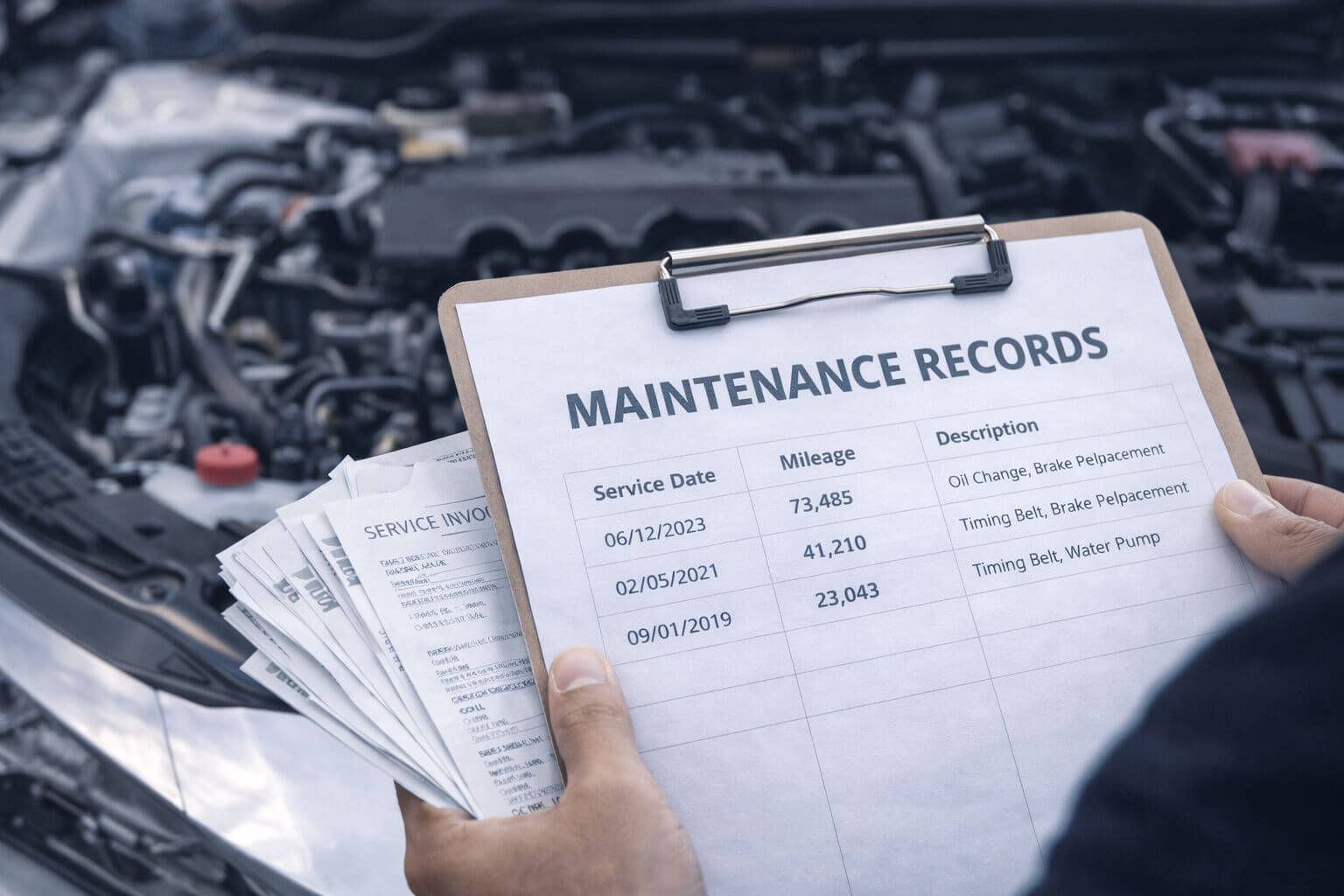
Before dealing with any battery-related issue, it’s also wise to understand a vehicle’s history. When purchasing a used car, reviewing a vehicle history report can help uncover prior electrical problems, accident damage, or poor maintenance that may explain recurring battery failures.
Jump-Starting a Car: Step-by-Step Guide
If your battery is dead, jumper cables can help get you back on the road—provided they are used correctly. Follow these steps carefully to avoid injury or damage to either vehicle.
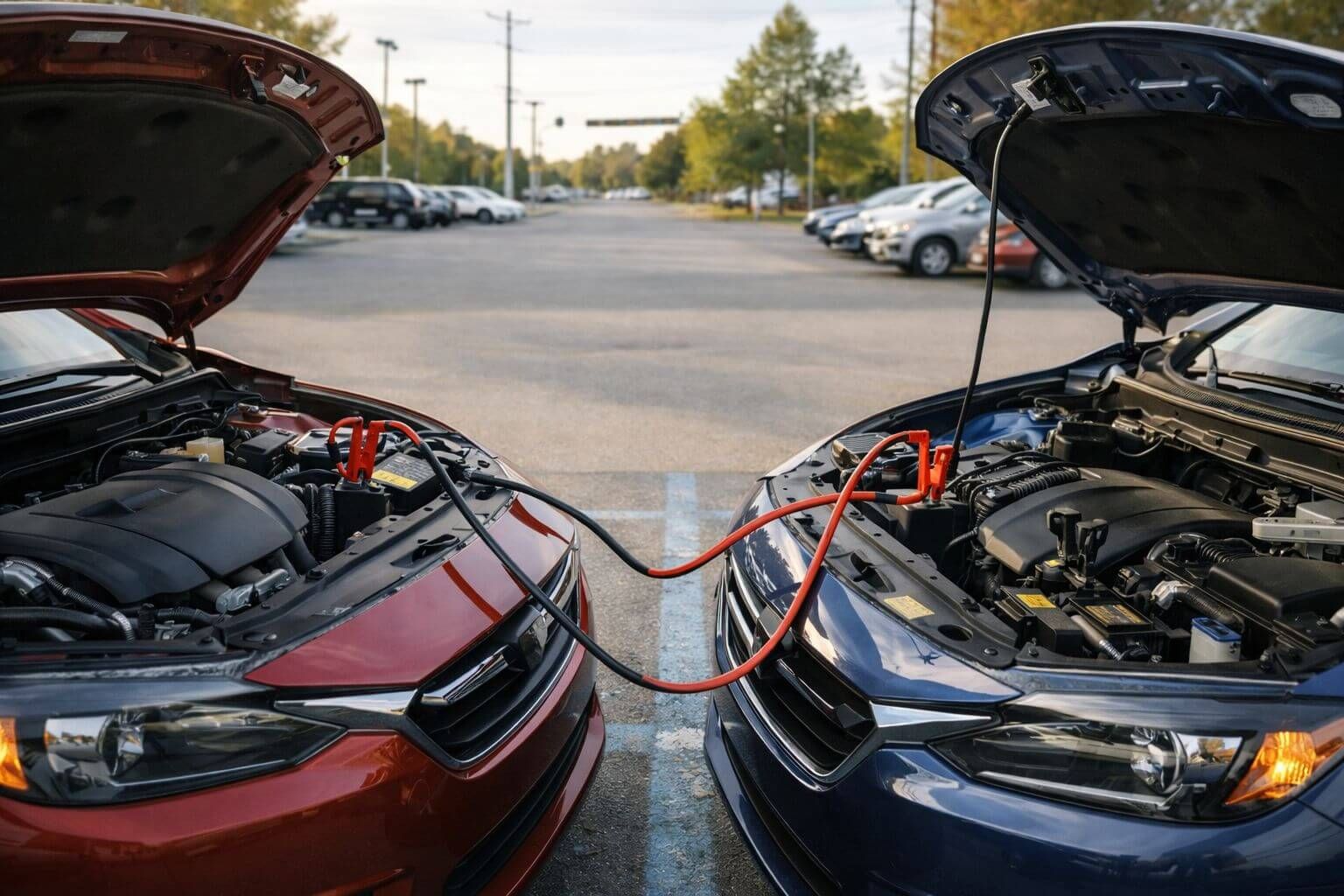
Position the vehicles
Park the booster vehicle close enough so the jumper cables can reach both batteries, but ensure the vehicles are not touching.Prepare both cars
Turn off both ignitions. Place the vehicles in Park (or Neutral for manual transmissions), engage the parking brakes, and switch off all electrical accessories such as lights, radio, and air conditioning. Unplug devices connected to power outlets.Inspect the jumper cables
Make sure the cables are in good condition, with clean, well-insulated clamps. Wearing gloves and eye protection is recommended.Connect the positive (red) cable
Attach one red clamp to the positive (+) terminal of the dead battery. Connect the other red clamp to the positive (+) terminal of the booster battery.Connect the negative (black) cable
Attach one black clamp to the negative (–) terminal of the booster battery. Connect the other black clamp to an unpainted metal surface on the engine block or frame of the dead vehicle—away from the battery.Start the booster vehicle
Start the booster car and let it idle for a few minutes to allow the dead battery to build up charge.Start the dead vehicle
Try starting the car with the dead battery. If it does not start after a few seconds, stop and reassess. Repeated attempts can damage the starter or indicate a deeper issue.Remove the jumper cables in reverse order
Carefully remove the cables without letting the clamps touch each other:- Remove the black clamp from the grounded metal surface on the revived car
- Remove the black clamp from the booster battery
- Remove the red clamp from the booster battery
- Remove the red clamp from the revived car’s battery
Drive to a safe location
Keep the engine running and drive to a safe place. Turning the engine off too soon may require another jump-start if the battery is weak.
Safety Tips for Jump-Starting a Dead Battery
Check the battery’s condition first
Do not attempt to jump-start a battery that is cracked, leaking, or swollen. Replace it immediately. Clean corroded terminals before connecting cables.Use high-quality jumper cables
Choose heavy-duty cables with strong clamps and at least 8-gauge wiring for more reliable current flow.Avoid cable contact
Ensure jumper cables never touch each other during the process, as this can cause sparks or damage the vehicle’s electrical system.Handle batteries with care
Car batteries can release explosive gases. Avoid smoking nearby, keep sparks away, and make sure all connections are secure.Seek professional help when unsure
If you are uncomfortable performing a jump-start or the vehicle still won’t start, contact a roadside assistance service such as CAA.
Final Thoughts
Jump-starting a car is a useful skill for any driver, but repeated battery failures often point to underlying issues. When buying a used vehicle, reviewing its background with a vehicle history report can help you identify past electrical or maintenance problems before they turn into costly surprises.