How to Check if a Car Has a Lien in Canada (Ontario & Alberta Explained)
How to Check if a Car Has a Lien in Canada (Ontario & Alberta Explained)
Buying a used car in Canada comes with a financial risk many buyers overlook: outstanding liens. A lien allows a lender to claim a vehicle if a previous owner failed to repay a loan—even after the vehicle has been sold.
This guide explains how to check if a car has a lien in Canada, with a practical breakdown for Ontario and Alberta, where lien rules and search systems differ.
What Is a Vehicle Lien?
A vehicle lien is a legal claim placed on a car by a lender, leasing company, or creditor. Liens are commonly tied to:
- Auto loans or financing agreements
- Leasing contracts
- Business or commercial vehicle financing
If a lien is still active, the lender may retain rights to the vehicle regardless of ownership changes.
Why Lien Checks Matter Before Buying
Failing to check for liens can lead to serious consequences:
- The vehicle may be repossessed
- Registration or ownership transfer issues
- Unexpected financial disputes with lenders
- Loss of money paid to the seller
Lien checks are especially critical in private sales, where buyers assume the seller owns the vehicle outright.
How Lien Searches Work in Canada
Canada does not maintain a single national lien registry for vehicles. Instead, lien information may be recorded through:
- Provincial personal property registries
- Industry databases linked to VINs
- Financial and registration records
Because liens can persist across provinces, VIN-based checks are essential.
How to Check for a Lien in Ontario
In Ontario, vehicle liens are typically registered through the Personal Property Security Registration (PPSR) system.
Key points buyers should know:
- Liens are tied to the VIN, not just the owner
- A clean ownership paper does not guarantee no lien
- Liens can remain active after resale
Using a VIN-based vehicle history report helps surface lien-related indicators associated with Ontario-registered vehicles.
How to Check for a Lien in Alberta
Alberta also uses a PPSA-based system for lien registration. However, Alberta vehicles may:
- Have liens registered by lenders outside the province
- Be sold across provincial borders
Because of this, Alberta buyers should always verify liens using VIN-based tools that aggregate available data.
Step-by-Step: Checking for Liens Before Buying
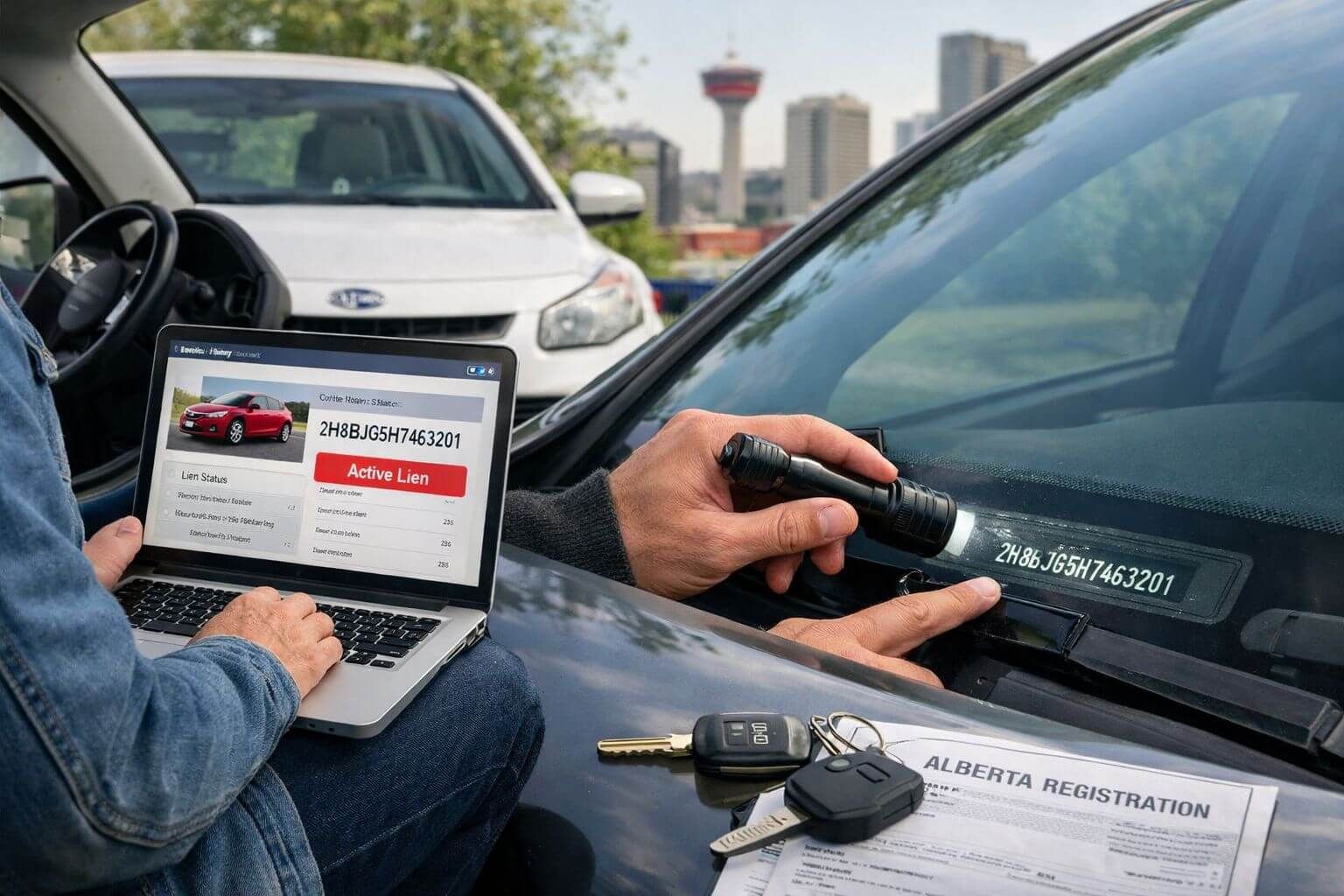
- Locate and verify the VIN on the vehicle
- Compare the VIN with registration and ownership documents
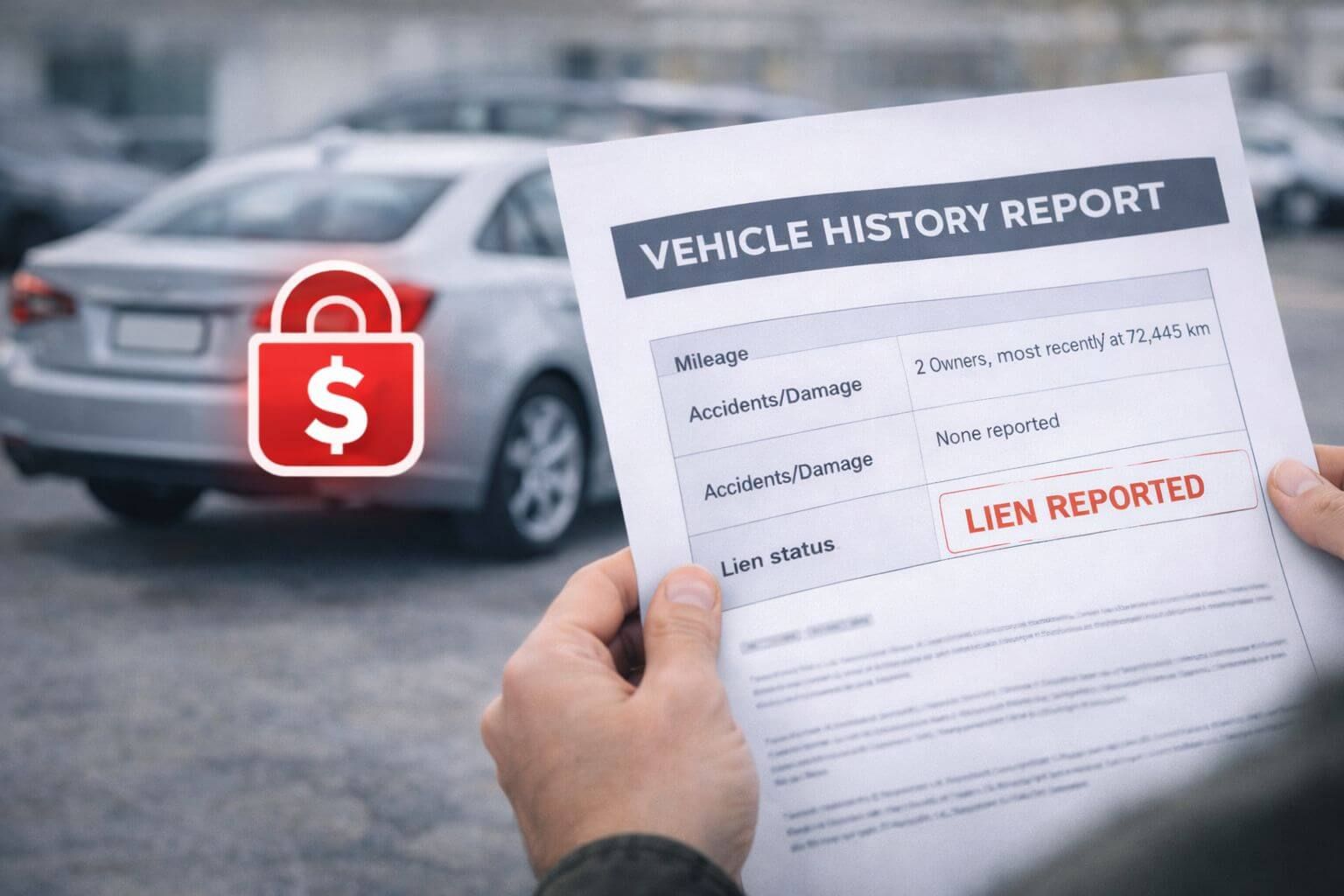
- Review lien indicators in a vehicle history report
- Ask the seller for written confirmation of lien release if applicable
Lien checks should be completed before payment or ownership transfer.
Lien Checks vs Other Ownership Risks
| Risk Type | What It Reveals |
|---|---|
| Lien check | Outstanding financial claims |
| Accident history | Prior collision damage |
| Stolen vehicle check | Theft or recovery indicators |
| Recall checks | Manufacturer safety issues |
Lien checks focus specifically on financial ownership risk.
Common Myths About Vehicle Liens
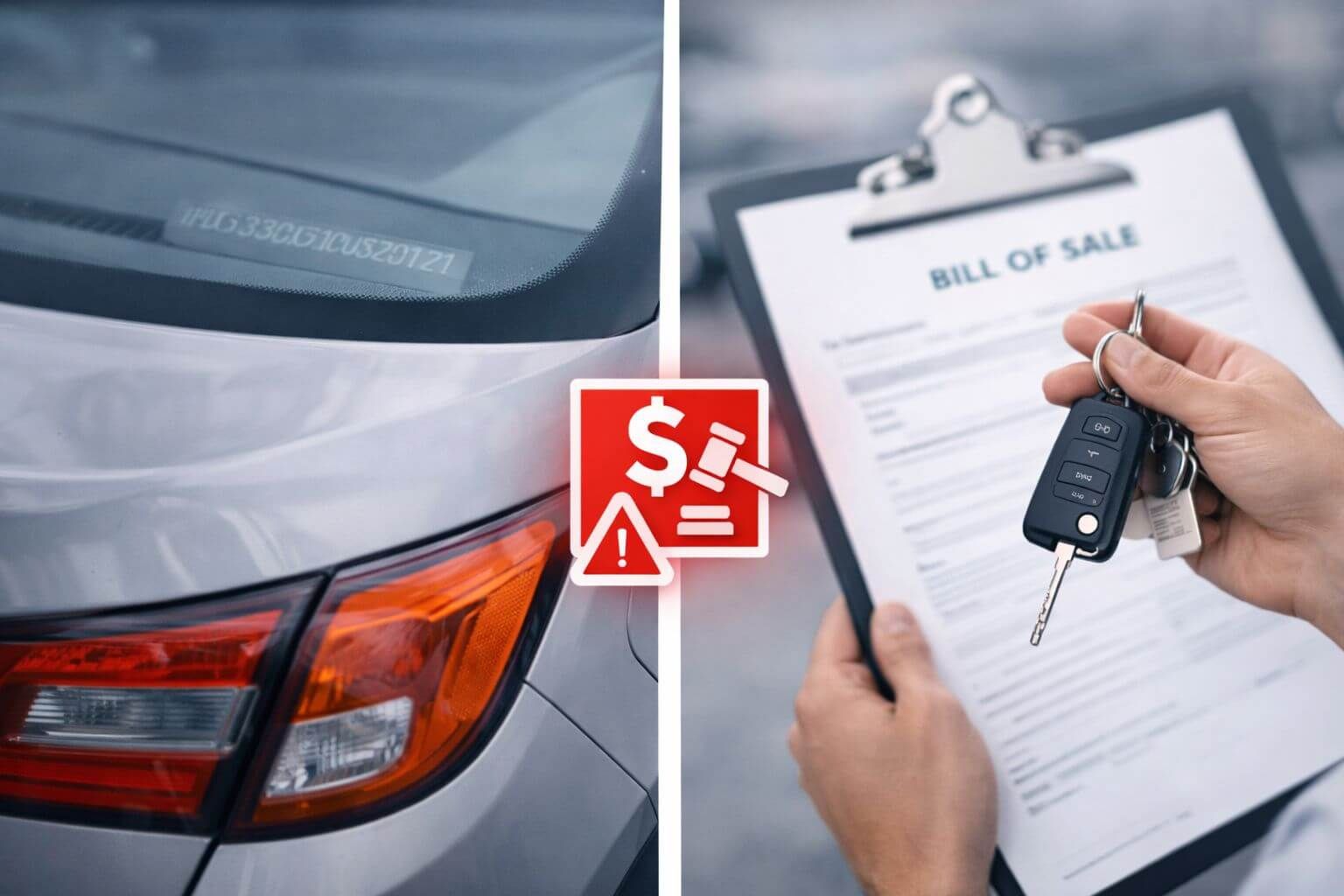
- “A bill of sale removes liens” — false
- “Only dealers sell lien-free cars” — unreliable
- “Old loans expire automatically” — not always
Understanding these myths helps buyers avoid costly mistakes.
Final Thoughts
Knowing how to check if a car has a lien in Canada is essential for protecting yourself from financial loss—especially in Ontario and Alberta, where liens may persist across sales.
Before buying any used vehicle, always verify the VIN, review lien-related indicators in a vehicle history report, and confirm lien releases directly with the seller when necessary. A few minutes of verification can prevent serious legal and financial problems later.