
The Car You Want Has an Accident History — Should You Still Buy It?
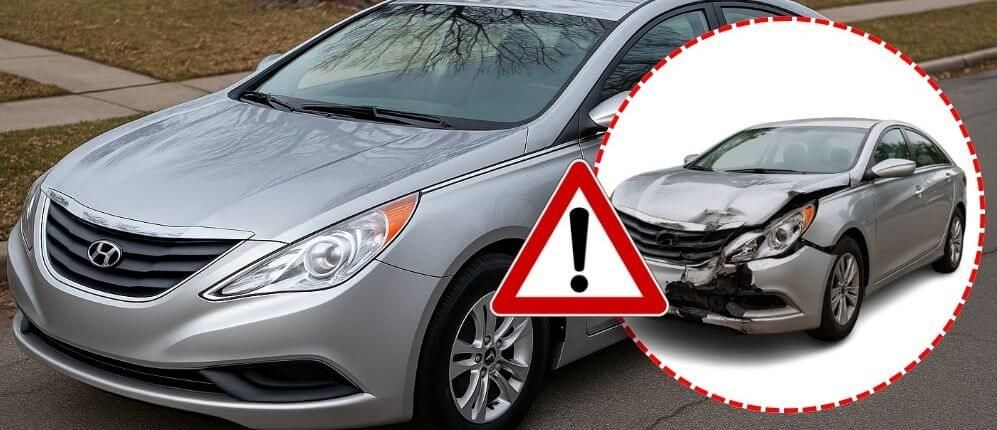
The Car You Want Has an Accident History — Should You Still Buy It?
You’ve finally found the right car at the right price. The features check out, the mileage looks reasonable, and it fits your budget perfectly. Then you pull the vehicle history report—and discover the car was involved in an accident.
Before walking away, it’s important to understand this: an accident history doesn’t automatically make a car a bad purchase.
Accidents are common, especially in high-traffic Canadian cities like Toronto, Vancouver, Montreal, Calgary, and Edmonton, where congestion, winter conditions, and urban driving increase collision rates. What matters most isn’t whether the car was in an accident—but how severe it was and how well it was repaired.
Many vehicles with accident records are sold for legitimate reasons, including:
- Minor cosmetic damage that has already been professionally repaired
- Insurance write-offs where repair costs exceeded vehicle value, not safety concerns
- Owners upgrading to a new vehicle or ending a lease
- Sellers concerned about resale value despite proper repairs
The key is uncovering the full story behind the damage so you can make a confident, informed decision.
1. Understand the Severity of the Accident
Not all accidents are equal. Before making a decision, ask the seller for details about:
- When the accident occurred
- Which parts of the vehicle were affected
- Whether the damage was cosmetic, structural, or mechanical
- Who performed the repairs and whether certified standards were followed
Minor issues such as bumper damage or panel replacement often have little impact on long-term reliability when repaired correctly. However, frame damage, airbag deployment, flood exposure, or poor-quality repairs are serious red flags that require closer scrutiny.
2. Get a Pre-Purchase Inspection
A pre-purchase inspection is essential—especially for vehicles with an accident history. An independent, trusted mechanic can:
- Identify hidden or unresolved damage
- Verify that repairs meet safety and manufacturer standards
- Detect structural issues or improper cosmetic fixes
This inspection not only protects your safety, but also gives you leverage if you decide to negotiate the price.
3. Check the Title Status
Accidents can affect a vehicle’s title classification. Make sure you understand what you’re dealing with:
- Clean Title – Minor or moderate damage that was properly repaired
- Salvage Title – Severe damage that led an insurer to declare the vehicle a total loss
- Rebuilt Title – A previously salvaged vehicle that has been repaired and passed inspection
In Canada, title branding rules vary by province, which is why reviewing a complete vehicle history report is critical before buying.
4. Weigh the Risk vs. Reward
Ask yourself a few practical questions:
- Is the price fair given the accident history?
- Are you comfortable with potentially lower resale value in the future?
- Do inspection results confirm the car is safe and mechanically sound?
If the accident was minor, repairs were professionally completed, and the price reflects the history, the vehicle may still represent excellent value.
5. Use the Accident History to Negotiate
An accident record gives you legitimate negotiating power. If you choose to proceed:
- Request a price adjustment based on documented accident history
- Compare similar models with clean titles versus accident records
- Use findings from the pre-purchase inspection to support your offer
Dealers and private sellers often expect negotiation once an accident is disclosed, especially when the history is verifiable.
Before committing, it’s wise to confirm the complete accident, title, and ownership record using a trusted Canadian vehicle history report from VinAudit Canada.
Buyers’ Frequently Asked Questions (FAQs)
Is it safe to buy a car with an accident history?
Yes—provided the damage was minor, properly repaired, and verified through inspection and history reports.
Will accident history affect resale value?
Typically yes. Even well-repaired vehicles may sell for less than comparable clean-title cars.
Should I avoid rebuilt or salvage vehicles entirely?
Not always, but they carry higher risk and should only be considered with thorough inspections and significant price discounts.
For Businesses: Protect Your Inventory and Customers with VinAudit Canada
If you operate in the automotive industry—whether selling, financing, or managing vehicles—verifying accident history is more than due diligence. It’s a business necessity.
VinAudit Canada helps businesses:
- Access official Canadian accident and title data quickly
- Screen inventory for prior damage, title branding, theft, and liens
- Integrate vehicle history checks through bulk tools or API access
- Protect brand reputation, compliance, and customer trust
Whether you’re evaluating a single vehicle or managing large-scale inventory, VinAudit Canada makes accident history verification efficient, accurate, and reliable.