Distracted Driving Kills: What You Must Know to Stay Safe
Distracted Driving: A Growing Road Safety Threat
Distracted driving is one of the leading causes of road accidents today. While many people associate distraction primarily with texting or phone use, the reality is broader. Everyday actions such as eating, adjusting vehicle controls, interacting with passengers, or even letting your mind wander can significantly increase crash risk.
In 2022 alone, distracted driving caused over 3,300 fatalities and nearly 290,000 injuries in the United States. In Canada, the issue is just as severe—driver distraction contributes to more than 22% of fatal crashes and approximately 25% of serious injury collisions nationwide. These figures underscore how dangerous even momentary inattention behind the wheel can be.
According to the National Highway Traffic Safety Administration (NHTSA) and Transport Canada, taking your focus off driving for just a few seconds can result in life-altering consequences.
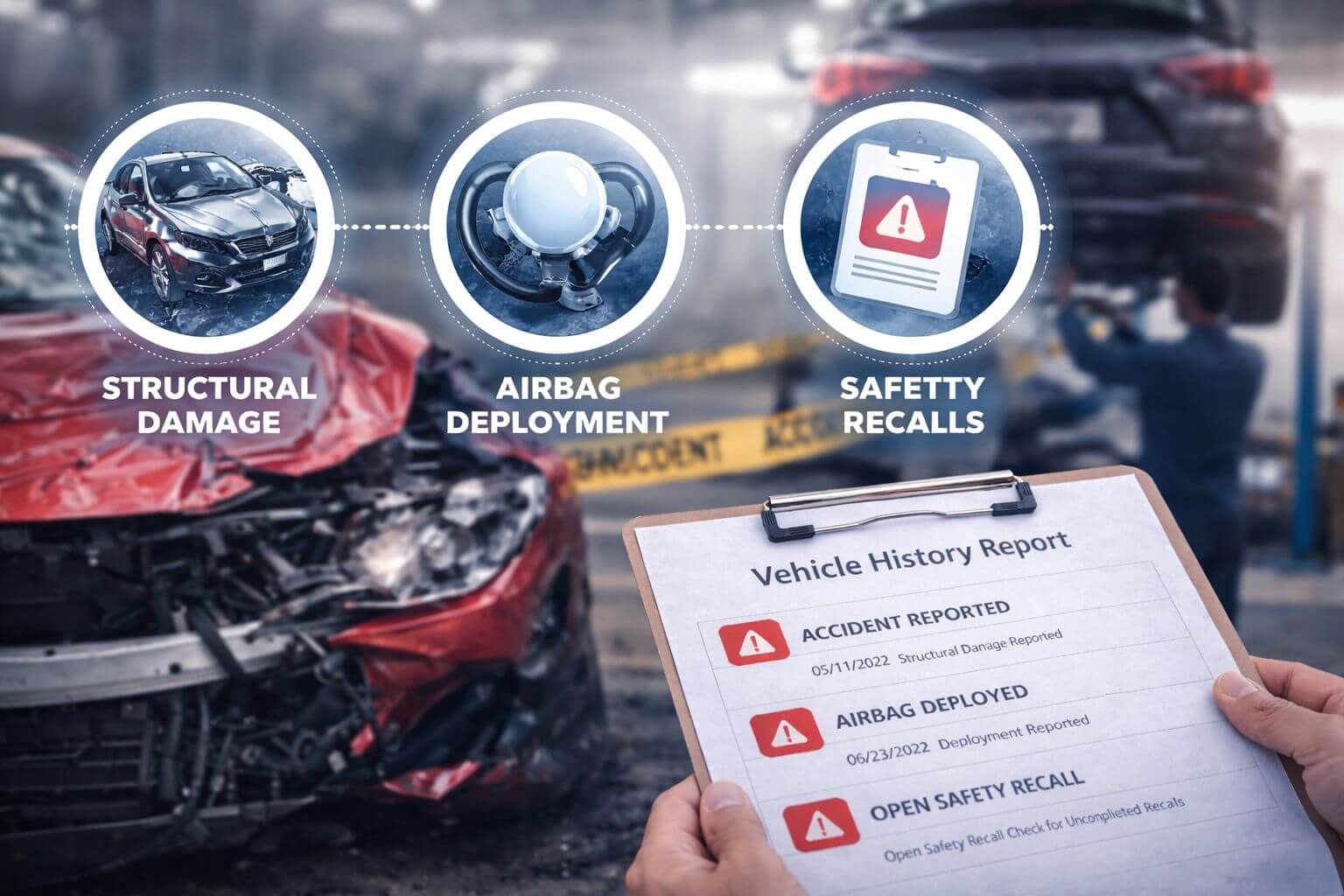
To help drivers stay safe, this guide explains the different types of distracted driving, why they are dangerous, and how to prevent them. As a trusted vehicle history provider, we support road safety by helping drivers make informed decisions. This includes understanding distracted driving risks and reviewing a comprehensive vehicle history to identify past accidents and ensure a safer driving experience.
What Is Distracted Driving?
Distracted driving refers to any activity that diverts attention away from operating a vehicle safely. This includes anything that takes:
- Your eyes off the road
- Your hands off the wheel
- Your mind off driving
Many drivers underestimate how quickly these distractions can escalate into serious accidents.
Statistics That Highlight the Risk
- Texting while driving increases crash risk by 23 times compared to attentive driving
- Looking away from the road for 5 seconds at 90 km/h is equivalent to driving the length of a football field blindfolded
- Distracted driving contributes to up to 80% of collisions in North America
- Approximately 21% of fatal crashes in Canada involve driver distraction
The Three Main Types of Driving Distractions
- Visual distractions – Looking at a phone, GPS screen, dashboard controls, or roadside activity
- Manual distractions – Eating, adjusting controls, or reaching for items inside the vehicle
- Cognitive distractions – Deep conversations, emotional stress, or thinking about non-driving matters
Most distracted driving incidents involve more than one of these at the same time.
Common Causes of Distracted Driving
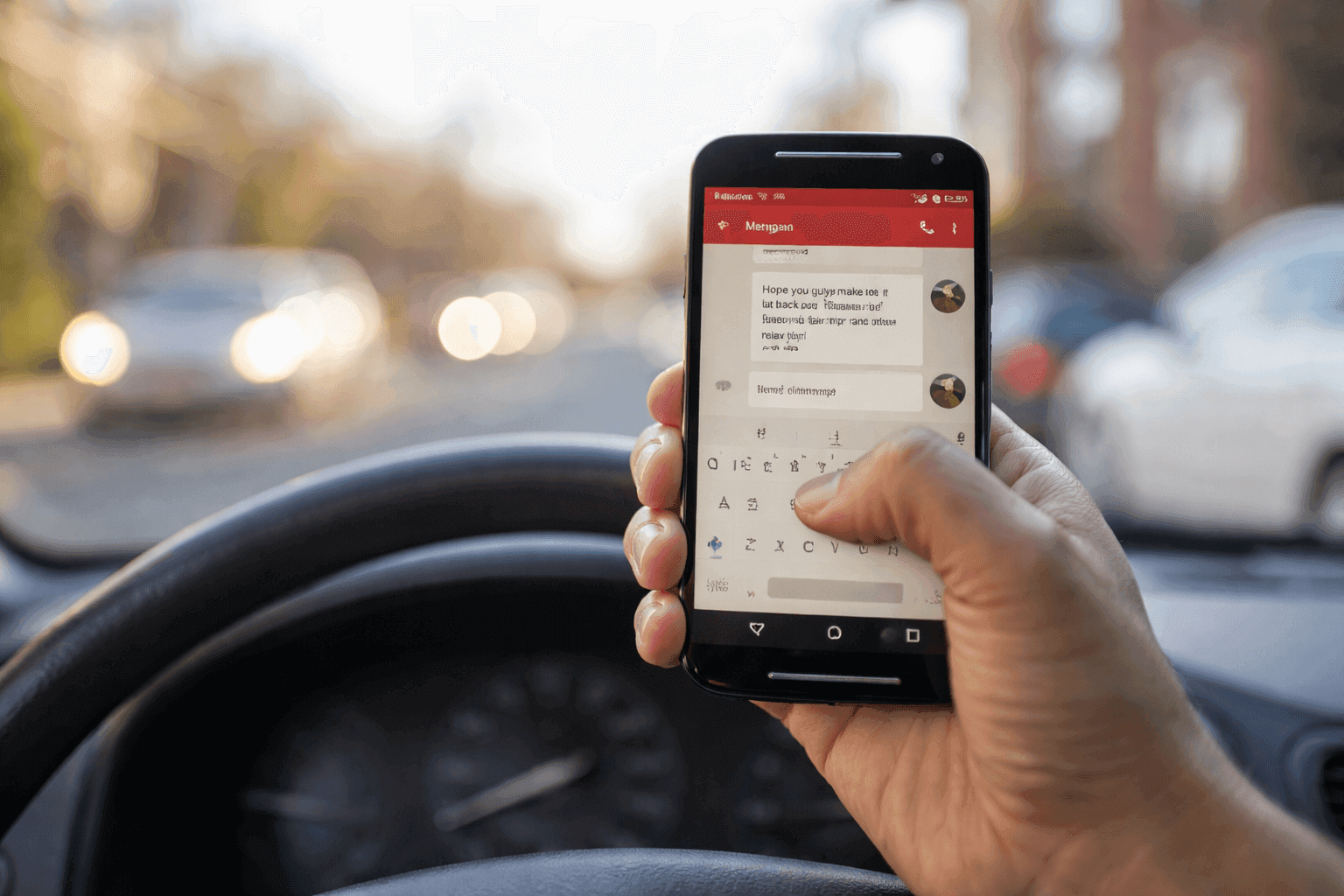
1. Smartphone Use (Texting, Calls, Social Media)
Even brief phone interactions dramatically reduce reaction time. Hands-free calls can still impair focus.
Prevention tip: Enable “Do Not Disturb While Driving” or keep your phone out of reach.
2. Eating and Drinking
Holding food or beverages means fewer hands on the wheel and delayed reactions.
Prevention tip: Eat before driving or pull over safely if needed.
3. Adjusting In-Car Technology
Touchscreens, infotainment systems, and navigation apps require visual and manual attention.
Prevention tip: Set up navigation, music, and climate controls before driving.
4. Talking to Passengers
Engaging conversations—especially with children or multiple passengers—can distract drivers.
Prevention tip: Keep conversations brief and low-stress while driving.
5. Personal Grooming
Activities such as applying makeup or adjusting hair while driving pose serious risks.
Prevention tip: Complete grooming tasks before leaving.
6. Looking at Billboards or Other Vehicles
Roadside events or eye-catching advertisements can draw attention away from traffic conditions.
Prevention tip: Maintain forward focus and use peripheral vision only.
7. Pets in the Vehicle
Unsecured pets can move unpredictably and interfere with vehicle control.
Prevention tip: Use pet carriers or safety harnesses in the back seat.
8. Fatigue and Daydreaming
Mental exhaustion and long drives can lead to lapses in attention similar to physical distractions.
Prevention tip: Take breaks regularly and avoid driving when overtired.
Legal Consequences of Distracted Driving
To combat distracted driving, many jurisdictions across Canada and the U.S. enforce strict penalties. Using a handheld device while driving can result in serious legal and financial consequences.
If you are purchasing a used vehicle, reviewing a vehicle accident report can help identify prior collisions or infractions potentially linked to distracted driving.
Common penalties include:
- Fines of up to $1,000 in some provinces and states
- Demerit points affecting your driving record
- License suspension for repeat offenses
- Higher insurance premiums following violations
The Bottom Line: Stay Focused, Stay Safe
Distracted driving is both dangerous and preventable. Whether it involves texting, eating, or adjusting in-car technology, every distraction increases the likelihood of an accident.
By adopting simple habits—putting your phone away, securing loose items, planning routes in advance, and staying mentally focused—you can significantly reduce your risk on the road.
Safe driving protects not only you but everyone around you. Each time you drive, make a conscious commitment to stay alert, avoid distractions, and drive responsibly.