
Winter Tires and Used Car Value in Canada: What Buyers Should Check
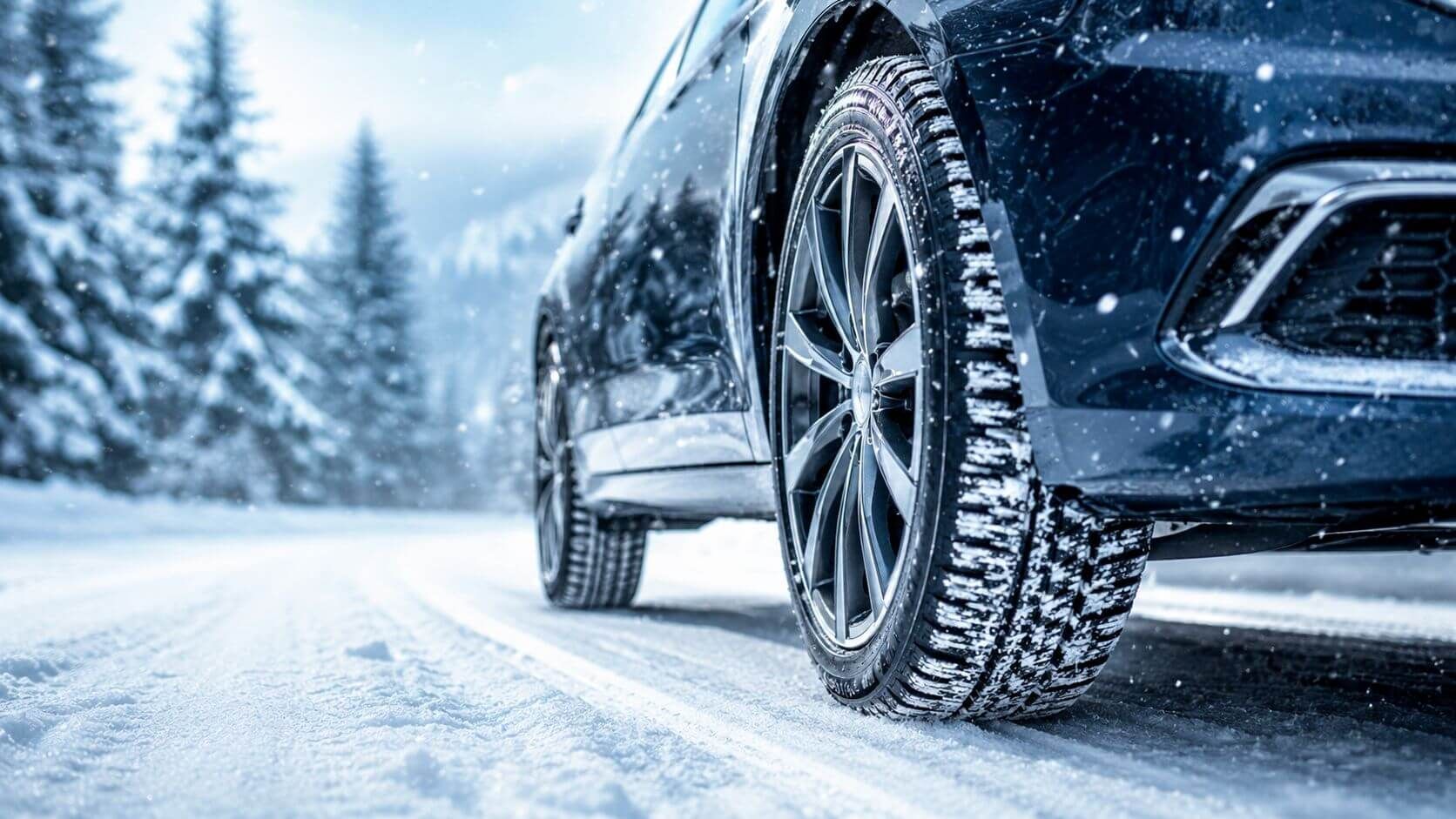
Winter tires can affect used car value in Canada, but not automatically. A clean set of properly sized winter tires on separate rims can make a used vehicle more practical and valuable to a buyer, especially in provinces with heavy snow, icy roads, or winter tire requirements. But old, mismatched, worn, cracked, incorrectly sized, or low-quality winter tires may add little value — and may even reveal that the seller is trying to make the deal look better than it is.
Before you treat winter tires as a bonus, inspect them the same way you would inspect brakes, maintenance records, accident history, or mileage. Confirm the tire size, tread depth, age, brand, condition, rim type, storage history, and whether the tires actually fit the vehicle. Then compare the total package against similar listings using a market value tool and keep the tire check inside your broader car buyer checklist.
A used car with good winter tires can save you money after purchase. A used car with bad winter tires can leave you buying a new set before the first snowfall.
Why winter tires matter in a Canadian used car purchase
Winter tires matter because Canadian driving conditions can change quickly. Snow, slush, freezing rain, black ice, and cold pavement all affect traction. Even if a province does not require winter tires everywhere, many buyers still want them for safety, convenience, and seasonal readiness.
For used car buyers, winter tires can affect:
- Immediate ownership cost
- Negotiation leverage
- Road safety
- Insurance or winter driving expectations
- Provincial compliance in some places
- Resale appeal
- Whether the car is ready to drive in winter
- Whether the seller maintained the vehicle responsibly
A seller may say, “It comes with winters,” but that statement needs inspection. The tires may be nearly worn out, too old, wrong size, stored poorly, or mounted on rims that do not fit properly.
Winter tires can add value — when they are usable
A proper winter tire set can add practical value because the buyer may avoid buying tires immediately after purchase. In Canada, a full winter tire package can cost hundreds or even thousands of dollars depending on vehicle size, tire brand, rim type, sensors, installation, balancing, and storage.
Winter tires are most valuable when they are:
- Correctly sized for the vehicle
- A matching set of four
- Mounted on usable rims
- In good tread condition
- Not too old
- Free from cracks, bulges, puncture repairs, or sidewall damage
- From a reputable tire brand
- Properly stored
- Compatible with TPMS, where applicable
- Included clearly in the bill of sale
A good winter tire set is not just a “nice extra.” It can reduce immediate costs and make the car easier to own during the first winter.
Winter tires may add little value if they are worn or old
Winter tires lose value as they wear and age. Even if they still look acceptable in photos, old rubber can harden, crack, or lose cold-weather performance. Tread depth also matters because worn winter tires may not clear snow and slush effectively.
Do not give full value to winter tires if they are:
- Near the wear bars
- Unevenly worn
- Cracked
- Bulging
- Older than expected
- Mismatched by brand or model
- Different sizes
- Mounted on bent or corroded rims
- Missing tire pressure sensors where needed
- Not included physically at pickup
- Claimed by the seller but stored elsewhere
A seller may have paid a lot for winter tires years ago, but that does not mean they are worth much today.
Check whether winter tires are required where you drive
Winter tire rules vary across Canada. Buyers should check the rules in the province where the vehicle will be driven and registered.
In Québec, winter tires are mandatory from December 1 to March 15 for most motor vehicles registered in Québec, including rental vehicles. Québec also states that drivers who do not comply may face a fine. SAAQ adds that vehicles must be equipped with four winter tires that meet established standards and are in good condition during the required period.
In British Columbia, winter tires are required on designated highways during winter tire periods. The province defines winter tires for these routes as tires marked with either the mountain snowflake symbol or the M+S symbol, and it requires at least 3.5 mm of tread depth on designated highways.
In other provinces, winter tires may not be mandatory province-wide, but they may still be strongly recommended or supported through programs. Manitoba Public Insurance, for example, offers a Winter Tire Program that allows eligible customers to finance approved winter tires and related services.
The buyer’s takeaway is simple: check local requirements and driving needs before valuing the tire package. A set of winter tires may be more valuable in Québec, mountain areas of B.C., northern Ontario, the Prairies, Atlantic Canada, or any region where winter driving is a serious part of ownership.
Winter tire symbols: what to look for
A true winter tire usually carries the three-peak mountain snowflake symbol. This symbol indicates the tire meets a recognized snow traction performance standard. Some jurisdictions, including B.C. highway rules, may also recognize M+S tires as meeting minimum legal requirements on designated routes, but a mountain snowflake winter tire is generally the stronger winter-specific signal for buyers.
When inspecting the tires, look for:
- Three-peak mountain snowflake symbol
- M+S marking, where relevant
- Tire size
- Load rating
- Speed rating
- Brand and model
- Directional arrows, if applicable
- Inside/outside markings, if applicable
- DOT date code
- Tread depth
- Sidewall condition
Do not rely only on the seller calling them “winter tires.” Confirm the markings yourself.
Check the tire size against the vehicle
Winter tires must be the correct size for the vehicle. Some owners use a slightly different winter size approved for the vehicle, often with smaller wheels and taller sidewalls. That can be fine when done properly. But incorrect sizing can affect handling, braking, traction control, speedometer readings, clearance, and safety systems.
Check:
- Tire size on the sidewall
- Rim size
- Bolt pattern
- Offset
- Load rating
- Speed rating
- Whether the tire clears brakes and suspension
- Whether the size is approved or commonly recommended for that vehicle
- Whether all four tires match
If the winter set is from a different vehicle, do not assume it fits. Ask a tire shop or mechanic to confirm.
Inspect tread depth carefully
Tread depth is one of the most important value factors. A winter tire with deep tread may have several seasons left. A winter tire near replacement depth should not add much to the price.
Check tread depth across the tire, not only in one place. Uneven tread can reveal alignment issues, worn suspension, poor tire rotation habits, or underinflation.
Inspect:
- Centre tread
- Inner shoulder
- Outer shoulder
- All four tires
- Uneven wear patterns
- Cupping
- Feathering
- Flat spots
- Wear bars
Uneven winter tire wear can also hint at vehicle problems. If the tires show heavy inside-edge wear, ask for alignment and suspension inspection before buying.
Check the tire age using the date code
Winter tire age matters. The tire may have plenty of tread but still be old. Rubber ages over time, especially if stored poorly, exposed to sunlight, used in warm seasons, or kept in damp conditions.
Look for the DOT date code on the tire sidewall. The last four digits typically show the week and year of manufacture. For example, a code ending in 3021 means the tire was made in the 30th week of 2021.
Ask:
- When were the tires purchased?
- How many winters were they used?
- Were they used only in winter?
- Were they stored indoors?
- Were they stored on rims or loose?
- Were they kept away from sun, heat, and moisture?
A seller may say the tires are “almost new” because the tread looks good, but the date code may tell a different story.
Check for damage, cracks, and repairs
A winter tire can look fine at a glance but have sidewall damage, cracking, puncture repairs, or rim problems. Inspect each tire closely.
Look for:
- Sidewall cracks
- Bulges
- Cuts
- Puncture plugs
- Patch repairs
- Exposed cords
- Bead damage
- Uneven tread blocks
- Missing studs, if studded tires
- Rim corrosion
- Bent rims
- Air leaks
- Missing valve caps
- Damaged TPMS sensors
Sidewall damage is especially serious. Do not assign value to a tire that may be unsafe.
Are the winter tires on separate rims?
Winter tires mounted on separate rims are often more valuable than loose tires because seasonal changeovers can be faster and cheaper. Separate rims also reduce wear from repeated mounting and dismounting.
Ask whether the winter set includes:
- Steel rims
- Alloy rims
- Tire pressure monitoring sensors
- Wheel nuts or bolts
- Centre caps
- Wheel locks
- Storage bags
- Receipts
- Tire warranty paperwork
Separate rims can add convenience, but only if they fit properly and are in good condition.
TPMS and sensor costs
Some vehicles use tire pressure monitoring systems. If the winter wheels do not include compatible sensors, the dashboard may show a tire pressure warning light during winter. Some buyers tolerate this; others may want sensors installed.
Before valuing the winter tire package, check:
- Does the vehicle have TPMS?
- Are sensors installed in the winter rims?
- Do the sensors work?
- Will they need programming?
- Are replacement sensors expensive?
- Is a warning light currently on?
- Does the seller include the correct wheel hardware?
TPMS costs can reduce the value of the included winter set.
Studded winter tires: useful, but check the rules
Studded tires may help in icy conditions, but rules vary by province and season. They may be restricted by date, location, vehicle type, or road conditions. They can also create noise, road wear, and handling differences on dry pavement.
Before giving value to studded tires, check:
- Whether they are legal where you drive
- Whether the studs are still in good condition
- Whether studs are missing unevenly
- Whether they suit your driving pattern
- Whether they create extra road noise
- Whether your insurer or province has any relevant restrictions
Studded tires are not automatically better for every buyer. They are most valuable when they match the local climate and legal rules.
Winter tires and used car pricing
A good winter tire package should be treated as part of the vehicle’s total value, not as a separate reason to overpay. The car itself still matters more: history, condition, mileage, title, accident records, maintenance, and market demand.
When comparing prices, look at:
- Similar vehicles without winter tires
- Similar vehicles with winter tire sets
- Tire brand and condition
- Remaining tread life
- Whether rims and sensors are included
- Seasonal demand
- Whether the vehicle is being sold before winter
- Whether the car also needs summer tires soon
A seller may say, “The winters are worth $1,500,” but used tires rarely retain full retail value. Value depends on condition, age, fitment, and buyer need.
Seasonal timing affects negotiation
Winter tires may matter more in autumn and early winter than in spring. A buyer shopping in November may value a good winter set because they need it immediately. A buyer shopping in April may see the set as useful later but less urgent.
Seasonal timing can affect negotiation:
- Fall: Winter tires can strengthen the seller’s asking price if the set is good.
- Winter: Missing winter tires may be a negotiation point in snowy regions.
- Spring: Buyers may also ask whether summer or all-season tires are included.
- Summer: Winter tires still matter, but buyers should inspect storage and age.
Tire value is practical. It depends on when you need them and how much life they have left.
Check the summer or all-season tires too
Do not focus only on the included winter tires. A vehicle may come with good winters but worn-out summer tires. If you will need to replace the other set soon, factor that into the offer.
Ask:
- Are all-season or summer tires included?
- What condition are they in?
- Are they on rims?
- How old are they?
- Are they correctly sized?
- Do they have enough tread?
- Are there cracks or repairs?
- Are they stored properly?
A “two-set” tire package is valuable only if both sets are usable.
What winter tires can reveal about the seller
Tires can tell you something about how the seller maintained the vehicle. A clean, matching, well-stored winter tire set with receipts suggests the owner planned ahead. A mismatched, worn, dirty, or damaged set may suggest lower maintenance standards.
Winter tires can also reveal:
- Alignment problems
- Suspension wear
- Aggressive driving
- Poor storage habits
- Infrequent rotations
- Low tire pressure habits
- Whether the vehicle was prepared for winter use
Tires are not just accessories. They are evidence.
Ask for tire receipts and service records
Receipts help confirm tire age, purchase date, brand, model, installation, balancing, alignment, and seasonal changeovers.
Ask for:
- Tire purchase receipt
- Rim receipt
- TPMS receipt
- Seasonal changeover records
- Tire rotation records
- Alignment records
- Storage receipts
- Repair invoices
Alignment records are especially useful if the tires show uneven wear. A seller who regularly installed and stored tires through a shop may have a clean record trail.
How to value included winter tires
There is no universal amount to add for winter tires, but buyers can estimate value by looking at remaining usefulness.
Consider:
High value
A matching set of four premium or reputable-brand winter tires, recent date codes, strong tread depth, no damage, mounted on correct rims, with working TPMS and receipts.
Moderate value
A matching set of usable winter tires with fair tread, acceptable age, no major damage, and correct fitment, but without premium rims or full records.
Low value
Older winter tires, uneven wear, limited tread life, no rims, unknown storage history, or lower-value brands.
Little or no value
Cracked, mismatched, damaged, very old, wrong-size, unsafe, or nearly worn-out tires.
If the tire package falls into the low or no-value category, do not let it influence the price much.
Buyer inspection checklist for winter tires
Before paying, check:
- Set includes four matching winter tires.
- Tire size fits the vehicle.
- Tire markings are confirmed.
- Tread depth is measured.
- Tire age is checked by date code.
- Sidewalls are free from cracks and bulges.
- Tread wear is even.
- Rims are included if promised.
- Rims are not bent or badly corroded.
- TPMS sensors are present and working if needed.
- Tires were stored properly.
- Receipts are available.
- Summer or all-season tires are also checked.
- Tire condition is reflected in the price.
- Tire details are written into the bill of sale.
A tire set should be physically inspected before you count it as part of the deal.
Questions to ask the seller
Ask:
- Are winter tires included?
- Are they a full matching set of four?
- Are they mounted on rims?
- Do the rims fit this exact vehicle?
- Are TPMS sensors included?
- When were the tires purchased?
- How many winters were they used?
- What is the tread depth?
- Where were they stored?
- Are there receipts?
- Are summer or all-season tires included too?
- Have the tires ever been repaired?
- Are there any vibration, leak, or alignment issues?
- Will the tire set be listed in the bill of sale?
If the seller cannot produce the tires before purchase, do not assume they are included.
Red flags when evaluating winter tires
Be cautious if:
- Seller says winter tires are included but they are “at another location.”
- Tires are mismatched.
- Tires are visibly cracked.
- Date codes are very old.
- Tread is near the wear bars.
- Tires are the wrong size.
- Rims look bent or badly corroded.
- There is uneven wear.
- TPMS warning light is on.
- Seller cannot confirm whether they fit the vehicle.
- Only two winter tires are included.
- Seller wants extra money for worn tires.
- Tire value is used to justify an inflated asking price.
A poor winter tire set can become a cost, not a benefit.
How winter tires fit into the full used car decision
Winter tires are useful, but they should not distract from the bigger purchase. A vehicle with clean history, good maintenance, fair pricing, and worn winter tires may still be a better buy than a risky vehicle with a nice tire package.
Before deciding, check:
- Vehicle history
- Accident records
- Lien status
- Inspection results
- Maintenance records
- Odometer consistency
- Tire condition
- Market price
- Registration and insurance needs
Use winter tires as one piece of the value picture, not the whole reason to buy.
Final thoughts
Winter tires can improve used car value in Canada when they are correct, safe, recent, well maintained, and genuinely useful to the buyer. A proper winter tire set on rims can reduce immediate ownership costs and make the vehicle more attractive before the snow starts. But worn, old, mismatched, damaged, or wrong-size tires should not add much value.
Before paying, inspect the tires, check the date codes, measure tread depth, confirm fitment, review receipts, and make sure the tire set is written into the sale documents.
A good winter tire package can sweeten a used car deal. A bad one should not distract you from negotiating the real value of the vehicle.